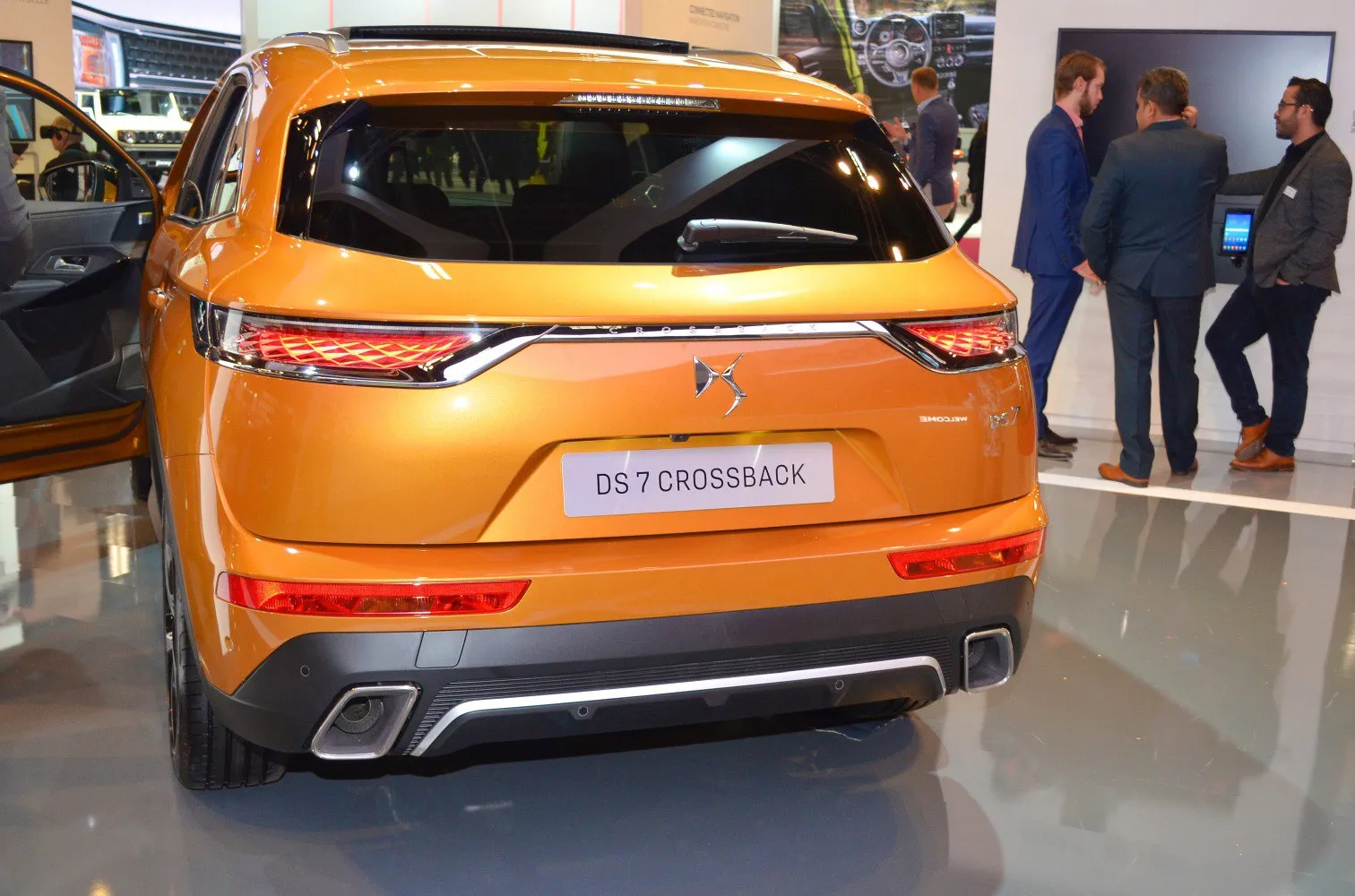
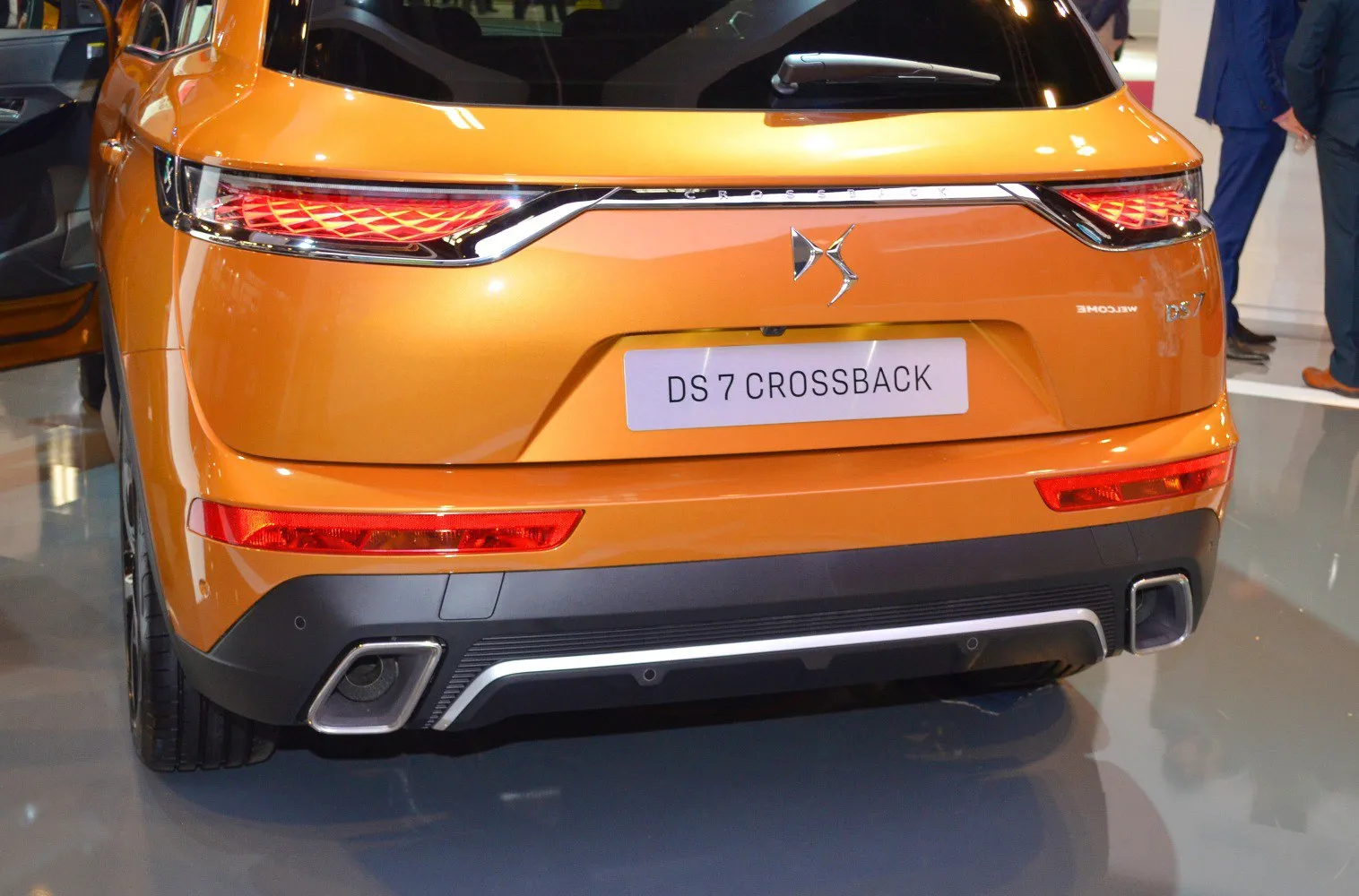
DS 7 Crossback 1.6 PureTech (225 Hp) E-TENSE Automatic
DS 7:
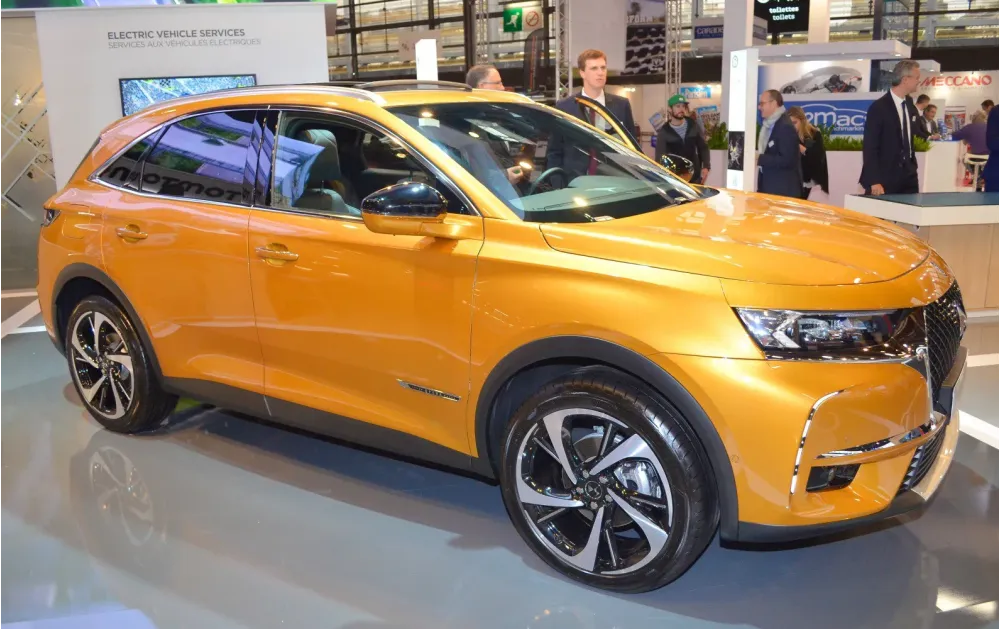
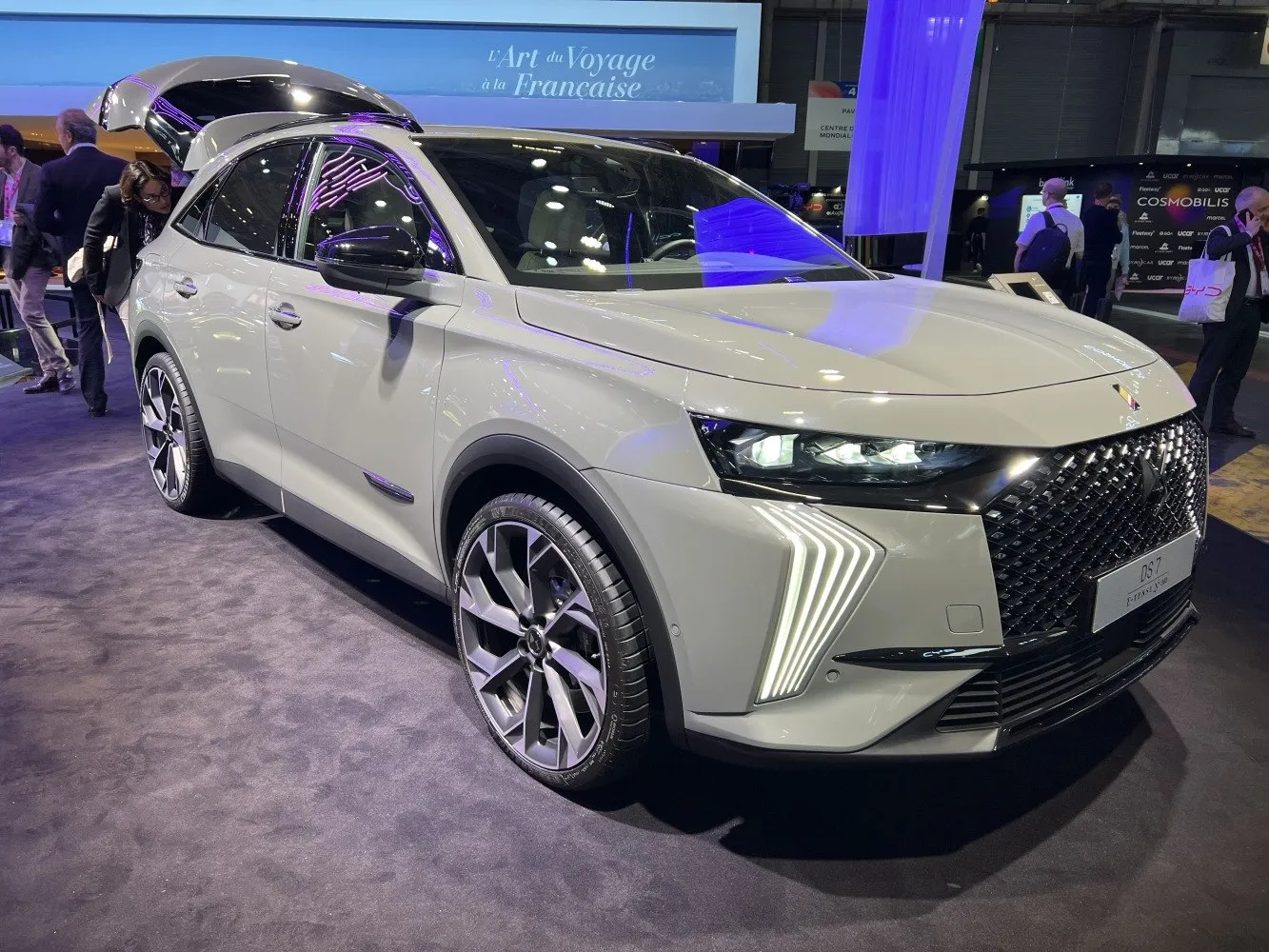
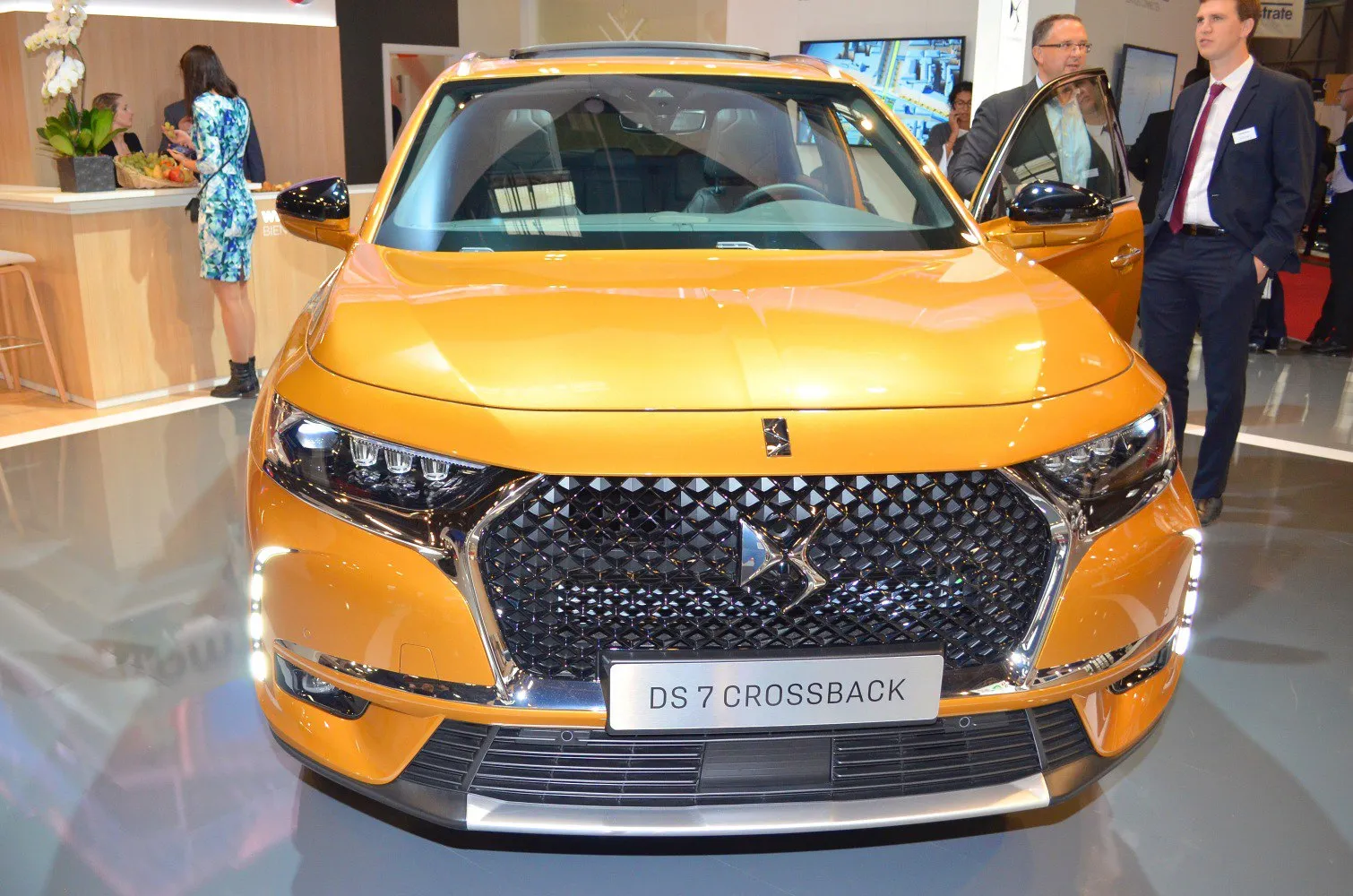
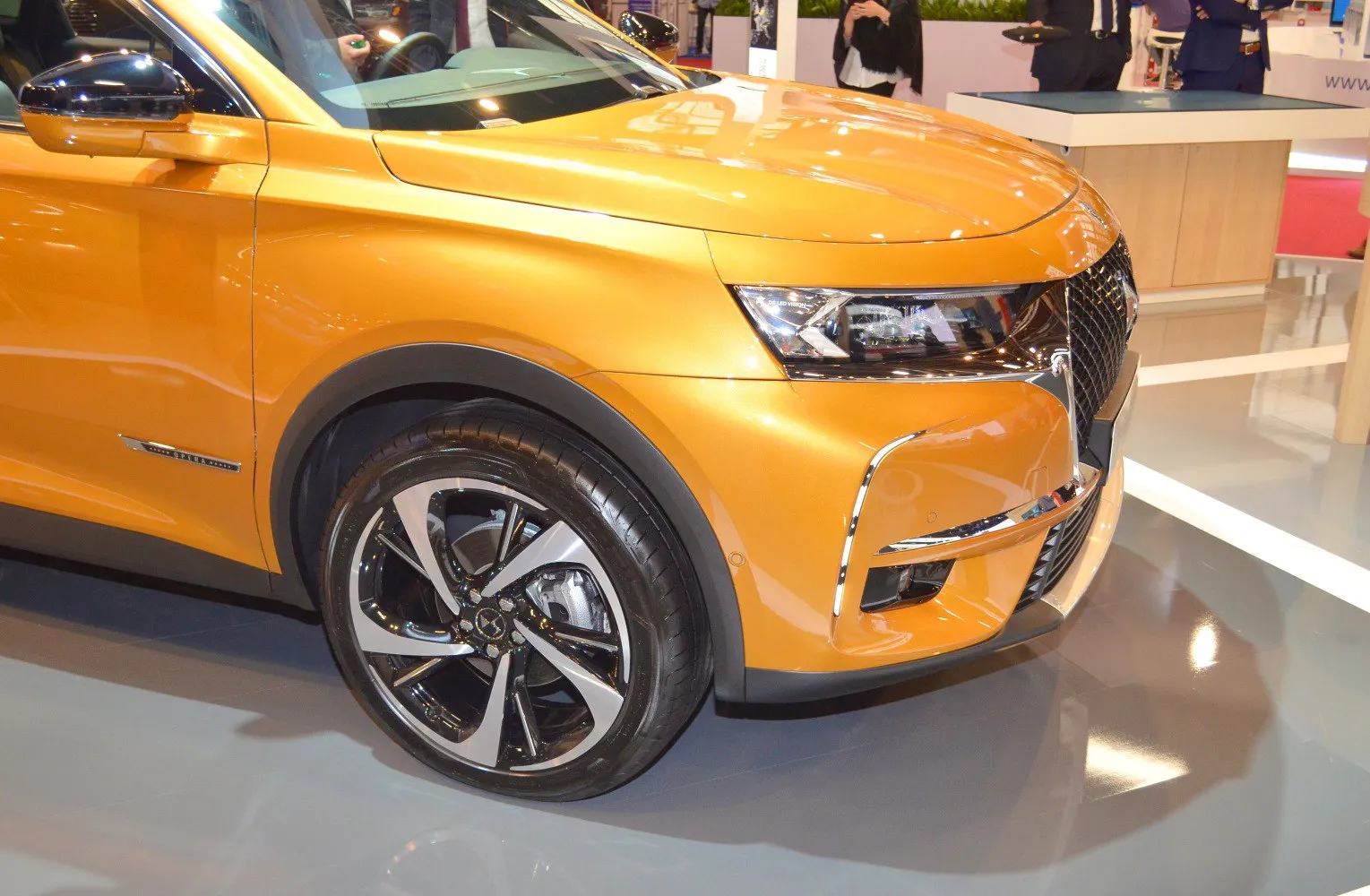
The DS No. 7 is a compact luxury crossover SUV to be produced by the French automaker DS Automobiles.
The No. 7 was unveiled in March 2026 as the successor to the DS 7. It was scheduled to go on sale in May 2026 and arrive at dealerships in October 2026. The No. 7 is built alongside the larger DS No. 8 in Melfi, Italy.
The No. 7 is based on the STLA Medium platform of Stellantis. Sister models include the Jeep Compass, the Opel Grandland, and the Peugeot 3008. At 4. 66 meters long, the No. 7 is slightly larger than its predecessor, while its width and height are similar. The wheelbase is 2. 79 meters, and the drag coefficient is 0. 26. The trunk capacity is 560 liters without being knocked down....(Read more on Wikipedia)
Crossback Overview:
DS 7 (Crossback). With 300 Nm of torque, it offers ample pulling power. With a weight of 1760 kg, it falls in the mid‑range. Front‑wheel drive delivers efficiency and easy handling. Acceleration is good (0–100 km/h in 8.9 s). The top speed reaches 225 km/h. A sport utility vehicle offering higher ground clearance and versatile cargo space. Seating for 5 makes it ideal for daily use.
Pros and Cons:
Pros:
- • Adequate and balanced power output (180 hp) for versatile driving.
- • Respectable acceleration of 8.9 sec, suitable for most driving situations.
- • Exceptional fuel efficiency: 1.6 L/100 km.
- • Independent multi-link suspension for premium ride comfort.
- • Ventilated disc brakes for reliable cooling and stopping power.
- • Generous trunk capacity of 555 Liters.
- • Turbocharged engine ensures better torque delivery at low RPMs.
- • Direct fuel injection technology for optimized combustion.
Specifications:
Specifications are compared to those of the previous generation(Crossback: October, 2018 - March, 2019).
| General: |
| Brand: | DS |
|---|
| Model: | 7 |
|---|
| Generation: | Crossback |
|---|
| Modification (Engine): | 1.6 PureTech (225 Hp) E-TENSE Automatic |
|---|
| Start of production: | September, 2020 |
|---|
| End of production: | July, 2022 |
|---|
| Powertrain Architecture: | PHEV (Plug-in Hybrid Electric Vehicle) |
|---|
| Body type: | SUV |
|---|
| Seats: | 5 |
|---|
| Doors: | 5 |
|---|
| Engine: |
| Engine systems: | Start & Stop System |
|---|
| Power: | 180 Hp @ 6000 rpm. Same horsepower |
|---|
| Power per litre: | 112.6 Hp/l [Same length.] |
|---|
| Torque: | 300 Nm @ 3000 rpm. |
|---|
| Engine Model/Code: | 5GG EP6FADTX More details about the engine 5GG EP6FADTX |
|---|
| Engine displacement: | 1598 |
|---|
| Number of cylinders: | 4 |
|---|
| Engine configuration: | Inline |
|---|
| Number of valves per cylinder: | 4 |
|---|
| Fuel injection system: | Direct injection |
|---|
| Engine aspiration: | Twin-Turbo, Intercooler |
|---|
| Valvetrain: | DOHC |
|---|
| Engine oil capacity: | 4.25 l |
|---|
| Engine layout: | Front, Transverse |
|---|
| Performance: |
| Fuel Type: | Petrol / electricity |
|---|
| Combined fuel consumption (WLTP): | 1.4-1.6 l/100 km |
|---|
| Fuel consumption at Low speed (WLTP): | 8.9-9.1 l/100 km |
|---|
| Fuel consumption at Medium speed (WLTP): | 6.3-6.7 l/100 km |
|---|
| Fuel consumption at high speed (WLTP): | 6.1-6.5 l/100 km |
|---|
| Fuel consumption at very high speed (WLTP): | 7.7-8.1 l/100 km |
|---|
| Fuel consumption (economy) - combined (NEDC, WLTP equivalent): | 1.6-1.7 l/100 km |
|---|
| Fuel consumption (economy) - combined: | 1.6-1.7 l/100 km |
|---|
| Emission standard: | Euro 6.3 |
|---|
| Acceleration 0 - 100 km/h: | 8.9 sec |
|---|
| Acceleration 0 - 62 mph: | 8.9 sec |
|---|
| Maximum speed: | 225 km/h |
|---|
| Weight-to-power ratio: | 7.8 kg/Hp, 127.8 Hp/tonne |
|---|
| Weight-to-torque ratio: | 4.9 kg/Nm, 204.5 Nm/tonne |
|---|
| Acceleration 0 - 60 mph: | 8.5 sec |
|---|
| Space: |
| Kerb Weight: | 1760 |
|---|
| Max. weight: | 2350 |
|---|
| Max load: | 590 |
|---|
| Trunk (boot) space - maximum: | 1752 l |
|---|
| Trunk (boot) space - minimum: | 555 l |
|---|
| Permitted trailer load with brakes (12%): | 1250 kg |
|---|
| Fuel tank capacity: | 43 l |
|---|
| Permitted trailer load without brakes: | 750 kg |
|---|
| Permitted towbar download: | 55 kg |
|---|
| Size: |
| Length: | 4573 mm mm [Same length.] |
|---|
| Width: | 1906 mm mm [Same width.] |
|---|
| Height: | 1625 mm mm [4mm more] |
|---|
| Wheelbase: | 2738 mm mm [Same wheelbase.] |
|---|
| Width including mirrors: | 2098 mm |
|---|
| Front track: | 1621 mm |
|---|
| Rear (Back) track: | 1598 mm |
|---|
| Front overhang: | 925 mm |
|---|
| Rear overhang: | 910 mm |
|---|
| Ride height (ground clearance): | 190 mm |
|---|
| Minimum turning circle (turning diameter): | 10.45 m [above average] |
|---|
| Powertrain: |
| Drivetrain Architecture | The Internal combustion engine (ICE) and electric motor drive the front wheels of the car with the ability to work in full electric or mixed mode. |
|---|
| Drive wheel | Front wheel drive |
|---|
| Number of gears | 8 |
|---|
| Transmission type | Automatic |
|---|
| Front brakes | Ventilated discs, 304x28 mm [Best for performance and cooling.] |
|---|
| Rear brakes | Disc, 290x12 mm [above average] |
|---|
| Assisting systems | ABS (Anti-lock braking system) |
|---|
| Steering type | Steering rack and pinion |
|---|
| Power steering | Electric Steering |
|---|
| Tires size | 225/55 R18 102V; 235/50 R19 103V |
|---|
| Wheel rims size | 18; 19 |
|---|
| Front suspension | Independent, type McPherson with coil spring and anti-roll bar |
|---|
| Rear suspension | Independent multi-link spring suspension with stabilizer |
|---|
| Electric: |
| Gross battery capacity: | 13.2 kWh |
|---|
| System power: | 225 Hp |
|---|
| System torque: | 360 Nm |
|---|
| All-electric range: | 55 km |
|---|
| Electric motor power: | 110 Hp |
|---|
| Electric motor Torque: | 320 Nm |
|---|
| Electric motor location: | Between the combustion engine and the transmission |
|---|
| All-electric range (WLTP): | 55 km |
|---|






Would you recommend the DS 7 ? Tell us why or why not!