
Click on image to view the full photo gallery
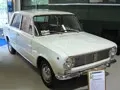
Citroen DS III 20 (103 Hp)
Overall Rating
Citroen DS:
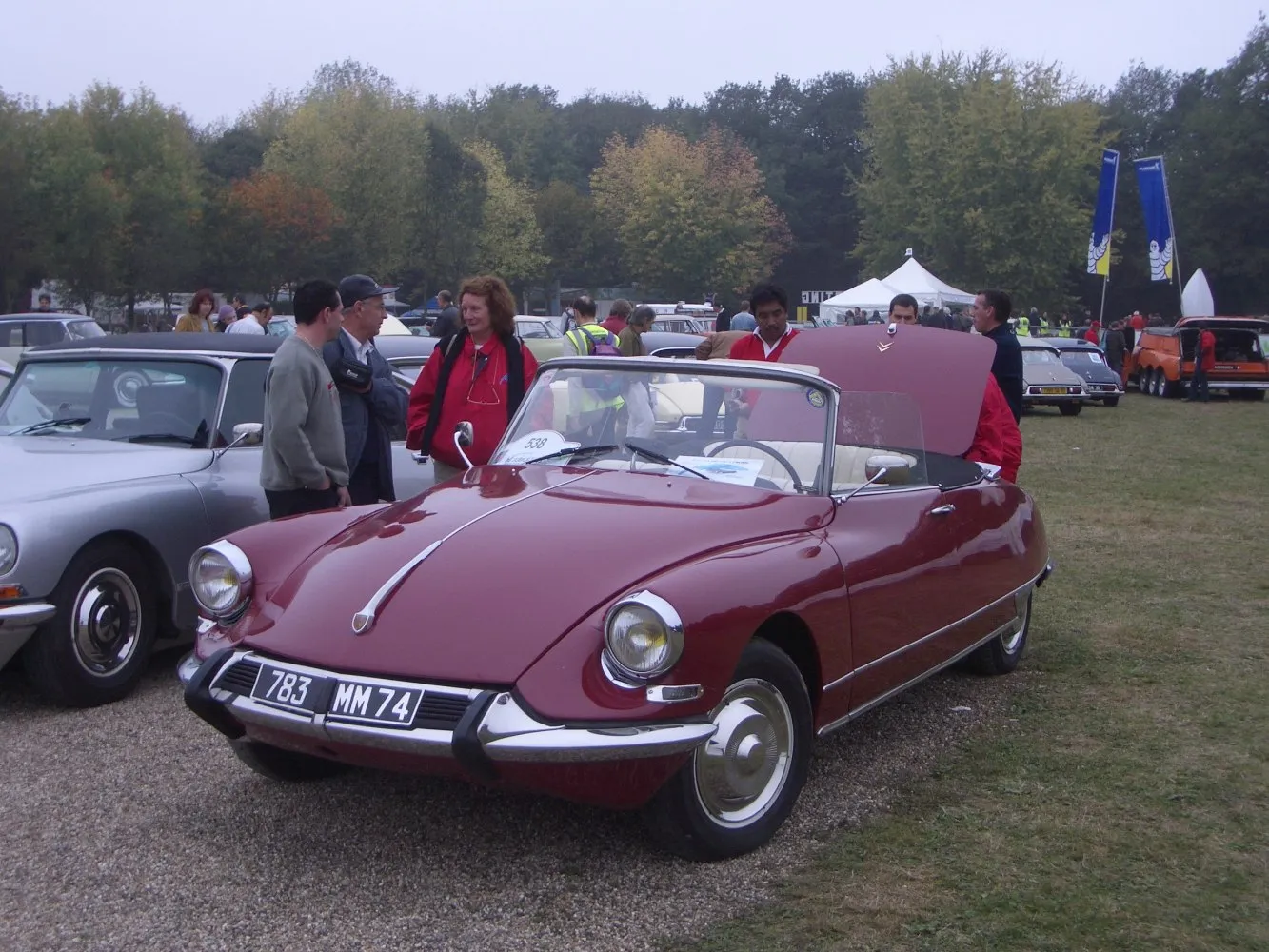
The Citroën DS is a front mid-engined, front-wheel drive executive car manufactured and marketed by Citroën from 1955 to 1975, in fastback/sedan, wagon/estate, and convertible body configurations, across a single generation comprising three series.
Marketed with a less expensive variant, the Citroën ID, the DS was known for its aerodynamic, futuristic body design; unorthodox, quirky, and innovative technology. It set new standards in ride quality, handling, and braking, thanks to both being the first mass production car equipped with hydropneumatic suspension, as well as disc brakes. The 1967 Series 3 also introduced directional headlights to automotive mass-production....(Read more on Wikipedia)
III Overview:
Citroen DS (III). With 146 Nm of torque, it offers ample pulling power. Weighing only 1280 kg, it’s quite light. Front‑wheel drive delivers efficiency and easy handling. The top speed reaches 167 km/h. A four-door car with a separate trunk, ideal for families and daily commuting. Seating for 5 makes it ideal for daily use.
As a vehicle from the early 1970s, the Citroen DS III predates modern crash safety standards and testing protocols like Euro NCAP. Safety features were rudimentary by today's measures, focusing more on structural integrity and basic occupant restraint systems common for its era.
20 (103 Hp) Verdict:

Performance Verdict
A marginal power increase over the 99 Hp version, offering a slightly more responsive feel for everyday use.
Fuel Economy
Similar fuel consumption characteristics to the 99 Hp version, still a carburetted engine.
Pros and Cons:
Pros:
- • Unrivaled ride comfort from hydro-pneumatic suspension
- • Iconic, timeless design and styling
- • Advanced engineering for its era (e.g., swiveling headlights, fuel injection)
- • Spacious and luxurious interior
- • Strong classic car appeal and appreciating value
Cons:
- • Complex mechanicals can be expensive to maintain and repair
- • Fuel economy is poor by modern standards
- • Lack of modern safety features
- • Finding skilled mechanics for the hydro-pneumatic system can be challenging
- • Rust can be an issue on unrestored examples
Specifications:
Specifications are compared to those of the previous generation(III: 1967 - 1968).
| General: | |
|---|---|
| Brand: | Citroen |
| Model: | DS |
| Generation: | III |
| Modification (Engine): | 20 (103 Hp) |
| Start of production: | 1968 |
| End of production: | 1971 |
| Powertrain Architecture: | Internal Combustion engine |
| Body type: | Sedan |
| Seats: | 5 |
| Doors: | 4 |
| Engine: | |
|---|---|
| Power: | 103 Hp @ 6000 rpm. |
| Power per litre: | 51.9 Hp/l |
| Torque: | 146 Nm @ 4000 rpm. |
| Engine Model/Code: | B22644 [Same engine] More details about the engine B22644 |
| Engine displacement: | 1985 |
| Number of cylinders: | 4 |
| Engine configuration: | Inline |
| Number of valves per cylinder: | 2 |
| Fuel injection system: | Carburettor |
| Engine aspiration: | Naturally aspirated engine |
| Engine oil capacity: | 5 l |
| Coolant: | 11 l |
| Engine layout: | Front, Longitudinal |
| Cylinder Bore: | 90 mm mm |
| Piston Stroke: | 78 mm mm |
| Compression ratio: | 8.75:1 |
| Performance: | |
|---|---|
| Fuel Type: | Petrol (Gasoline) |
| Maximum speed: | 167 km/h |
| Weight-to-power ratio: | 12.4 kg/Hp, 80.5 Hp/tonne |
| Weight-to-torque ratio: | 8.8 kg/Nm, 114.1 Nm/tonne |
| Space: | |
|---|---|
| Kerb Weight: | 1280 |
| Max. weight: | 1760 |
| Max load: | 480 |
| Trunk (boot) space - minimum: | 500 l |
| Fuel tank capacity: | 65 l |
| Size: | |
|---|---|
| Length: | 4874 mm mm [Same length.] |
| Width: | 1803 mm mm [Same width.] |
| Height: | 1470 mm mm [Same height.] |
| Wheelbase: | 3125 mm mm [Same wheelbase.] |
| Front track: | 1500 mm |
| Rear (Back) track: | 1300 mm |
| Front overhang: | 1016 mm |
| Rear overhang: | 733 mm |
| Minimum turning circle (turning diameter): | 11 m [above average] |
| Powertrain: | |
|---|---|
| Drivetrain Architecture | The Internal combustion engine (ICE) drives the front wheels of the vehicle. |
| Drive wheel | Front wheel drive |
| Number of gears | 4 |
| Transmission type | Manual |
| Front brakes | Disc [bad for performance and cooling.] |
| Rear brakes | Drum [bad for performance and cooling.] |
| Steering type | Steering rack and pinion |
| Power steering | Hydraulic Steering |
| Front suspension | Hydro-pneumatic element |
| Rear suspension | Hydro-pneumatic element |







Help others decide – share your experience!