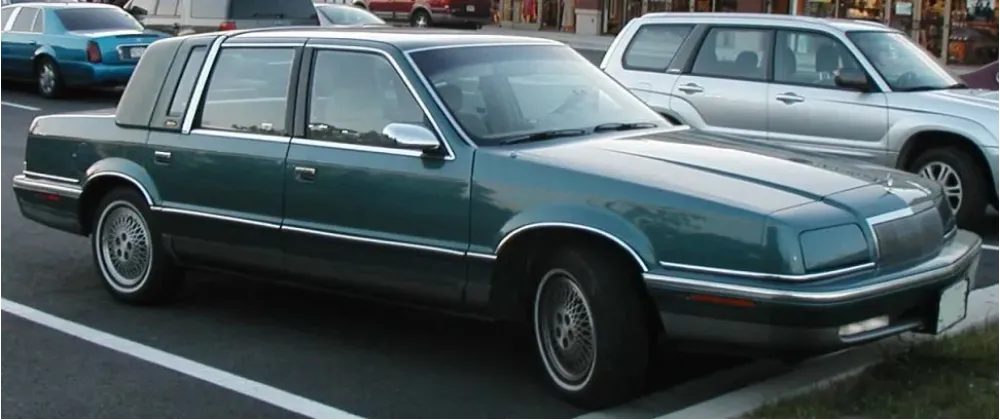
Click on image to view the full photo gallery
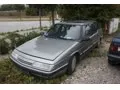
Chrysler New Yorker Fifth Avenue 3.3 V6 (150 Hp)
Overall Rating
Chrysler New Yorker:
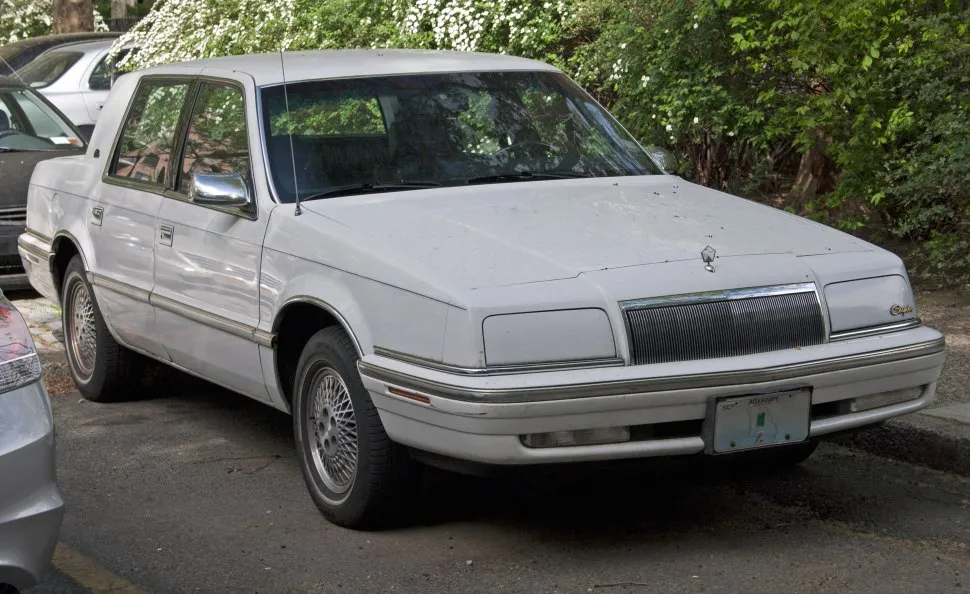
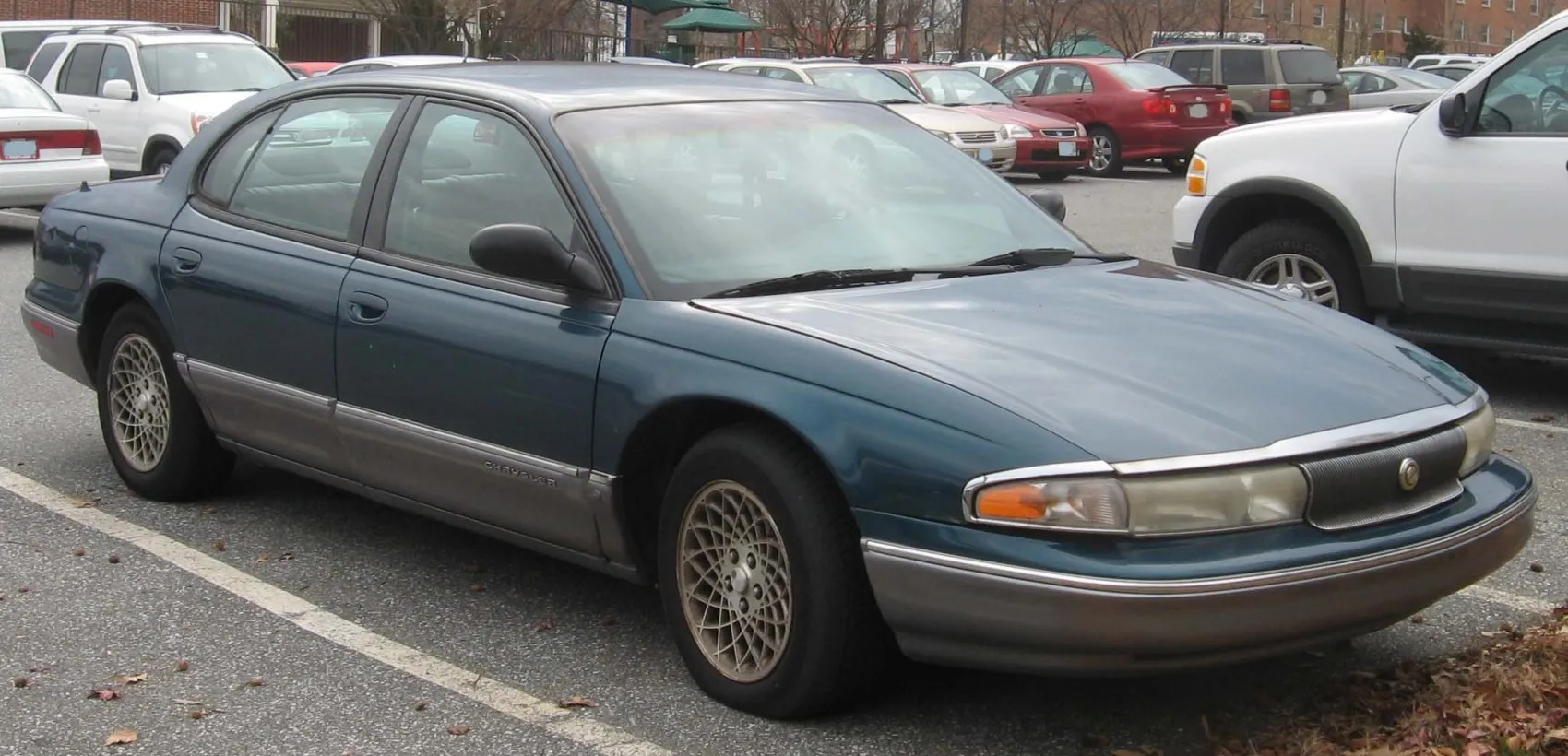
The Chrysler New Yorker is an automobile model produced by Chrysler from 1940 until 1996, serving for several decades as either the brand's flagship model or as a junior sedan to the Chrysler Imperial, the latter during the years in which the Imperial name was used within the Chrysler lineup rather than as a standalone brand.
A trim level named the "New York Special" first appeared in 1938, while the "New Yorker" name debuted in 1939. The New Yorker helped define the Chrysler brand as a maker of upscale models that were priced and equipped to compete against upper-level models from Buick, Oldsmobile, and Mercury....(Read more on Wikipedia)
Fifth Avenue Overview:
Chrysler New Yorker (Fifth Avenue). With 248 Nm of torque, it offers ample pulling power. With a weight of 1555 kg, it falls in the mid‑range. Front‑wheel drive delivers efficiency and easy handling. The top speed reaches 190 km/h. A four-door car with a separate trunk, ideal for families and daily commuting. Seating for 5 makes it ideal for daily use.
3.3 V6 (150 Hp) Verdict:

Performance Verdict
Provides nearly identical power to the 3.8L, delivering smooth and sufficient acceleration for daily driving and highway speeds. A refined performer for its class.
Fuel Economy
Slightly better fuel efficiency than the 3.8L, making it a marginally more economical choice for a large sedan of this vintage, though still not a fuel-sipper.
Pros and Cons:
Pros:
- • Exceptional ride comfort and smooth suspension
- • Spacious and luxurious interior for its class
- • Smooth and reliable V6 engine options
- • Classic American luxury styling
- • Good value on the used market (historically)
Cons:
- • Soft handling with noticeable body roll
- • Outdated safety features by modern standards
- • Fuel economy is poor compared to contemporary vehicles
- • Some interior materials prone to wear over time
- • Can be prone to rust in certain climates
Specifications:
Specifications are compared to those of the previous generation(XIII Salon: 1988 - 1993).
| General: | |
|---|---|
| Brand: | Chrysler |
| Model: | New Yorker |
| Generation: | Fifth Avenue |
| Modification (Engine): | 3.3 V6 (150 Hp) |
| Start of production: | 1989 |
| End of production: | 1993 |
| Powertrain Architecture: | Internal Combustion engine |
| Body type: | Sedan |
| Seats: | 5 |
| Doors: | 4 |
| Engine: | |
|---|---|
| Power: | 150 Hp @ 4800 rpm. |
| Power per litre: | 45.4 Hp/l |
| Torque: | 248 Nm @ 3600 rpm. |
| Engine displacement: | 3301 |
| Number of cylinders: | 6 |
| Engine configuration: | V-engine |
| Number of valves per cylinder: | 2 |
| Fuel injection system: | Multi-port manifold injection |
| Engine aspiration: | Naturally aspirated engine |
| Valvetrain: | OHC |
| Engine oil capacity: | 4.3 l |
| Coolant: | 9 l |
| Engine layout: | Front, Transverse |
| Cylinder Bore: | 93 mm mm |
| Piston Stroke: | 81 mm mm |
| Compression ratio: | 8.9:1 |
| Performance: | |
|---|---|
| Fuel Type: | Petrol (Gasoline) |
| Fuel consumption (economy) - urban: | 16 l/100 km |
| Fuel consumption (economy) - extra urban: | 10 l/100 km |
| Maximum speed: | 190 km/h |
| Weight-to-power ratio: | 10.4 kg/Hp, 96.5 Hp/tonne |
| Weight-to-torque ratio: | 6.3 kg/Nm, 159.5 Nm/tonne |
| Space: | |
|---|---|
| Kerb Weight: | 1555 |
| Trunk (boot) space - minimum: | 465 l |
| Fuel tank capacity: | 61 l |
| Size: | |
|---|---|
| Length: | 5155 mm mm [235mm more] |
| Width: | 1750 mm mm [Same width.] |
| Height: | 1400 mm mm [Same height.] |
| Wheelbase: | 2785 mm mm [130mm more] |
| Front track: | 1465 mm |
| Rear (Back) track: | 1465 mm |
| Powertrain: | |
|---|---|
| Drivetrain Architecture | The Internal combustion engine (ICE) drives the front wheels of the vehicle. |
| Drive wheel | Front wheel drive |
| Number of gears | 4 |
| Transmission type | Automatic |
| Front brakes | Ventilated discs [Best for performance and cooling.] |
| Rear brakes | Disc |
| Assisting systems | ABS (Anti-lock braking system) |
| Steering type | Steering rack and pinion |
| Power steering | Hydraulic Steering |
| Tires size | 195/75 R14 |
| Front suspension | Coil spring |
| Rear suspension | Coil spring |






Would you recommend the Chrysler New Yorker ? Tell us why or why not!