Chevrolet Trax I 1.7D (130 Hp)
Chevrolet Trax:
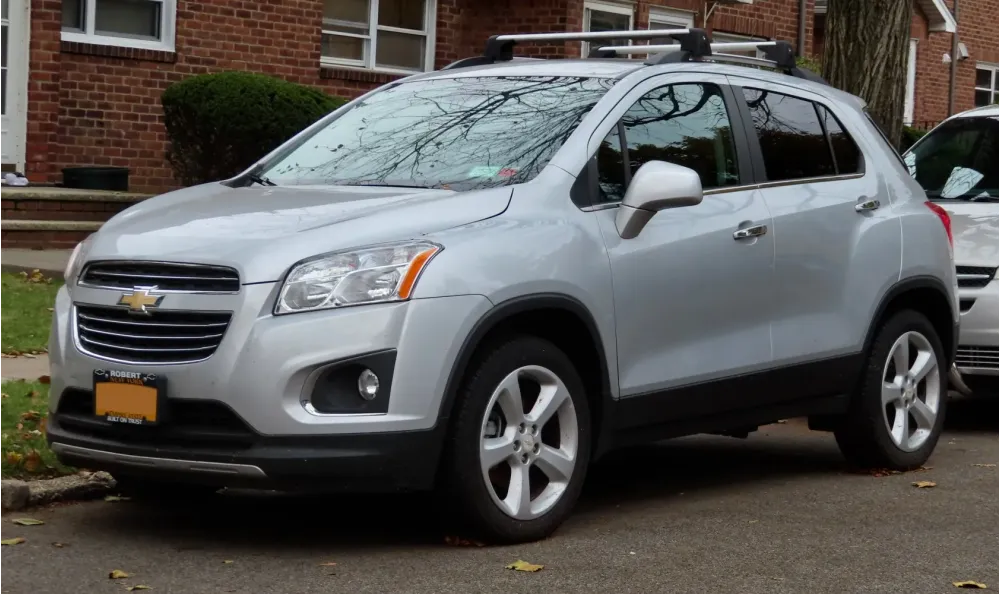
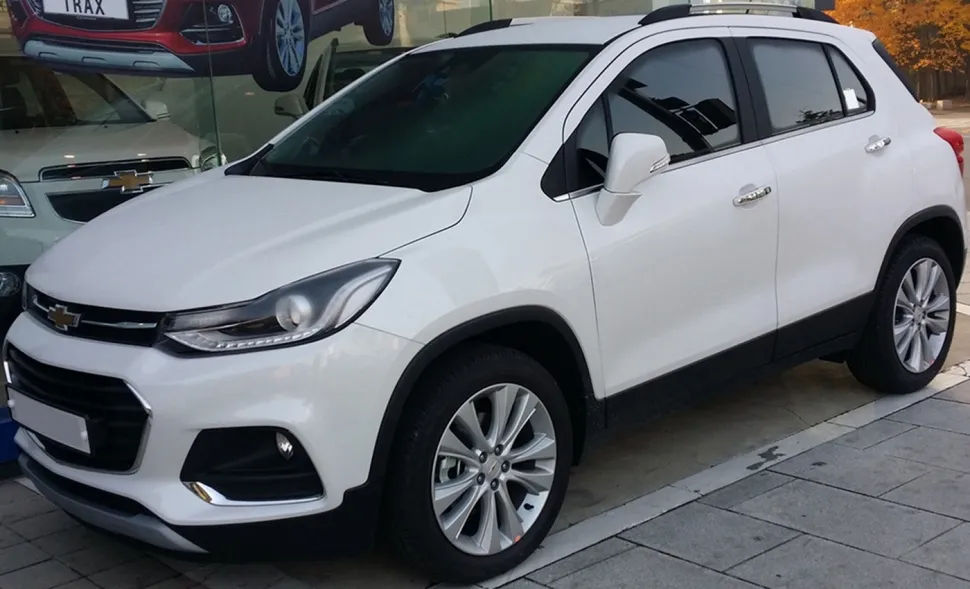
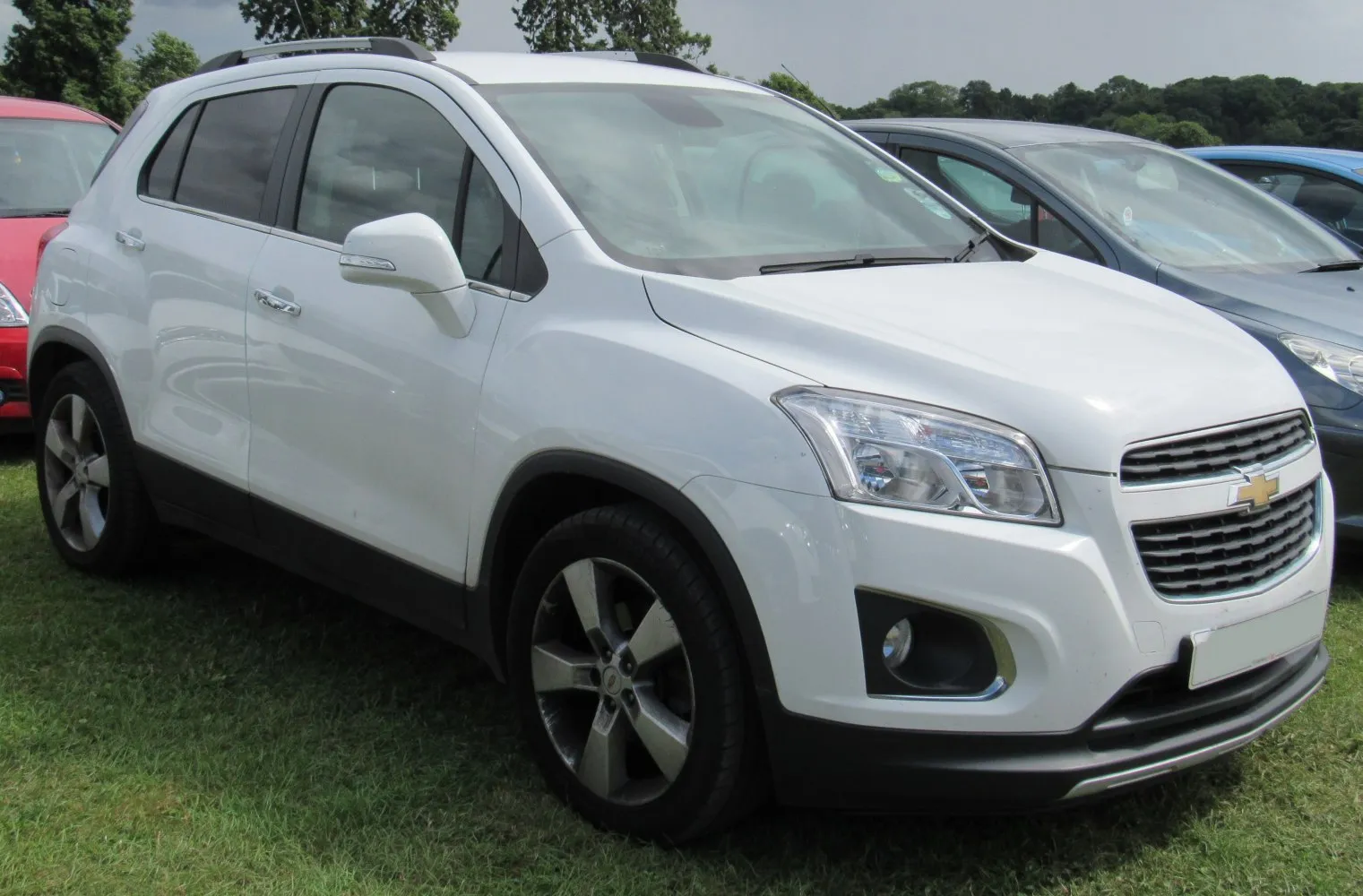
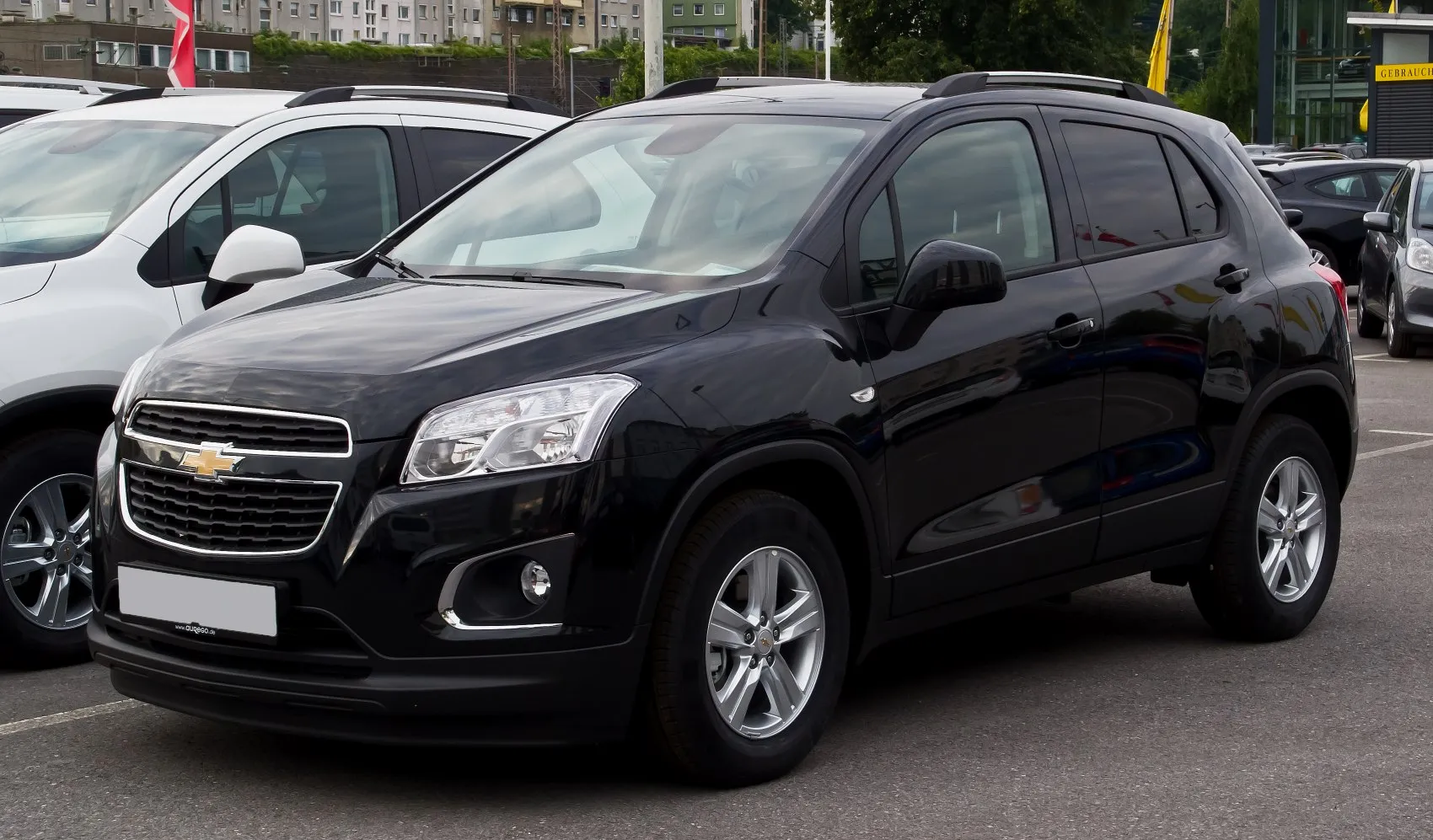
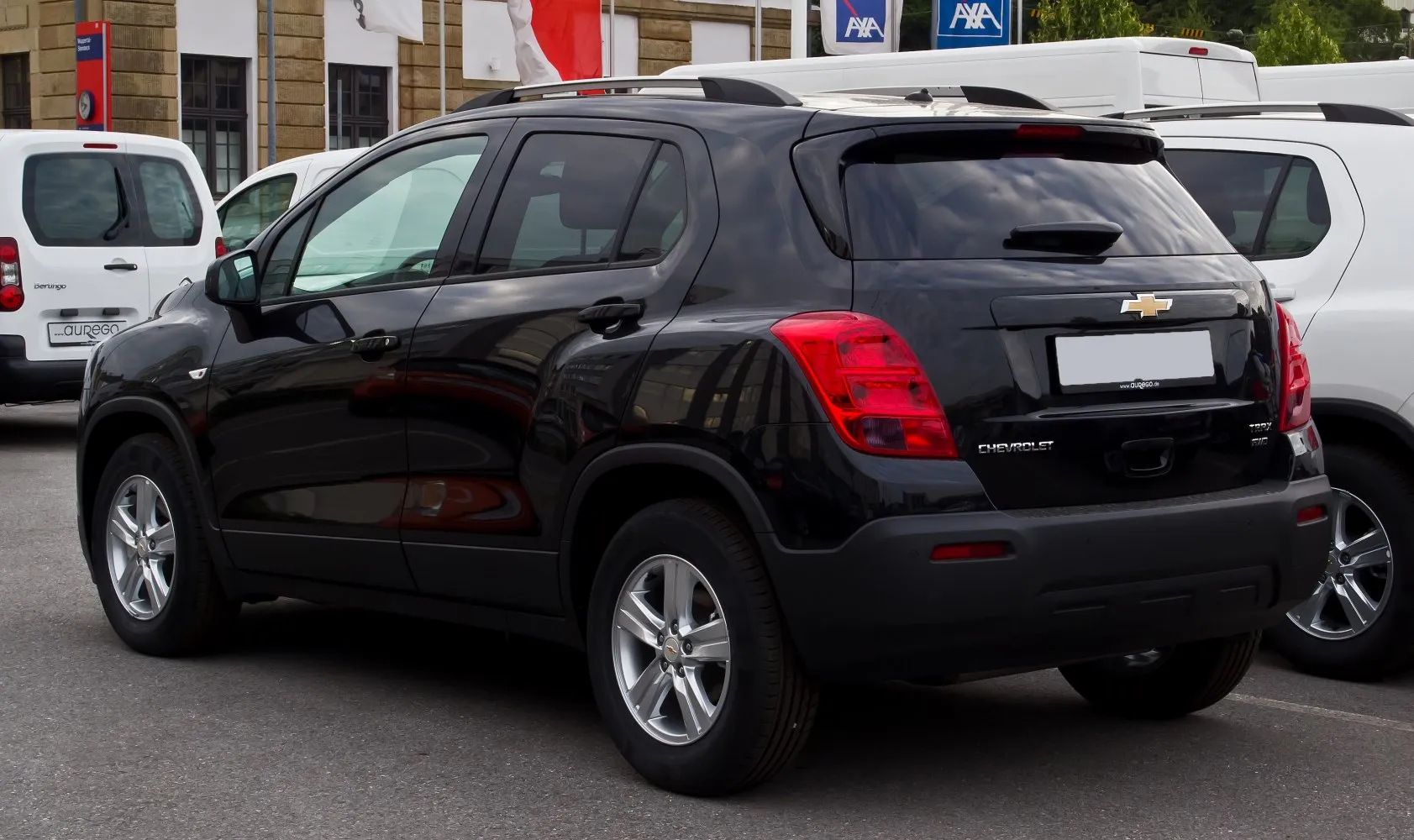
The Chevrolet Trax is a subcompact crossover SUV manufactured by General Motors and marketed under the Chevrolet brand since 2013, currently in its second generation.
The first generation model was released globally in 2013 as the smallest, entry-level crossover SUV offering from the brand. Development and production were centered in South Korea by GM Korea. A restyled model was also produced as the Buick Encore in North America and as the Opel/Vauxhall Mokka in Europe.
In several markets, the vehicle was marketed as the Chevrolet Tracker, and as the Holden Trax in Australia and New Zealand. The Trax became available in Canada, Mexico, Germany, South Korea, Lebanon, United Arab Emirates, and Europe for the 2013 model year and was released in the United States for the 2015 model year....(Read more on Wikipedia)
I Overview:
Chevrolet Trax (I). With 300 Nm of torque, it offers ample pulling power. It boasts low fuel consumption (~5.4 l/100km). With a weight of 1384 kg, it falls in the mid‑range. Front‑wheel drive delivers efficiency and easy handling. Acceleration is relatively slow (0–100 km/h in 9.6 s). The top speed reaches 186 km/h. A sport utility vehicle offering higher ground clearance and versatile cargo space. Seating for 5 makes it ideal for daily use.
Pros and Cons:
Pros:
- • Adequate and balanced power output (130 hp) for versatile driving.
- • Respectable acceleration of 9.6 sec, suitable for most driving situations.
- • Exceptional fuel efficiency: 4.5 L/100 km.
- • Standard trunk space (356 L) suitable for daily needs.
- • Turbocharged engine ensures better torque delivery at low RPMs.
Cons:
- • Meets EURO 5 emission standard; check for local urban restriction zones.
Specifications:
| General: |
| Brand: | Chevrolet |
|---|
| Model: | Trax |
|---|
| Generation: | I |
|---|
| Modification (Engine): | 1.7D (130 Hp) |
|---|
| Start of production: | 2013 |
|---|
| End of production: | 2017 |
|---|
| Powertrain Architecture: | Internal Combustion engine |
|---|
| Body type: | SUV |
|---|
| Seats: | 5 |
|---|
| Doors: | 5 |
|---|
| Engine: |
| Engine systems: | Particulate filter |
|---|
| Power: | 130 Hp @ 4000 rpm. |
|---|
| Power per litre: | 77.1 Hp/l |
|---|
| Torque: | 300 Nm @ 2000 rpm. |
|---|
| Engine Model/Code: | LUD |
|---|
| Engine displacement: | 1686 |
|---|
| Number of cylinders: | 4 |
|---|
| Engine configuration: | Inline |
|---|
| Number of valves per cylinder: | 4 |
|---|
| Fuel injection system: | Diesel Commonrail |
|---|
| Engine aspiration: | Turbocharger, Intercooler |
|---|
| Engine oil capacity: | 5.4 l |
|---|
| Coolant: | 7.1 l |
|---|
| Engine layout: | Front, Transverse |
|---|
| Cylinder Bore: | 79 mm mm |
|---|
| Piston Stroke: | 86 mm mm |
|---|
| Compression ratio: | 16.5:1 |
|---|
| Performance: |
| Fuel Type: | Diesel |
|---|
| Fuel consumption (economy) - urban: | 5.4 l/100 km |
|---|
| Fuel consumption (economy) - extra urban: | 4 l/100 km |
|---|
| Fuel consumption (economy) - combined: | 4.5 l/100 km |
|---|
| Emission standard: | Euro 5 |
|---|
| Acceleration 0 - 100 km/h: | 9.6 sec |
|---|
| Acceleration 0 - 62 mph: | 9.6 sec |
|---|
| Maximum speed: | 186 km/h |
|---|
| Weight-to-power ratio: | 10.6 kg/Hp, 93.9 Hp/tonne |
|---|
| Weight-to-torque ratio: | 4.6 kg/Nm, 216.8 Nm/tonne |
|---|
| Acceleration 0 - 60 mph: | 9.1 sec |
|---|
| Space: |
| Kerb Weight: | 1384 |
|---|
| Max. weight: | 1888 |
|---|
| Max load: | 504 |
|---|
| Trunk (boot) space - minimum: | 356 l |
|---|
| Fuel tank capacity: | 52 l |
|---|
| Size: |
| Length: | 4248 mm mm |
|---|
| Width: | 1776 mm mm |
|---|
| Height: | 1674 mm mm |
|---|
| Wheelbase: | 2555 mm mm |
|---|
| Front track: | 1540 mm |
|---|
| Rear (Back) track: | 1540 mm |
|---|
| Minimum turning circle (turning diameter): | 10.9 m |
|---|
| Powertrain: |
| Drivetrain Architecture | The Internal combustion engine (ICE) drives the front wheels of the vehicle. |
|---|
| Drive wheel | Front wheel drive |
|---|
| Number of gears | 6 |
|---|
| Transmission type | Manual |
|---|
| Front brakes | Disc |
|---|
| Assisting systems | ABS (Anti-lock braking system) |
|---|
| Steering type | Steering rack and pinion |
|---|
| Power steering | Electric Steering |
|---|
| Front suspension | Independent type McPherson |
|---|
| Rear suspension | Torsion |
|---|













What’s the best feature of the Chevrolet Trax? Tell us in the comments!