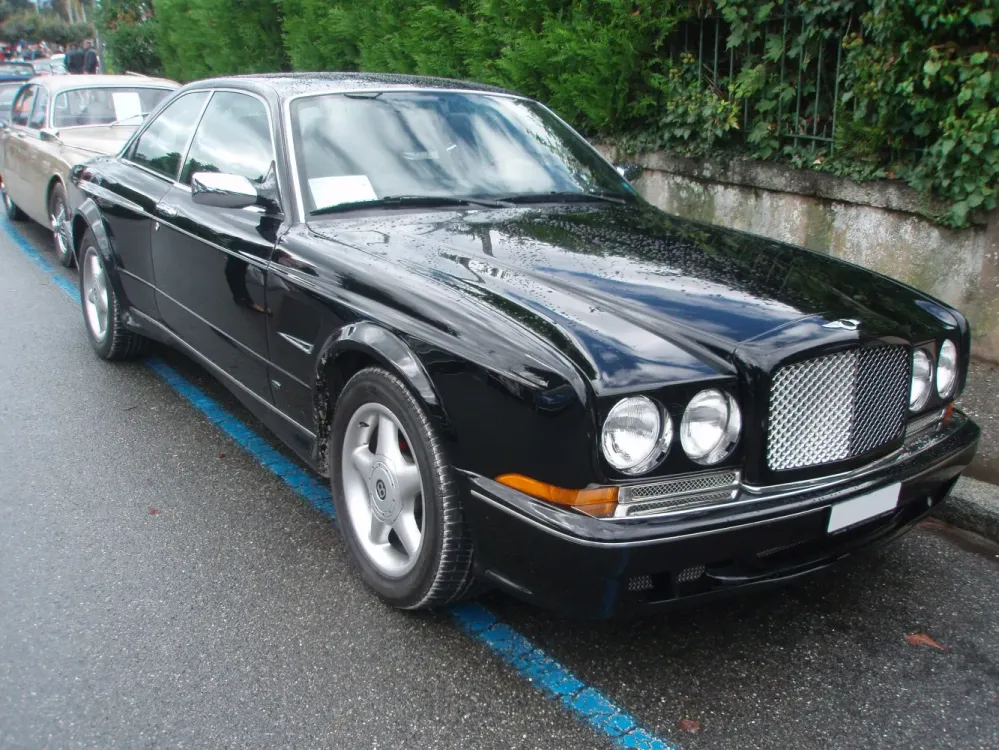
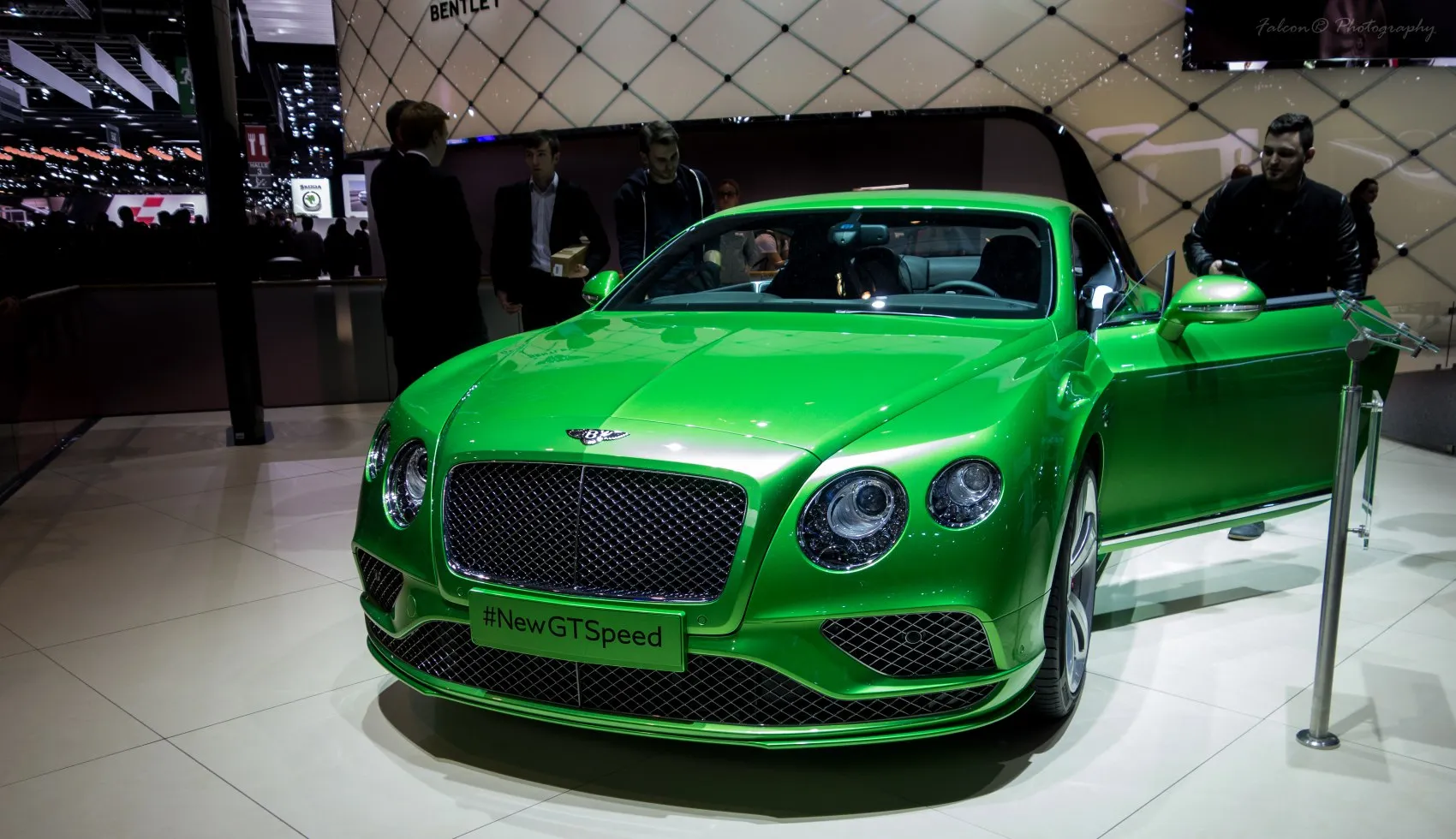
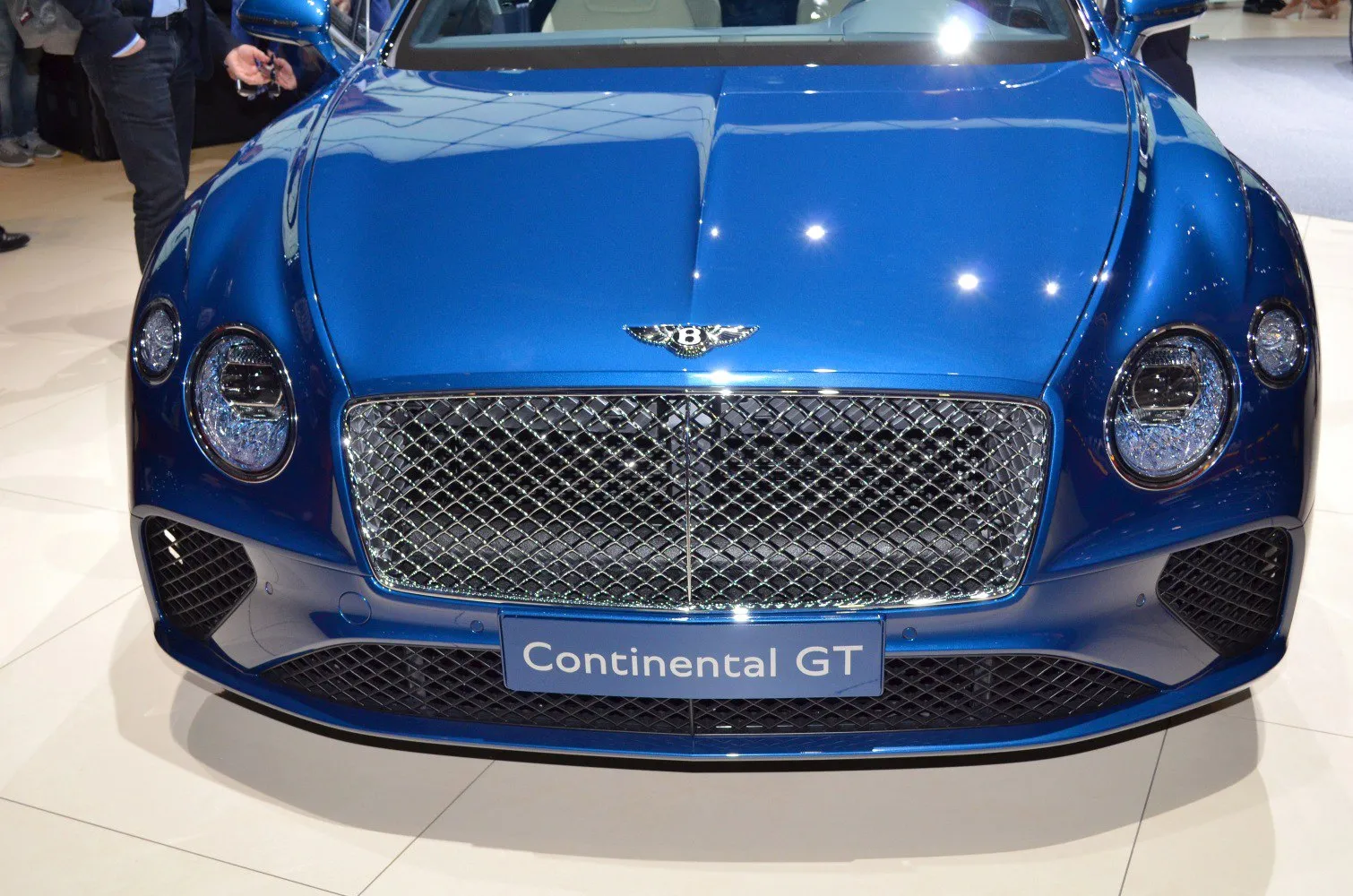
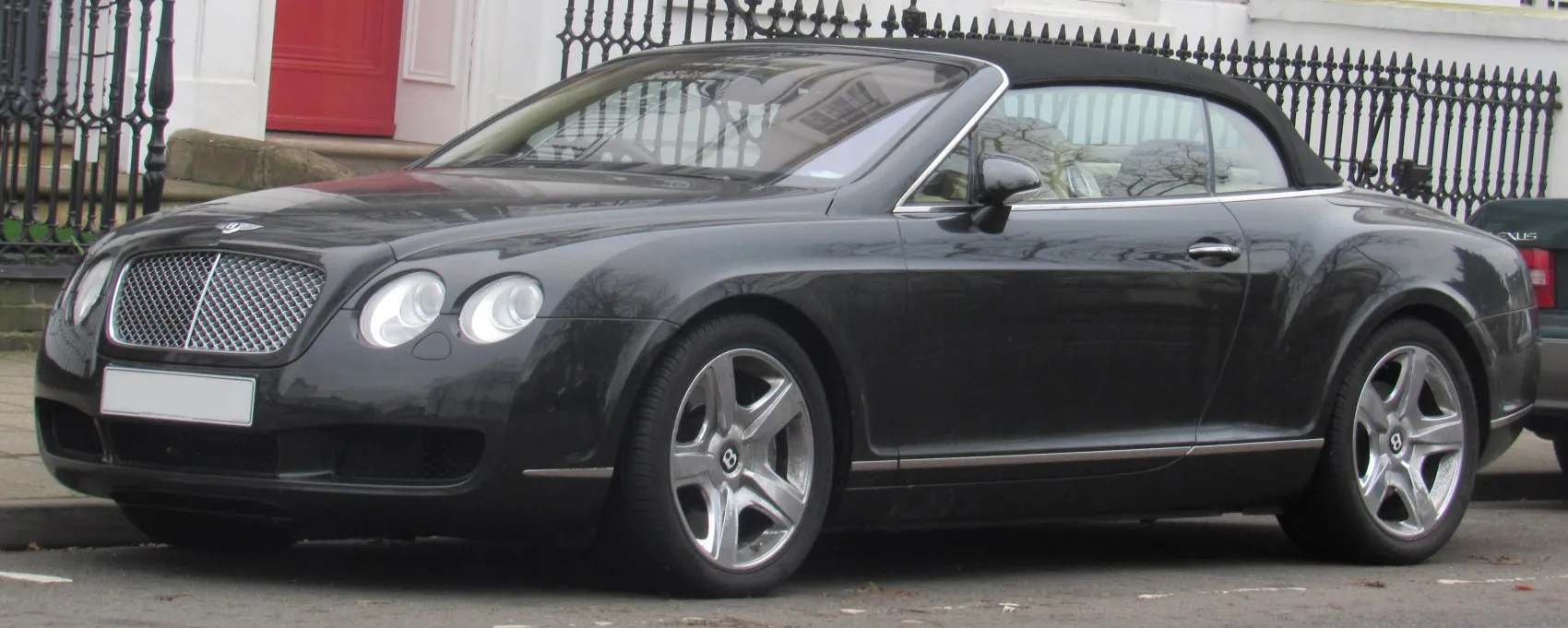
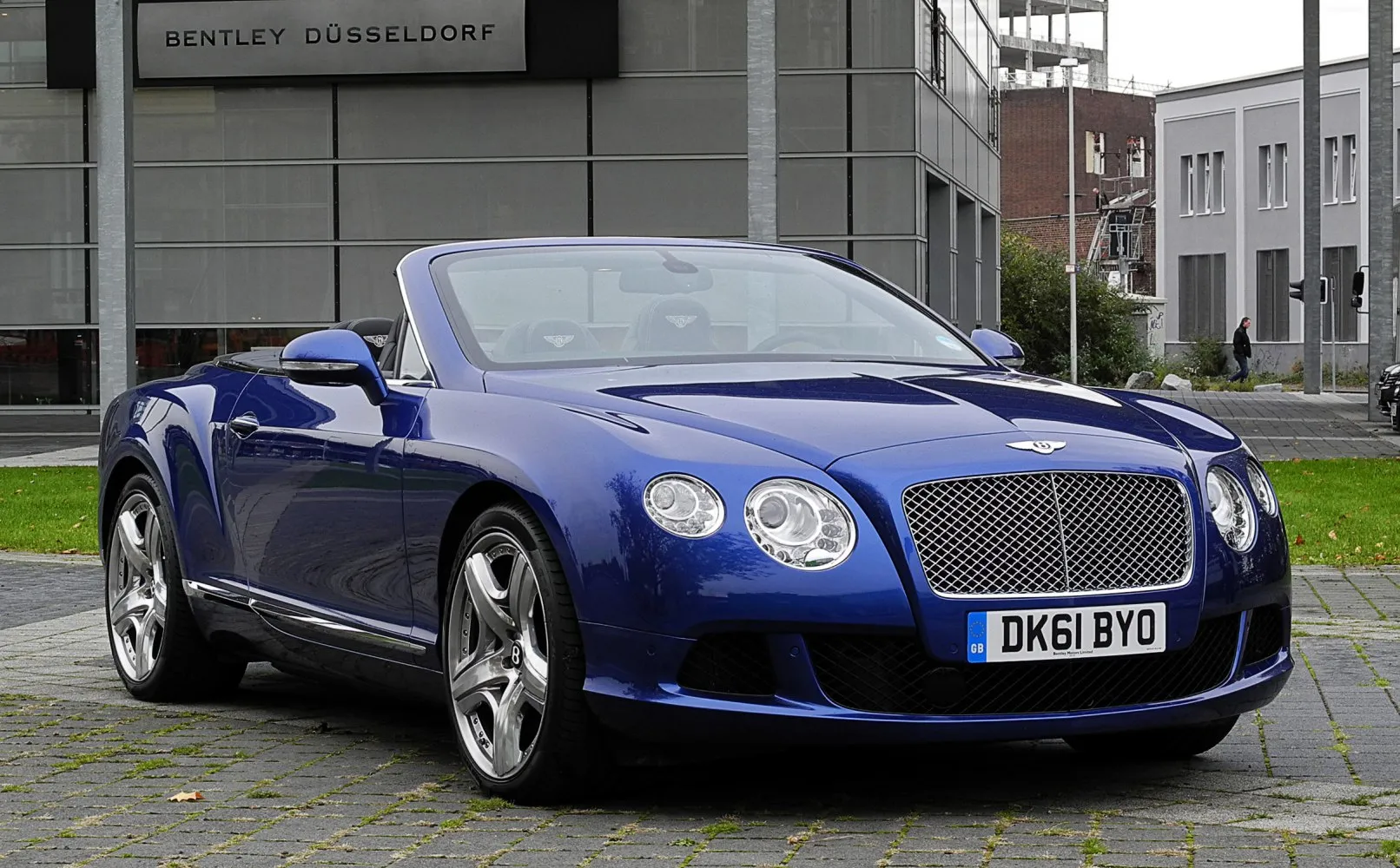
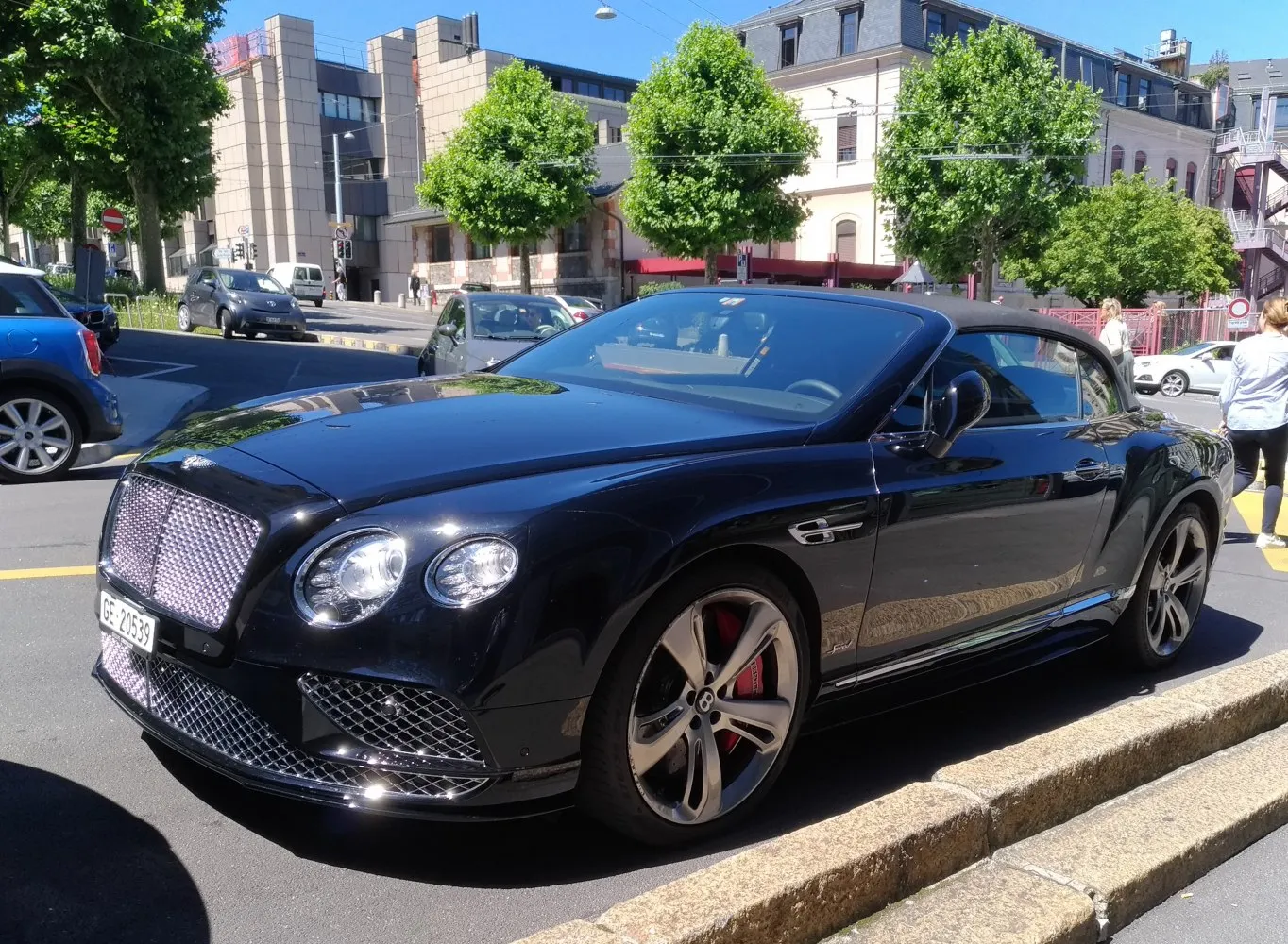
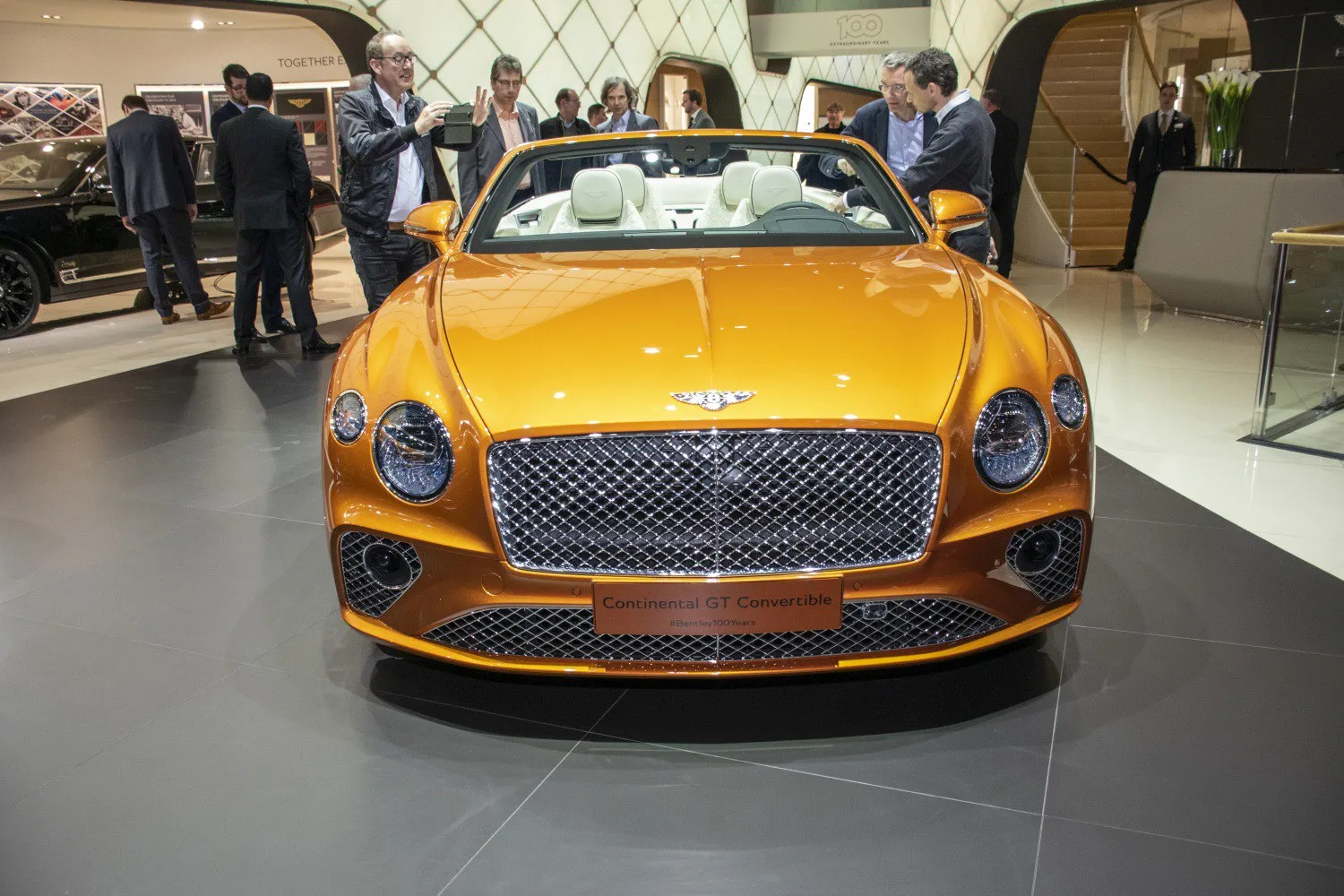
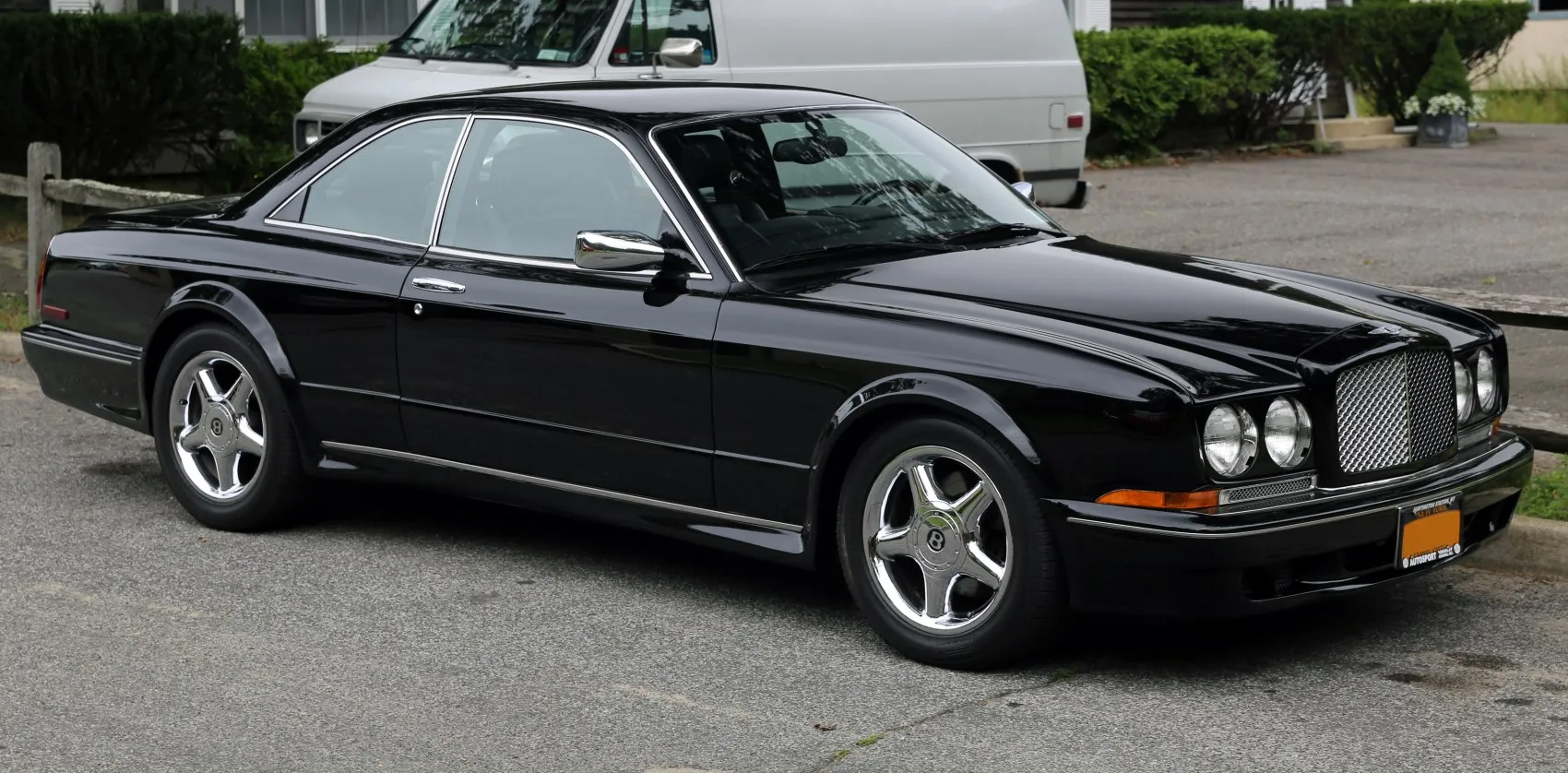
Click on image to view the full photo gallery
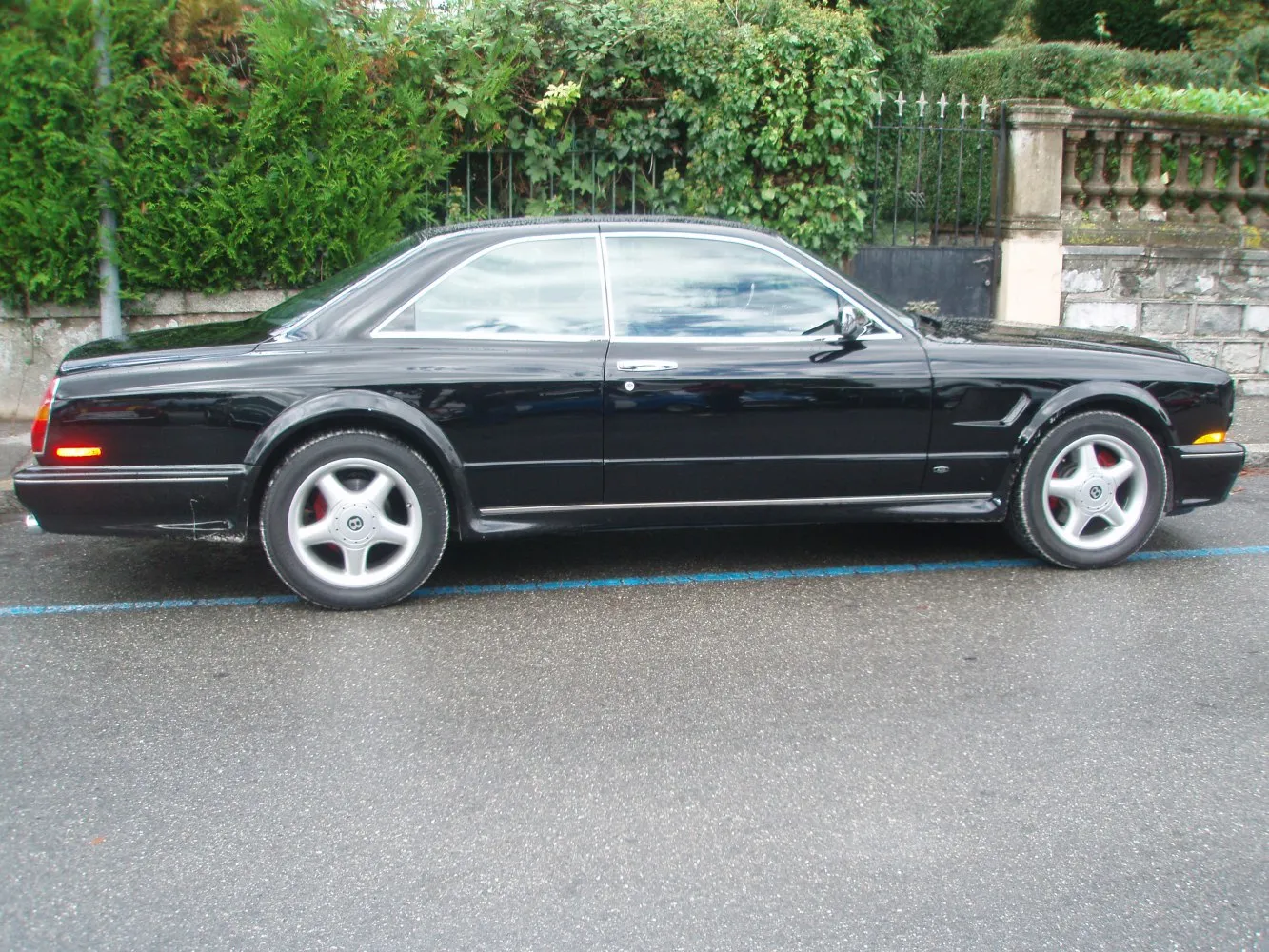
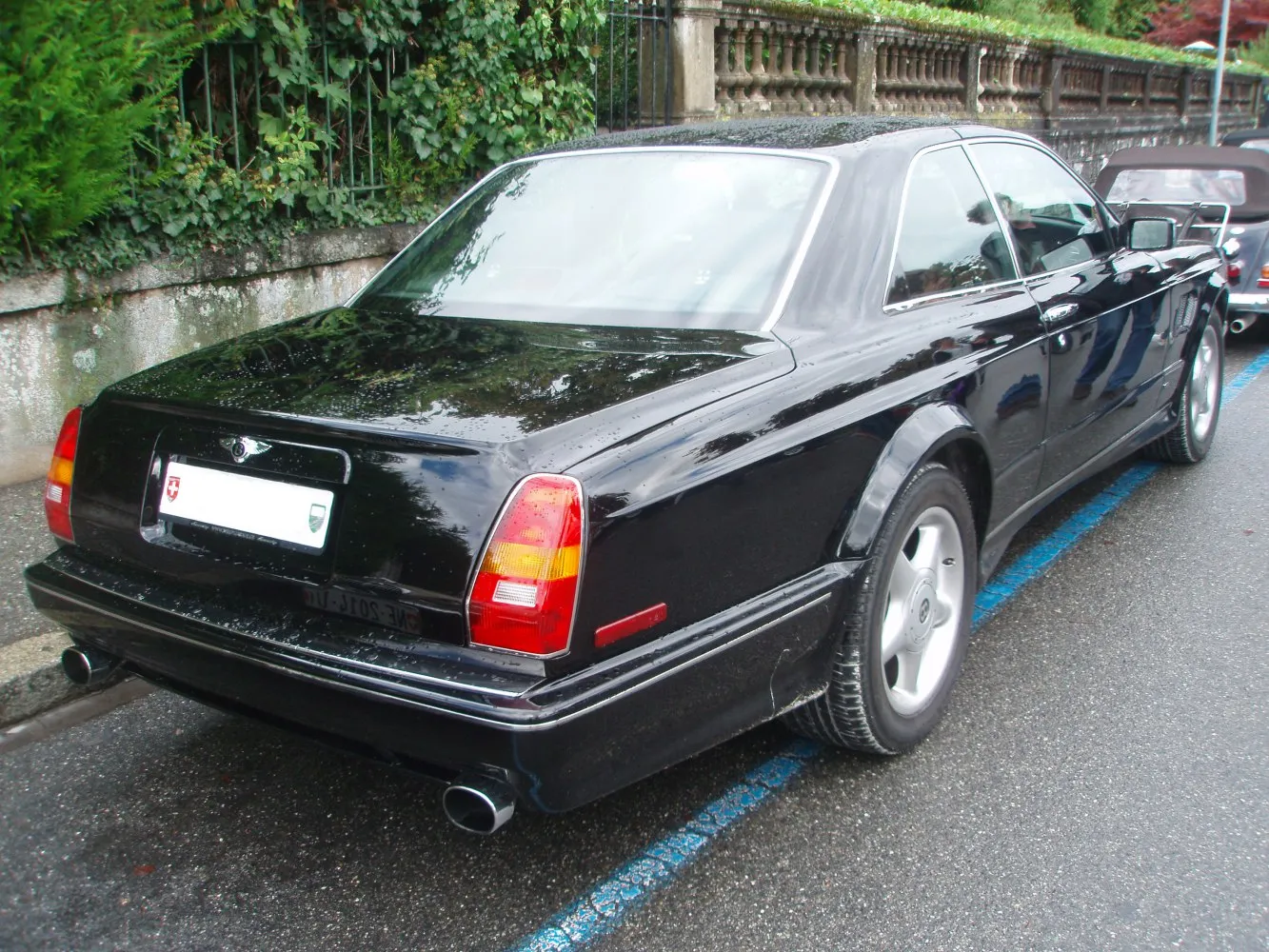
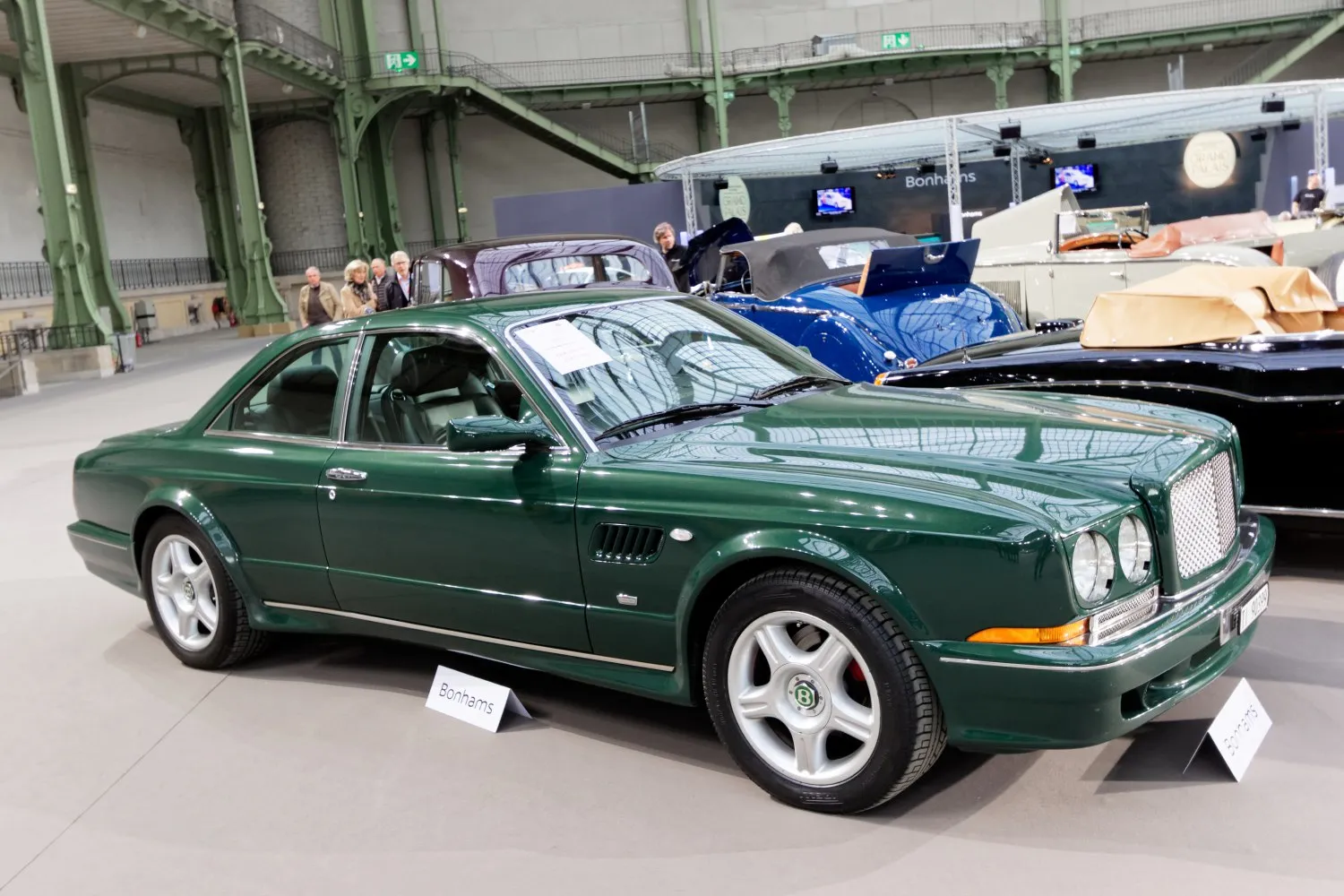
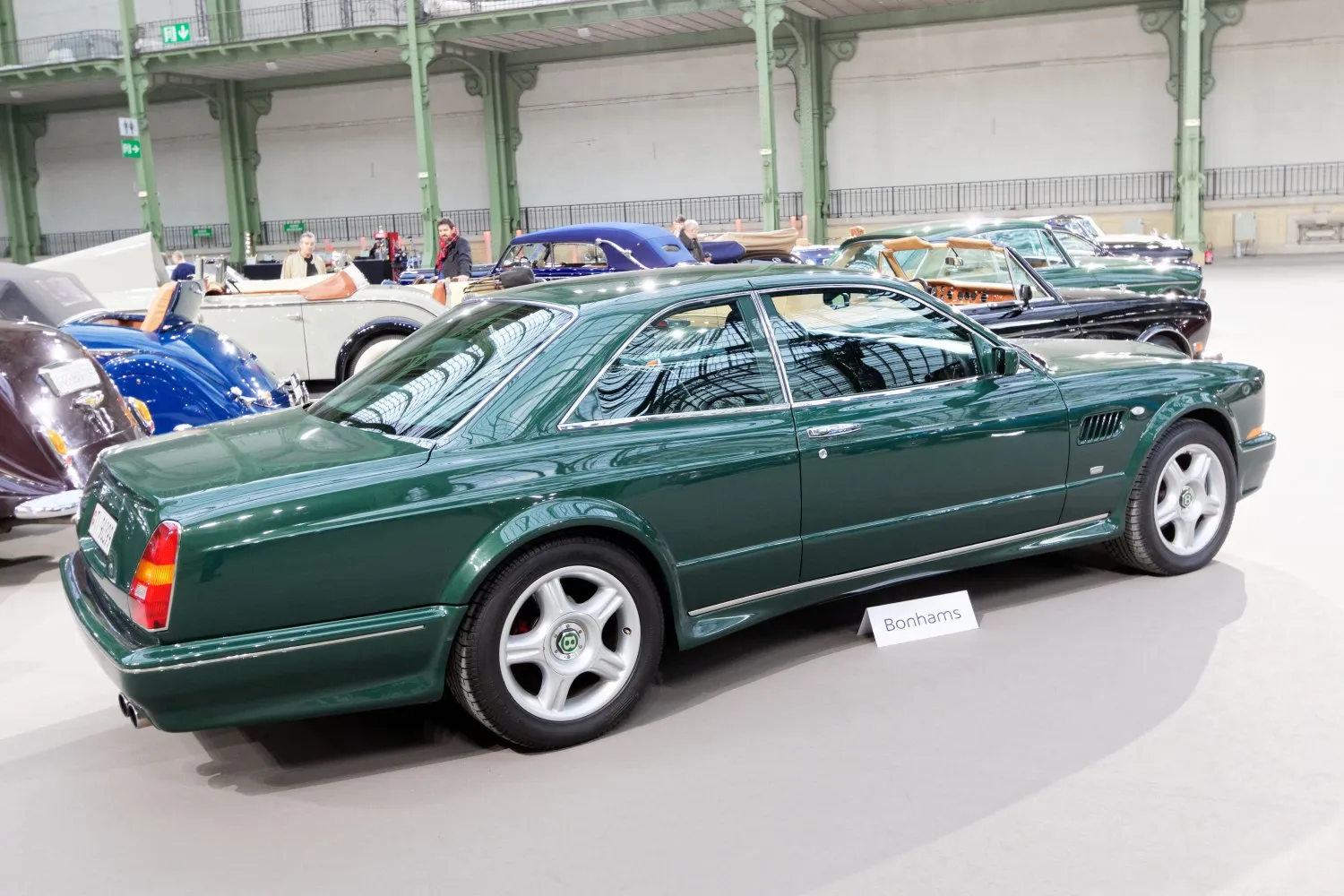
Bentley Continental R 6.7 i V8 (408 Hp)
Overall Rating
Bentley Continental:
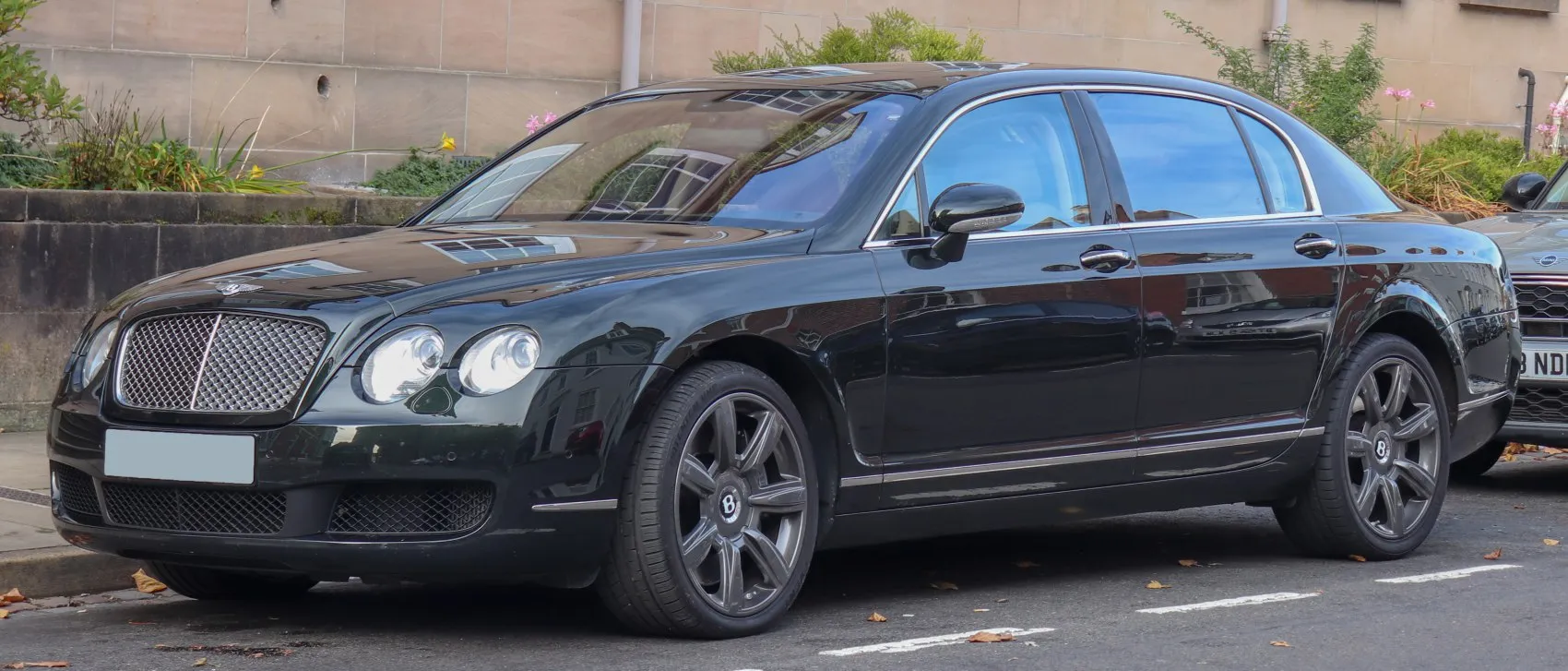
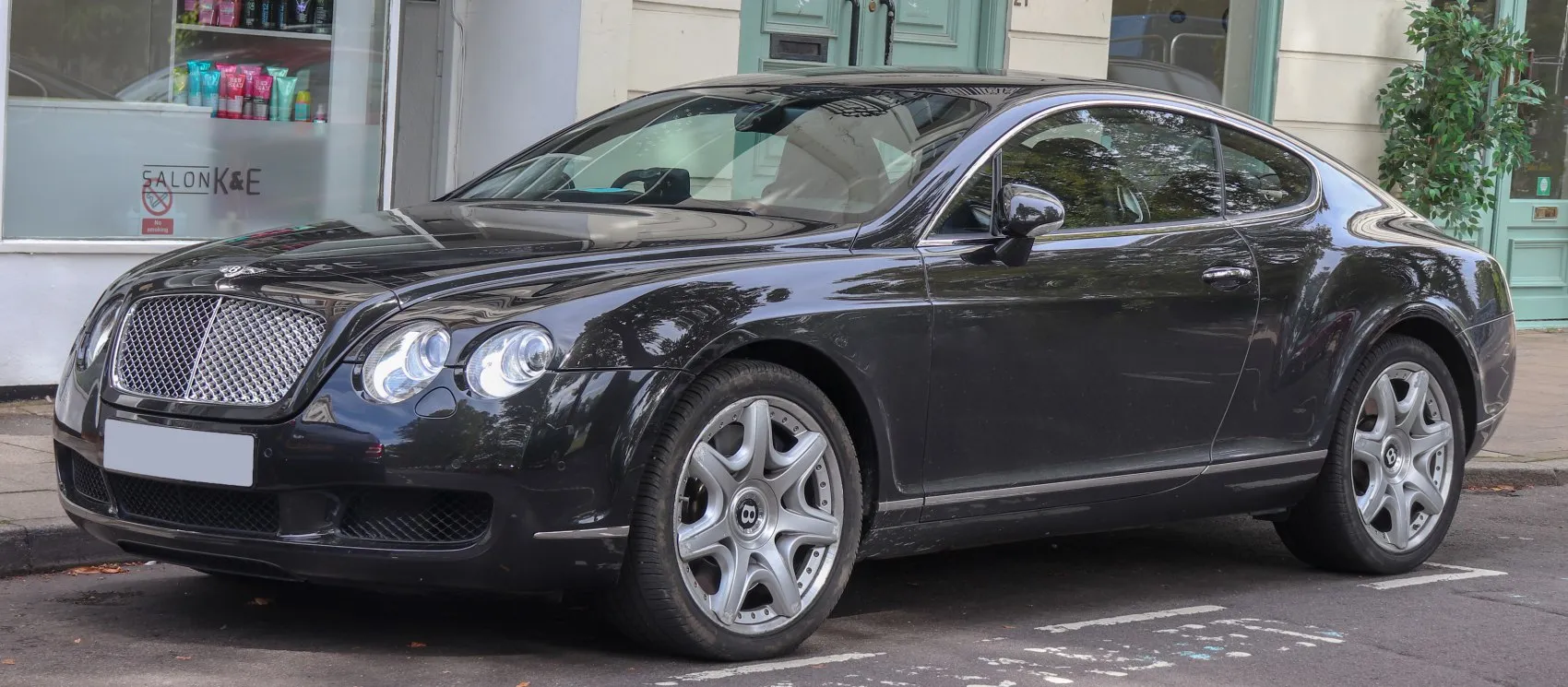
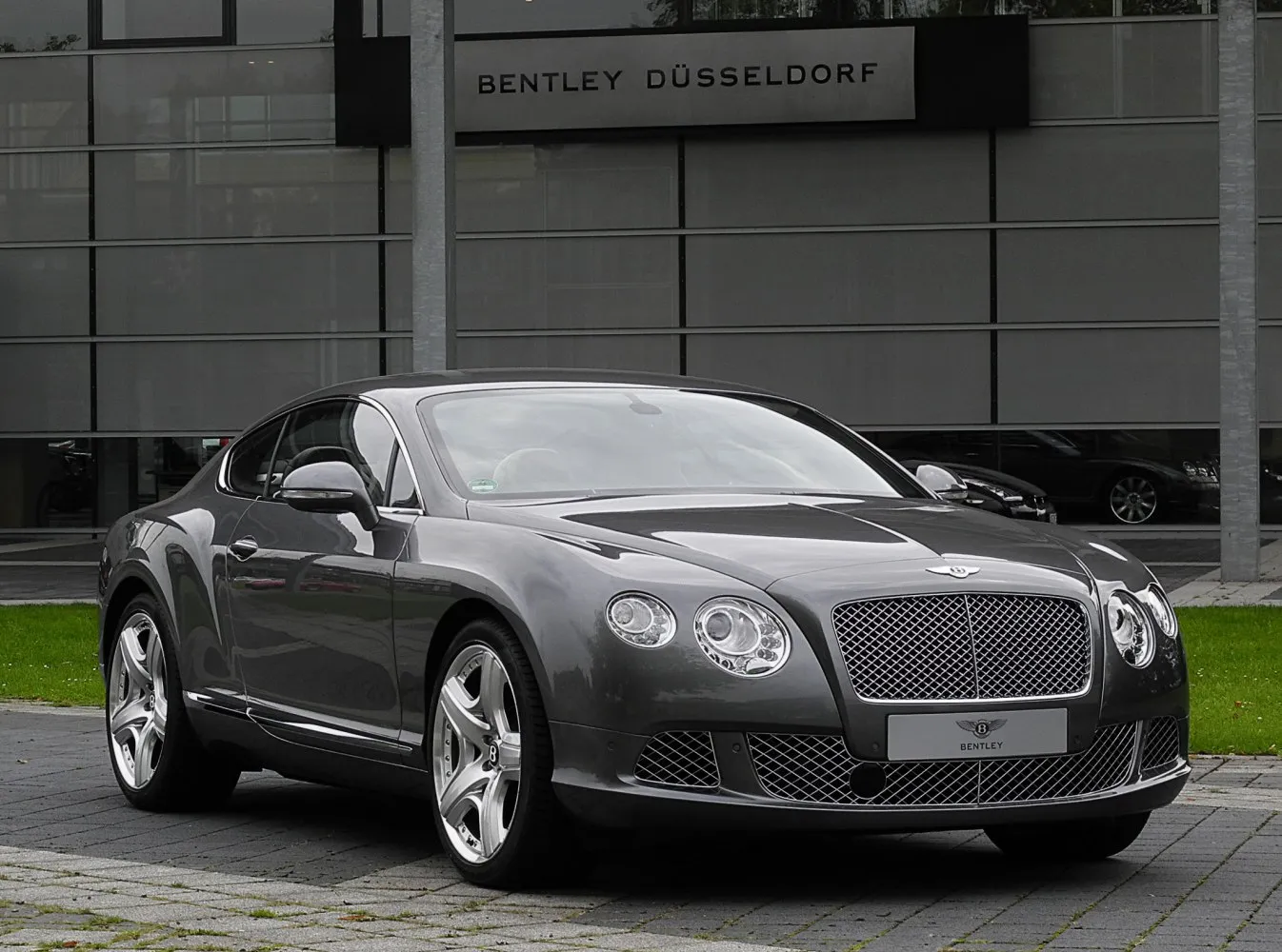
The Bentley Continental GT is a grand touring car manufactured and marketed by the British company Bentley Motors since 2003. The Continental GT is offered as a two-door coupé or convertible, with four seats. It was the first new Bentley released after the company's acquisition by Volkswagen AG in 1998, and the first Bentley to employ mass production manufacturing techniques. It was later joined by the Bentley Continental Flying Spur, a four-door saloon car variant.
In 1994, Rolls-Royce Motors who at that time owned the Bentley brand, previewed a convertible concept car at the Geneva Motor Show – the Concept Java. The car was designed to be a smaller, more affordable Bentley, yet still exclusive in order to maintain the integrity of the brand. It was to appeal to a new range of potential buyers and generate increase sales volume for Rolls-Royce. At the time the current Bentley Continental R was an ultra-exclusive £180,000 in the UK, within reach of a very select market, selling only 200–300 units a year. The Concept Java never went into production in the form seen in 1994, although 13 cars were made for the Sultan of Brunei. However, the Bentley Continental GT realised the concept of the Java as a more affordable Bentley, manufactured in much larger volumes....(Read more on Wikipedia)
R Overview:
Bentley Continental (R). With 800 Nm of torque, it offers ample pulling power. At around 2610 kg, it’s on the heavier side. Rear‑wheel drive offers dynamic handling and sporty feedback. Acceleration is good (0–100 km/h in 6.4 s). The top speed reaches 249 km/h. A two-door car with a fixed roof, known for its sporty design and dynamic performance. Seating for 4 makes it ideal for daily use.
The Bentley Continental R was not tested by Euro NCAP. As a low-volume, high-luxury vehicle from its era, it focused on robust construction and traditional safety features rather than modern crash test ratings.
6.7 i V8 (408 Hp) Verdict:

Performance Verdict
This variant provides formidable power and smooth, refined acceleration, offering a luxurious yet potent driving experience perfectly suited for long-distance travel.
Fuel Economy
Typical for a large turbocharged V8 of its era, fuel efficiency is low, reflecting its design focus on power and luxury rather than economy.
Pros and Cons:
Pros:
- • Exceptional hand-built quality and craftsmanship
- • Powerful and torquey V8 engines for effortless performance
- • Supreme ride comfort and luxurious interior appointments
- • Timeless, elegant design with significant road presence
- • Exclusivity and prestige of the Bentley brand
- • Excellent grand touring capabilities
Cons:
- • Very high running costs, including fuel and maintenance
- • Large dimensions can make it challenging in urban environments
- • Dated technology compared to modern vehicles
- • Significant depreciation from new value
- • Limited practicality due to its coupe body style
Specifications:
Specifications are compared to those of the previous generation(R: 1991 - 1994).
| General: | |
|---|---|
| Brand: | Bentley |
| Model: | Continental |
| Generation: | R |
| Modification (Engine): | 6.7 i V8 (408 Hp) |
| Start of production: | 1994 |
| End of production: | 2007 |
| Powertrain Architecture: | Internal Combustion engine |
| Body type: | Coupe |
| Seats: | 4 |
| Doors: | 2 |
| Engine: | |
|---|---|
| Power: | 408 Hp @ 4150 rpm. |
| Power per litre: | 60.4 Hp/l |
| Torque: | 800 Nm @ 2150 rpm. |
| Engine displacement: | 6750 |
| Number of cylinders: | 8 |
| Engine configuration: | V-engine |
| Number of valves per cylinder: | 2 |
| Fuel injection system: | Multi-port manifold injection |
| Engine aspiration: | Turbocharger |
| Engine oil capacity: | 9.4 l |
| Coolant: | 20 l |
| Engine layout: | Front, Longitudinal |
| Cylinder Bore: | 104.14 mm mm |
| Piston Stroke: | 99.06 mm mm |
| Compression ratio: | 8:1 |
| Performance: | |
|---|---|
| Fuel Type: | Petrol (Gasoline) |
| Fuel consumption (economy) - urban: | 28.1 l/100 km |
| Fuel consumption (economy) - extra urban: | 13.1 l/100 km |
| Acceleration 0 - 100 km/h: | 6.4 sec |
| Acceleration 0 - 62 mph: | 6.4 sec |
| Maximum speed: | 249 km/h |
| Weight-to-power ratio: | 6.4 kg/Hp, 156.3 Hp/tonne |
| Weight-to-torque ratio: | 3.3 kg/Nm, 306.5 Nm/tonne |
| Acceleration 0 - 60 mph: | 6.1 sec |
| Space: | |
|---|---|
| Kerb Weight: | 2610 |
| Max. weight: | 2980 |
| Max load: | 370 |
| Trunk (boot) space - minimum: | 347 l |
| Fuel tank capacity: | 108 l |
| Size: | |
|---|---|
| Length: | 5240 mm mm [102mm less] |
| Width: | 1920 mm mm [48mm more] |
| Height: | 1450 mm mm [12mm less] |
| Wheelbase: | 2960 mm mm [101mm less] |
| Front track: | 1550 mm |
| Rear (Back) track: | 1580 mm |
| Powertrain: | |
|---|---|
| Drivetrain Architecture | The Internal combustion engine (ICE) drives the rear wheels of the vehicle. |
| Drive wheel | Rear wheel drive |
| Number of gears | 4 |
| Transmission type | Automatic |
| Front brakes | Ventilated discs [Best for performance and cooling.] |
| Rear brakes | Disc |
| Assisting systems | ABS (Anti-lock braking system) |
| Steering type | Steering rack and pinion |
| Power steering | Hydraulic Steering |
| Tires size | 285/45 R18 |
| Front suspension | Double wishbone |
| Rear suspension | Coil spring |








Help others decide – share your experience!