Aston Martin Lagonda II 5.3 (310 Hp)
People\'s Opinion
N/A / 5
Aston Martin Lagonda:
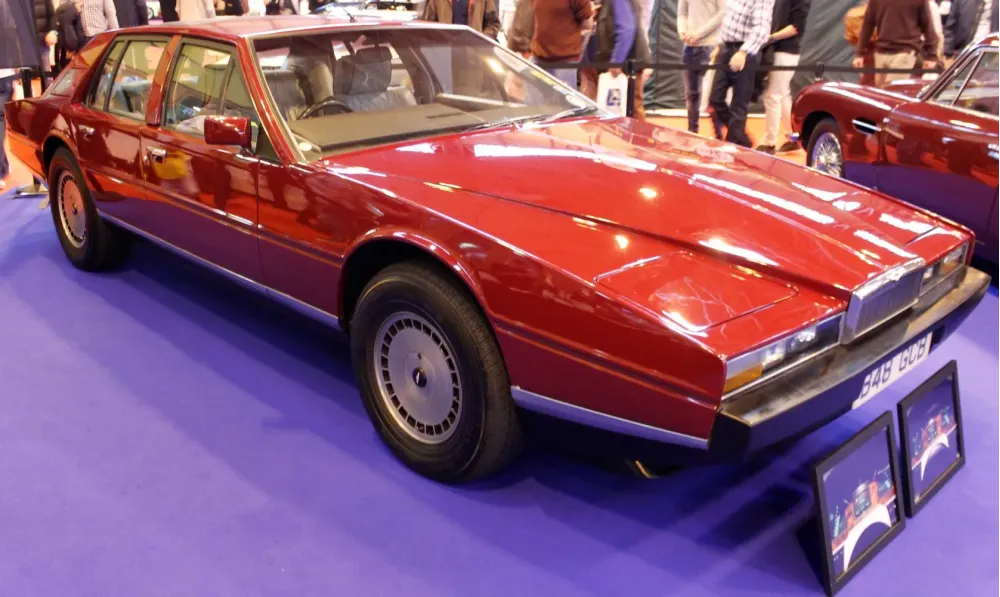
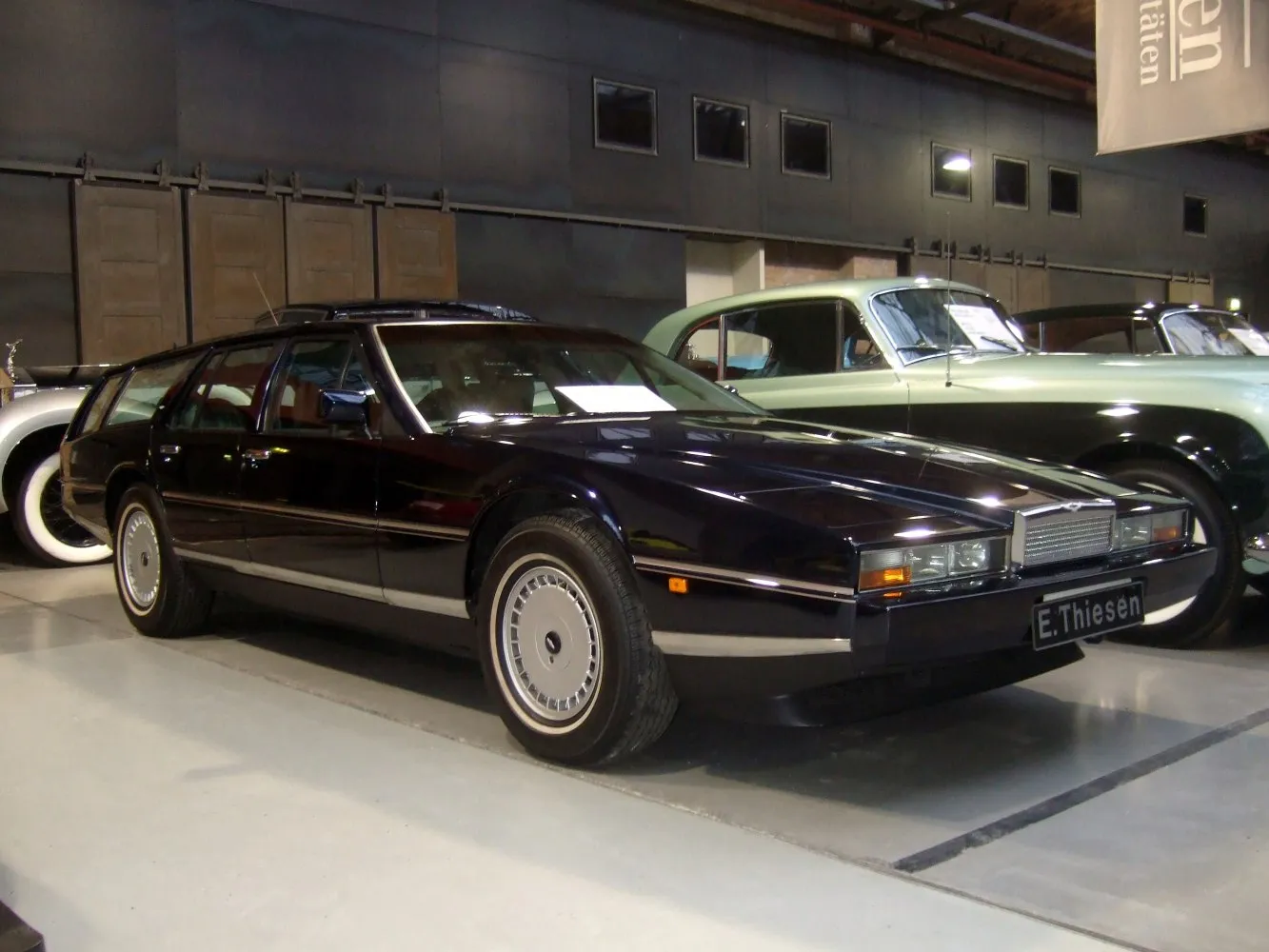
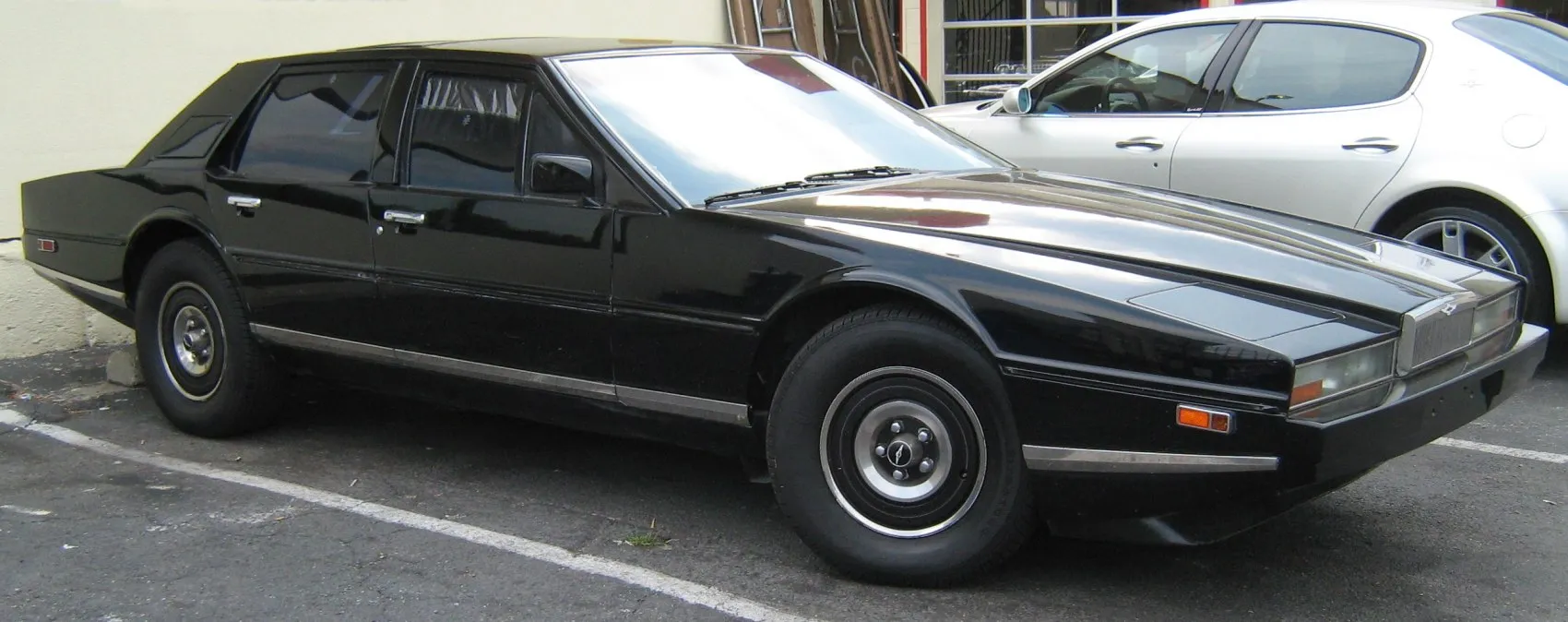
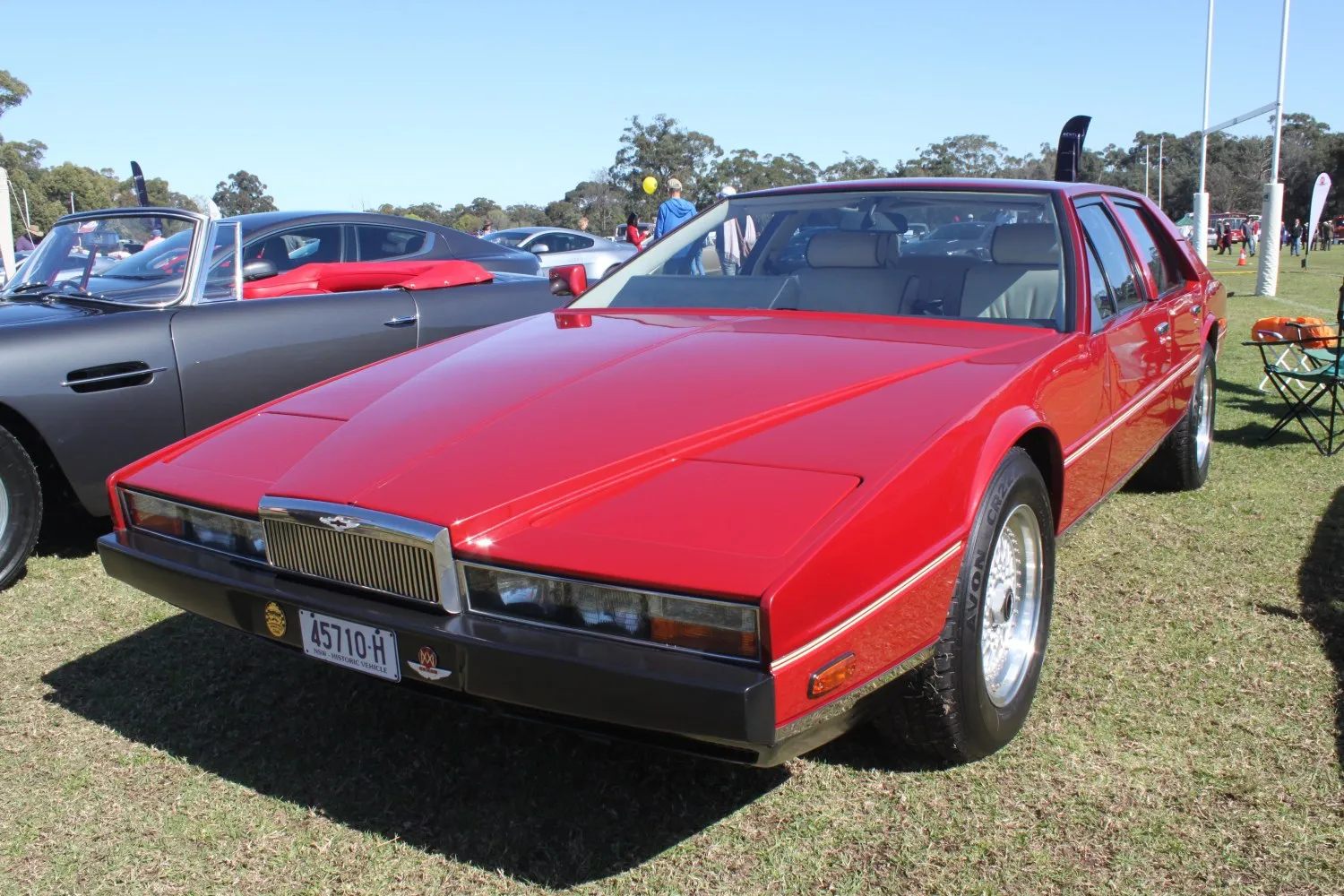
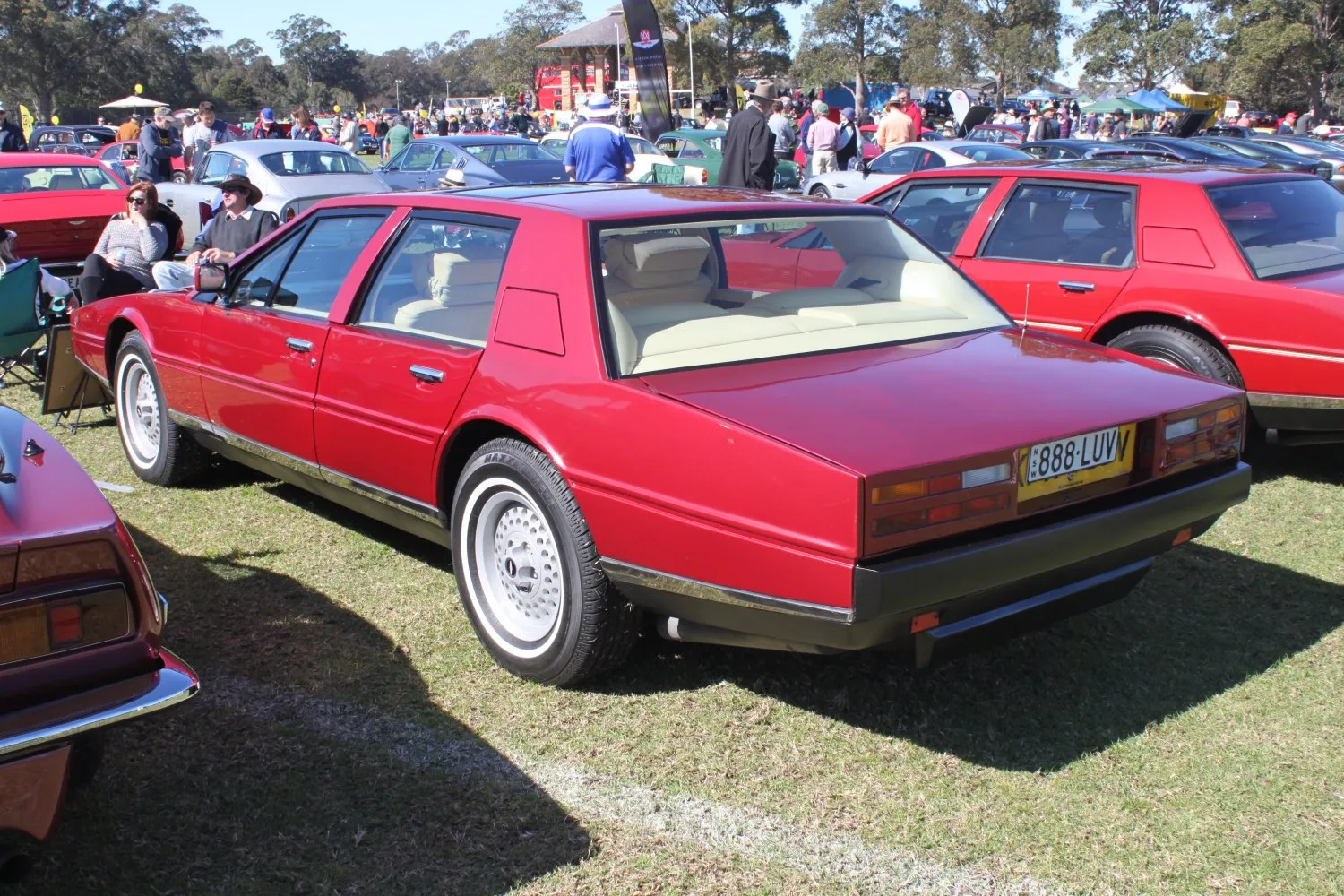
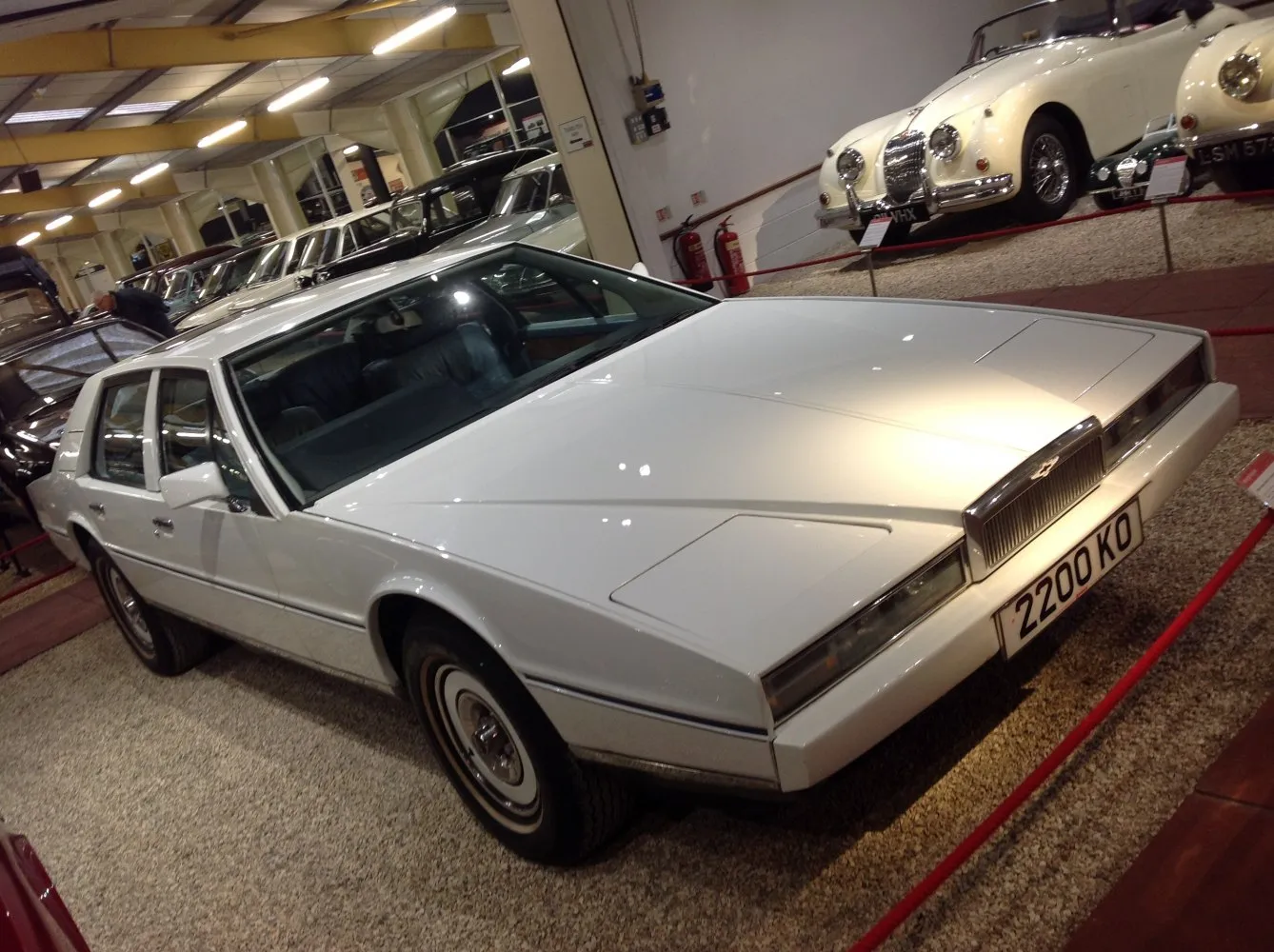
The Aston Martin Lagonda is a full-size luxury four-door saloon manufactured by British manufacturer Aston Martin between 1974 and 1990. A total of 645 were produced. The name was derived from the Lagonda marque that Aston Martin had purchased in 1947. There are two distinct generations: the original, short-lived 1974 design based on a lengthened Aston Martin V8, and the entirely redesigned, wedge-shaped Series 2 model introduced in 1976.
In 2014, Aston Martin confirmed it would launch a new Lagonda model called the Taraf for the Middle-East market, sold on an invitation-only basis as a successor to this saloon. As of 2022, 113 remain registered in the United Kingdom, though 82 are SORN....(Read more on Wikipedia)
II Overview:
Aston Martin Lagonda (II). With 434 Nm of torque, it offers ample pulling power. At around 2095 kg, it’s on the heavier side. Rear‑wheel drive offers dynamic handling and sporty feedback. Acceleration is good (0–100 km/h in 8.8 s). The top speed reaches 230 km/h. A four-door car with a separate trunk, ideal for families and daily commuting. Seating for 5 makes it ideal for daily use.
Performance Verdict
The 5.3L V8 engine delivers impressive performance for its time, offering strong acceleration (0-100 km/h in 8.8 seconds) and a high top speed suitable for effortless grand touring. Its 310 Hp provides a commanding presence on the road.
Fuel Economy
Fuel economy is a significant drawback, with very high consumption figures (25 l/100 km urban, 18 l/100 km extra-urban) typical of large V8 engines from this era. Owners should expect frequent fuel stops and substantial running costs.
Best Use Case:
Highway cruising and occasional spirited driving, where its power can be enjoyed without constant concern for fuel efficiency.
Pros and Cons:
Pros:
- • Striking and unique wedge-shaped design
- • Potent 5.3L V8 engine with strong performance for its era
- • Luxurious and spacious interior with advanced (for its time) digital instrumentation
- • Exclusive and rare, a true collector's item
- • Excellent highway cruising capabilities
Cons:
- • Extremely poor fuel economy
- • Notorious for complex and unreliable electronics (especially early models)
- • Very high maintenance and repair costs due to rarity and specialized components
- • Challenging to find parts and skilled technicians
- • Safety features are rudimentary by modern standards
Specifications:
| General: |
| Brand: | Aston Martin |
|---|
| Model: | Lagonda |
|---|
| Generation: | II |
|---|
| Modification (Engine): | 5.3 (310 Hp) |
|---|
| Start of production: | 1976 |
|---|
| End of production: | 1989 |
|---|
| Powertrain Architecture: | Internal Combustion engine |
|---|
| Body type: | Sedan |
|---|
| Seats: | 5 |
|---|
| Doors: | 4 |
|---|
| Engine: |
| Power: | 310 Hp @ 5000 rpm. |
|---|
| Power per litre: | 58.1 Hp/l |
|---|
| Torque: | 434 Nm @ 4000 rpm. |
|---|
| Engine displacement: | 5340 |
|---|
| Number of cylinders: | 8 |
|---|
| Engine configuration: | V-engine |
|---|
| Number of valves per cylinder: | 2 |
|---|
| Engine aspiration: | Naturally aspirated engine |
|---|
| Engine oil capacity: | 11.3 l |
|---|
| Coolant: | 18.1 l |
|---|
| Engine layout: | Front, Longitudinal |
|---|
| Cylinder Bore: | 100 mm mm |
|---|
| Compression ratio: | 9.3:1 |
|---|
| Performance: |
| Fuel Type: | Petrol (Gasoline) |
|---|
| Fuel consumption (economy) - urban: | 25 l/100 km |
|---|
| Fuel consumption (economy) - extra urban: | 18 l/100 km |
|---|
| Acceleration 0 - 100 km/h: | 8.8 sec |
|---|
| Acceleration 0 - 62 mph: | 8.8 sec |
|---|
| Maximum speed: | 230 km/h |
|---|
| Weight-to-power ratio: | 6.8 kg/Hp, 148 Hp/tonne |
|---|
| Weight-to-torque ratio: | 4.8 kg/Nm, 207.2 Nm/tonne |
|---|
| Acceleration 0 - 60 mph: | 8.8 sec |
|---|
| Space: |
| Kerb Weight: | 2095 |
|---|
| Trunk (boot) space - minimum: | 370 l |
|---|
| Fuel tank capacity: | 128 l |
|---|
| Size: |
| Length: | 5285 mm mm |
|---|
| Width: | 1790 mm mm |
|---|
| Height: | 1300 mm mm |
|---|
| Minimum turning circle (turning diameter): | 11.6 m |
|---|
| Powertrain: |
| Drivetrain Architecture | The Internal combustion engine (ICE) drives the rear wheels of the vehicle. |
|---|
| Drive wheel | Rear wheel drive |
|---|
| Tires size | 255/60 VR16 |
|---|







Does the Aston Martin Lagonda live up to the hype? Give us your verdict!