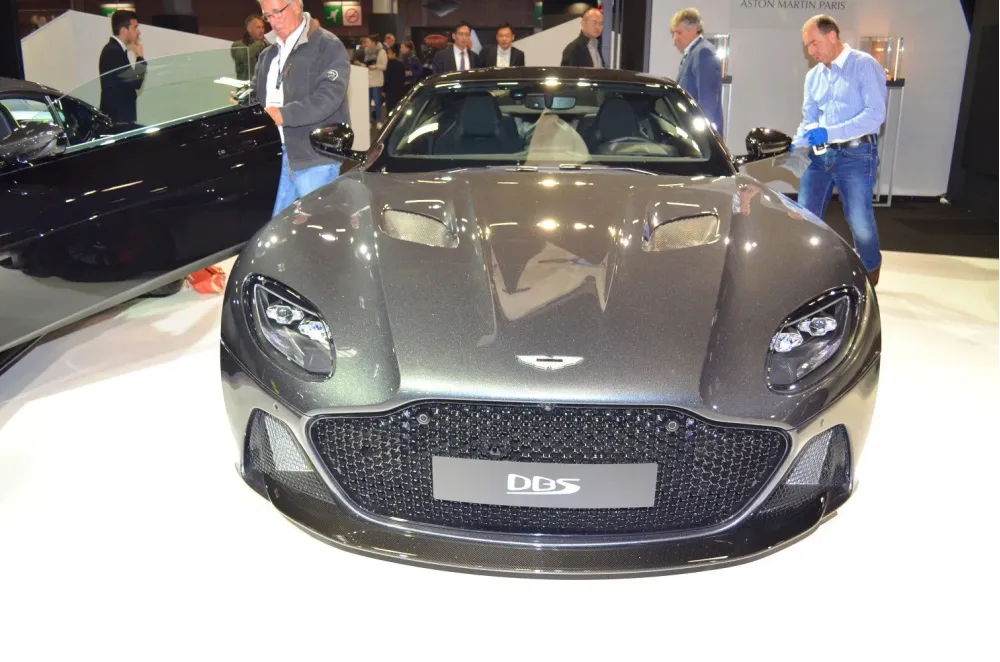
Click on image to view the full photo gallery
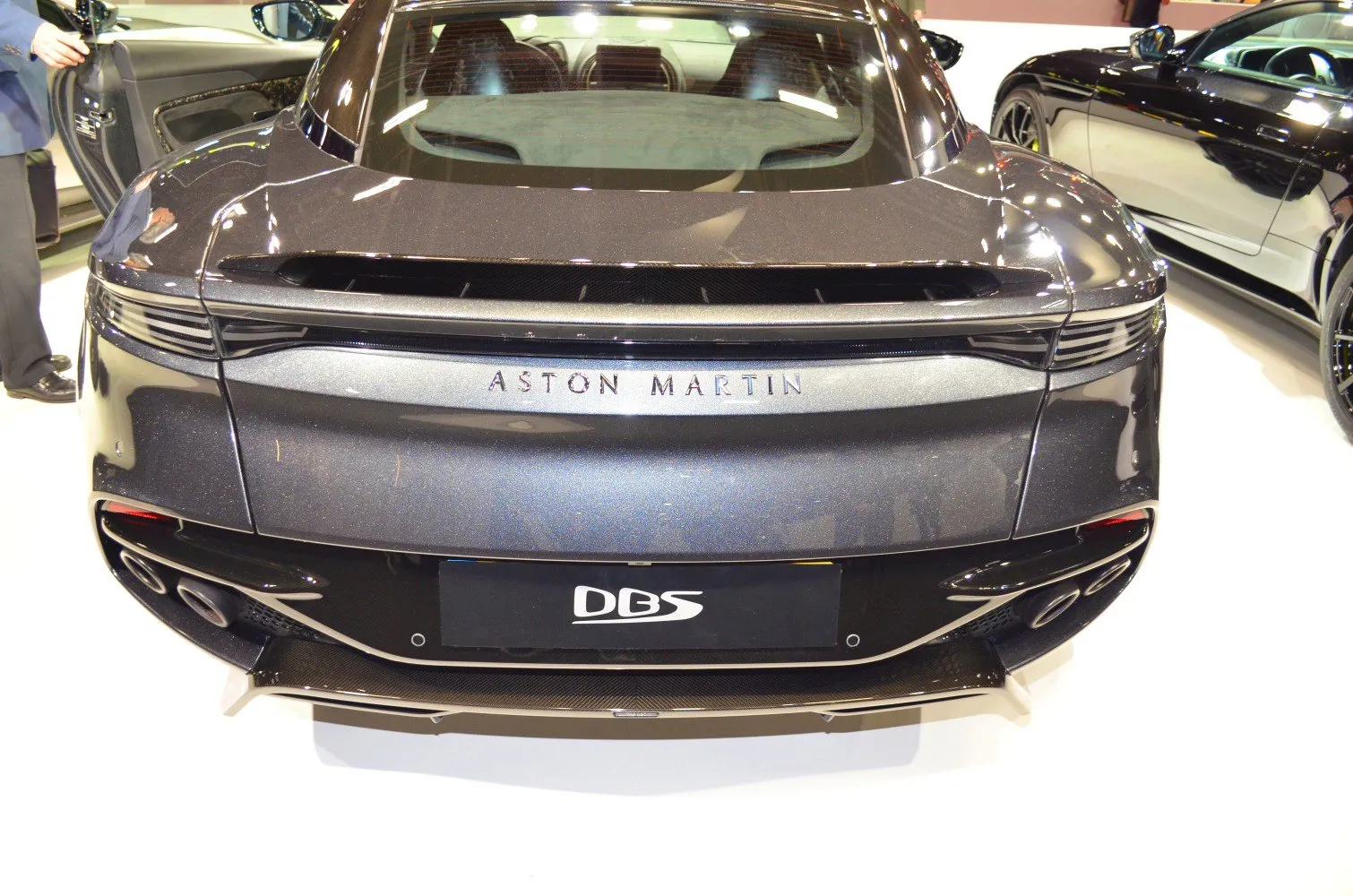
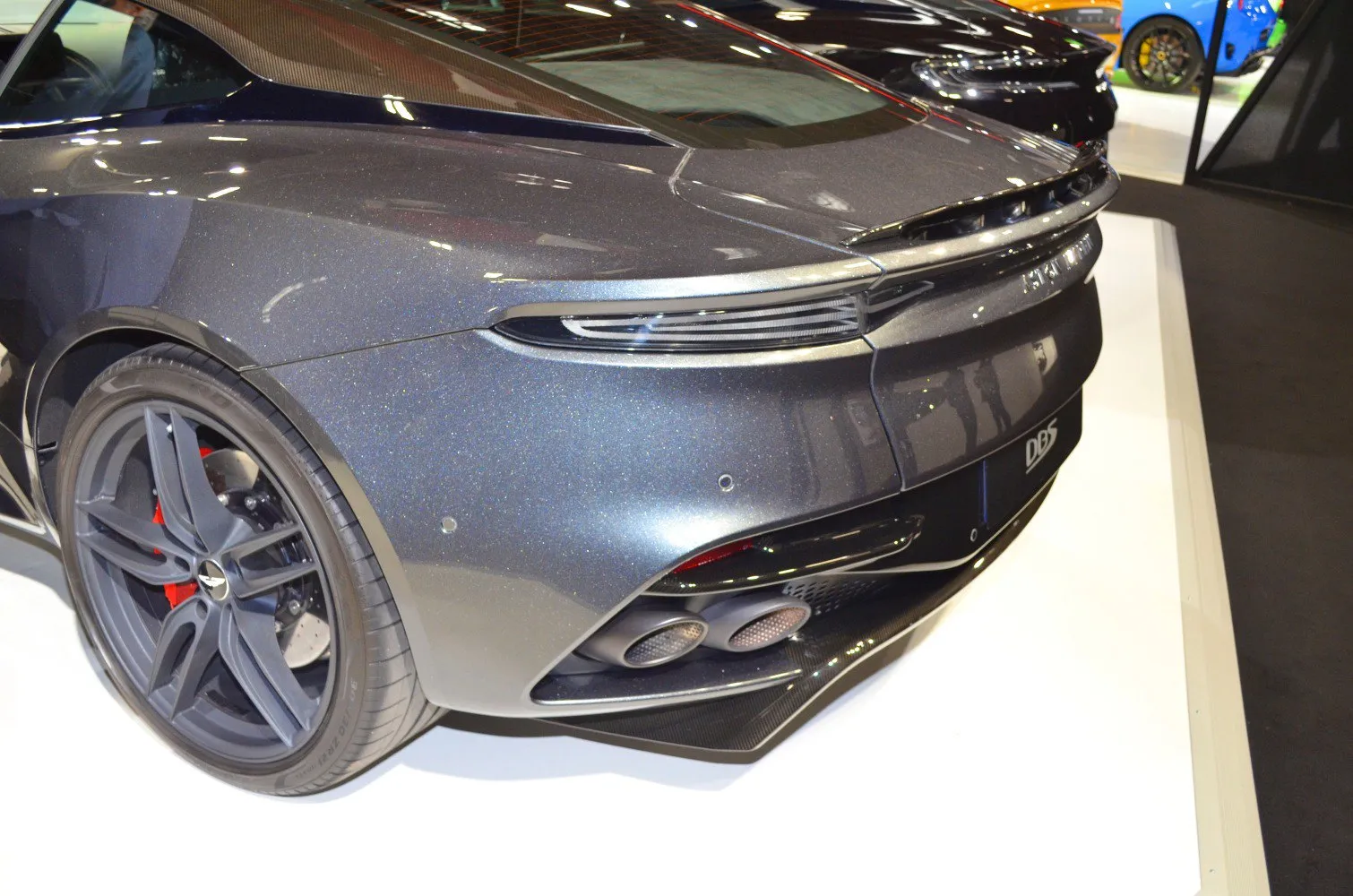
Aston Martin DBS Superleggera 5.2 V12 (725 Hp) Automatic
Overall Rating
Aston Martin DBS:
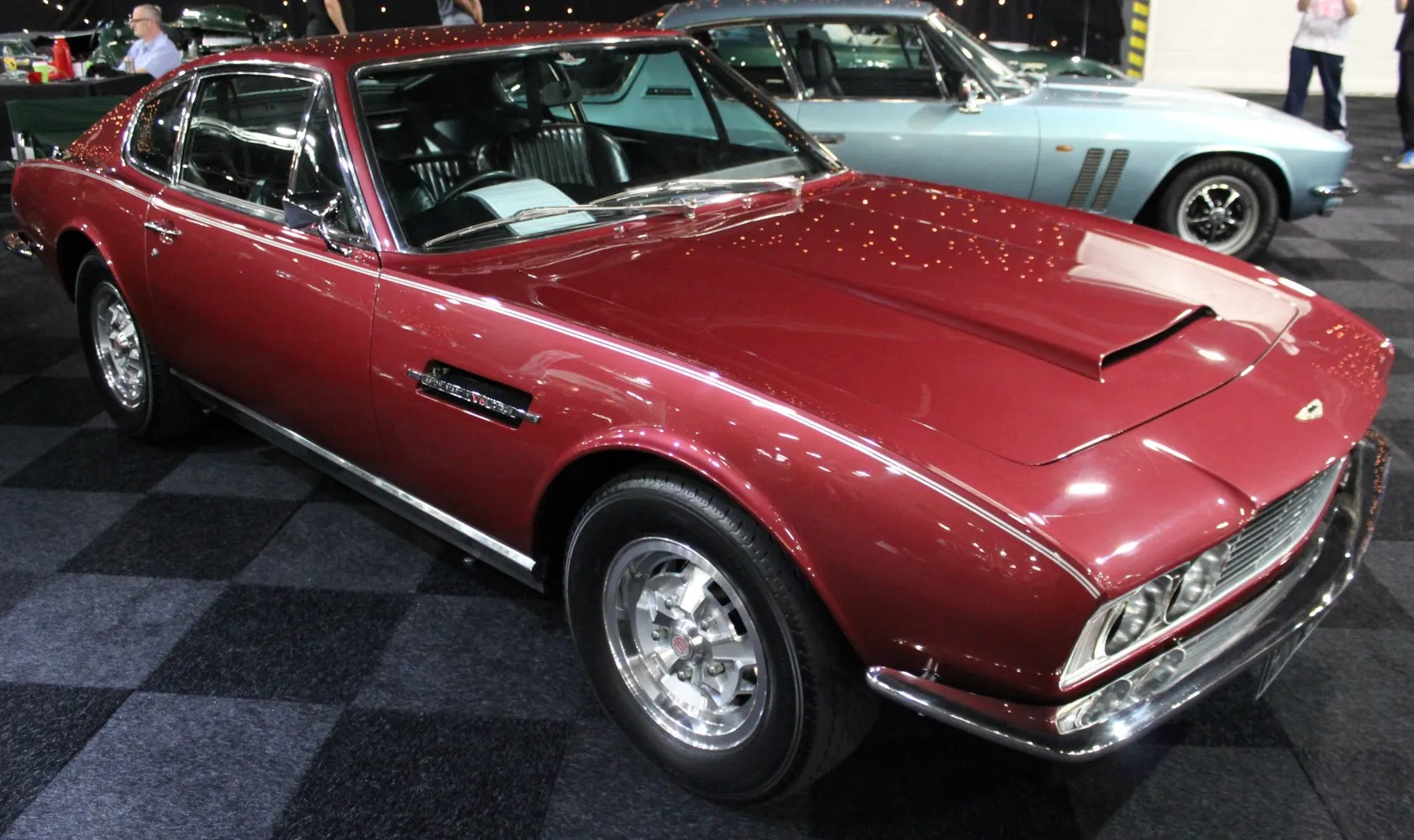
The Aston Martin DBS is a grand tourer produced by the British manufacturer Aston Martin Lagonda Limited from 1967 to 1972.
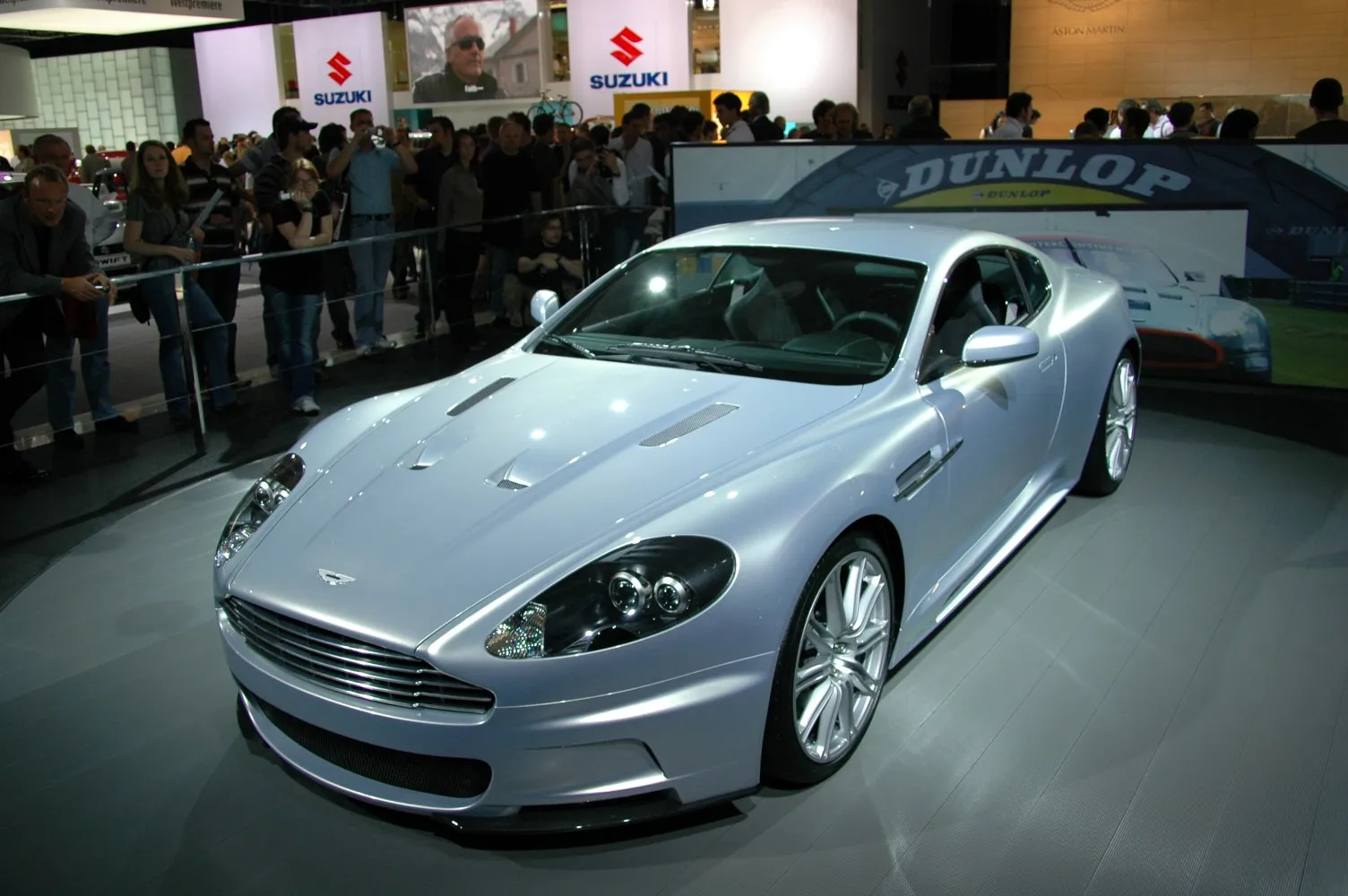
From 2007 to 2012 the DBS name was resurrected for a new model, also called the Aston Martin DBS.
The DBS was intended as the successor to the Aston Martin DB6, although the two ran concurrently for three years. Powered by a straight-six engine, it was produced from 1967 until 1972, eventually being phased out in favour of the Aston Martin V8.
It was a larger coupé than the DB6, with four full sized seats, but was powered by the same 4. 0 L engine as the previous car. Claimed engine output was 280 bhp , but a Vantage engine option used Italian made Weber carburettors, increasing output to an advertised 325 bhp....(Read more on Wikipedia)
Superleggera Overview:
Aston Martin DBS (Superleggera). With 900 Nm of torque, it offers ample pulling power. With a weight of 1693 kg, it falls in the mid‑range. Rear‑wheel drive offers dynamic handling and sporty feedback. Acceleration is excellent (0–100 km/h in 3.4 s). The top speed reaches 340 km/h. A two-door car with a fixed roof, known for its sporty design and dynamic performance. Seating for 4 makes it ideal for daily use.
5.2 V12 (725 Hp) Automatic Verdict:

Performance Verdict
A monumental twin-turbo V12 delivering breathtaking acceleration (0-100 km/h in 3.4s) and a thrilling top speed of 340 km/h, perfectly suited for high-speed grand touring.
Fuel Economy
As expected for a high-performance V12, fuel consumption is significant at 12.4 l/100 km combined, but secondary to performance for its target audience.
Pros and Cons:
Pros:
- • Stunning and aggressive design language
- • Immense power and torque from the V12 engine
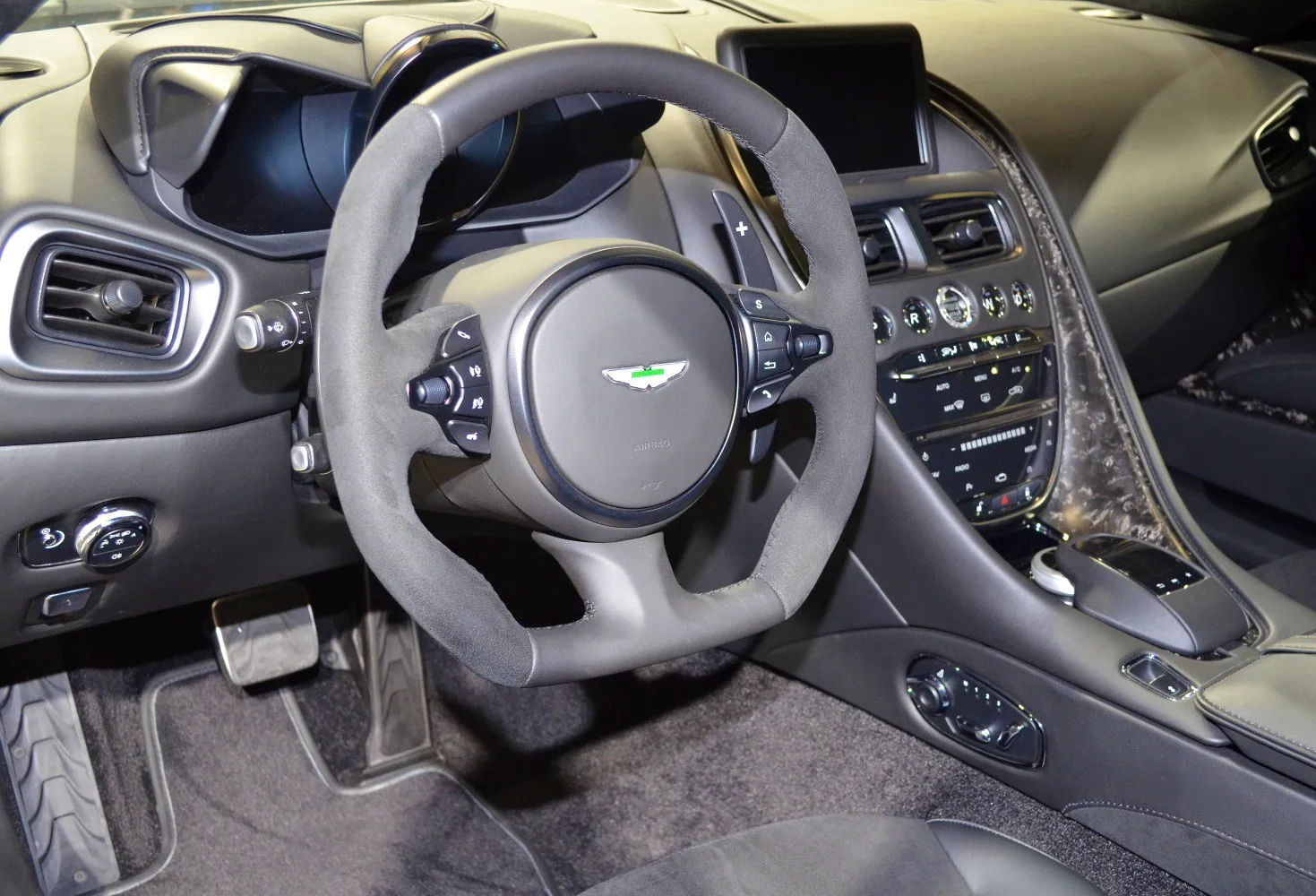
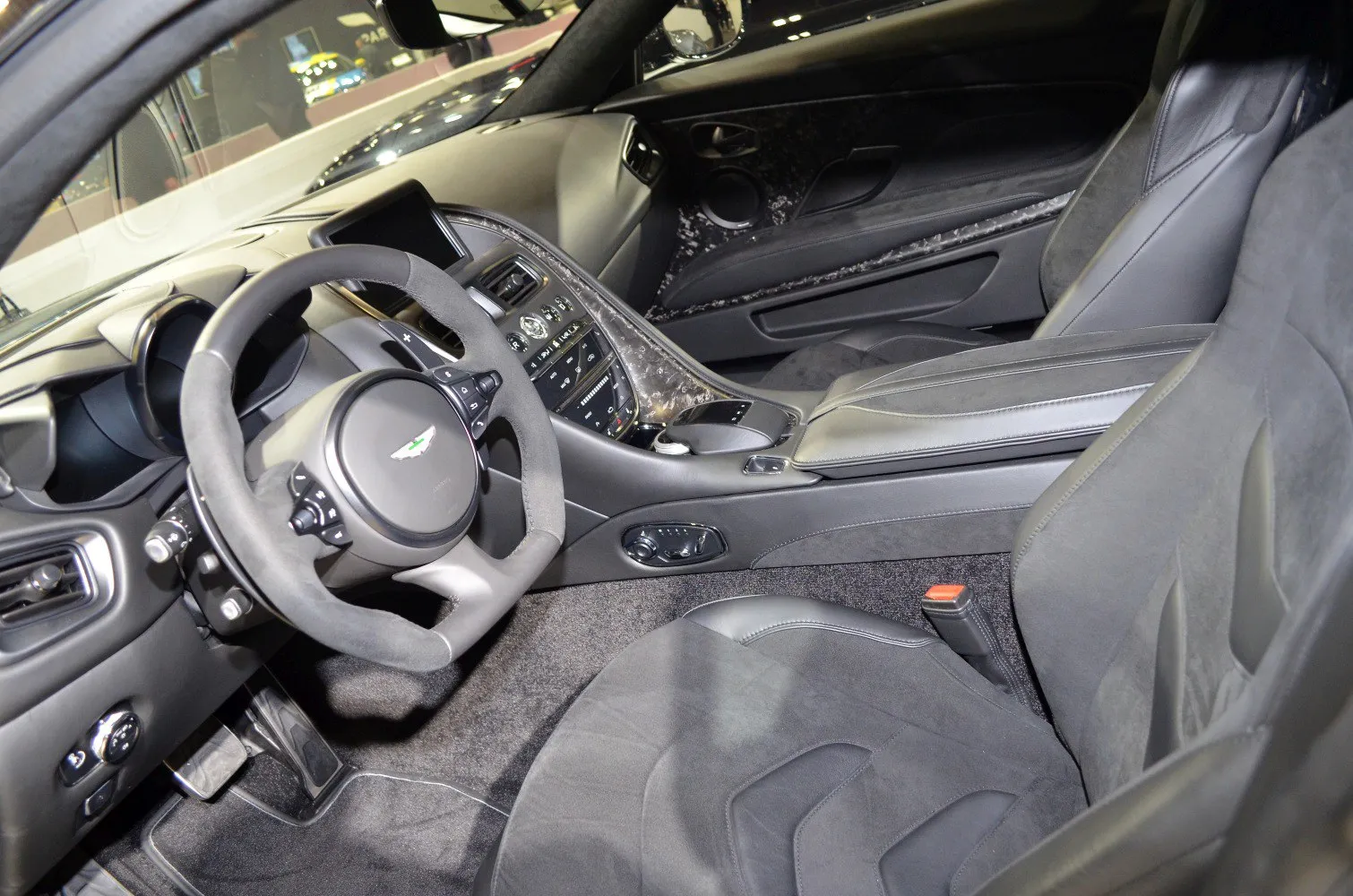
- • Luxurious and well-appointed interior
- • Exceptional grand touring capabilities
- • Exclusivity and strong brand prestige
Cons:
- • Very high purchase price and running costs
- • Limited practicality due to 2+2 seating and small boot
- • Not officially Euro NCAP tested (common for this segment)
- • Can be challenging to maneuver in tight urban spaces
Specifications:
Specifications are compared to those of the previous generation(V12 Volante: 2009 - 2012).
| General: | |
|---|---|
| Brand: | Aston Martin |
| Model: | DBS |
| Generation: | Superleggera |
| Modification (Engine): | 5.2 V12 (725 Hp) Automatic |
| Start of production: | 2018 |
| Powertrain Architecture: | Internal Combustion engine |
| Body type: | Coupe |
| Seats: | 4 |
| Doors: | 2 |
| Engine: | |
|---|---|
| Power: | 725 Hp @ 6500 rpm. Same horsepower |
| Power per litre: | 139.3 Hp/l [15mm more] |
| Torque: | 900 Nm @ 1800-5000 rpm. |
| Engine Model/Code: | AM52 More details about the engine AM52 |
| Engine displacement: | 5204 |
| Number of cylinders: | 12 |
| Engine configuration: | V-engine |
| Number of valves per cylinder: | 4 |
| Engine aspiration: | Twin-Turbo, Intercooler |
| Valvetrain: | DVCT |
| Engine oil capacity: | 10.8 l |
| Coolant: | 29.7 l |
| Engine layout: | Front, Longitudinal |
| Compression ratio: | 9.3:1 |
| Performance: | |
|---|---|
| Fuel Type: | Petrol (Gasoline) |
| Fuel consumption (economy) - urban: | 18 l/100 km |
| Fuel consumption (economy) - extra urban: | 9.1 l/100 km |
| Combined fuel consumption (WLTP): | 13.5 l/100 km |
| Fuel consumption at Low speed (WLTP): | 24.1 l/100 km |
| Fuel consumption at Medium speed (WLTP): | 13.6 l/100 km |
| Fuel consumption at high speed (WLTP): | 11.2 l/100 km |
| Fuel consumption at very high speed (WLTP): | 11.5 l/100 km |
| Fuel consumption (economy) - combined: | 12.4 l/100 km |
| Acceleration 0 - 100 km/h: | 3.4 sec |
| Acceleration 0 - 62 mph: | 3.4 sec |
| Maximum speed: | 340 km/h |
| Weight-to-power ratio: | 2.3 kg/Hp, 428.2 Hp/tonne |
| Weight-to-torque ratio: | 1.9 kg/Nm, 531.6 Nm/tonne |
| Acceleration 0 - 60 mph: | 3.5 sec |
| Space: | |
|---|---|
| Kerb Weight: | 1693 |
| Size: | |
|---|---|
| Length: | 4712 mm mm [15mm more] |
| Width: | 1942-1968 mm mm [67mm more] |
| Height: | 1280 mm mm [10mm more] |
| Wheelbase: | 2805 mm mm [65mm more] |
| Width including mirrors: | 2146 mm |
| Front track: | 1665 mm |
| Rear (Back) track: | 1645 mm |
| Front overhang: | 912 mm |
| Rear overhang: | 995 mm |
| Ride height (ground clearance): | 90-120 mm |
| Minimum turning circle (turning diameter): | 12.4 m [above average] |
| Approach angle: | 9.5° |
| Departure angle: | 13° |
| Powertrain: | |
|---|---|
| Drivetrain Architecture | The Internal combustion engine (ICE) drives the rear wheels of the vehicle. |
| Drive wheel | Rear wheel drive |
| Number of gears | 8 |
| Transmission type | Automatic |
| Front brakes | Ventilated discs, 410 mm [Best for performance and cooling.] |
| Rear brakes | Ventilated discs, 360 mm [Best for performance and cooling.] |
| Assisting systems | ABS (Anti-lock braking system) |
| Steering type | Steering rack and pinion |
| Power steering | Electric Steering |
| Tires size | 265/35 R21; 305/30 R21 |
| Wheel rims size | 21 |
| Front suspension | Double wishbone |
| Rear suspension | Independent multi-link suspension |









Better than its competitors? Tell us why the Aston Martin DBS stands out.