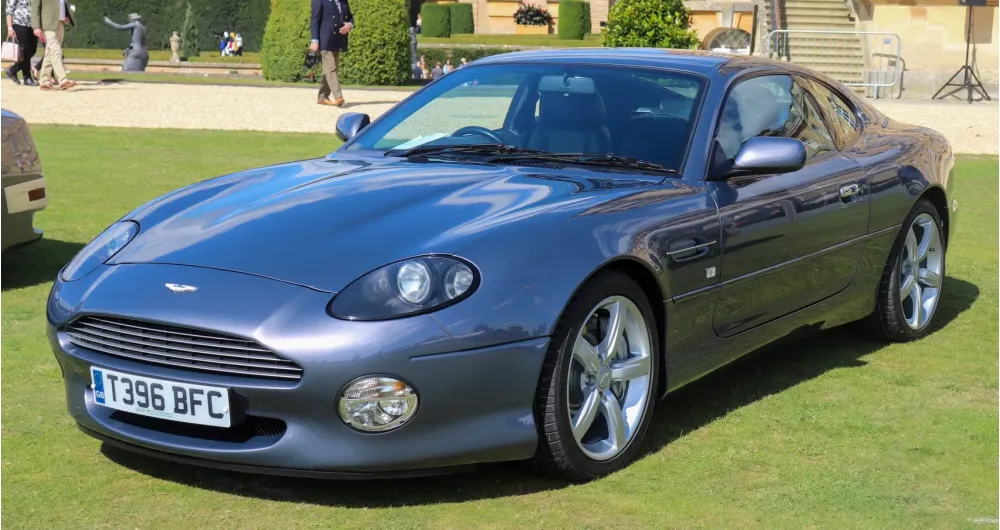
Click on image to view the full photo gallery
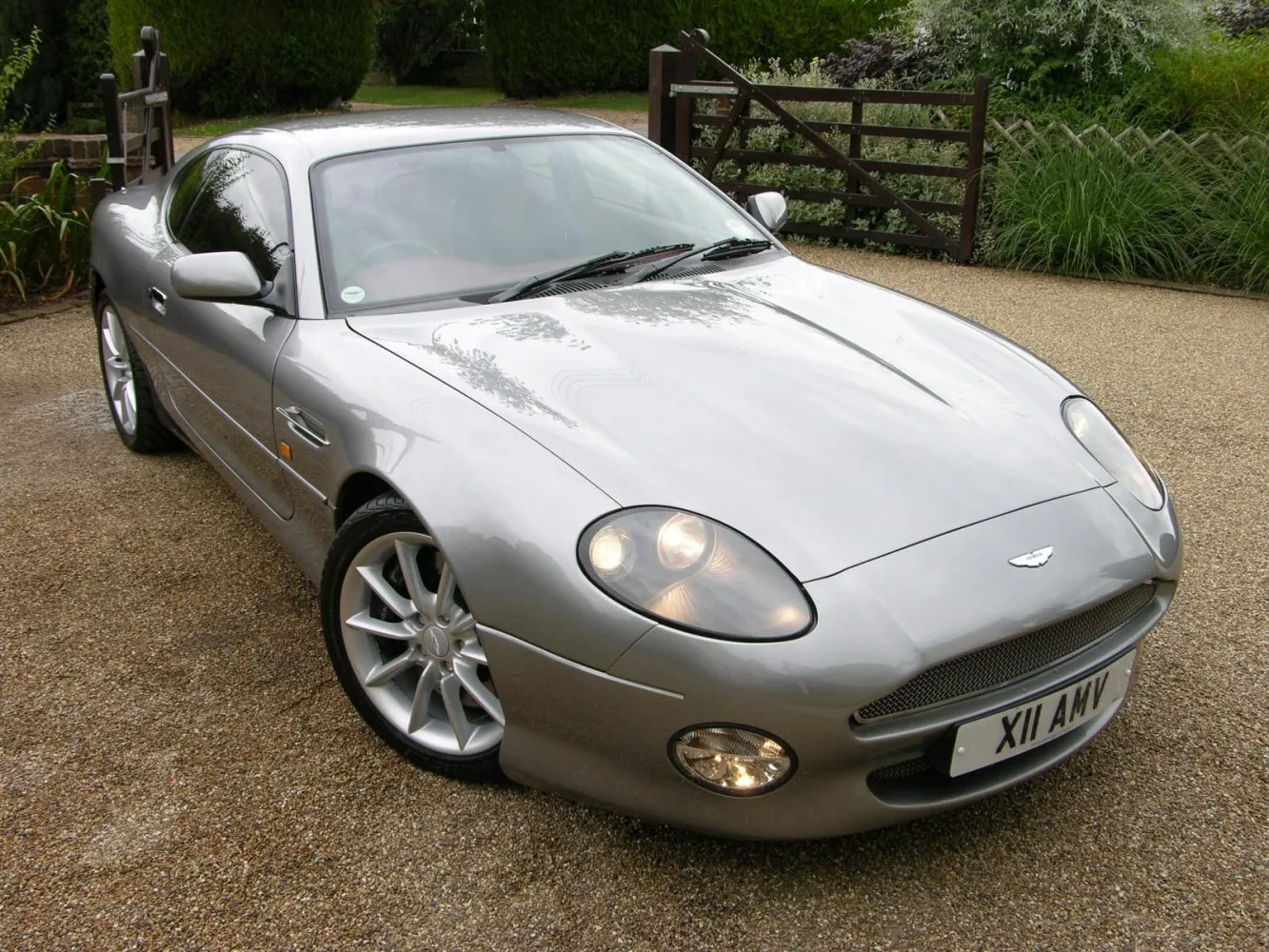
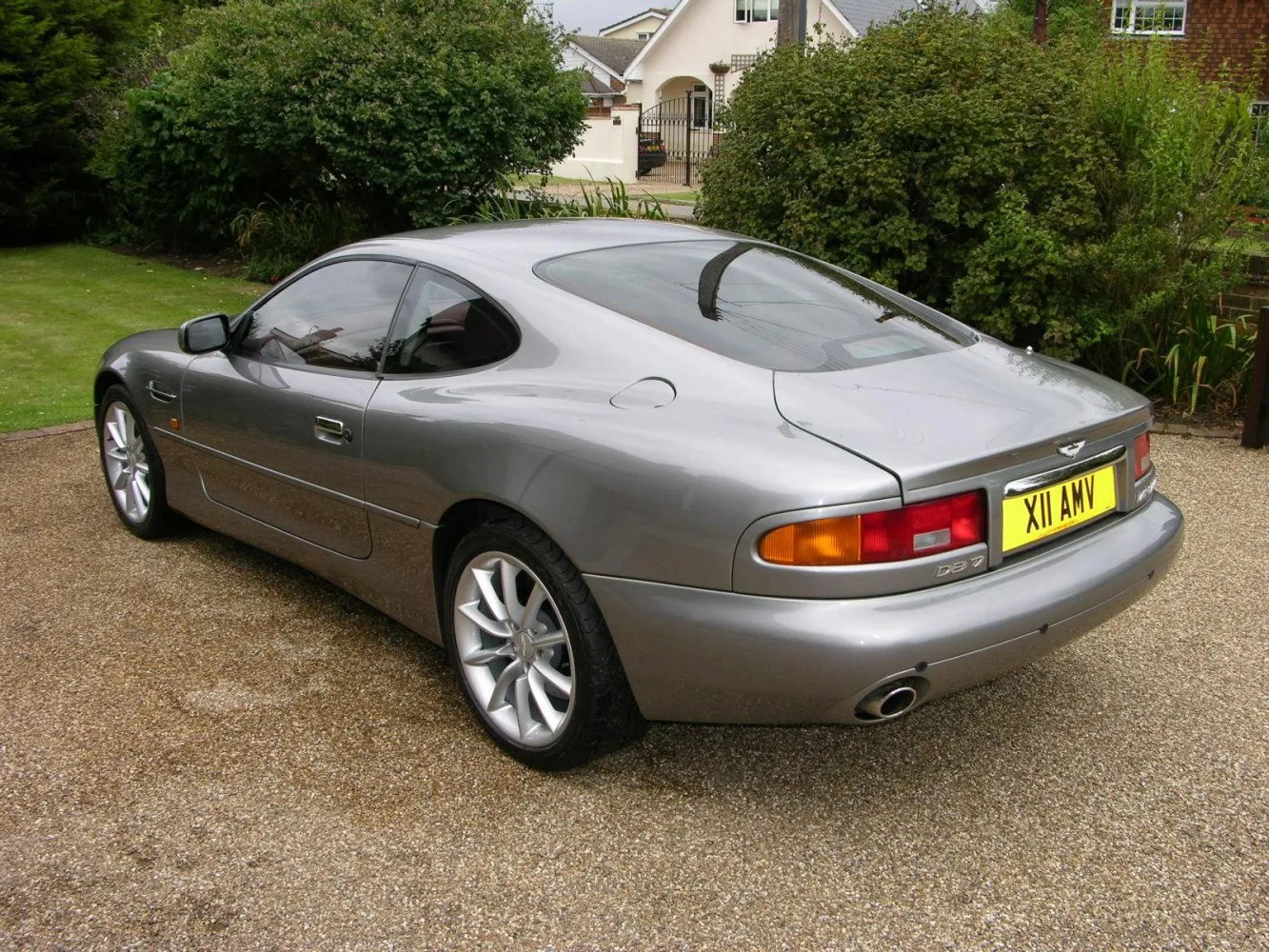
Aston Martin DB7 Vantage 5.9 V12 (426 Hp)
Overall Rating
Aston Martin DB7:
The Aston Martin DB7 is a car that was produced by British luxury car manufacturer Aston Martin from September 1994 to December 2004. It was designed by Ian Callum and Keith Helfet as a grand tourer in coupé and convertible bodystyles. The prototype was complete by November 1992 and debuted at the Geneva Motor Show in March 1993. The six-cylinder DB7 was positioned as an "entry-level" model below the hand-built V8 Virage introduced a few years earlier. At the time, the DB7 was the most-produced Aston Martin automobile in the company’s history, with more than 7,000 built before it was replaced by the DB9 in 2004....(Read more on Wikipedia)
Vantage Overview:
Aston Martin DB7 (Vantage). With 540 Nm of torque, it offers ample pulling power. With a weight of 1780 kg, it falls in the mid‑range. Rear‑wheel drive offers dynamic handling and sporty feedback. Acceleration is excellent (0–100 km/h in 5 s). The top speed reaches 298 km/h. A two-door car with a fixed roof, known for its sporty design and dynamic performance. Seating for 4 makes it ideal for daily use.
5.9 V12 (426 Hp) Verdict:

Performance Verdict
Offering the same potent 5.9L V12, this variant (likely manual) provides an even more engaging and direct driving experience, fully exploiting the engine's power.
Fuel Economy
Fuel economy is poor, typical for a high-performance V12 engine, requiring frequent stops at the pump.
Pros and Cons:
Pros:
- • Iconic and powerful V12 engine with a distinctive sound
- • Timeless and elegant British design
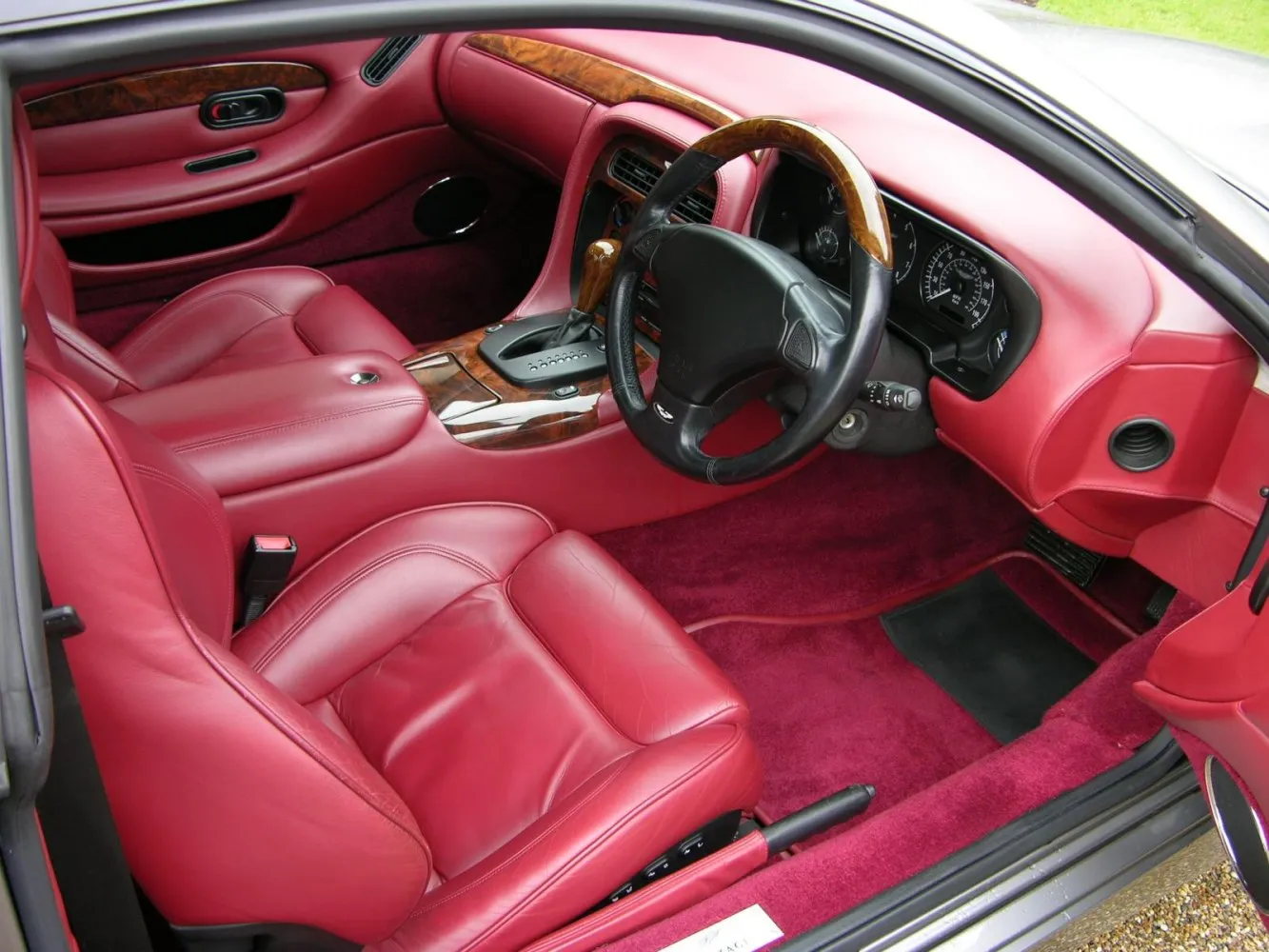
- • Excellent grand touring capabilities and luxurious interior
- • Exclusivity and growing collector appeal
- • Engaging driving experience, especially with manual gearbox
Cons:
- • Very high running costs, particularly fuel and maintenance
- • Dated infotainment and technology compared to modern cars
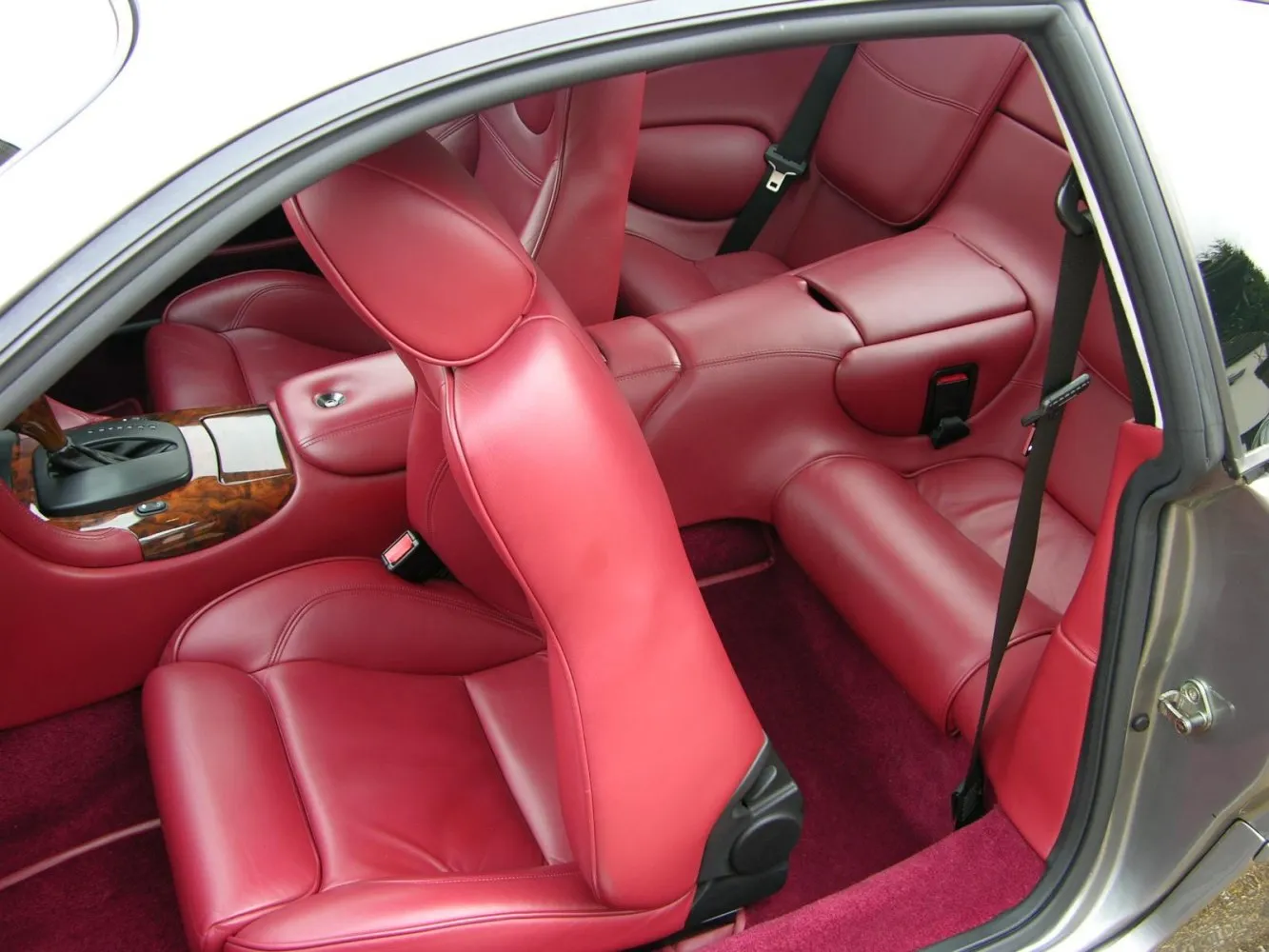
- • Limited practicality with only two doors and small rear seats
- • Potential for complex electrical issues as it ages
- • Heavy depreciation in earlier years, though now stabilizing
Specifications:
Specifications are compared to those of the previous generation(Volante: 1996 - 1999).
| General: | |
|---|---|
| Brand: | Aston Martin |
| Model: | DB7 |
| Generation: | Vantage |
| Modification (Engine): | 5.9 V12 (426 Hp) |
| Start of production: | 1999 |
| End of production: | 2003 |
| Powertrain Architecture: | Internal Combustion engine |
| Body type: | Coupe |
| Seats: | 4 |
| Doors: | 2 |
| Engine: | |
|---|---|
| Power: | 426 Hp @ 6000 rpm. |
| Power per litre: | 71.8 Hp/l |
| Torque: | 540 Nm @ 5000 rpm. |
| Engine displacement: | 5935 |
| Number of cylinders: | 12 |
| Engine configuration: | V-engine |
| Engine aspiration: | Naturally aspirated engine |
| Engine oil capacity: | 11 l |
| Coolant: | 14.35 l |
| Performance: | |
|---|---|
| Fuel Type: | Petrol (Gasoline) |
| Acceleration 0 - 100 km/h: | 5 sec |
| Acceleration 0 - 62 mph: | 5 sec |
| Maximum speed: | 298 km/h |
| Weight-to-power ratio: | 4.2 kg/Hp, 239.3 Hp/tonne |
| Weight-to-torque ratio: | 3.3 kg/Nm, 303.4 Nm/tonne |
| Acceleration 0 - 60 mph: | 4.8 sec |
| Space: | |
|---|---|
| Kerb Weight: | 1780 |
| Size: | |
|---|---|
| Length: | 4666 mm mm [35mm more] |
| Width: | 1830 mm mm [10mm more] |
| Height: | 1238 mm mm [30mm less] |
| Powertrain: | |
|---|---|
| Drivetrain Architecture | The Internal combustion engine (ICE) drives the rear wheels of the vehicle. |
| Drive wheel | Rear wheel drive |
| Number of gears | 6 |
| Transmission type | Manual |
| Front brakes | Ventilated discs [Best for performance and cooling.] |
| Rear brakes | Ventilated discs [Best for performance and cooling.] |
| Assisting systems | ABS (Anti-lock braking system) |
| Steering type | Steering rack and pinion |
| Power steering | Electric Steering |
| Front suspension | Independent coil spring |
| Rear suspension | Independent coil spring |
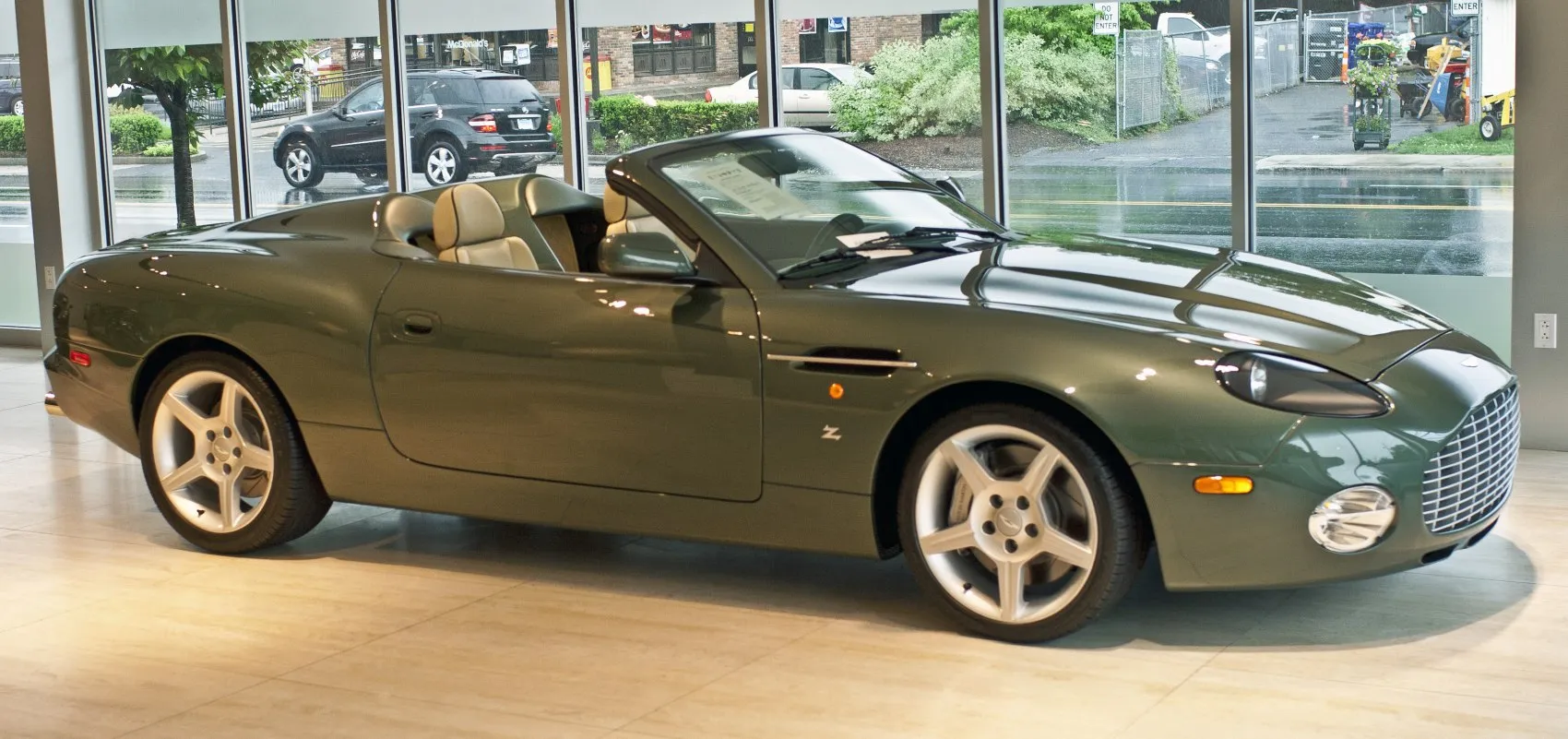

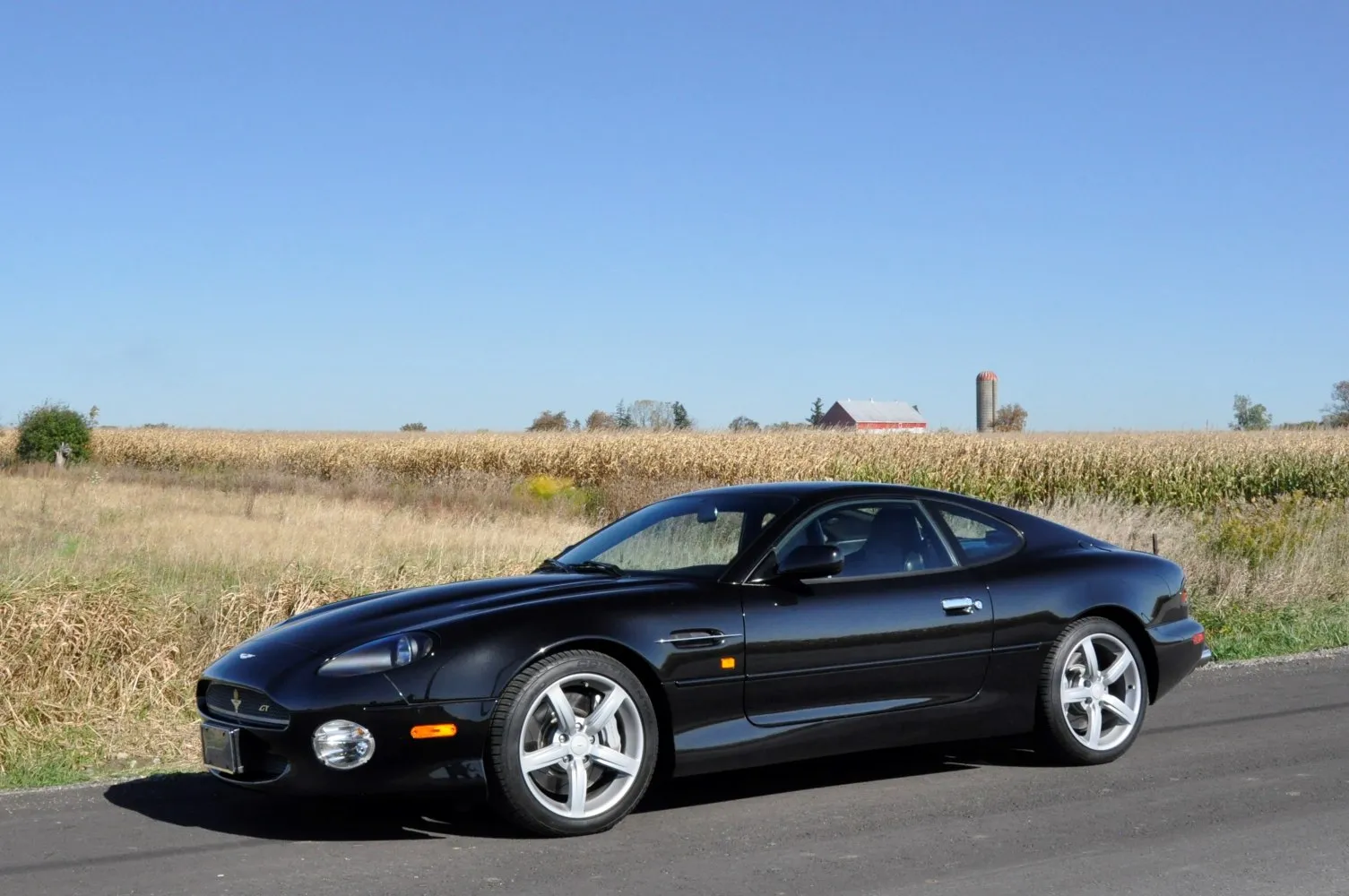
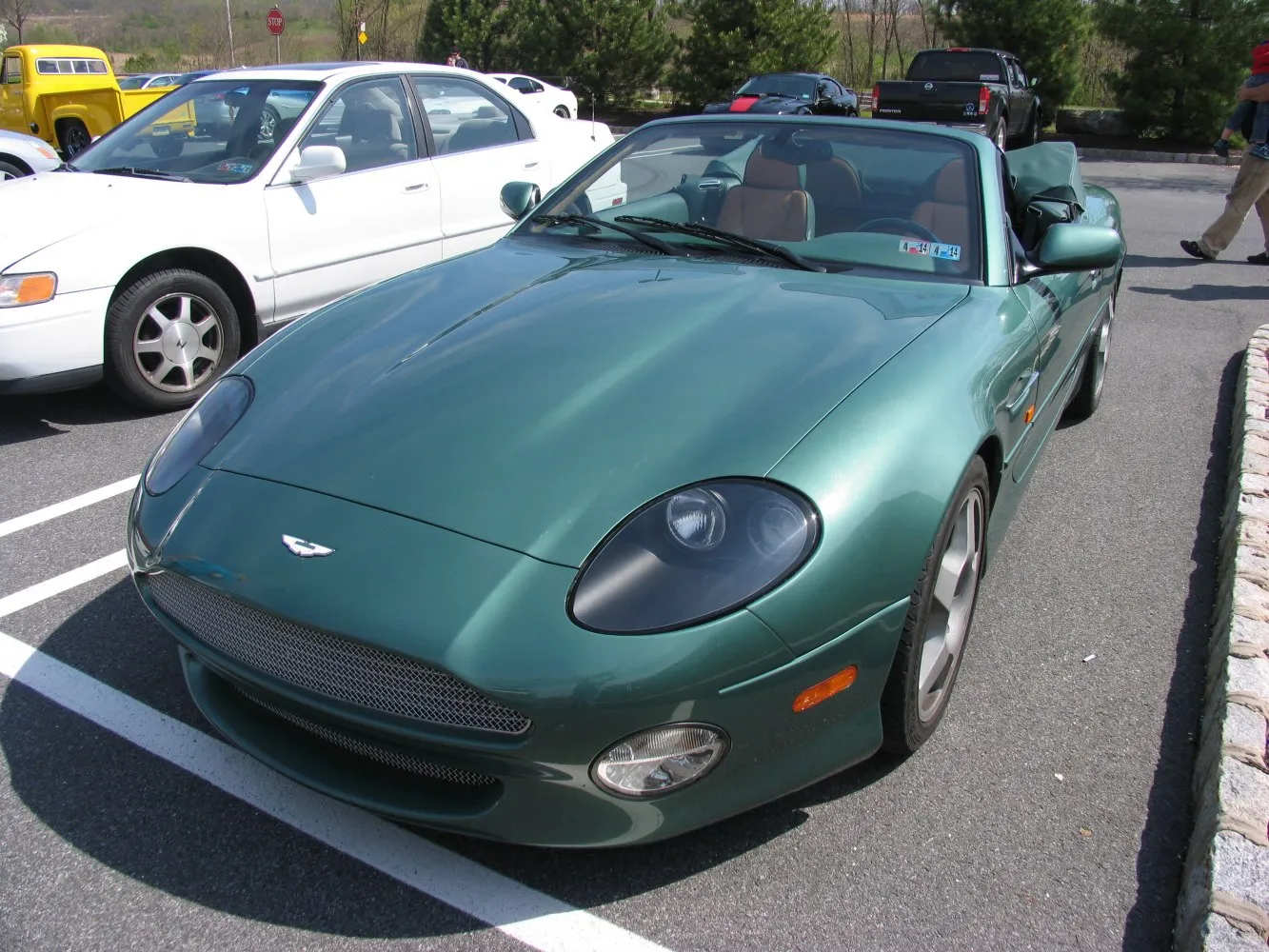







Have you ever driven an Aston Martin DB7?
How was your experience with it? Share with us: