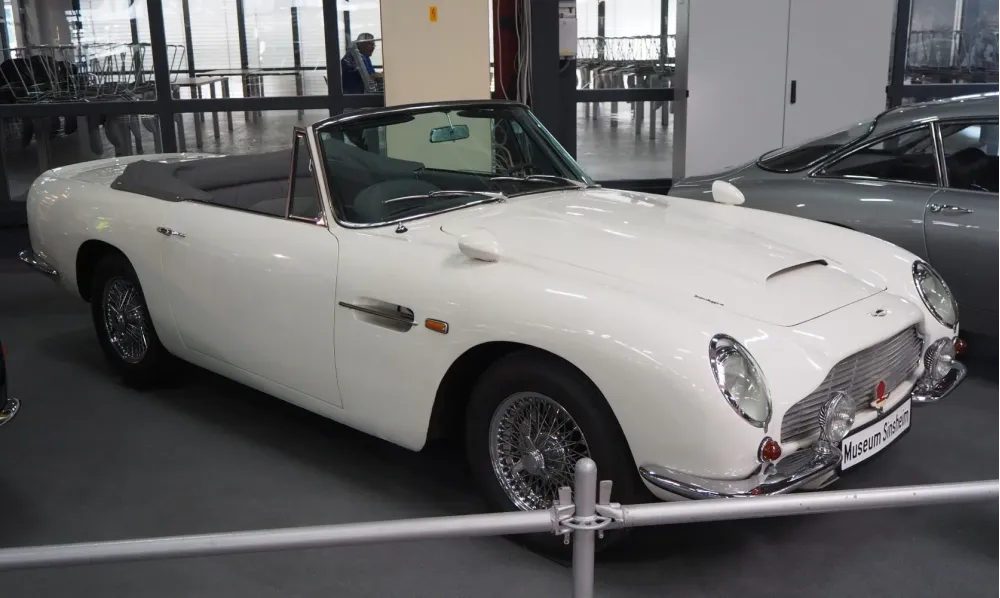
Click on image to view the full photo gallery
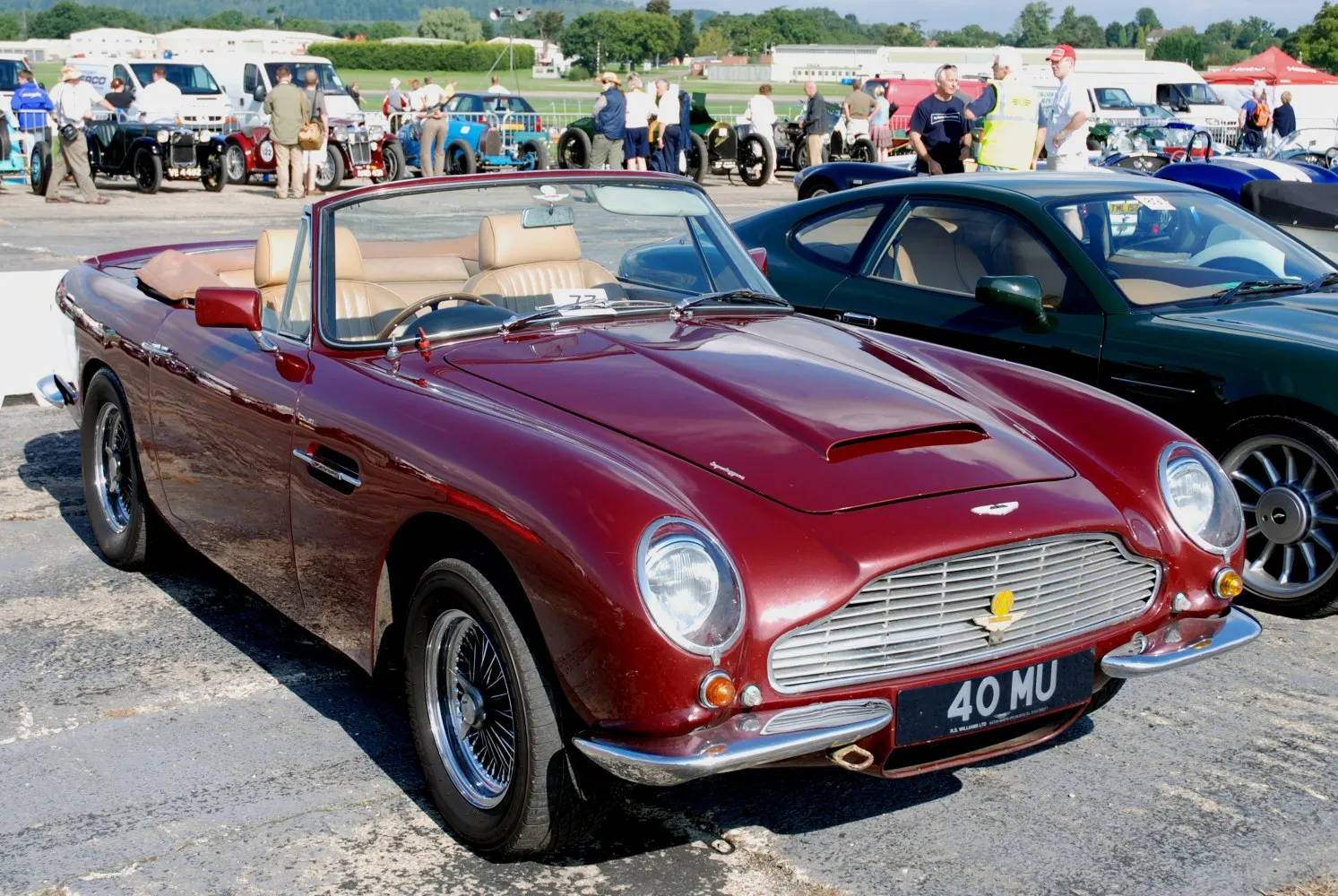
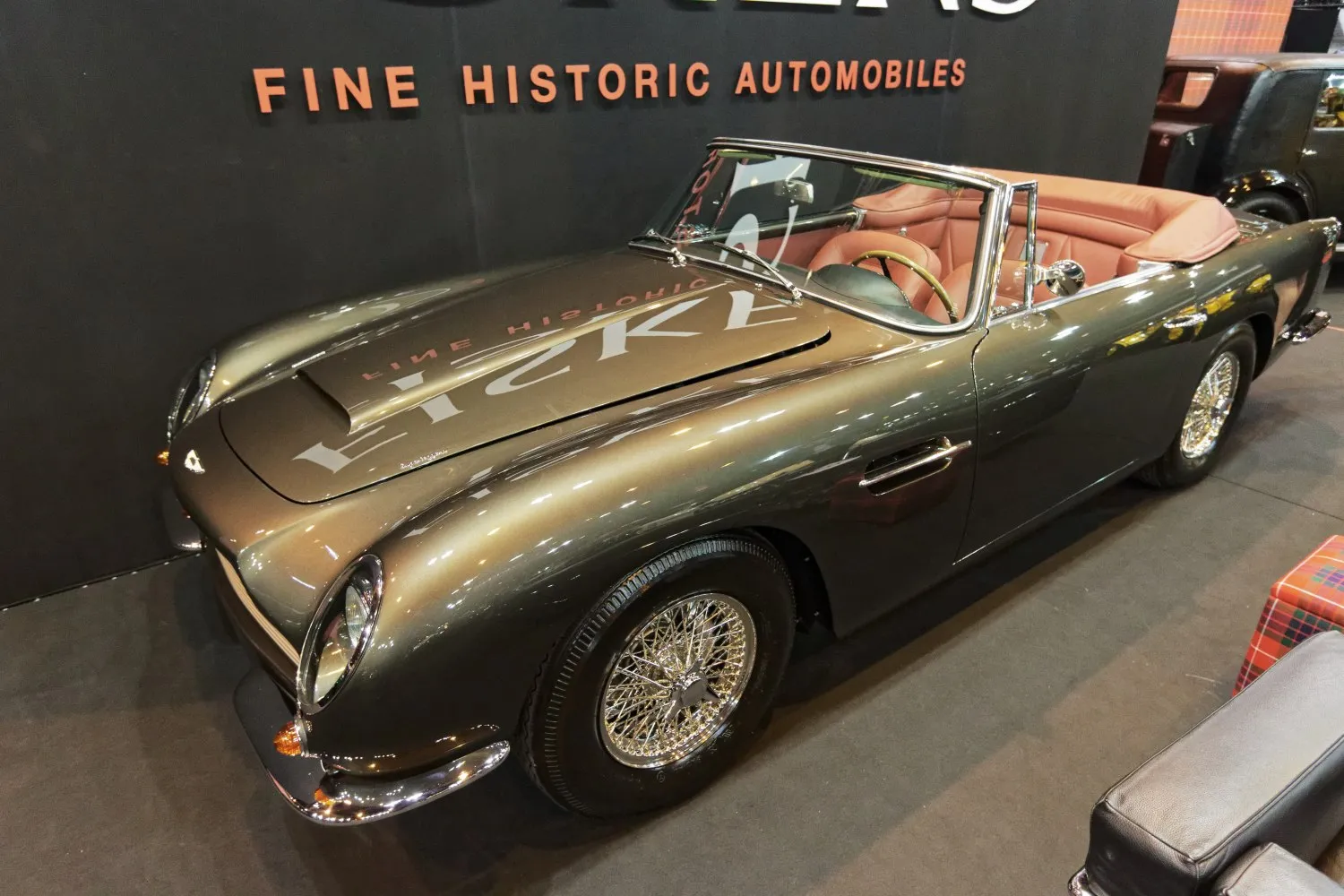
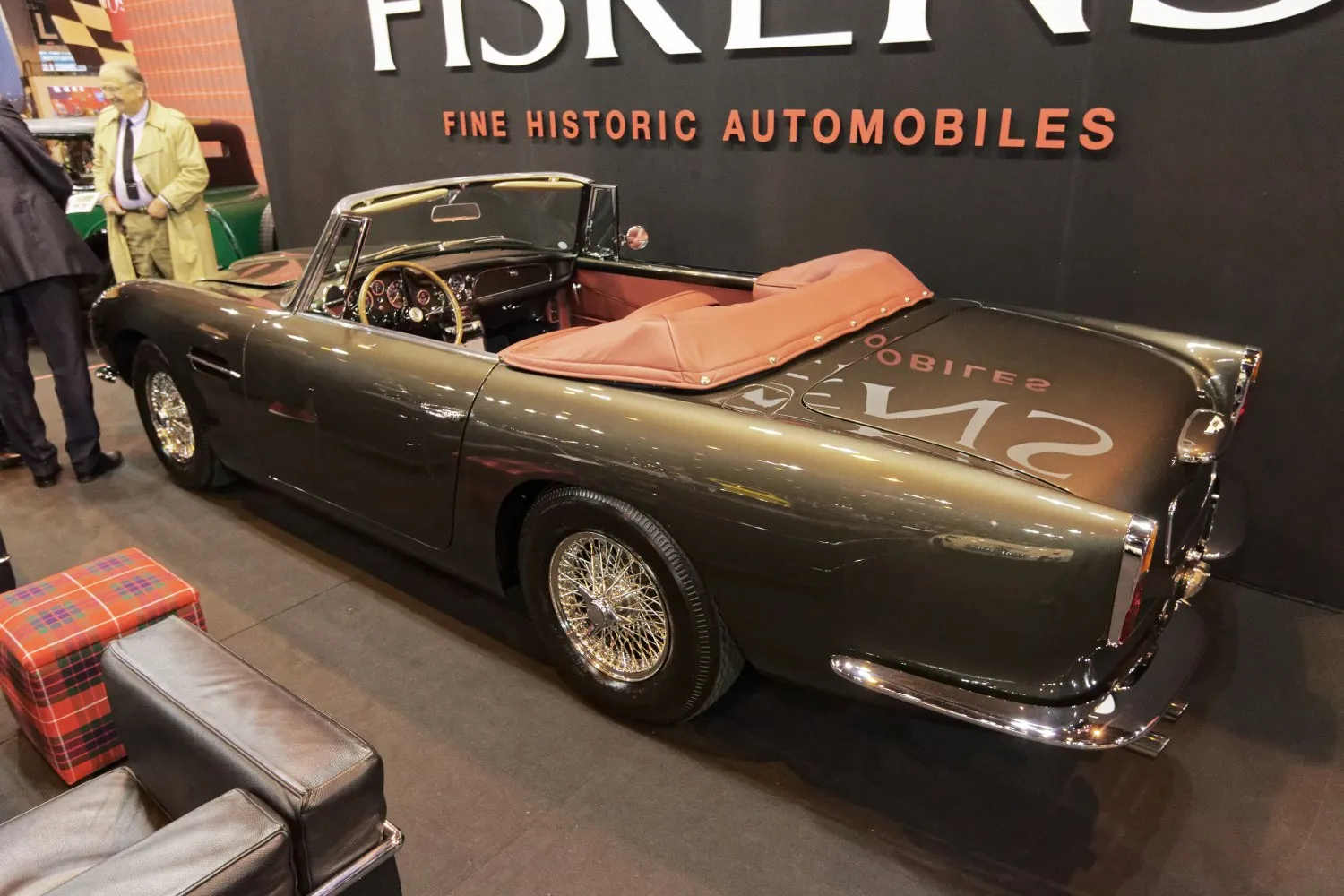
Aston Martin DB6 Volante 4.0 (286 Hp)
Overall Rating
Aston Martin DB6:
The Aston Martin DB6 is a grand tourer made by British car manufacturer Aston Martin and was produced from September 1965 to January 1971. The "DB" designation is from the initials of David Brown who built up the company from 1947 onwards.
The DB6 succeeded the Aston Martin DB5 and featured improved aerodynamics and specification over its predecessor.
After Aston Martin rejected proposals for a replacement for its DB5 from the original DB4 Touring of Milan, the decision was made to focus on their own development car, registered 4 YMC. Wind tunnel testing, begun in February 1965, showed development was necessary to counteract a tendency toward aerodynamic lift causing reduced rear-wheel traction at high speed. Final development phases relied upon DB5 chassis, suitably lengthened and titled MP 219, with rear lip-spoiler and abbreviated Kammback tail Aston Martin previously incorporated in sports-racing prototypes. The decision was made to produce MP 219 as the Aston Martin DB6 although the prototype de Dion rear axle was rejected, Aston's soldiering on with its live-axle configuration reducing time to market, cost and complexity....(Read more on Wikipedia)
Volante Overview:
Aston Martin DB6 (Volante). With 380 Nm of torque, it offers ample pulling power. With a weight of 1466 kg, it falls in the mid‑range. Rear‑wheel drive offers dynamic handling and sporty feedback. The top speed reaches 238 km/h. A convertible car with a retractable roof, offering open-air driving experiences. Seating for 4 makes it ideal for daily use.
4.0 (286 Hp) Verdict:

Performance Verdict
The 4.0-liter inline-six engine delivers robust performance for its era, offering a thrilling acceleration of 0-60 mph in just 6.1 seconds. Its 286 Hp provides ample power for spirited grand touring.
Fuel Economy
Fuel economy is not a strong suit, typical for a large displacement carbureted engine of the 1960s. Owners should expect high fuel consumption, especially under enthusiastic driving conditions.
Pros and Cons:
Pros:
- • Stunning classic British design and elegance
- • Strong performance for a 1960s grand tourer
- • Exclusivity and rarity, especially the Volante
- • Excellent investment potential as a collectible car
- • Luxurious interior and comfortable ride for its era
Cons:
- • Very high running and maintenance costs
- • Poor fuel economy by modern standards
- • Lack of modern safety features and driver aids
- • Requires specialized knowledge for repairs and servicing
- • Not practical for daily driving
Specifications:
Specifications are compared to those of the previous generation(DB6: 1965 - 1969).
| General: | |
|---|---|
| Brand: | Aston Martin |
| Model: | DB6 |
| Generation: | Volante |
| Modification (Engine): | 4.0 (286 Hp) |
| Start of production: | 1966 |
| End of production: | 1969 |
| Powertrain Architecture: | Internal Combustion engine |
| Body type: | Cabriolet |
| Seats: | 4 |
| Doors: | 2 |
| Engine: | |
|---|---|
| Power: | 286 Hp @ 5500 rpm. |
| Power per litre: | 71.6 Hp/l |
| Torque: | 380 Nm @ 4500 rpm. |
| Engine displacement: | 3995 |
| Number of cylinders: | 6 |
| Engine configuration: | Inline |
| Fuel injection system: | Carburettor |
| Engine aspiration: | Naturally aspirated engine |
| Valvetrain: | DOHC |
| Engine layout: | Front, Longitudinal |
| Cylinder Bore: | 96 mm mm |
| Piston Stroke: | 92 mm mm |
| Compression ratio: | 8.9:1 |
| Performance: | |
|---|---|
| Fuel Type: | Petrol (Gasoline) |
| Maximum speed: | 238 km/h |
| Weight-to-power ratio: | 5.1 kg/Hp, 195.1 Hp/tonne |
| Weight-to-torque ratio: | 3.9 kg/Nm, 259.2 Nm/tonne |
| Acceleration 0 - 60 mph: | 6.1 sec |
| Space: | |
|---|---|
| Kerb Weight: | 1466 |
| Size: | |
|---|---|
| Length: | 4620 mm mm [Same length.] |
| Width: | 1680 mm mm [Same width.] |
| Height: | 1320 mm mm [Same height.] |
| Wheelbase: | 2585 mm mm [Same wheelbase.] |
| Ride height (ground clearance): | 160 mm |
| Powertrain: | |
|---|---|
| Drivetrain Architecture | The Internal combustion engine (ICE) drives the rear wheels of the vehicle. |
| Drive wheel | Rear wheel drive |
| Number of gears | 5 |
| Transmission type | Manual |
| Front brakes | Disc |
| Rear brakes | Disc |
| Steering type | Steering rack and pinion |







Is the Aston Martin DB6 worth every penny? Give us your honest ROI.