Click on image to view the full photo gallery
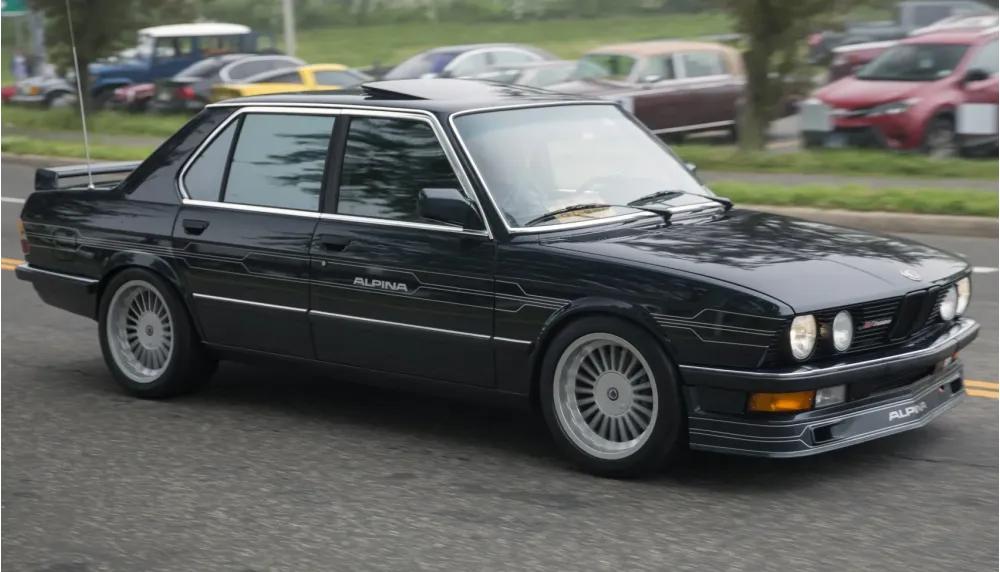
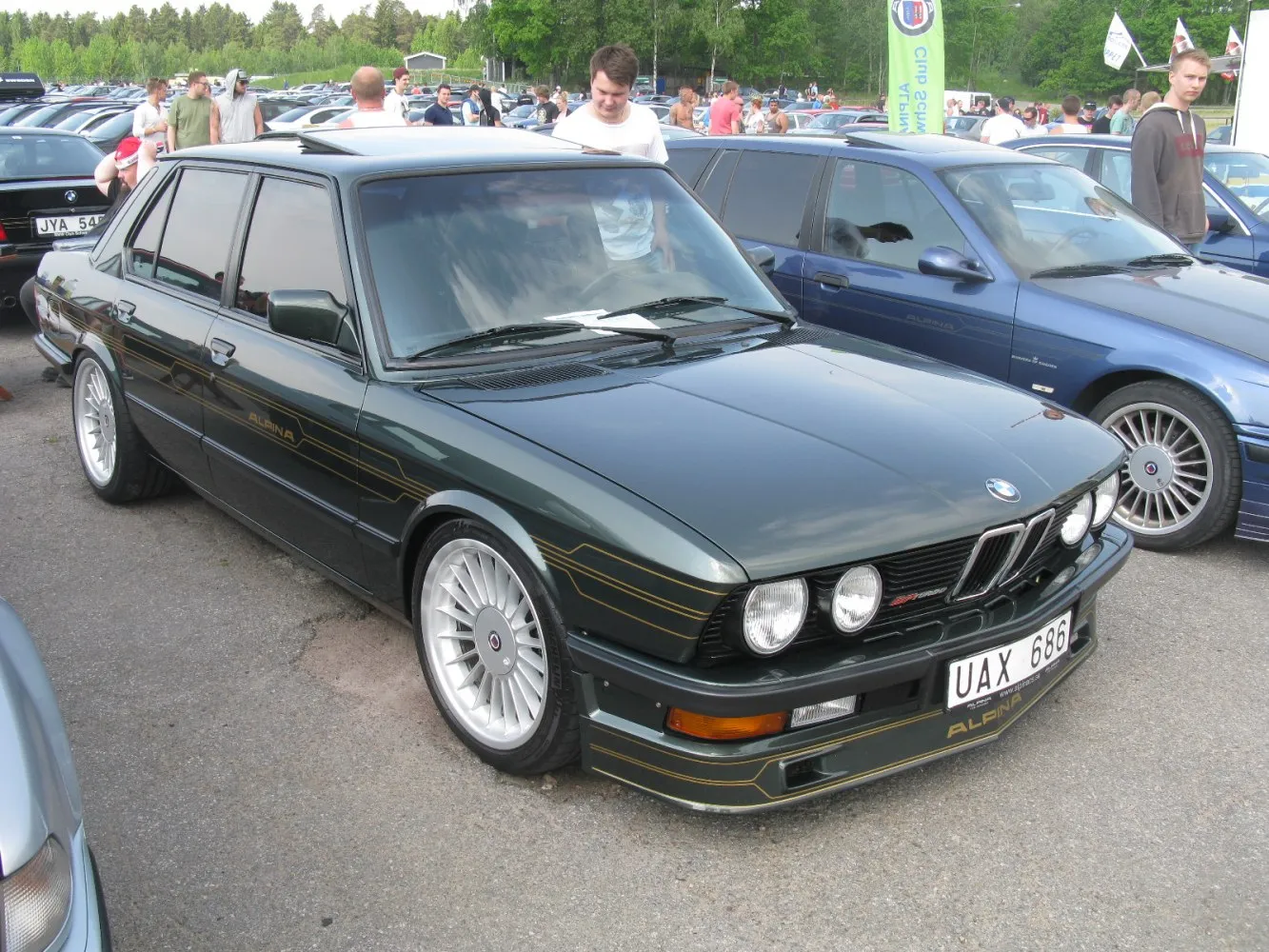
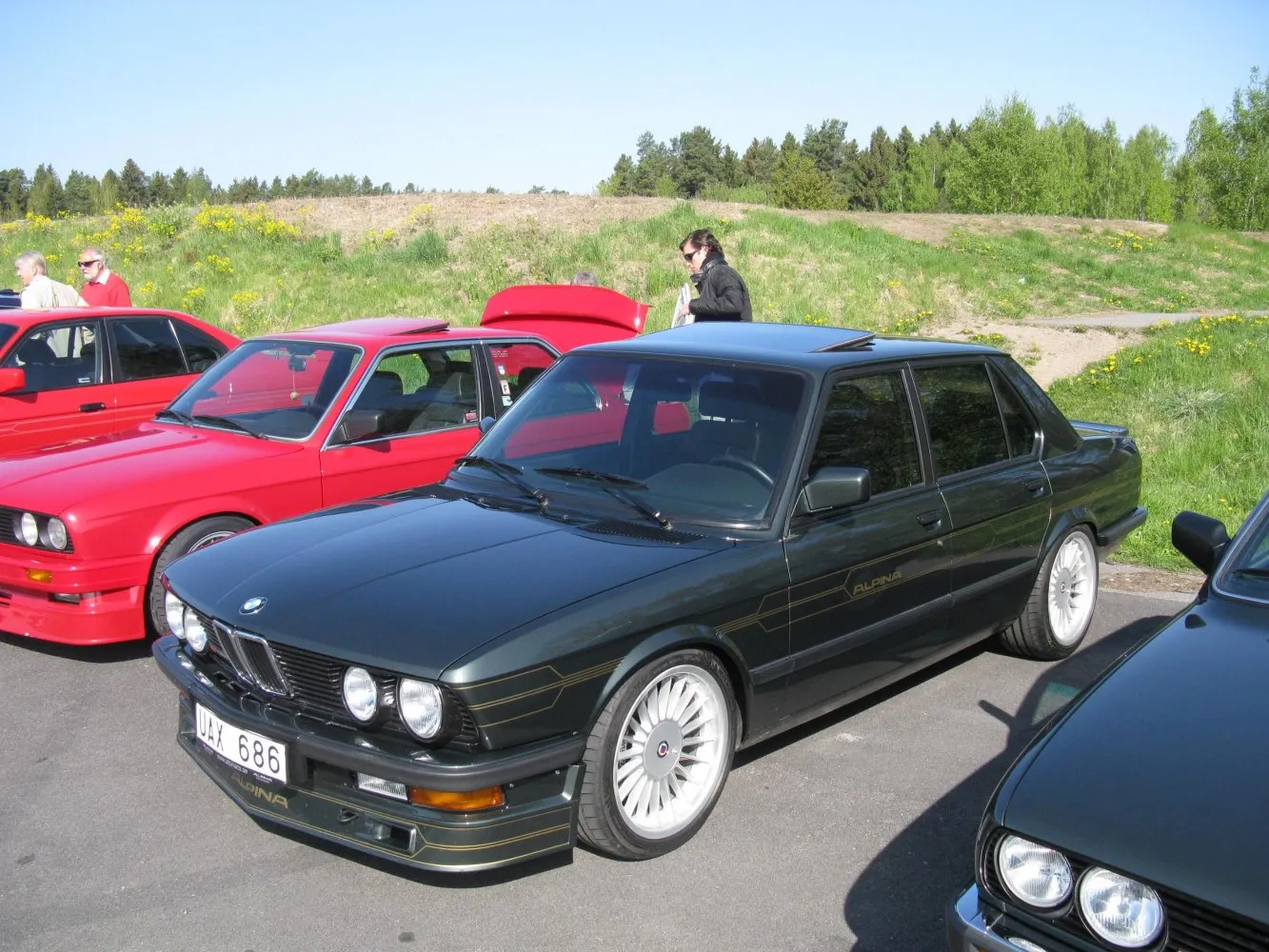
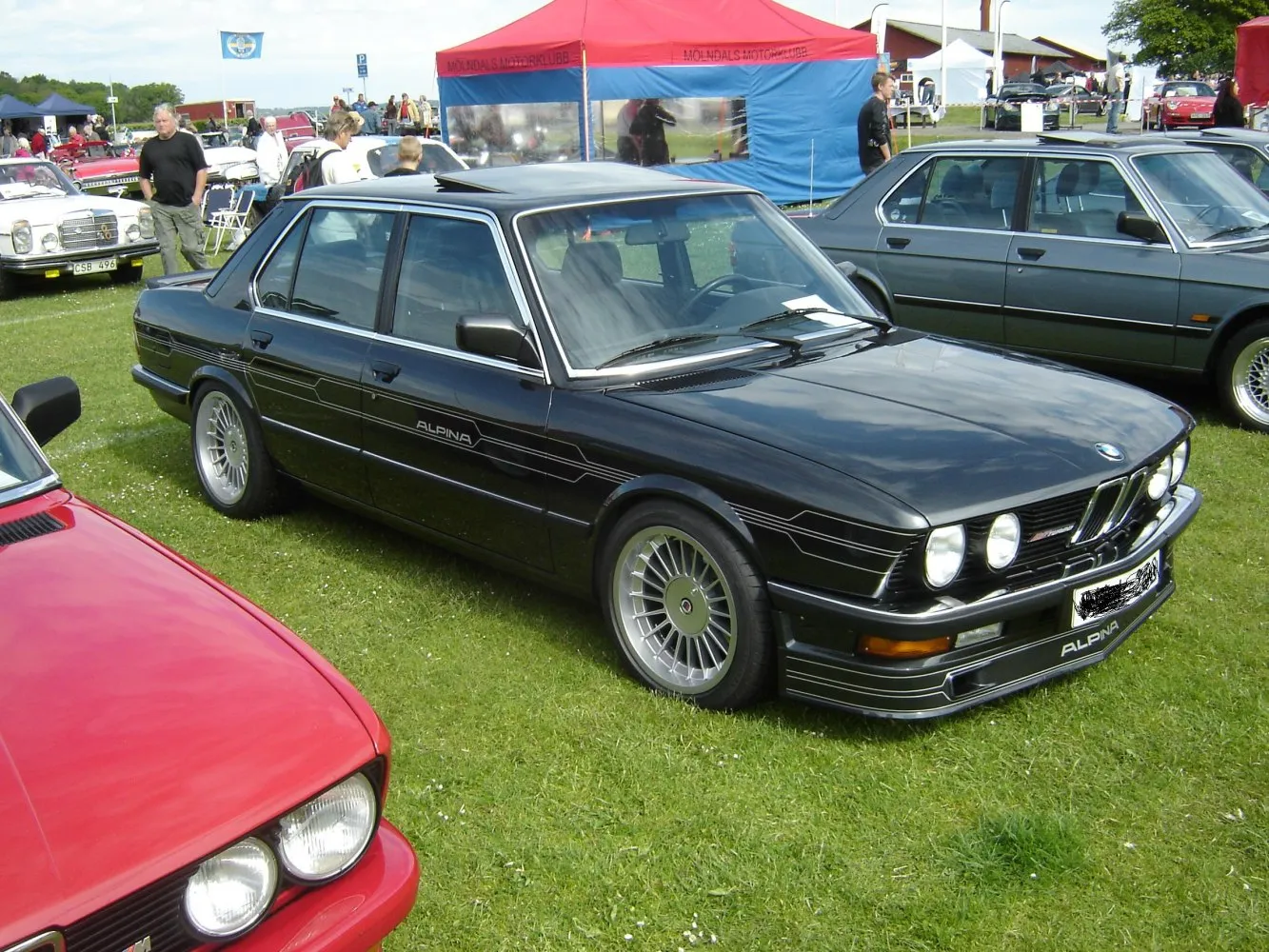
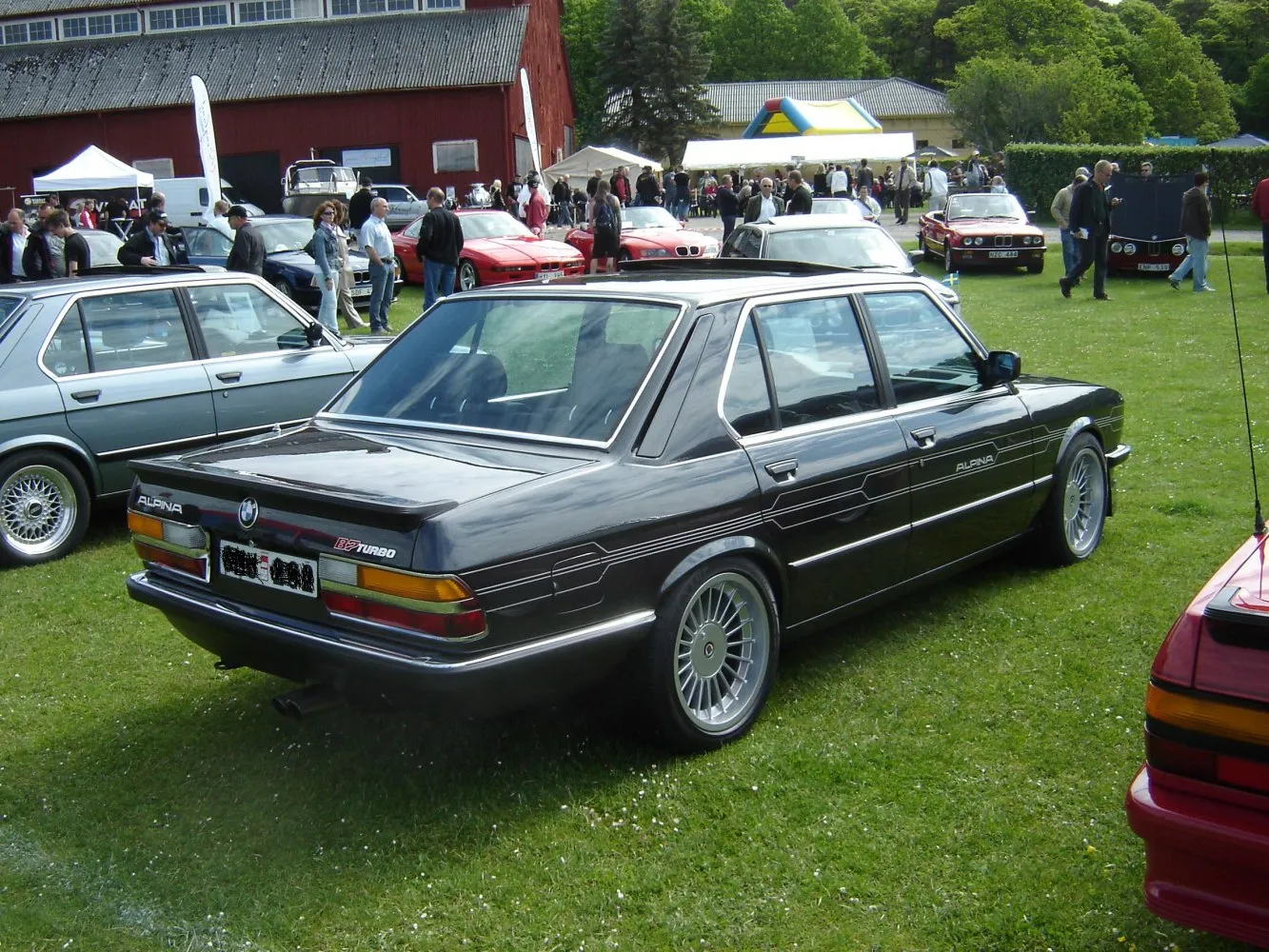
Alpina B7 E28 3.5 (320 Hp)
Overall Rating
Alpina B7:
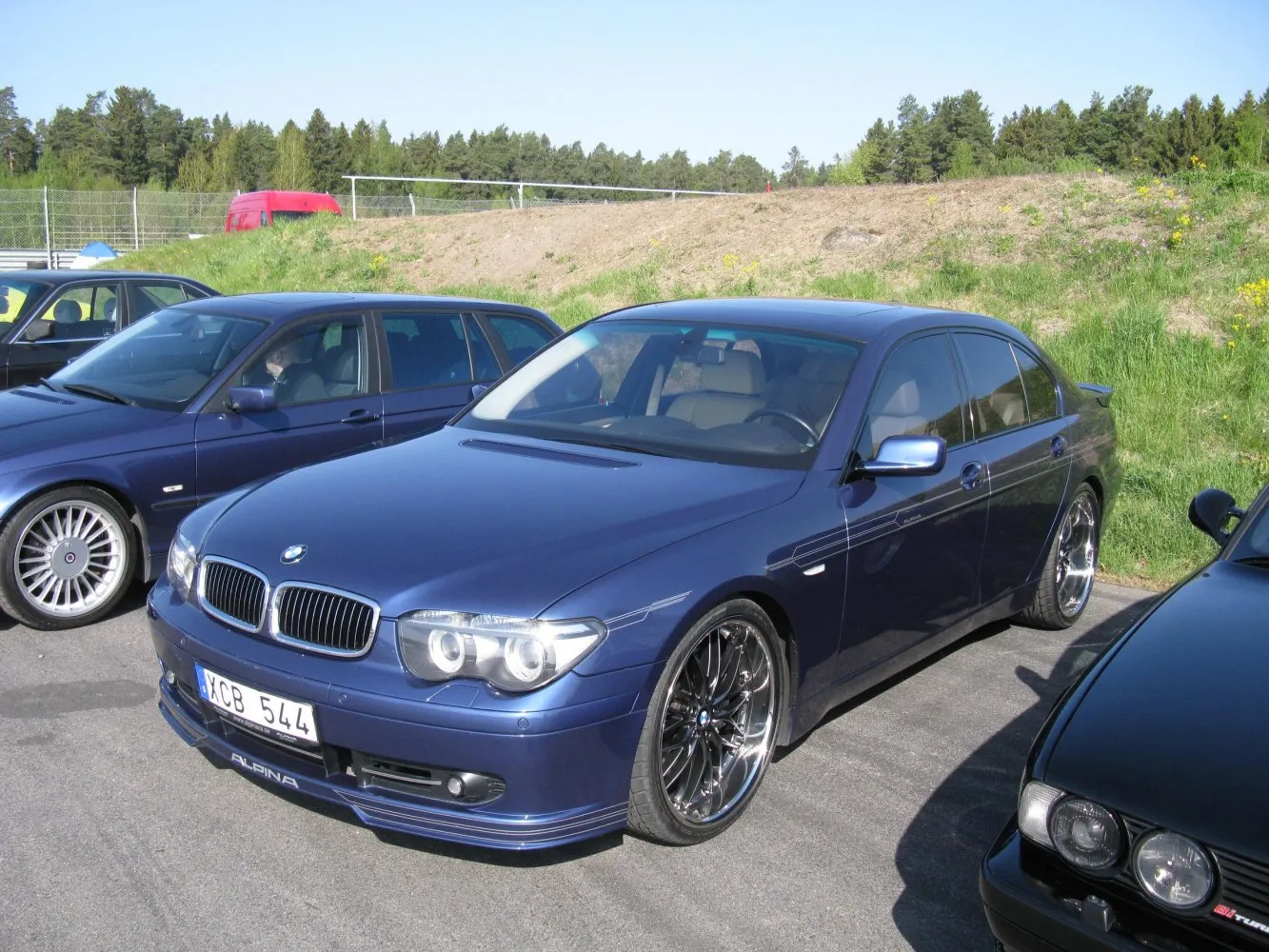
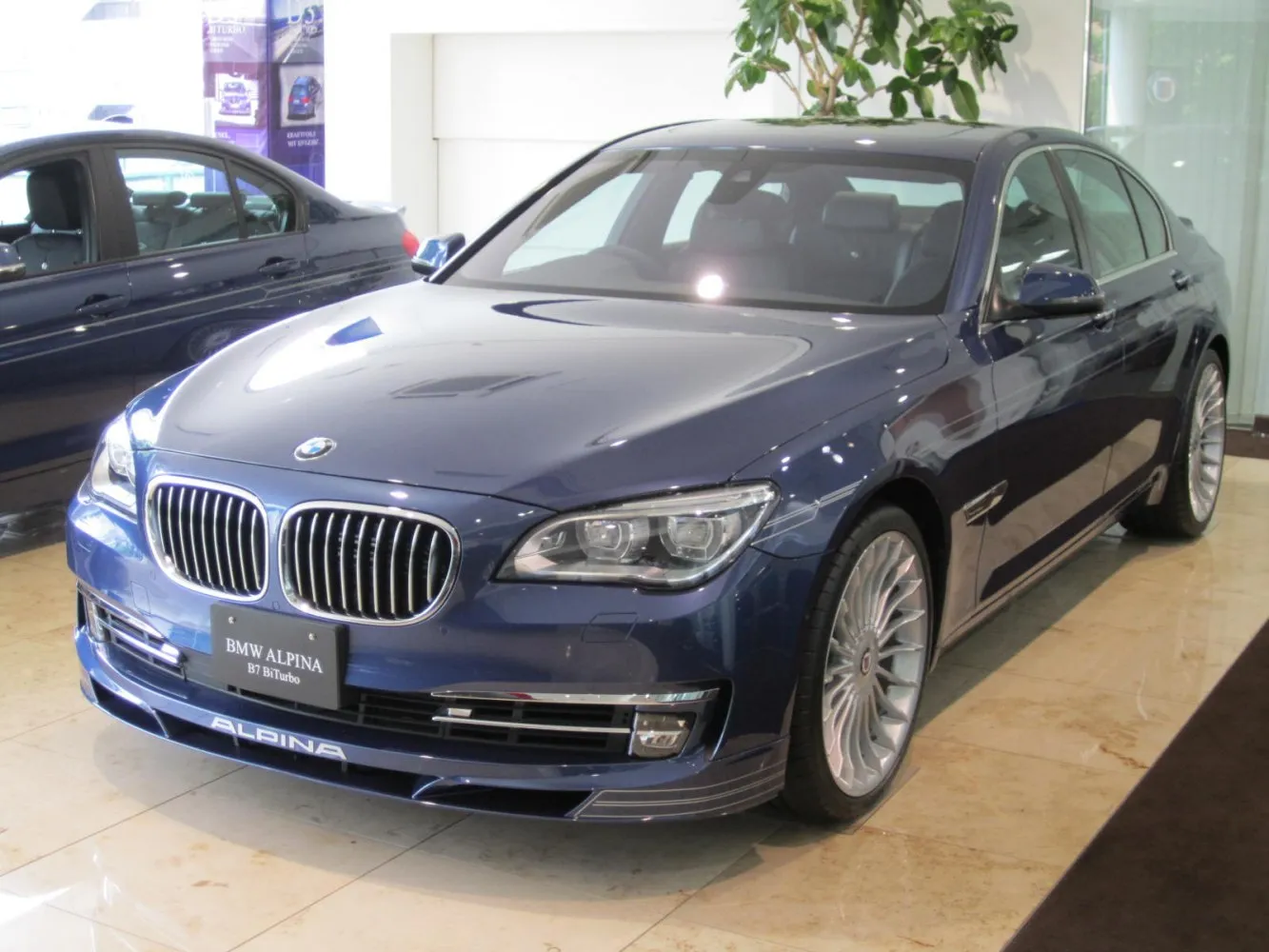
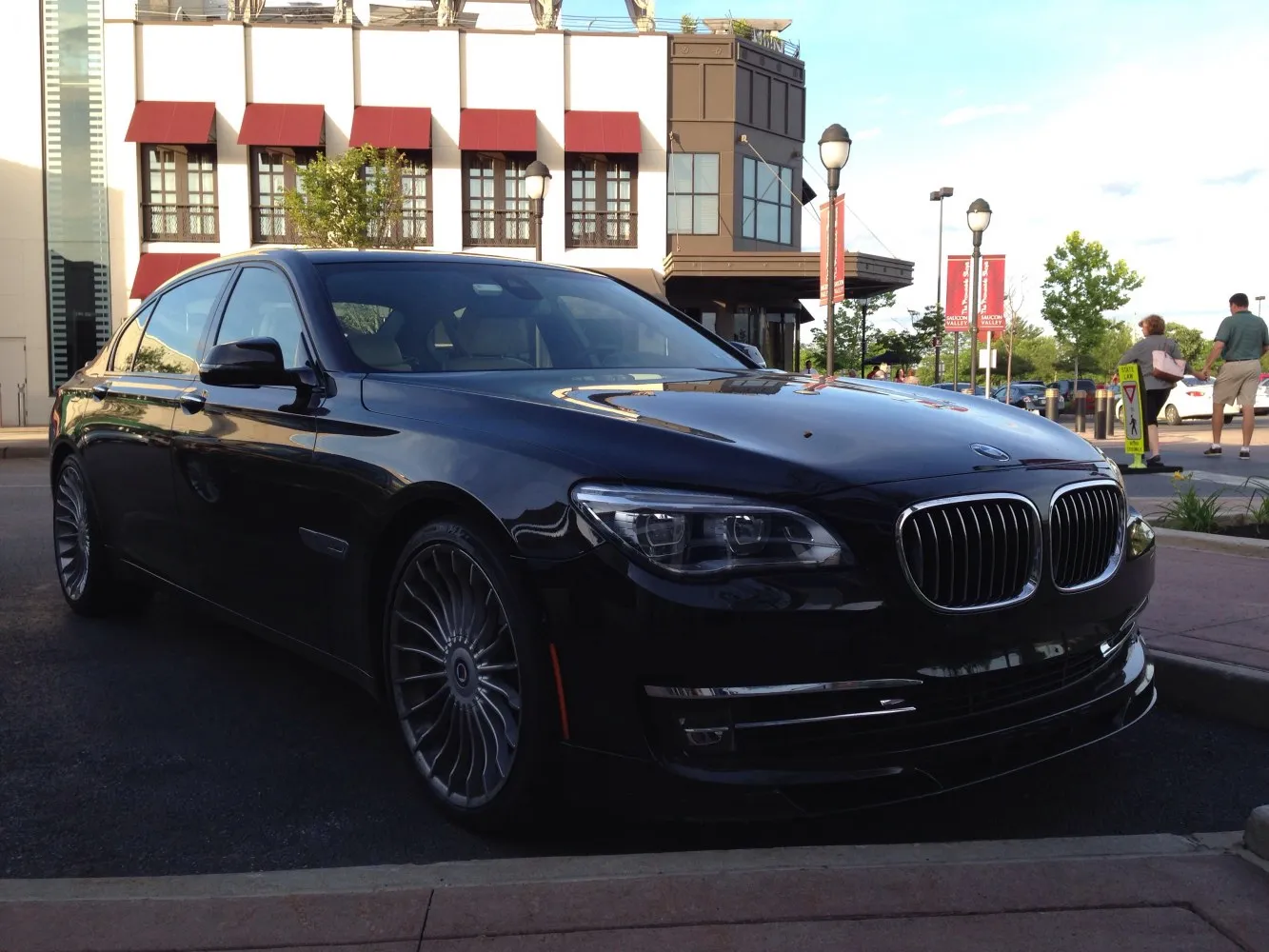
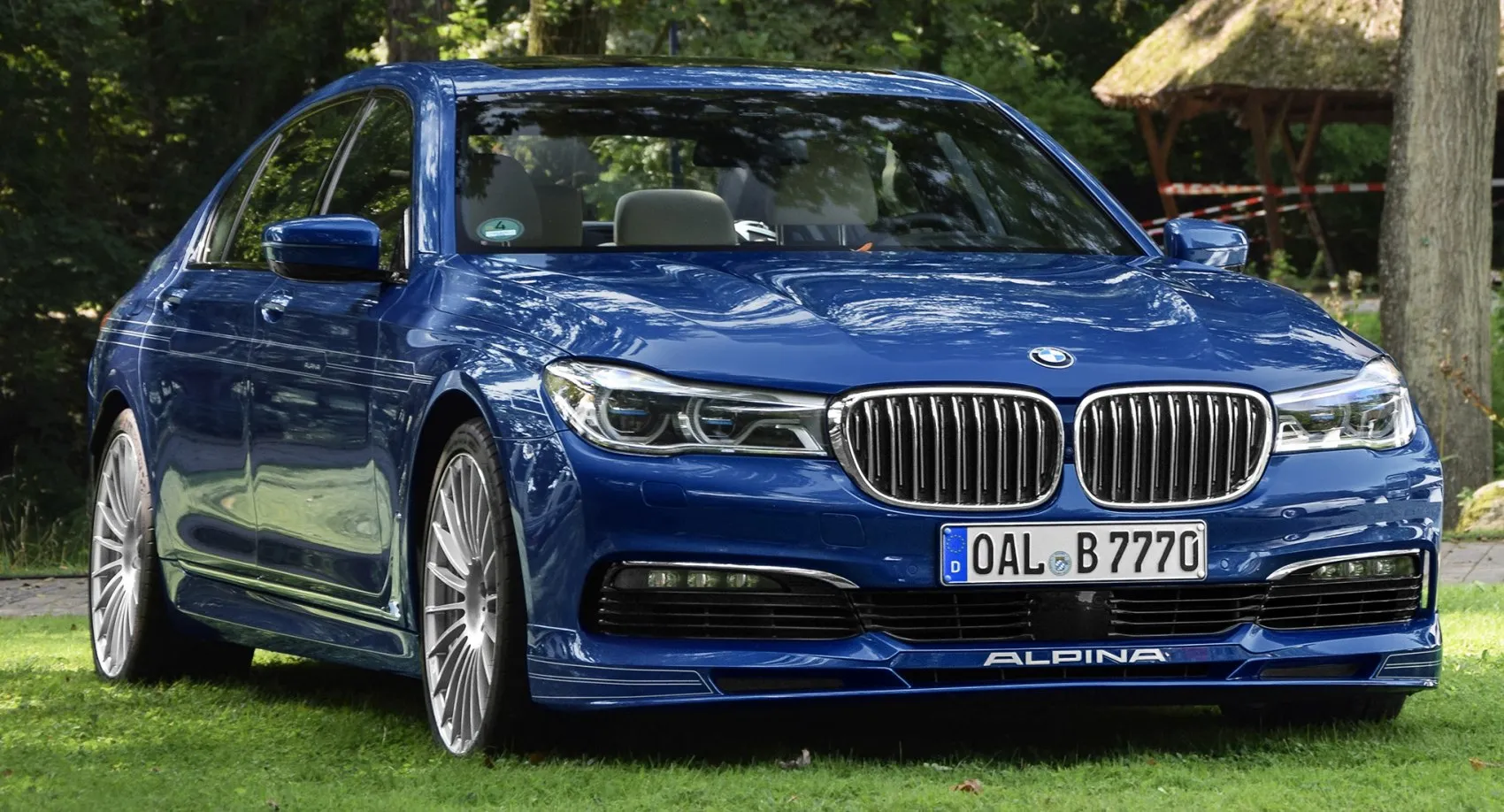
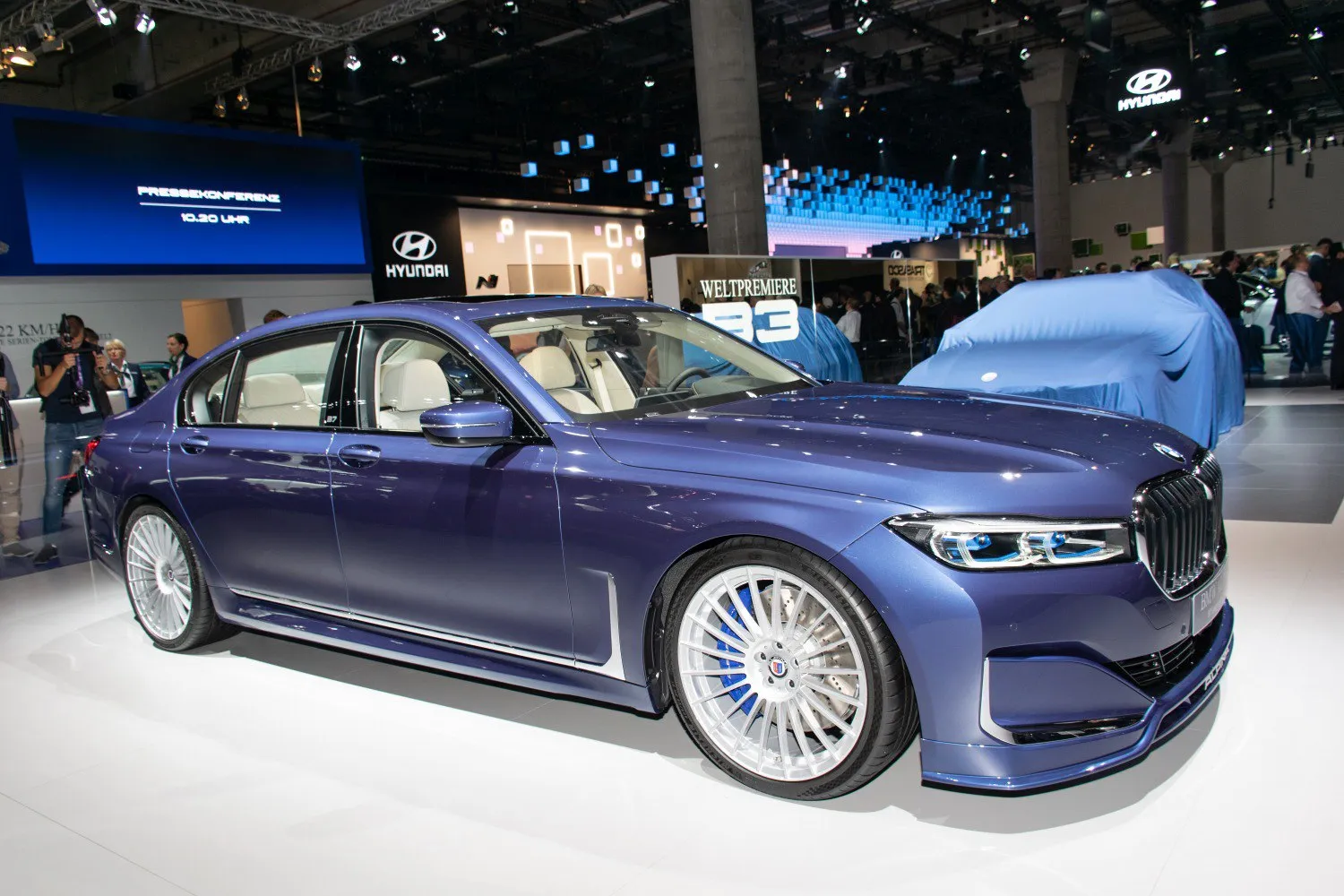
The Alpina B7 Bi-Turbo, or Alpina B7, is the fifth generation of the high-performance full-size luxury car released by German automobile manufacturer Alpina. Based on the BMW 7 Series , the B7 Bi-Turbo was introduced at the 2016 Geneva Motor Show. Known as the B7 in North America, the car is the third B7 model to be imported to the United States. The Alpina B7 was discontinued in September 2022.
The B7 Bi-Turbo is based on the 750Li and uses a modified version of its 4. 4-litre twin-turbocharged V8 engine designated the N63M30. The engine is modified by the addition of modified twin-scroll turbochargers having larger inlet and outer dimensions and new compressors for an increased boost pressure of 1. 4 bar , replacement of the standard pistons with high-strength MAHLE pistons, new NGK spark plugs, a new air-to-water intercooler making use of short charge air intake paths to feed air to the air intake manifold, a revised cooling system with large diameter hoses for uninterrupted flow and additional external water and oil coolers. These modifications allow the engine to generate a power output of 608 PS at 6,250 rpm and 800 N⋅m of torque between 3,000 and 5,000 rpm. 670 N⋅m of torque is achieved at 2,000 rpm. The engine has a compression ratio of 10. 0:1....(Read more on Wikipedia)
E28 Overview:
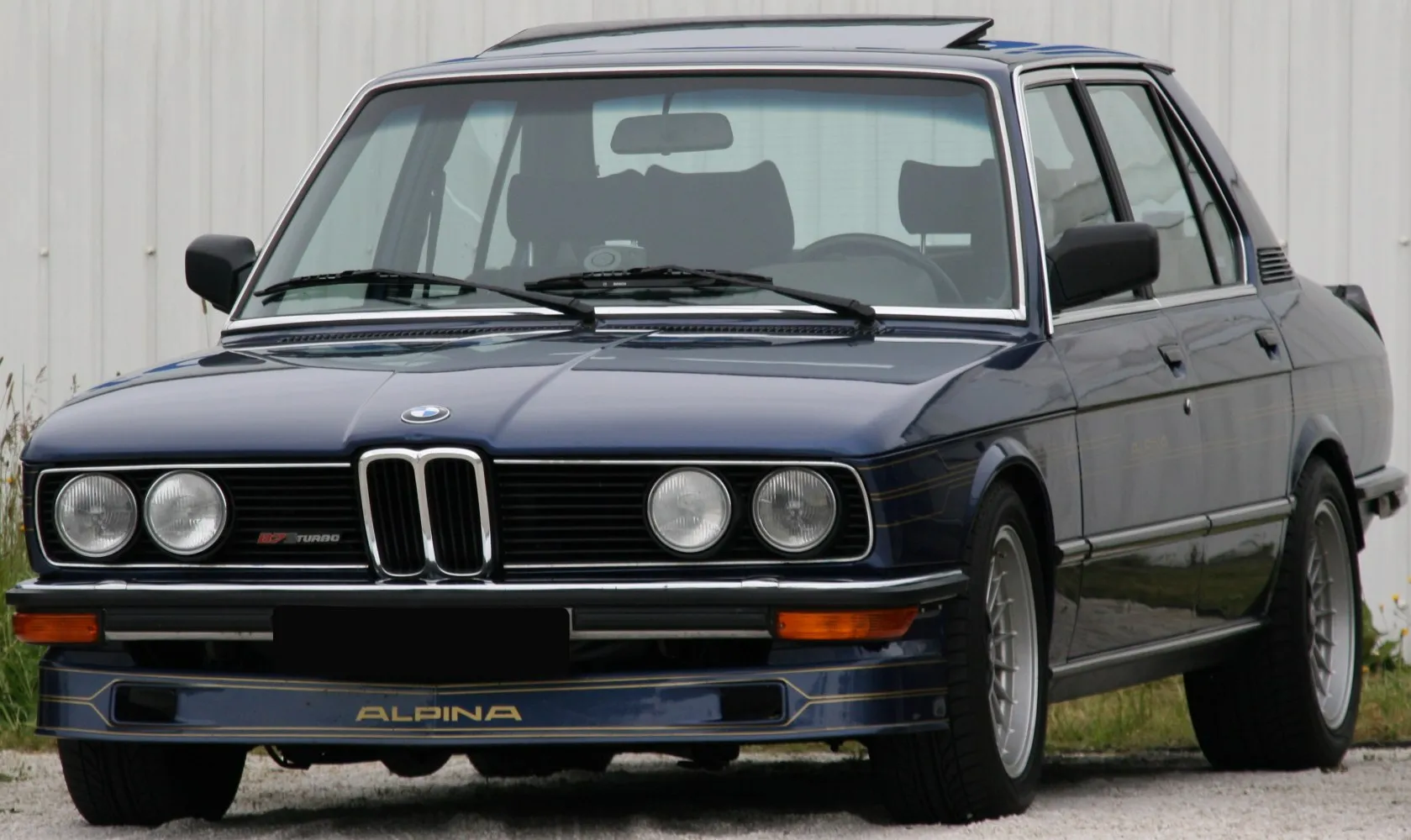
Alpina B7 (E28). With 520 Nm of torque, it offers ample pulling power. With a weight of 1410 kg, it falls in the mid‑range. Rear‑wheel drive offers dynamic handling and sporty feedback. Acceleration is good (0–100 km/h in 6.2 s). The top speed reaches 262 km/h. A four-door car with a separate trunk, ideal for families and daily commuting. Seating for 5 makes it ideal for daily use.
The Alpina B7 E28 predates modern Euro NCAP testing. While equipped with ABS, safety features are rudimentary by today's standards, reflecting 1980s automotive safety technology.
3.5 (320 Hp) Verdict:

Performance Verdict
An absolute powerhouse for its time, delivering supercar-rivalling acceleration and top speed thanks to its turbocharged inline-six. A true performance icon.
Fuel Economy
Fuel consumption is high, as expected for a high-performance turbocharged engine from the 1980s, making it less economical for daily commuting.
Pros and Cons:
Pros:
- • Exceptional performance for its era
- • High exclusivity and collector appeal
- • Superb build quality and Alpina refinement
- • Distinctive styling and presence
- • Engaging manual transmission
Cons:
- • Very high fuel consumption
- • Parts can be rare and expensive, especially Alpina-specific components
- • Lack of modern safety features
- • Maintenance can be costly for a turbocharged classic
- • Ride can be firm for some
Specifications:
Specifications are compared to those of the previous generation(E28: 1984 - 1987).
| General: | |
|---|---|
| Brand: | Alpina |
| Model: | B7 |
| Generation: | E28 |
| Modification (Engine): | 3.5 (320 Hp) |
| Start of production: | 1986 |
| End of production: | 1987 |
| Powertrain Architecture: | Internal Combustion engine |
| Body type: | Sedan |
| Seats: | 5 |
| Doors: | 4 |
| Engine: | |
|---|---|
| Power: | 320 Hp Same horsepower |
| Power per litre: | 93.3 Hp/l [worst than previous generation] |
| Torque: | 520 Nm |
| Engine Model/Code: | B7/3 More details about the engine B7/3 |
| Engine displacement: | 3430 |
| Number of cylinders: | 6 |
| Engine configuration: | Inline |
| Number of valves per cylinder: | 2 |
| Fuel injection system: | Multi-port manifold injection |
| Engine aspiration: | Turbocharger, Intercooler |
| Valvetrain: | SOHC |
| Engine layout: | Front, Longitudinal |
| Cylinder Bore: | 92 mm |
| Piston Stroke: | 86 mm |
| Performance: | |
|---|---|
| Fuel Type: | Petrol (Gasoline) |
| Fuel consumption (economy) - urban: | 16.4 l/100 km |
| Fuel consumption (economy) - extra urban: | 8.6 l/100 km |
| Fuel consumption (economy) - combined: | 11.1 l/100 km |
| Acceleration 0 - 100 km/h: | 6.2 sec |
| Acceleration 0 - 62 mph: | 6.2 sec |
| Maximum speed: | 262 km/h |
| Weight-to-power ratio: | 4.4 kg/Hp, 227 Hp/tonne |
| Weight-to-torque ratio: | 2.7 kg/Nm, 368.8 Nm/tonne |
| Acceleration 0 - 60 mph: | 5.9 sec |
| Space: | |
|---|---|
| Kerb Weight: | 1410 |
| Max. weight: | 1920 |
| Max load: | 510 |
| Trunk (boot) space - minimum: | 460 l |
| Fuel tank capacity: | 109 l |
| Size: | |
|---|---|
| Length: | 4620 mm |
| Width: | 1700 mm |
| Height: | 1395 mm |
| Wheelbase: | 2625 mm |
| Minimum turning circle (turning diameter): | 10.9 m [above average] |
| Powertrain: | |
|---|---|
| Drivetrain Architecture | The Internal combustion engine (ICE) drives the rear wheels of the vehicle. |
| Drive wheel | Rear wheel drive |
| Number of gears | 5 |
| Transmission type | Manual |
| Assisting systems | ABS (Anti-lock braking system) |
| Tires size | Front wheel tires: 205/55 R16 |


Does the Alpina B7 live up to the hype? Give us your verdict!