
Click on image to view the full photo gallery
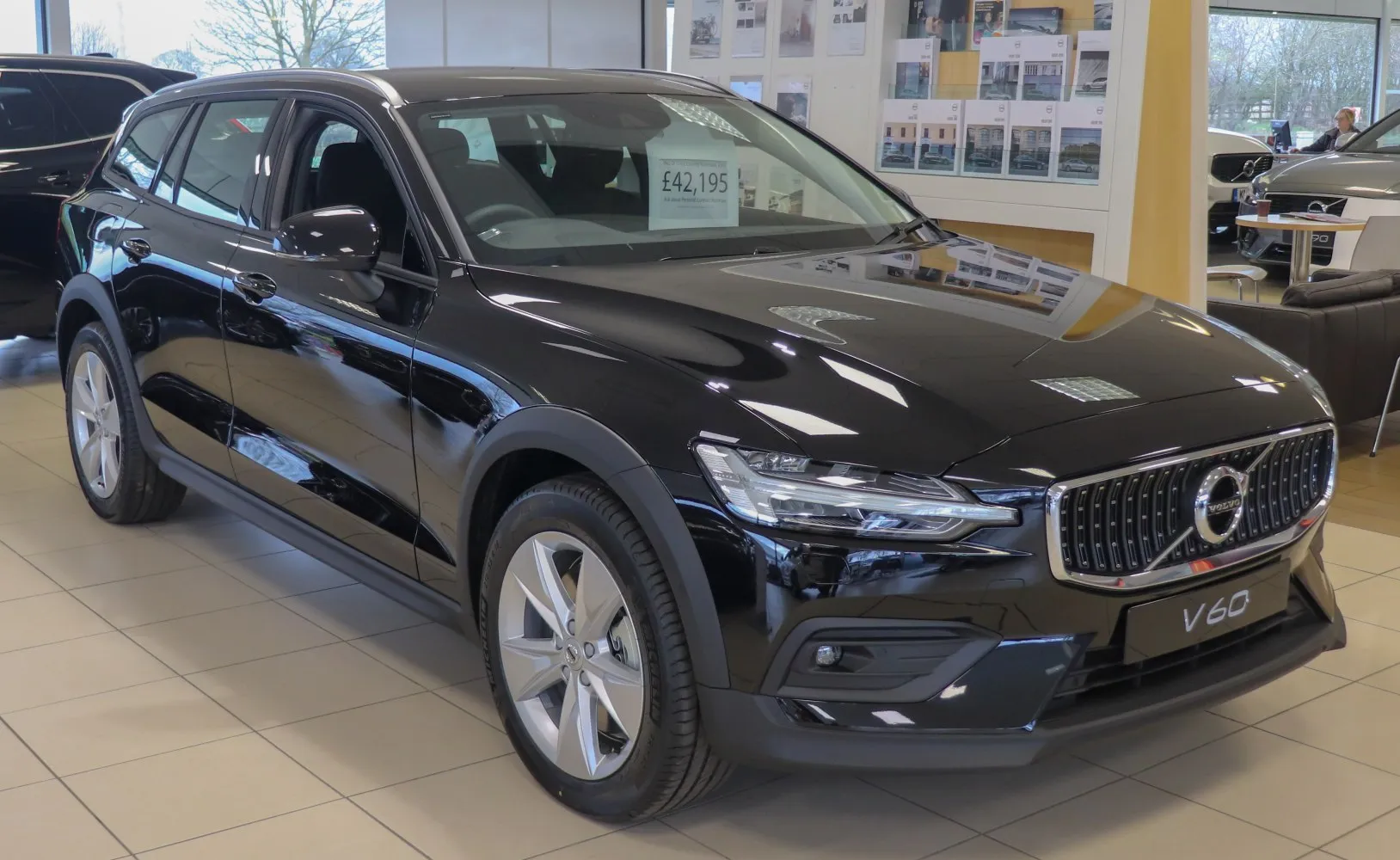
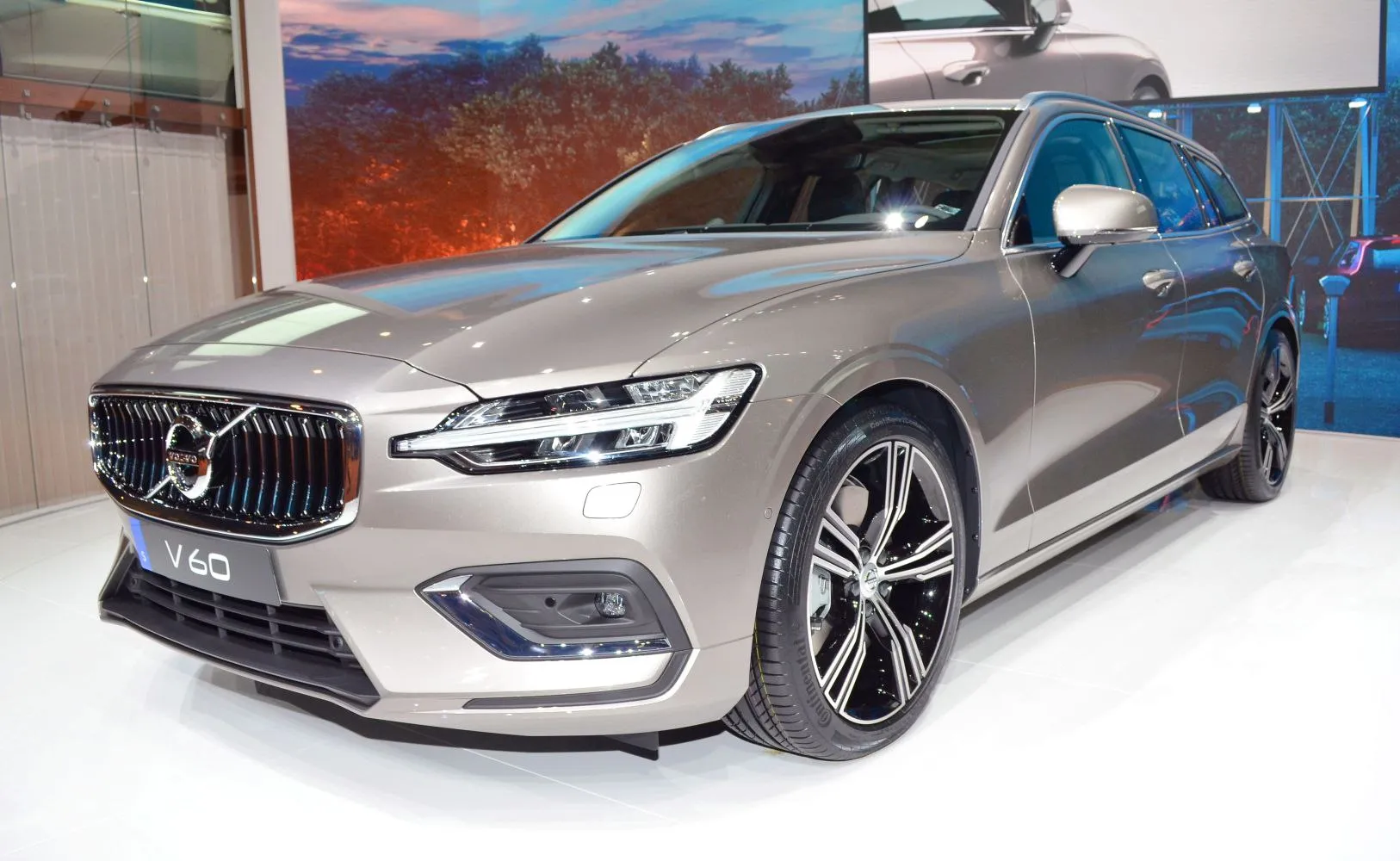
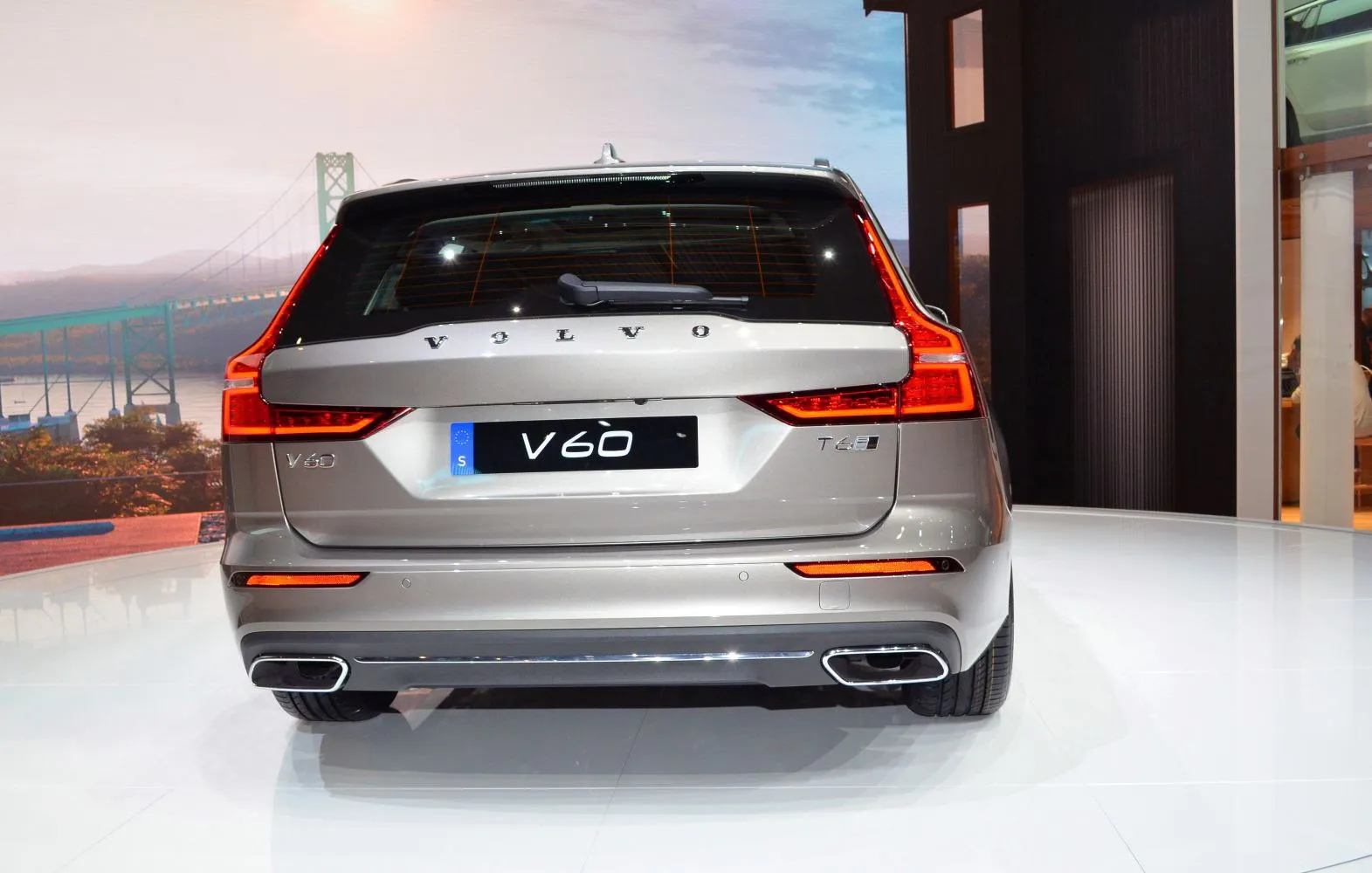
Volvo V60 II 2.0 B4 (197 Hp) Mild Hybrid DCT
Overall Rating
Volvo V60:
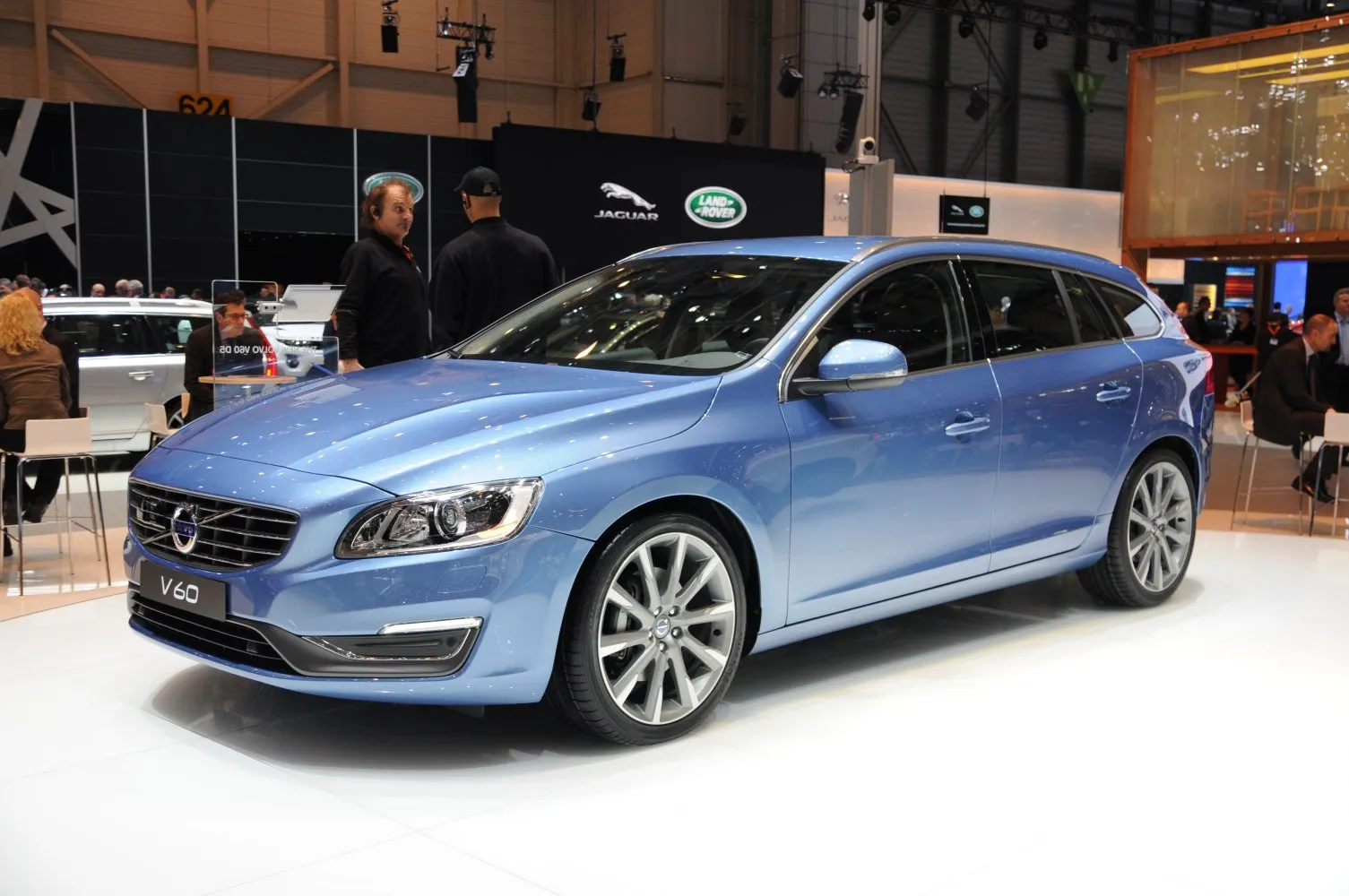
The Volvo V60 is a compact executive station wagon produced by Volvo Cars related to the S60 mid-size sedan. The vehicle was first released in autumn 2010, facelifted in 2014, and is in its second generation since 2018.
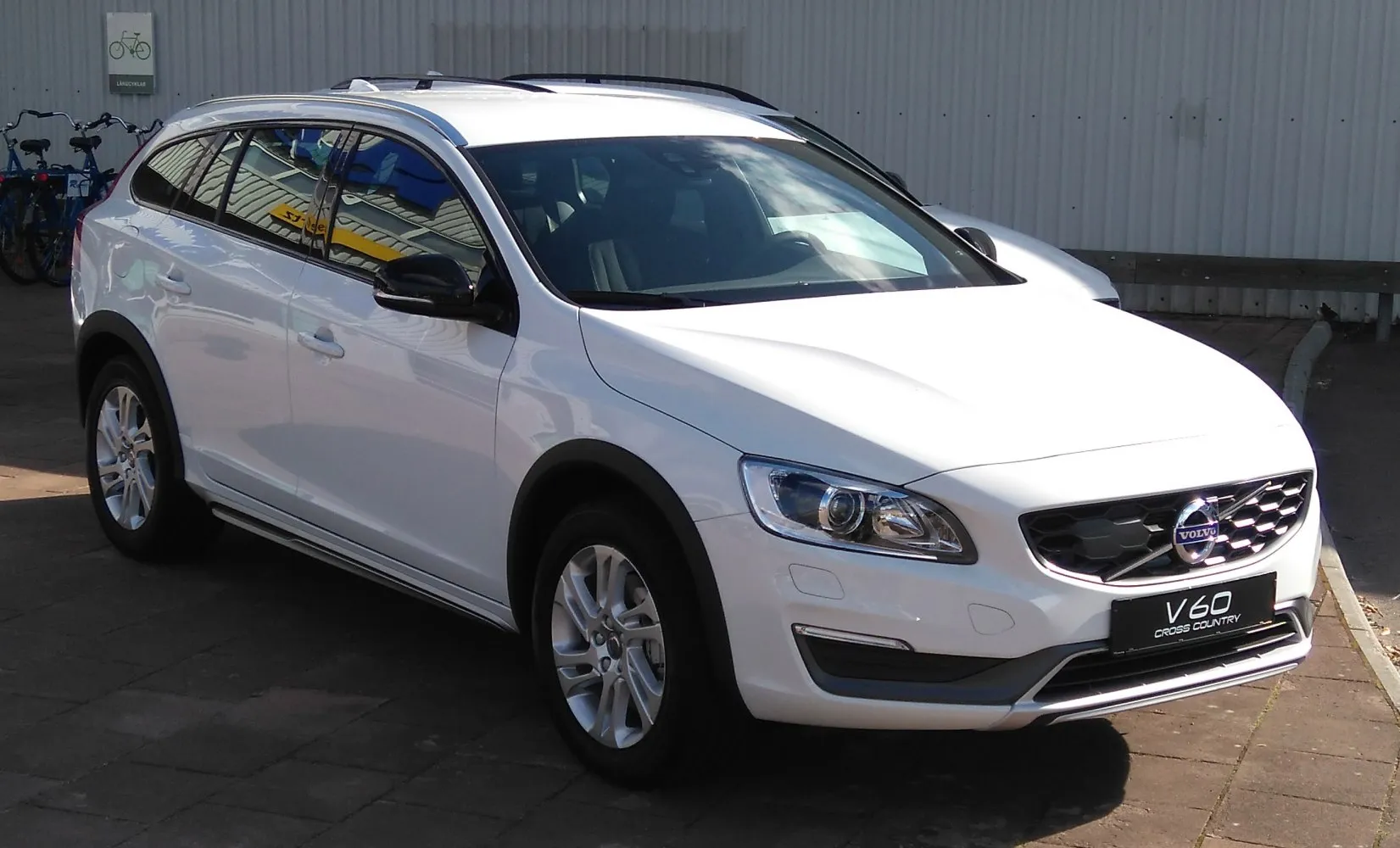
The second generation V60 was launched in 2018 based on the Volvo Scalable Product Architecture platform. Both generations feature a "Cross Country" variant with a slightly increased ground clearance and ride height.
In February 2014, Volvo unveiled a special version of the V60 called Ocean Race Edition. Similar to other Ocean Race Editions that were released in the past, the new models feature unique details such as special alloy wheels and a cargo cover with the route of the 2014 to 2015 Volvo Ocean Race on it. Colour choice was limited to just four colours, one of them being the signature Ocean Race Blue. The interior features special Ocean Race themed detailing and contrast stitching....(Read more on Wikipedia)
II Overview:
Volvo V60 (II). With 300 Nm of torque, it offers ample pulling power. Front‑wheel drive delivers efficiency and easy handling. Acceleration is good (0–100 km/h in 7.6 s). The top speed reaches 180 km/h. A car with an extended rear cargo area, combining passenger comfort with increased storage. Seating for 5 makes it ideal for daily use.
The Volvo V60 II achieved an outstanding 5-star Euro NCAP rating, demonstrating Volvo's unwavering commitment to occupant protection and advanced safety assist systems.
2.0 B4 (197 Hp) Mild Hybrid DCT Verdict:

Performance Verdict
A capable mild hybrid with 197 Hp, offering good acceleration (7.6 seconds to 100 km/h). The DCT should provide quicker shifts than a traditional automatic.
Fuel Economy
Fuel economy data is not provided, but expected to be very good, similar to the B4 automatic, benefiting from the mild-hybrid system.
Pros and Cons:
Pros:
- • Stylish and practical station wagon design
- • Exceptional safety features and Euro NCAP rating
- • Comfortable, refined, and high-quality interior
- • Wide range of efficient mild-hybrid and plug-in hybrid powertrains
- • Strong performance options available (T6, T8, B5)
- • Generous trunk and cargo space
Cons:
- • Rear legroom can be tighter than some rivals for taller passengers
- • Sensus infotainment system can be less intuitive than competitors' newer systems
- • Higher trim levels and PHEV models can be expensive
- • Some entry-level engines may feel underpowered for the car's size
- • Ride can be firm on larger wheel options
Specifications:
Specifications are compared to those of the previous generation(II: April, 2019 - September, 2021).
| General: | |
|---|---|
| Brand: | Volvo |
| Model: | V60 |
| Generation: | II |
| Modification (Engine): | 2.0 B4 (197 Hp) Mild Hybrid DCT |
| Start of production: | February, 2022 |
| Powertrain Architecture: | MHEV (Mild Hybrid Electric Vehicle, power-assist hybrid, battery-assisted hybrid vehicles, BAHV) |
| Body type: | Station wagon (estate) |
| Seats: | 5 |
| Doors: | 5 |
| Engine: | |
|---|---|
| Engine systems: | Start & Stop System |
| Power: | 197 Hp @ 4750-5250 rpm. Same horsepower |
| Power per litre: | 100.1 Hp/l [17mm more] |
| Torque: | 300 Nm @ 1500-4200 rpm. |
| Engine Model/Code: | B420T5 More details about the engine B420T5 |
| Engine displacement: | 1969 |
| Number of cylinders: | 4 |
| Engine configuration: | Inline |
| Number of valves per cylinder: | 4 |
| Fuel injection system: | Direct injection |
| Engine aspiration: | Turbocharger, Intercooler |
| Valvetrain: | DOHC |
| Engine oil capacity: | 6.1 l |
| Engine layout: | Front, Transverse |
| Cylinder Bore: | 82 mm mm |
| Piston Stroke: | 93.2 mm mm |
| Compression ratio: | 12:1 |
| Maximum engine speed: | 6000 rpm. |
| Performance: | |
|---|---|
| Fuel Type: | Petrol (Gasoline) |
| Combined fuel consumption (WLTP): | 6.2-6.9 l/100 km |
| Fuel consumption at Low speed (WLTP): | 9.2-9.7 l/100 km |
| Fuel consumption at Medium speed (WLTP): | 5.9-6.5 l/100 km |
| Fuel consumption at high speed (WLTP): | 5.1-5.8 l/100 km |
| Fuel consumption at very high speed (WLTP): | 6.1-7 l/100 km |
| Emission standard: | Euro 6d |
| Acceleration 0 - 100 km/h: | 7.6 sec |
| Acceleration 0 - 62 mph: | 7.6 sec |
| Maximum speed: | 180 km/h |
| Acceleration 0 - 60 mph: | 7.2 sec |
| 100 km/h - 0: | 35 m |
| Space: | |
|---|---|
| Max. roof load: | 75 kg |
| Trunk (boot) space - maximum: | 1431 l |
| Trunk (boot) space - minimum: | 519 l |
| Permitted trailer load with brakes (12%): | 1800 kg |
| Fuel tank capacity: | 60 l |
| Permitted trailer load without brakes: | 750 kg |
| Size: | |
|---|---|
| Length: | 4778 mm mm [17mm more] |
| Width: | 1850 mm mm [Same width.] |
| Height: | 1432 mm mm [5mm more] |
| Wheelbase: | 2872 mm mm [Same wheelbase.] |
| Width with mirrors folded: | 1916 mm |
| Width including mirrors: | 2040 mm |
| Front track: | 1593-1610 mm |
| Rear (Back) track: | 1593-1610 mm |
| Ride height (ground clearance): | 142 mm |
| Minimum turning circle (turning diameter): | 11.4-12.1 m [above average] |
| Powertrain: | |
|---|---|
| Drivetrain Architecture | The Internal combustion engine (ICE) and electric motor drive the front wheels of the car with the ability to work only in mixed mode. |
| Drive wheel | Front wheel drive |
| Number of gears | 7 |
| Transmission type | Automatic |
| Gearbox type | DCT |
| Front brakes | Disc, 296x28-371x32 mm [above average] |
| Rear brakes | Disc, 302x12-320x20 mm [above average] |
| Assisting systems | ABS (Anti-lock braking system) |
| Steering type | Steering rack and pinion |
| Power steering | Electric Steering |
| Tires size | 215/60 R16; 225/50 R17; 235/45 R18; 235/40 R19; 245/35 R20 |
| Wheel rims size | 7J x 16; 7J x 17; 8J x 18; 8J x 19; 8J x 20 |
| Front suspension | Double wishbone, Transverse stabilizer |
| Rear suspension | Transverse stabilizer, Leaf spring |
| Electric: | |
|---|---|
| Electric motor power: | 14 Hp |
| Electric motor Torque: | 40 Nm |
| Electric motor location: | Integrated into the transmission |







Driven it? Loved it? Hated it? Share your honest review!