
Click on image to view the full photo gallery
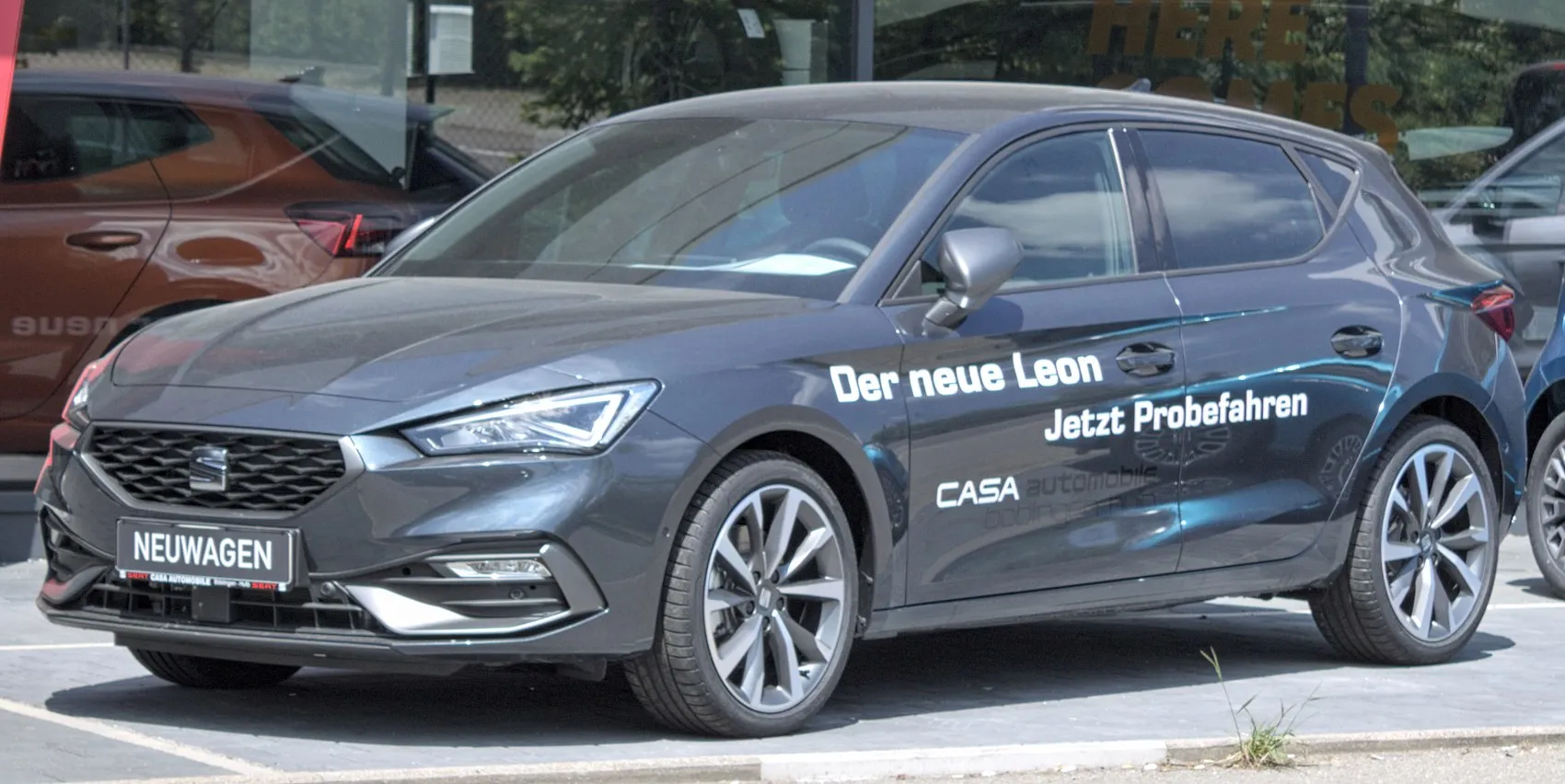
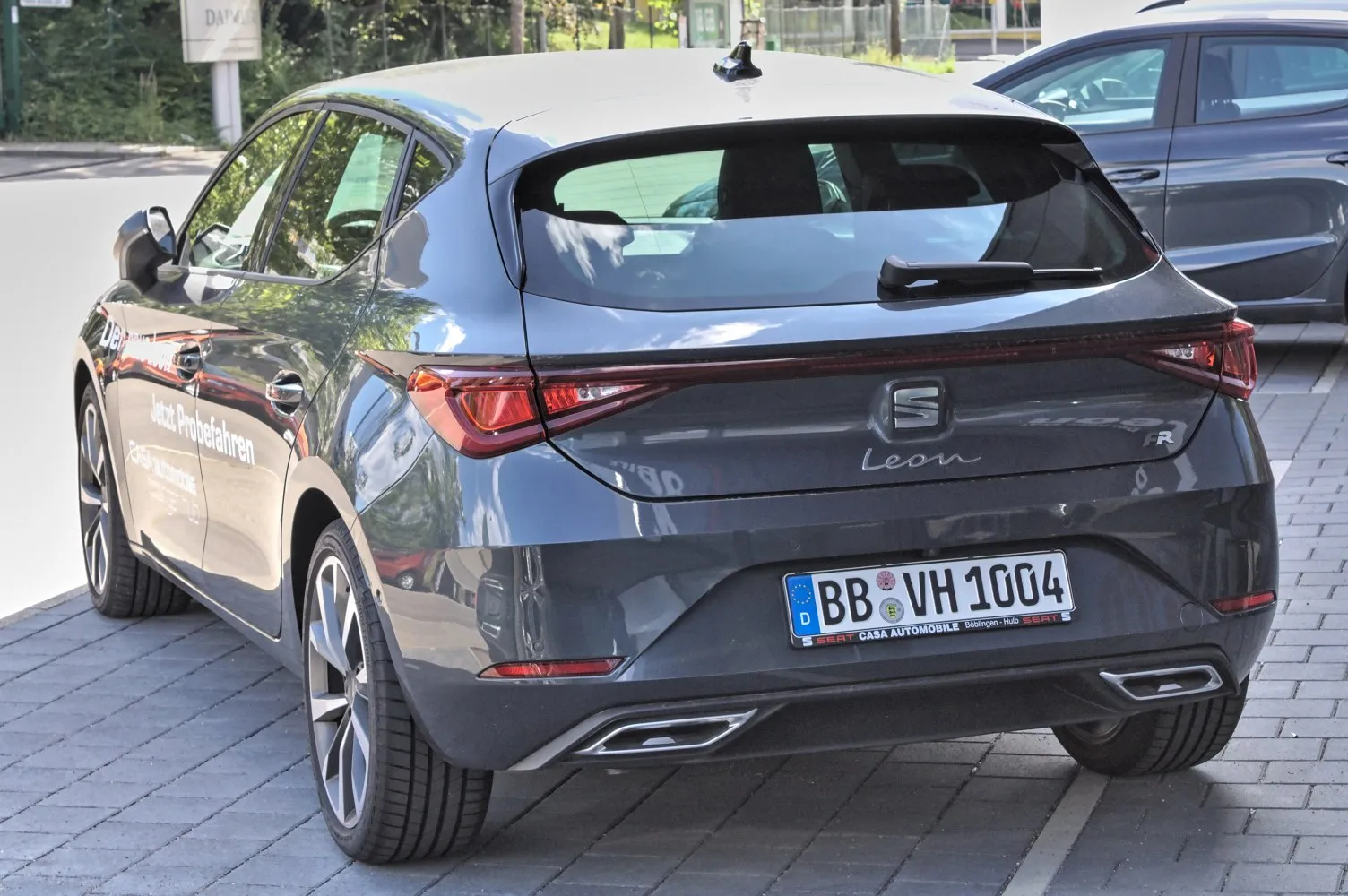
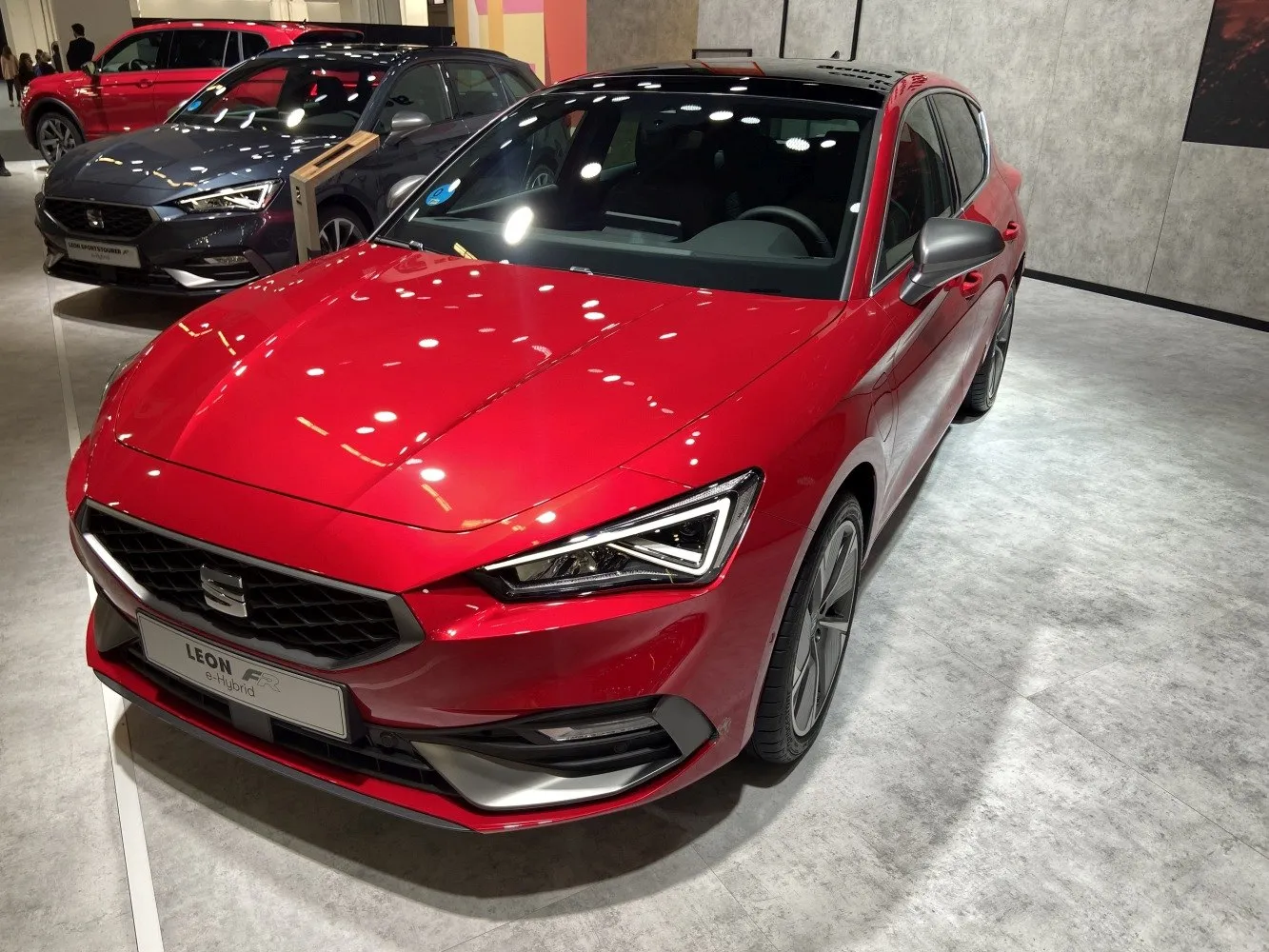
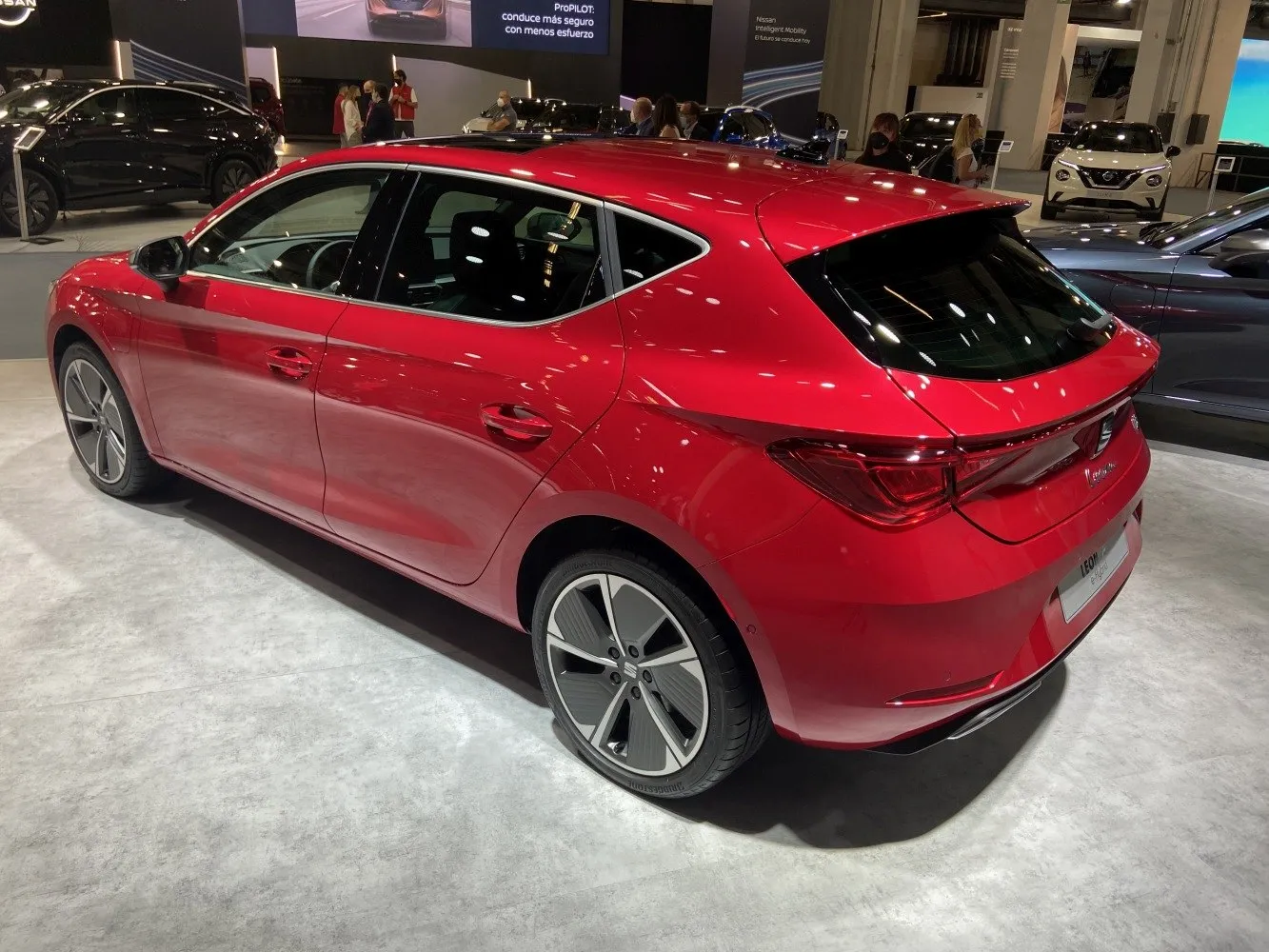
Seat Leon IV 1.5 TGI (130 Hp) DSG
Overall Rating
Seat Leon:
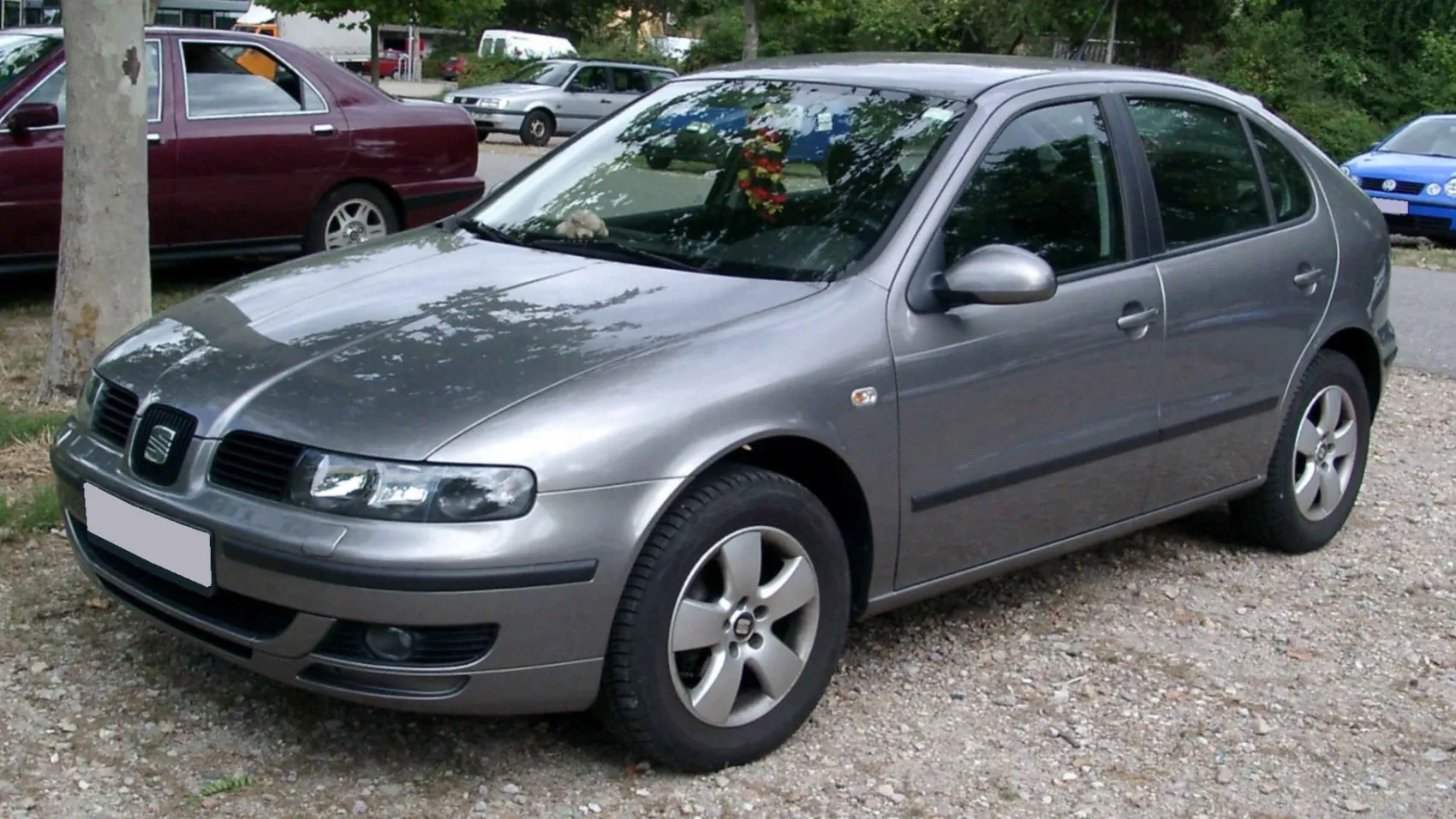
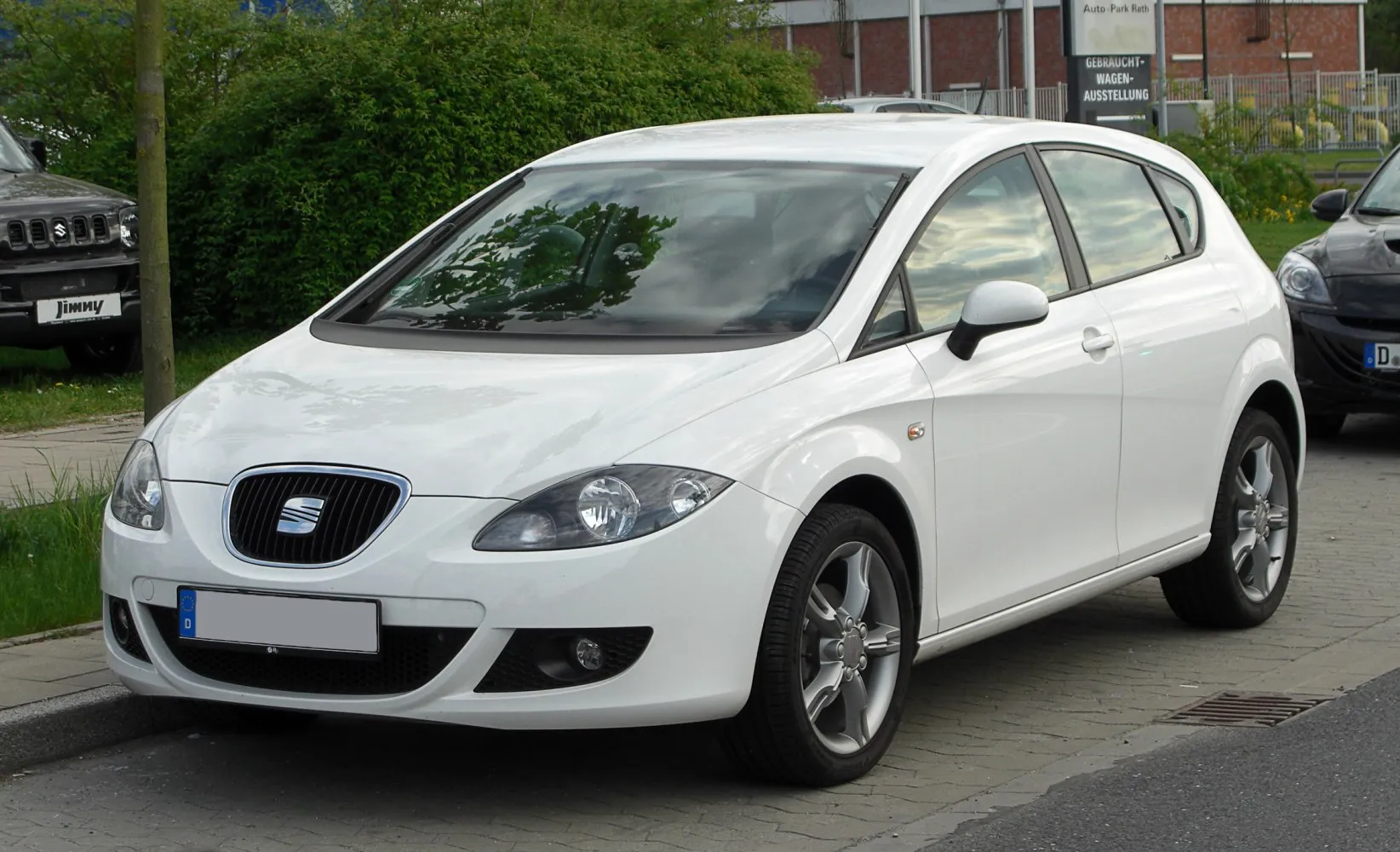
The SEAT León , also spelled Leon in some other languages, is a small family car built by the Spanish car manufacturer SEAT since October 1999. It is named after the city of León.
The first two León generations used two differing variants of the Volkswagen Group A platform, and shared many components with other Volkswagen Group cars. The third and fourth generation use the Volkswagen Group MQB platform, also used by the Audi A3 Mk3 and Mk4, Volkswagen Golf Mk7 and Mk8 and Škoda Octavia Mk3 and Mk4....(Read more on Wikipedia)
IV Overview:
Seat Leon (IV). With 200 Nm of torque, it offers ample pulling power. With a weight of 1336 kg, it falls in the mid‑range. Front‑wheel drive delivers efficiency and easy handling. Acceleration is relatively slow (0–100 km/h in 9.6 s). The top speed reaches 203 km/h. A compact car with a rear door that swings upward to provide access to the cargo area. Seating for 5 makes it ideal for daily use.
The Seat Leon IV achieved an excellent 5-star Euro NCAP rating, demonstrating strong adult occupant protection and comprehensive safety features.
1.5 TGI (130 Hp) DSG Verdict:

Performance Verdict
Decent performance with good torque, making it capable for everyday use, though not overtly sporty.
Fuel Economy
Excellent fuel economy running on CNG, offering lower running costs where infrastructure is available.
Pros and Cons:
Pros:
- • Sharp and attractive exterior design
- • Wide range of efficient and powerful engine options, including mild-hybrid and PHEV
- • Engaging and agile driving dynamics
- • Modern and tech-filled interior with digital cockpit
- • Competitive pricing compared to rivals like the VW Golf
Cons:
- • Some interior materials feel less premium than competitors
- • Infotainment system can be clunky and slow at times
- • Rear legroom is adequate but not class-leading
- • Ride can be firm on sportier trims with larger wheels
Specifications:
Specifications are compared to those of the previous generation(III SC: January, 2013 - 2016).
| General: | |
|---|---|
| Brand: | Seat |
| Model: | Leon |
| Generation: | IV |
| Modification (Engine): | 1.5 TGI (130 Hp) DSG |
| Start of production: | January, 2021 |
| End of production: | January, 2023 |
| Powertrain Architecture: | Internal Combustion engine |
| Body type: | Hatchback |
| Seats: | 5 |
| Doors: | 5 |
| Engine: | |
|---|---|
| Engine systems: | Start & Stop System |
| Power: | 130 Hp @ 5000-6000 rpm. Same horsepower |
| Power per litre: | 86.8 Hp/l [140mm more] |
| Torque: | 200 Nm @ 1400-4000 rpm. |
| Engine Model/Code: | DHF More details about the engine DHF |
| Engine displacement: | 1498 |
| Number of cylinders: | 4 |
| Engine configuration: | Inline |
| Number of valves per cylinder: | 4 |
| Fuel injection system: | Direct injection |
| Engine aspiration: | Turbocharger |
| Engine oil capacity: | 4.3 l |
| Coolant: | 8 l |
| Engine layout: | Front, Transverse |
| Cylinder Bore: | 74.5 mm mm |
| Piston Stroke: | 85.9 mm mm |
| Compression ratio: | 12.5:1 |
| Performance: | |
|---|---|
| Combined fuel consumption (WLTP) (CNG): | 4.1-4.2 kg/100 km |
| Fuel Type: | Petrol / CNG |
| Fuel consumption (economy) - urban: | 4.5 kg/100 km |
| Fuel consumption (economy) - extra urban: | 3.1 kg/100 km |
| Combined fuel consumption (WLTP): | 4.1-4.2 kg/100 km |
| Fuel consumption (economy) - urban (CNG): | 4.5 kg/100 km |
| Fuel consumption (economy) - extra urban (CNG): | 3.1 kg/100 km |
| Fuel consumption (economy) - combined (CNG): | 3.7 kg/100 km |
| Fuel consumption (economy) - combined: | 3.7 kg/100 km |
| Fuel consumption (economy) - urban (CNG) (NEDC, WLTP equivalent): | 4.5 kg/100 km |
| Fuel consumption (economy) - extra urban (CNG) (NEDC, WLTP equivalent): | 3.1 kg/100 km |
| Fuel consumption (economy) - combined (CNG) (NEDC, WLTP equivalent): | 3.7 kg/100 km |
| Emission standard: | Euro 6 AP |
| Acceleration 0 - 100 km/h: | 9.6 sec |
| Acceleration 0 - 62 mph: | 9.6 sec |
| Maximum speed: | 203 km/h |
| Weight-to-power ratio: | 10.3 kg/Hp, 97.3 Hp/tonne |
| Weight-to-torque ratio: | 6.7 kg/Nm, 149.7 Nm/tonne |
| Acceleration 0 - 60 mph: | 9.1 sec |
| Space: | |
|---|---|
| Kerb Weight: | 1336 |
| Max. weight: | 1890 |
| Max. roof load: | 75 kg |
| Max load: | 554 |
| Trunk (boot) space - maximum: | 1220 l |
| Trunk (boot) space - minimum: | 300 l |
| Fuel tank capacity: | 9 l |
| CNG cylinder capacity: | 17.3 kg |
| Size: | |
|---|---|
| Length: | 4368 mm mm [140mm more] |
| Width: | 1800 mm mm [10mm less] |
| Height: | 1442-1456 mm mm [4mm less] |
| Wheelbase: | 2686 mm mm [85mm more] |
| Width including mirrors: | 1991 mm |
| Front overhang: | 888 mm |
| Rear overhang: | 795 mm |
| Minimum turning circle (turning diameter): | 10.5 m [above average] |
| Powertrain: | |
|---|---|
| Drivetrain Architecture | The Internal combustion engine (ICE) drives the front wheels of the vehicle. |
| Drive wheel | Front wheel drive |
| Number of gears | 7 |
| Transmission type | Automatic |
| Gearbox type | DSG |
| Front brakes | Ventilated discs [Best for performance and cooling.] |
| Rear brakes | Disc [above average] |
| Assisting systems | ABS (Anti-lock braking system) |
| Steering type | Steering rack and pinion |
| Power steering | Electric Steering |
| Tires size | 205/55 R16; 225/45 R17; 225/40 R18 |
| Front suspension | Independent type McPherson |
| Rear suspension | Coil spring, Elastic beam |





Is the Seat Leon the king of its class? Share your thoughts.