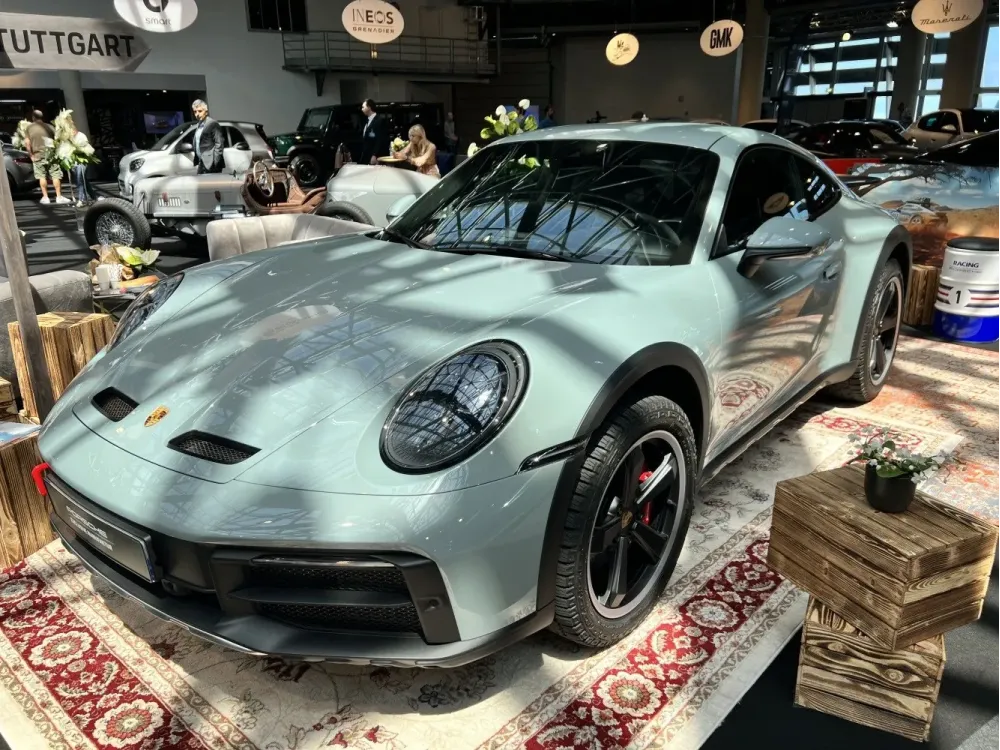
Click on image to view the full photo gallery
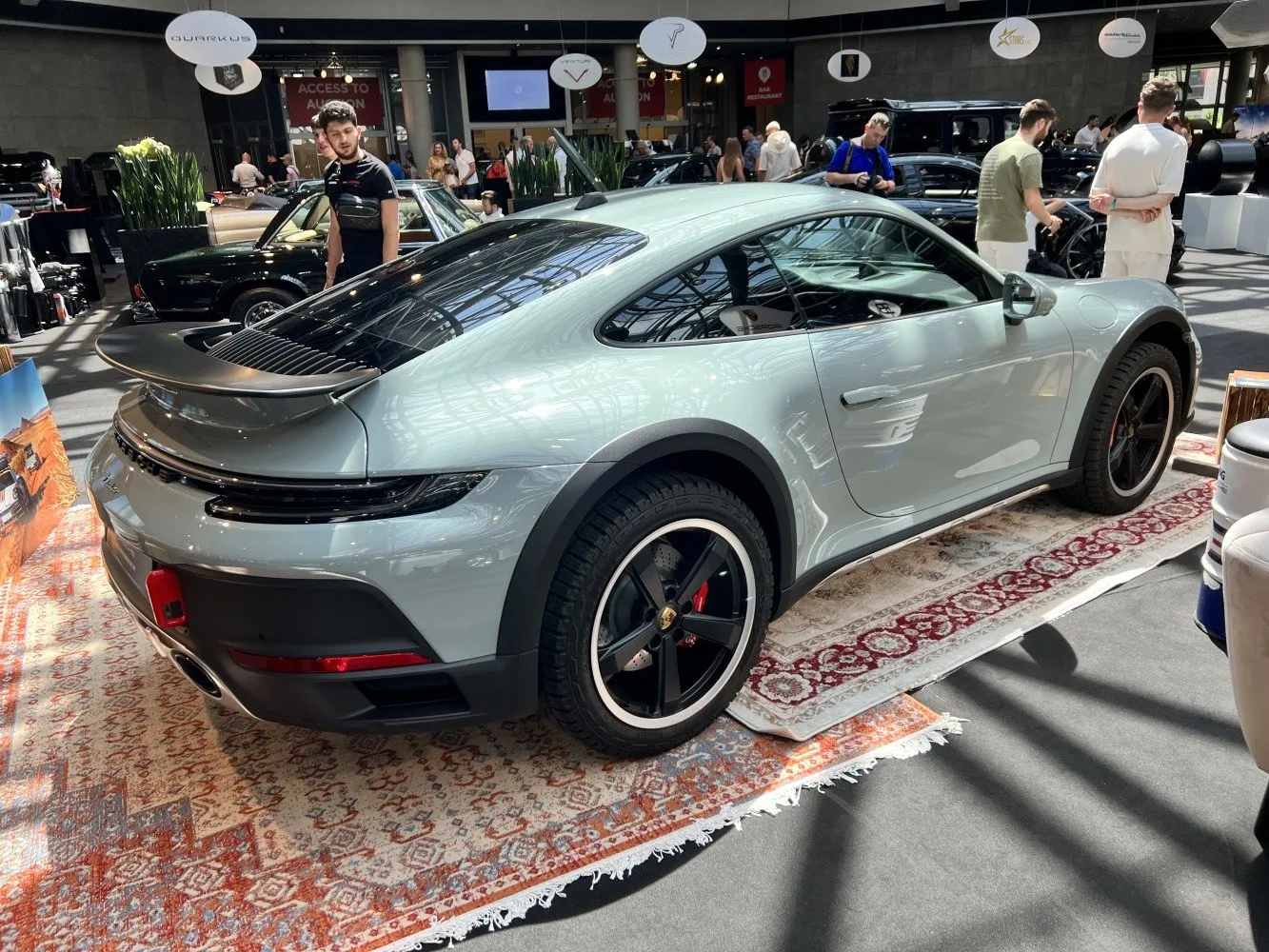
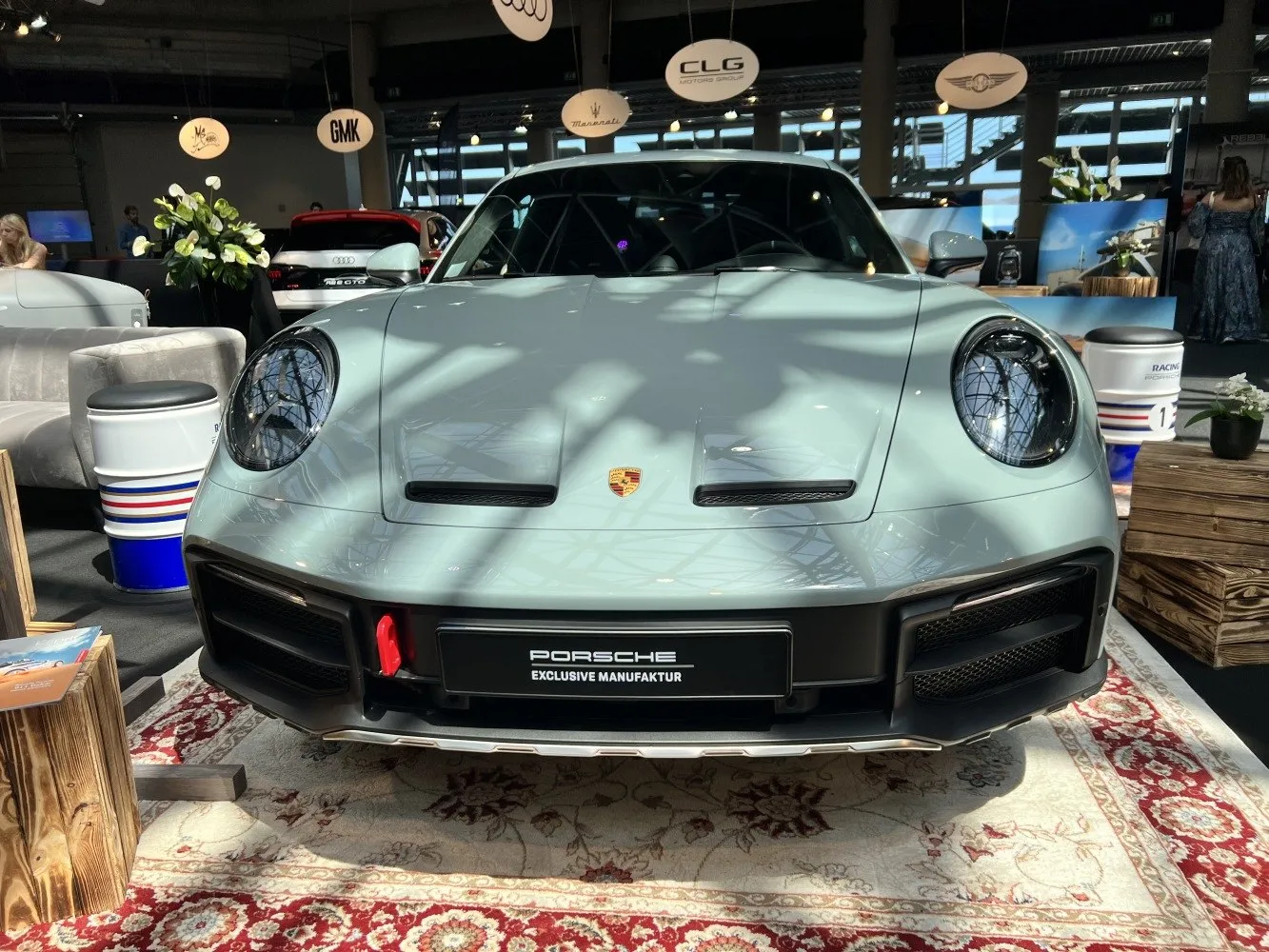
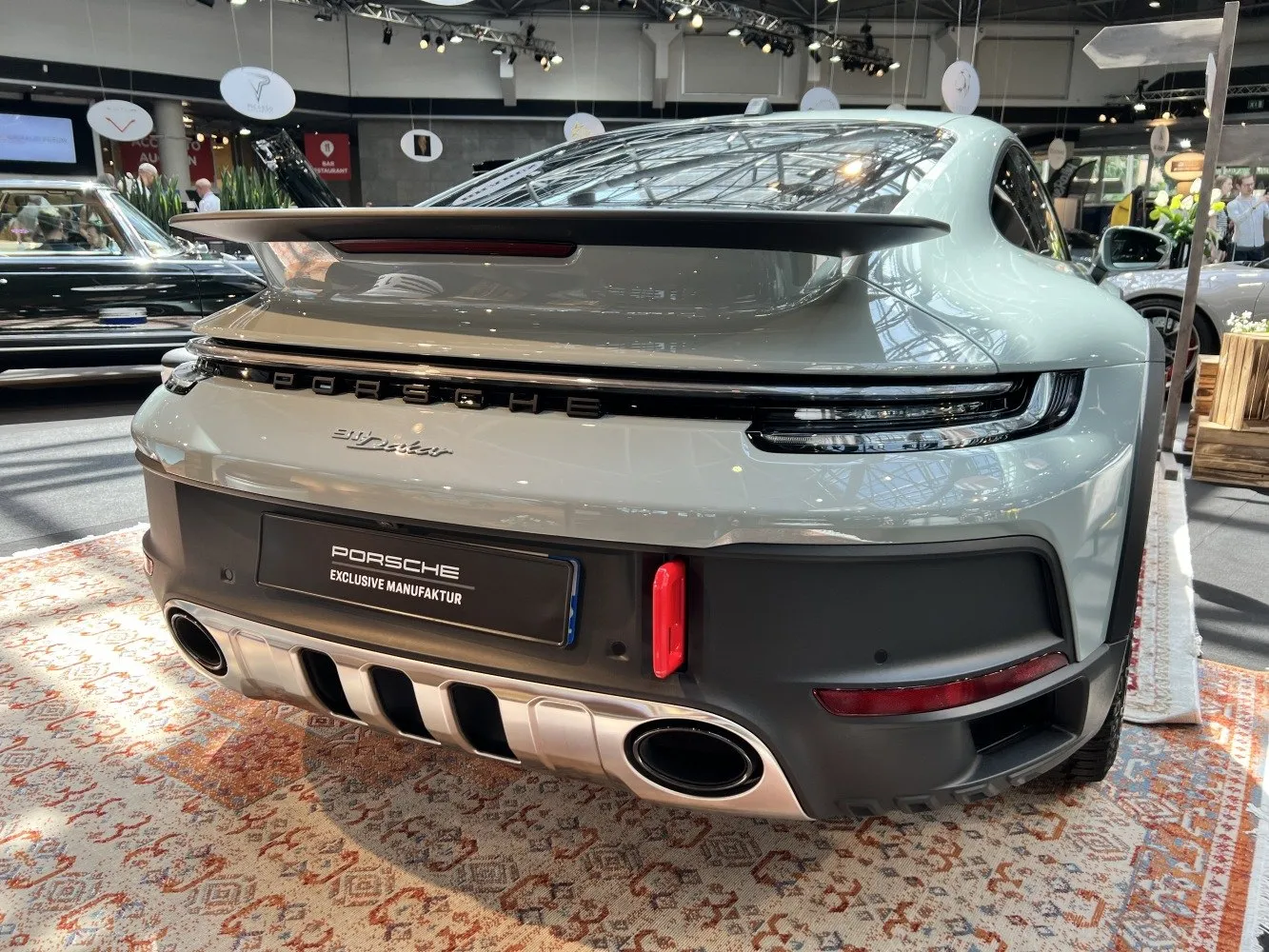
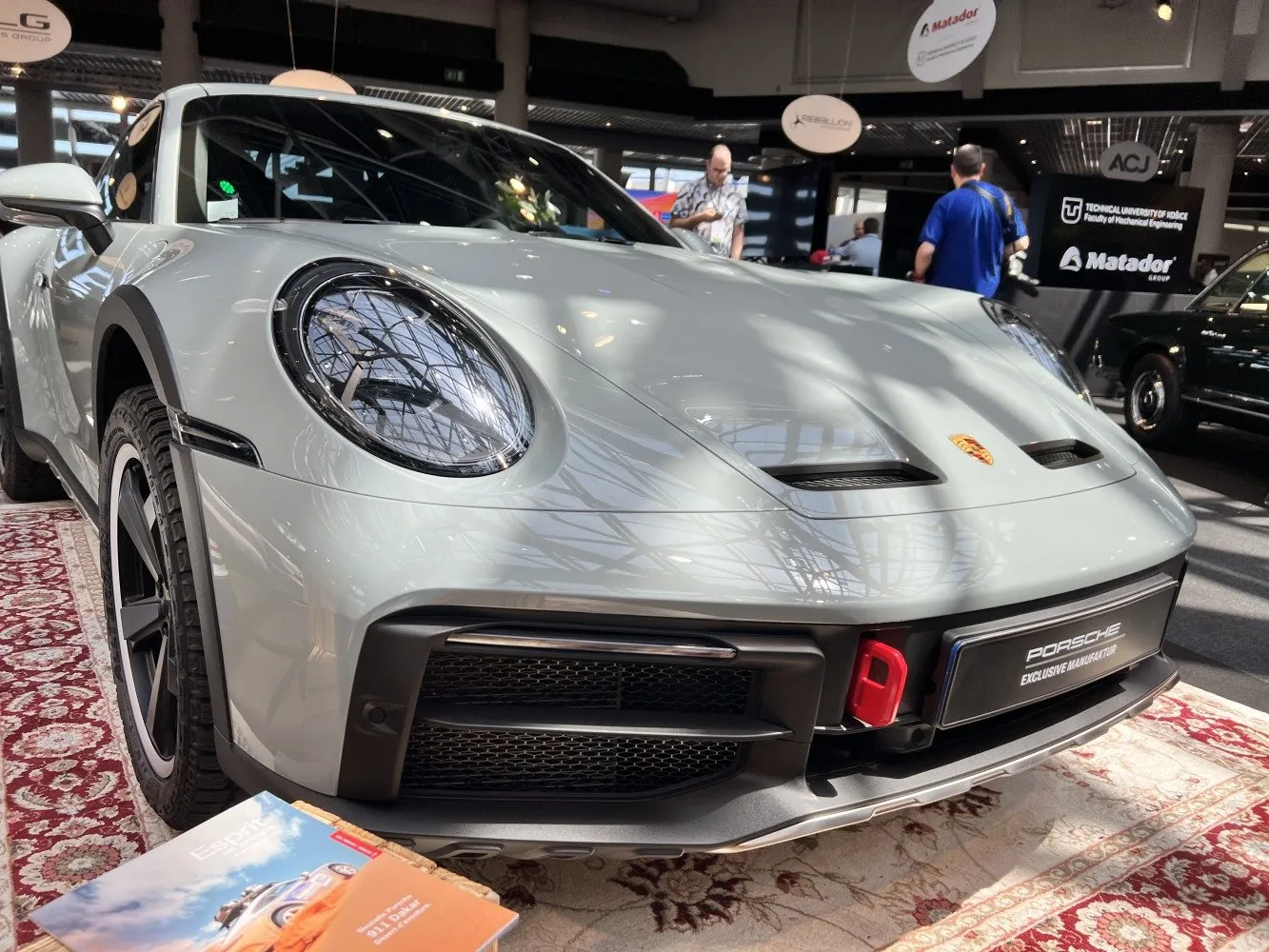
Porsche 911 Dakar (992) 3.0 (480 Hp) AWD PDK
Overall Rating
Porsche 911:
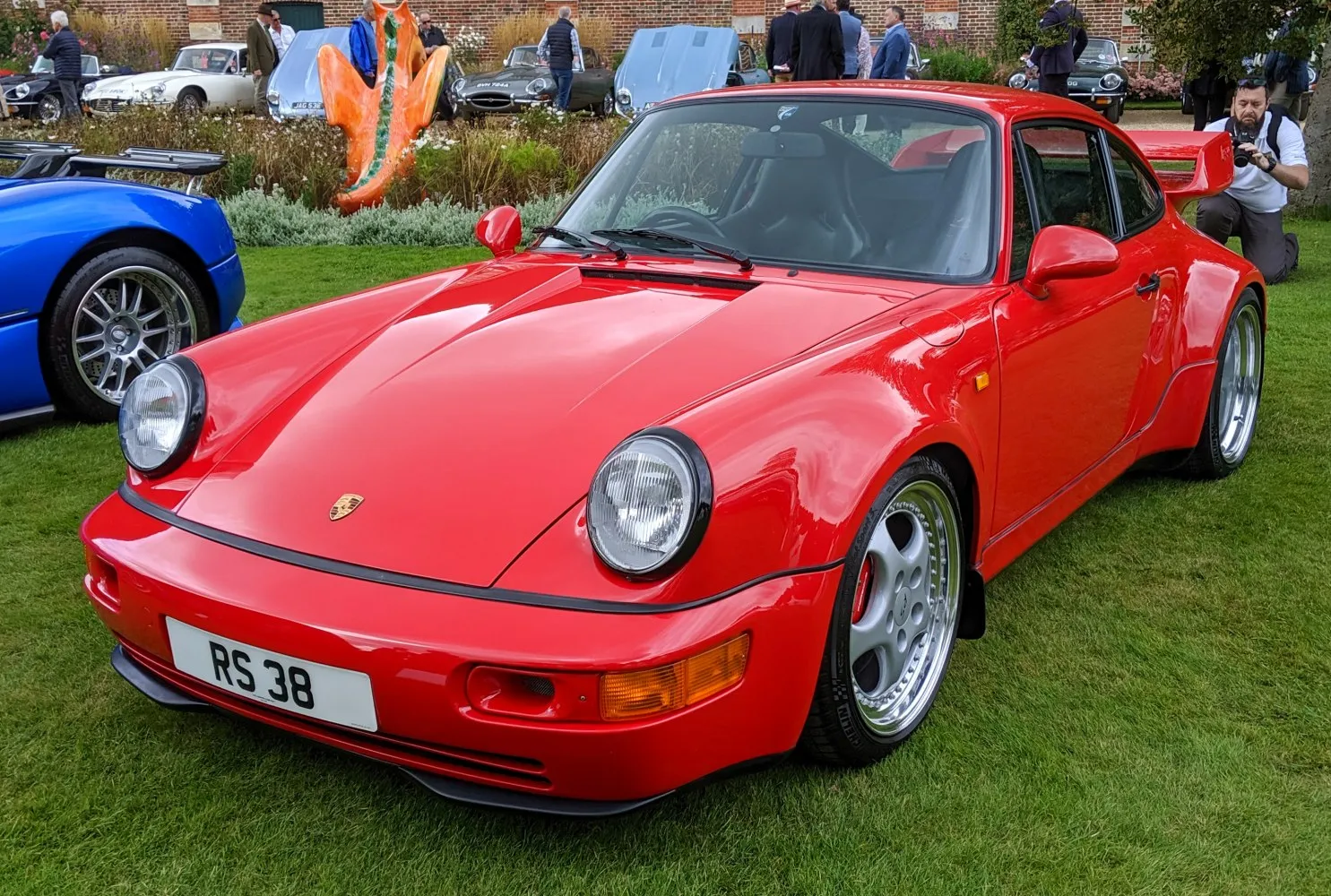
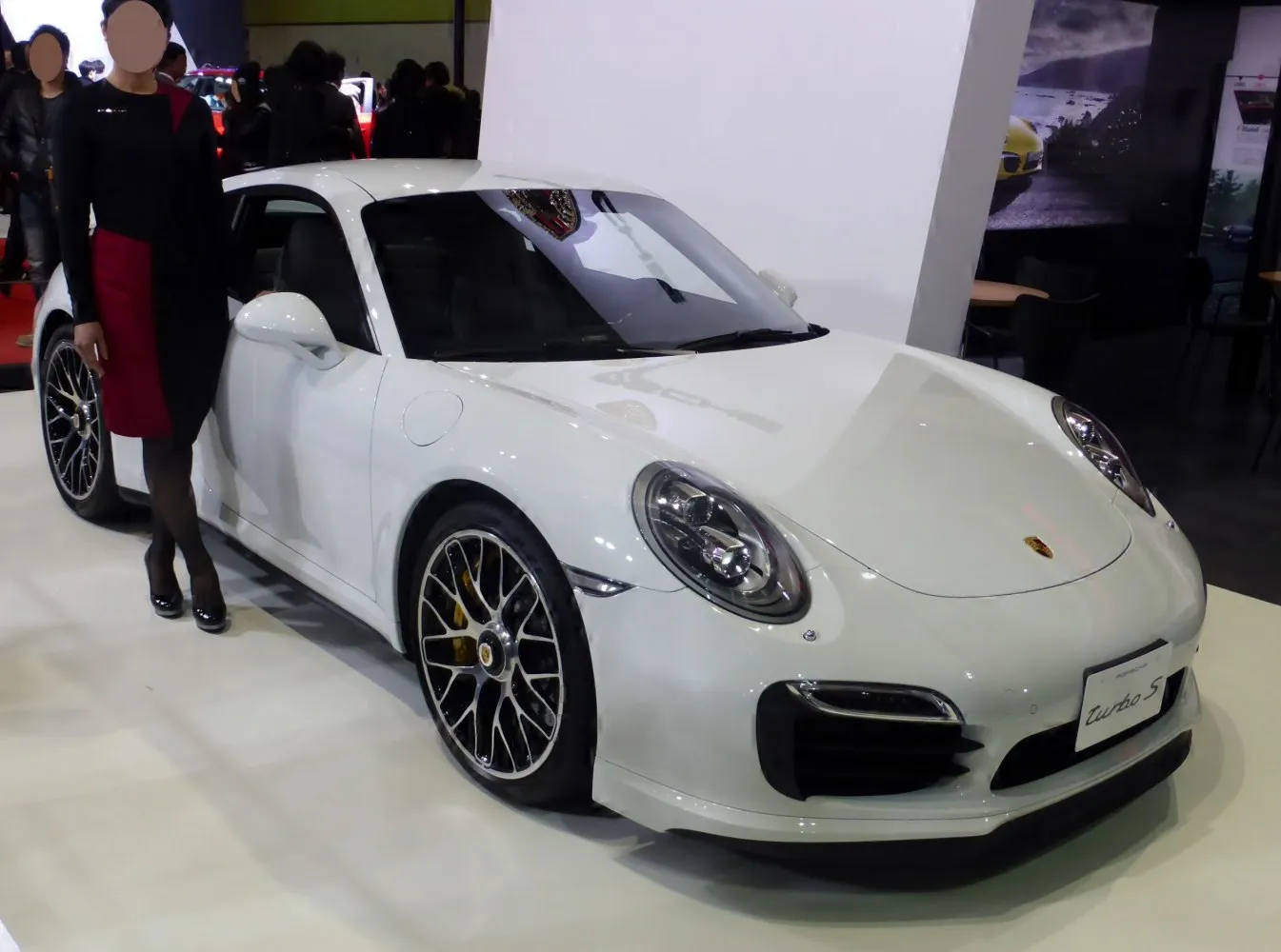
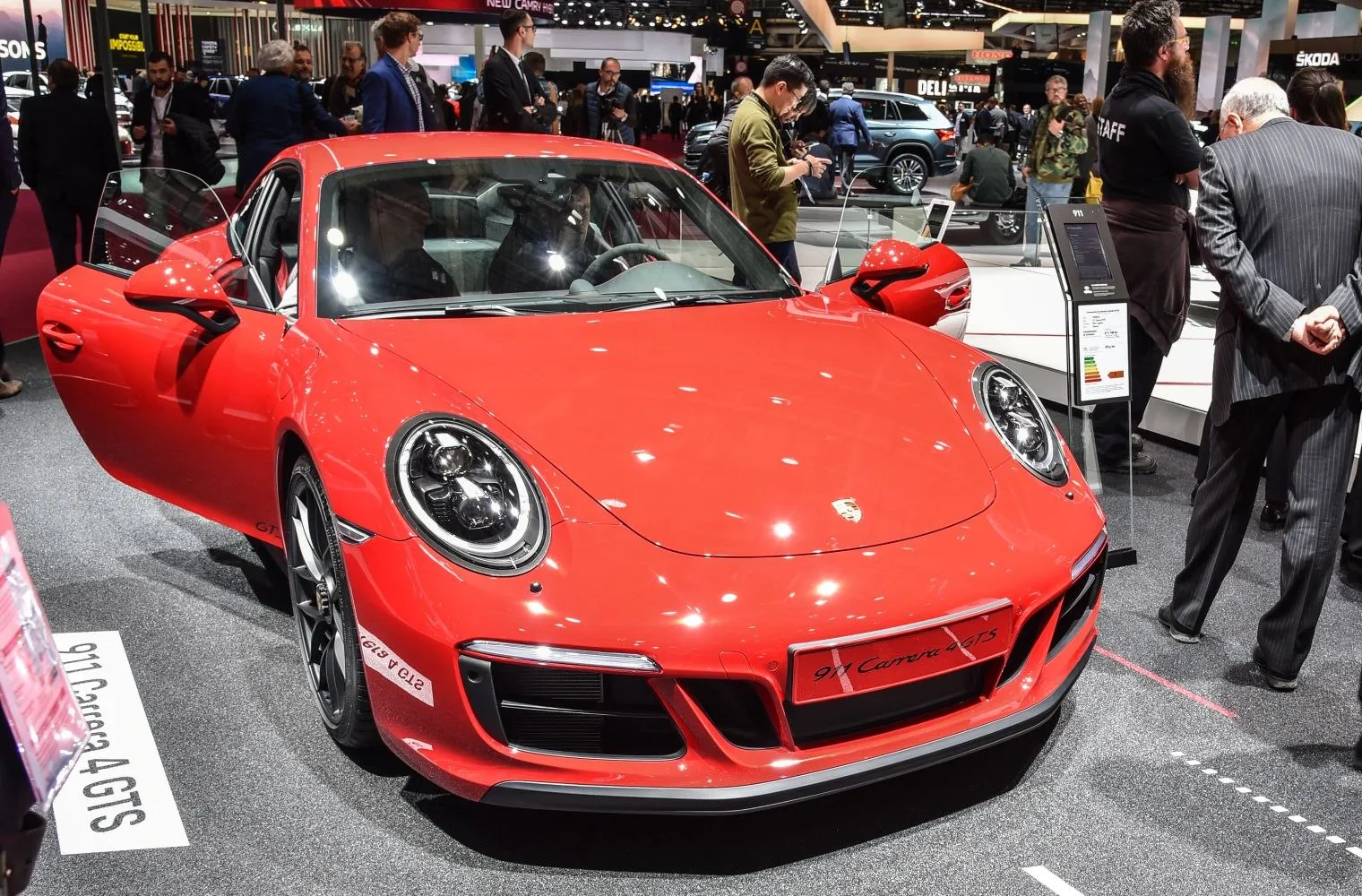
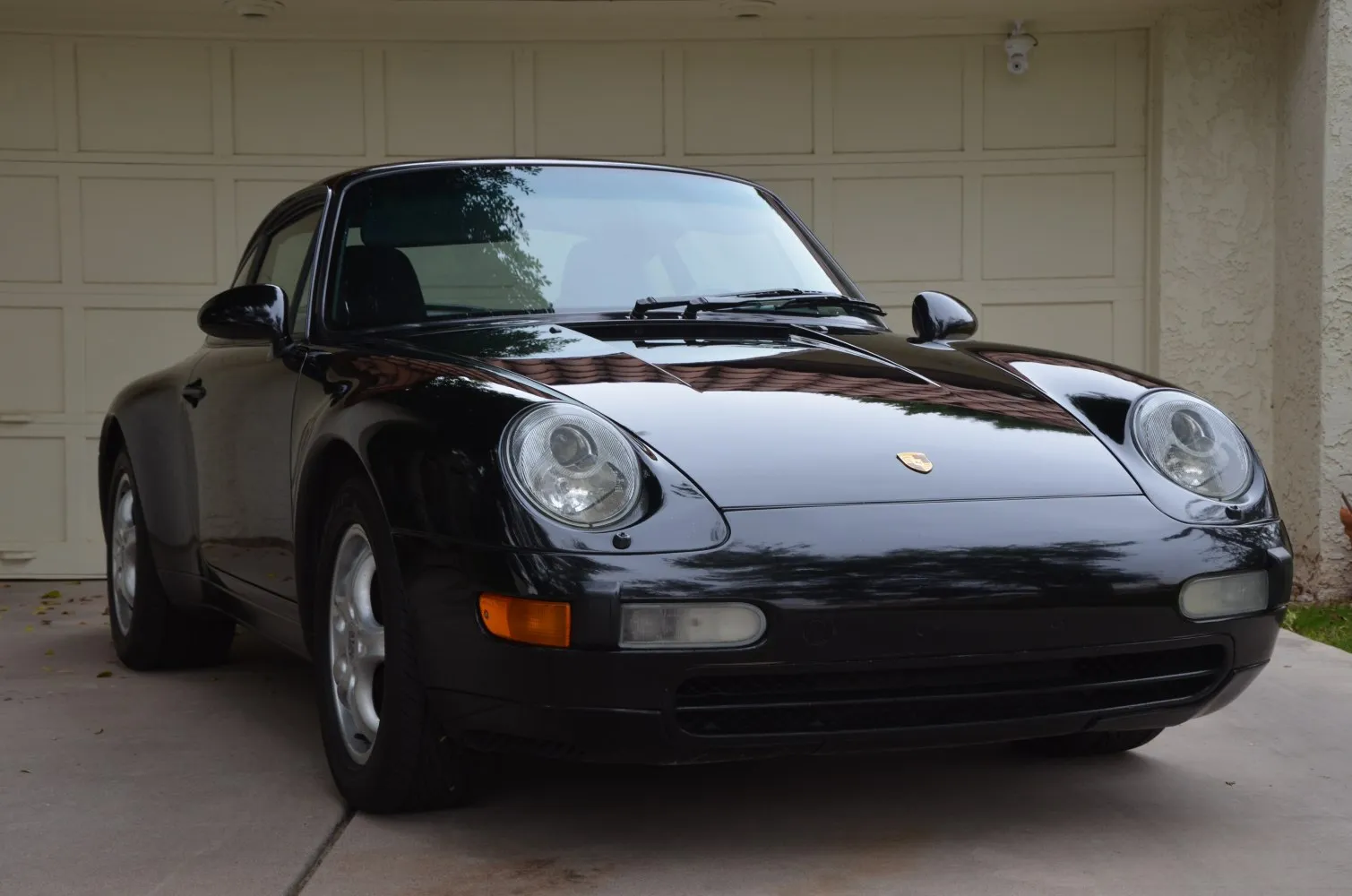
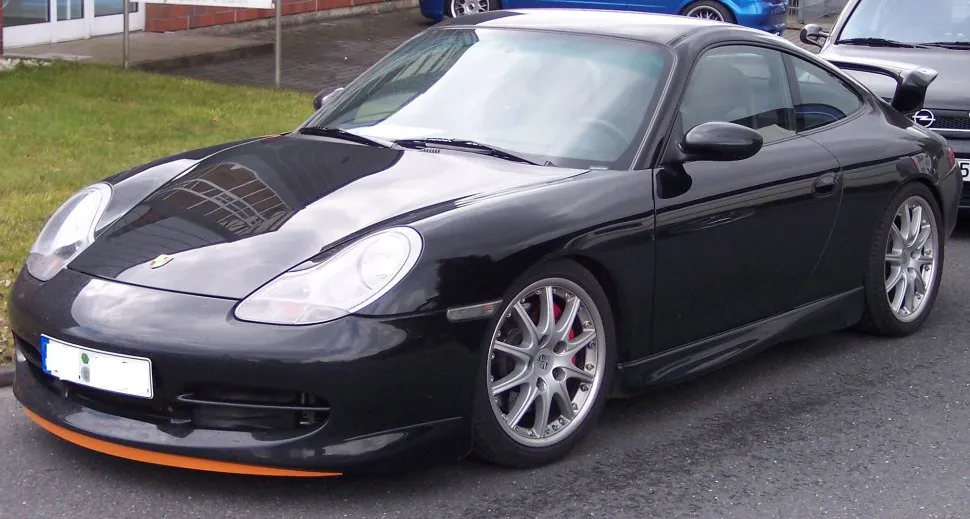
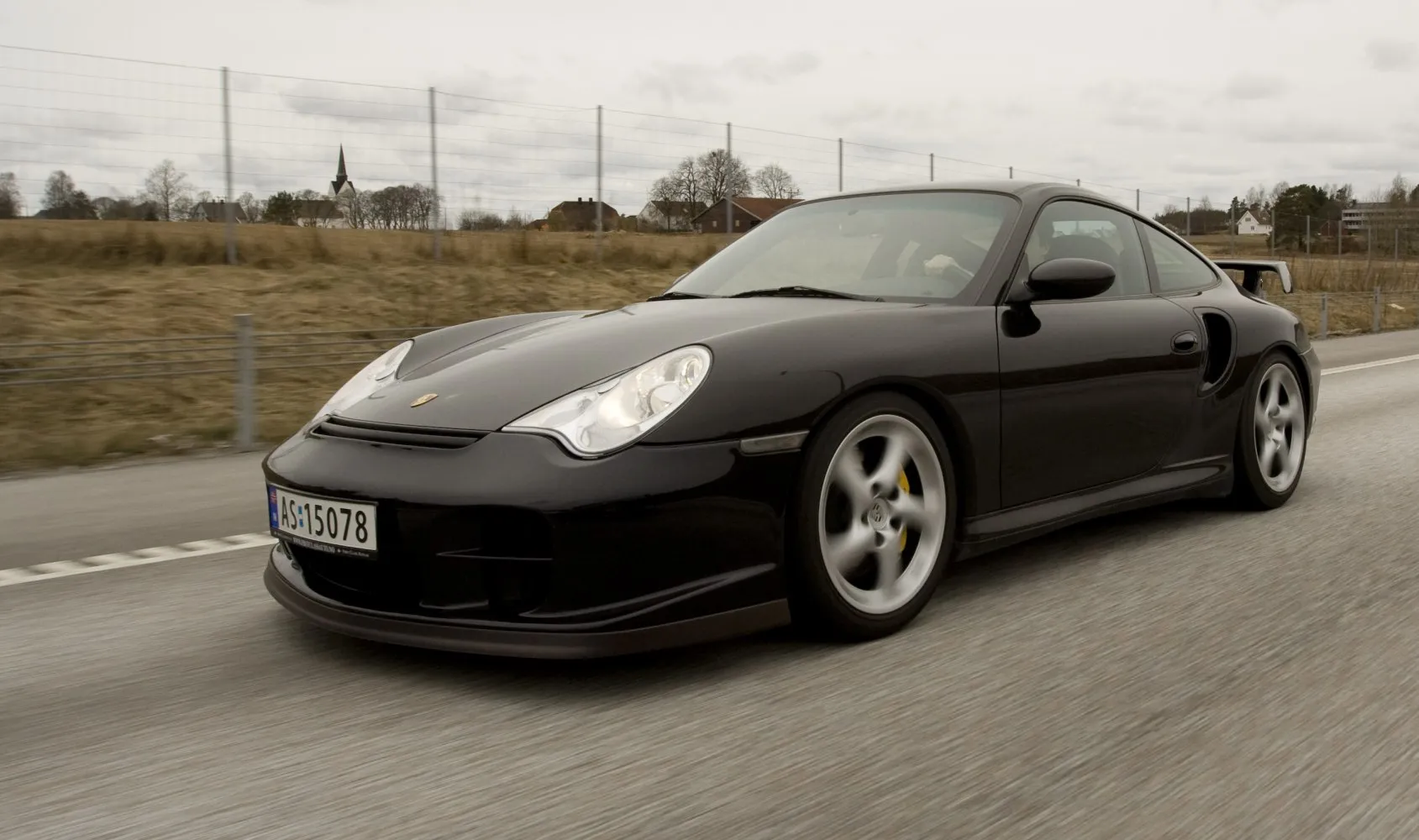
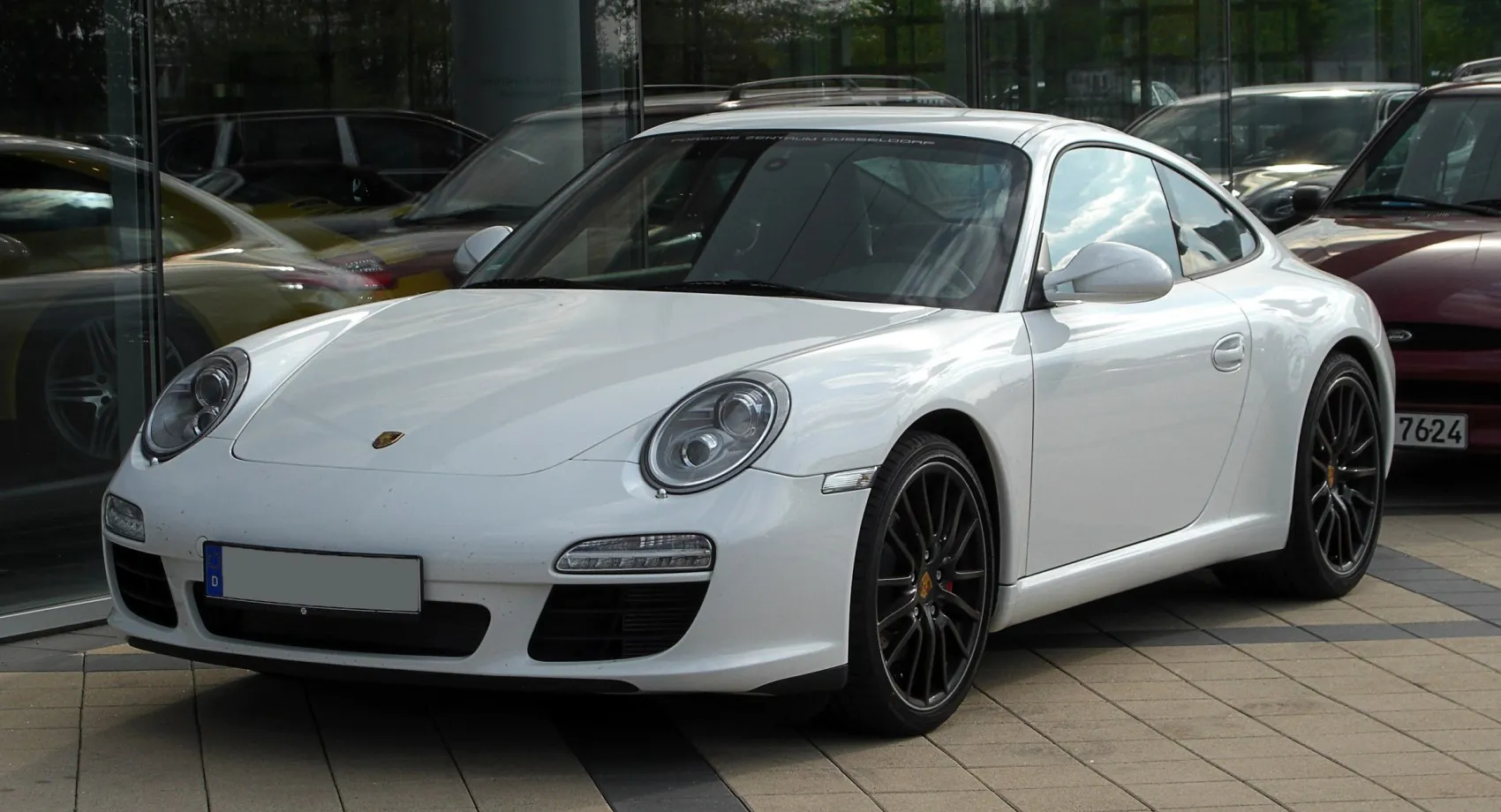
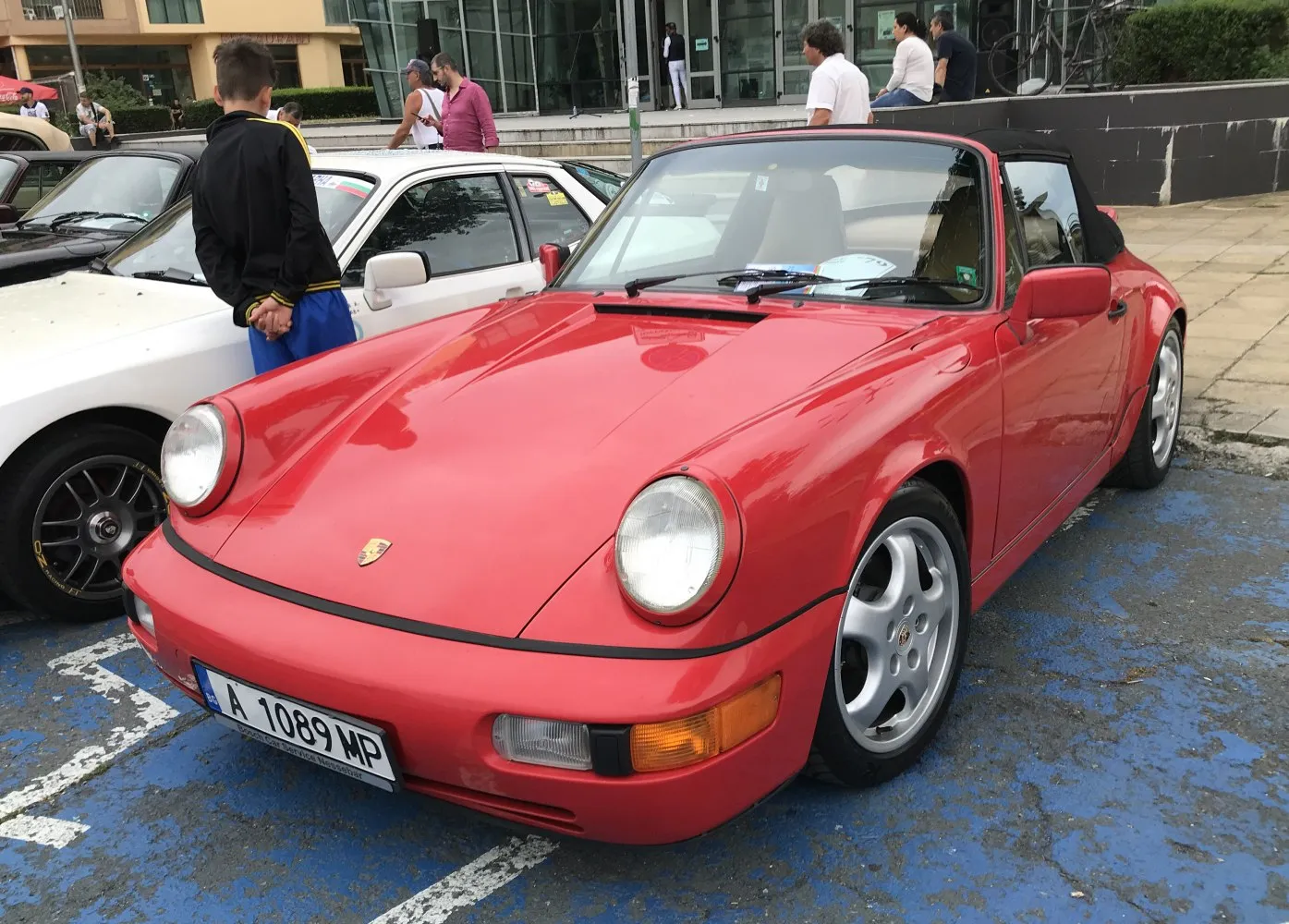
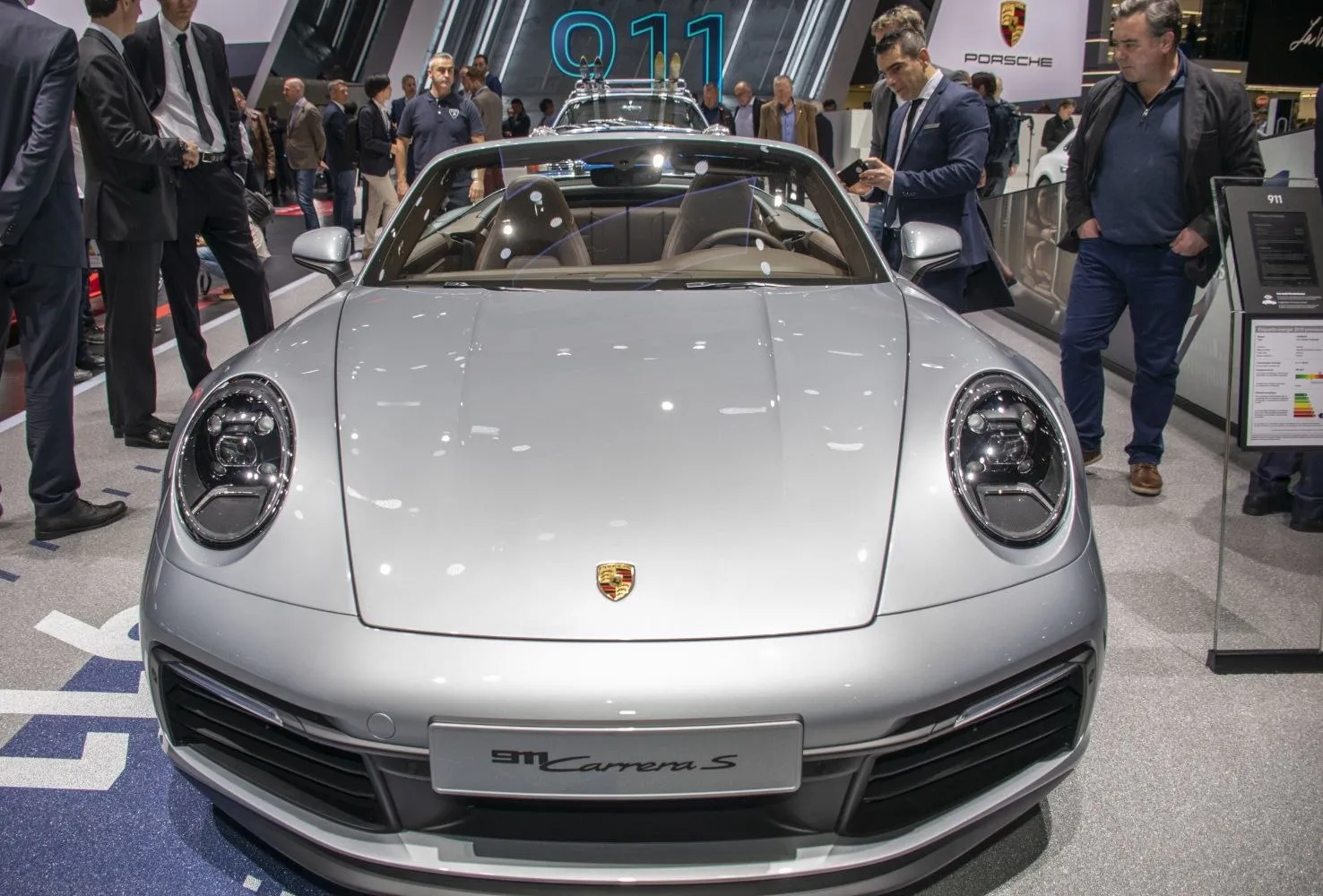
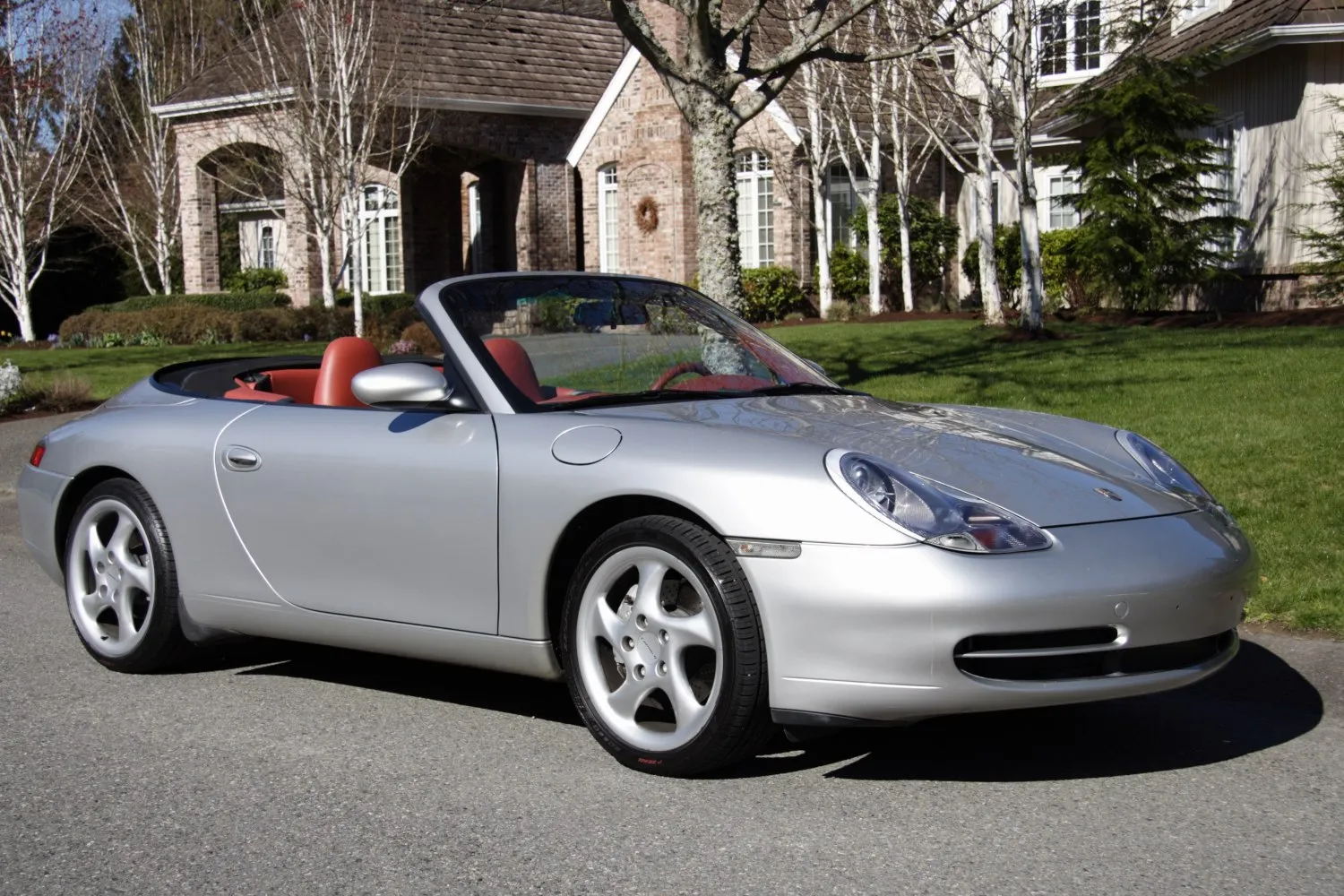
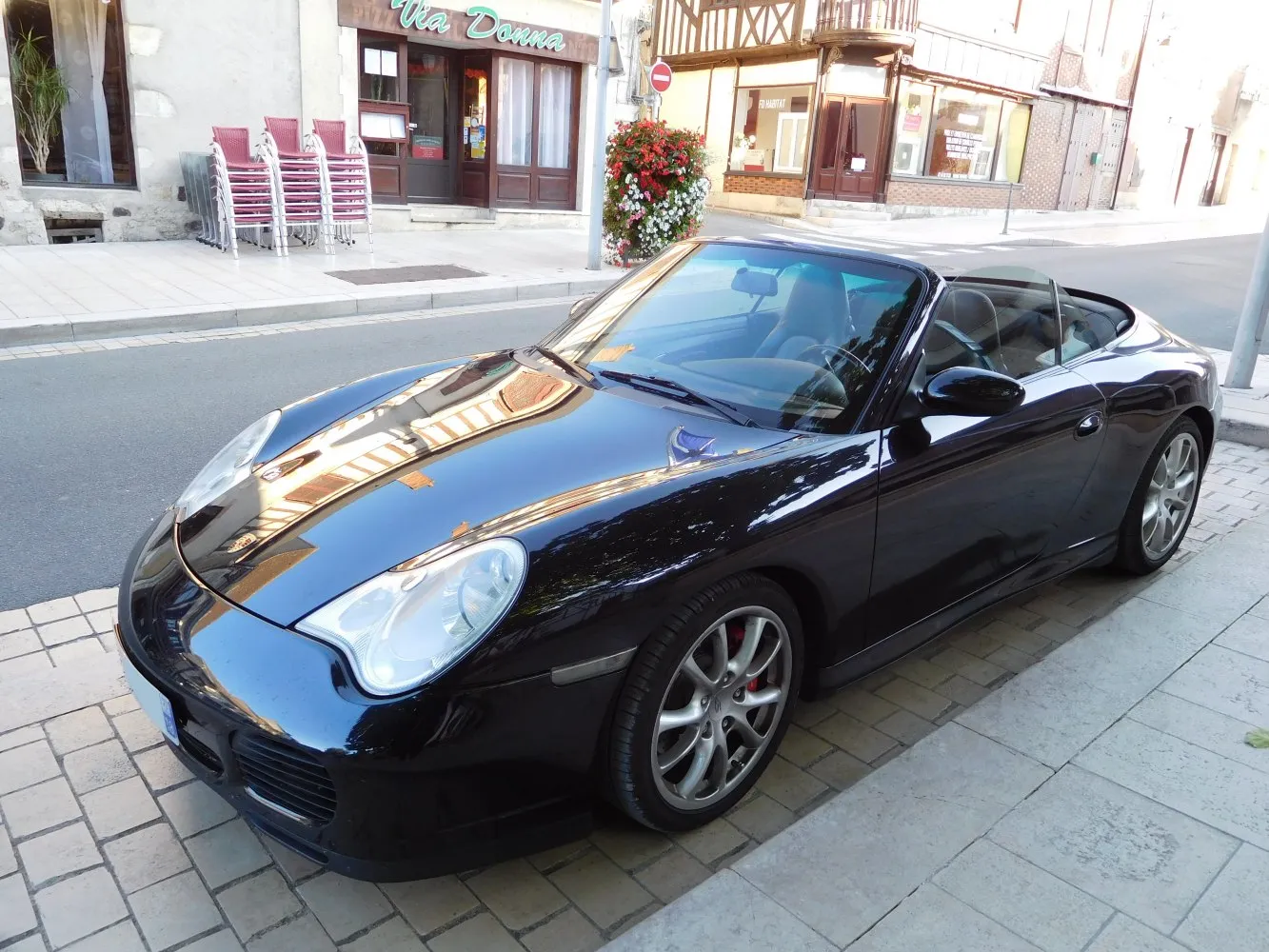
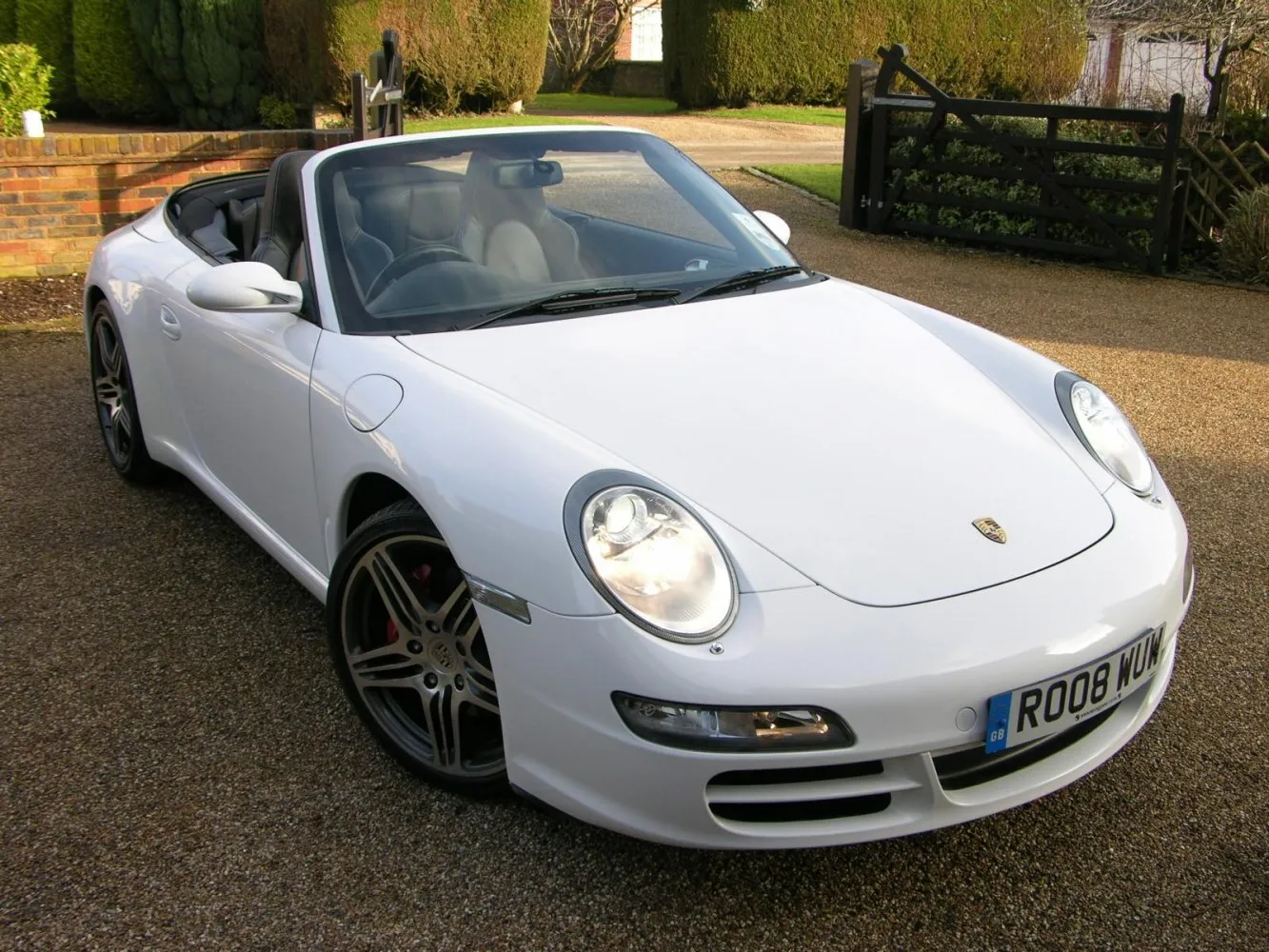
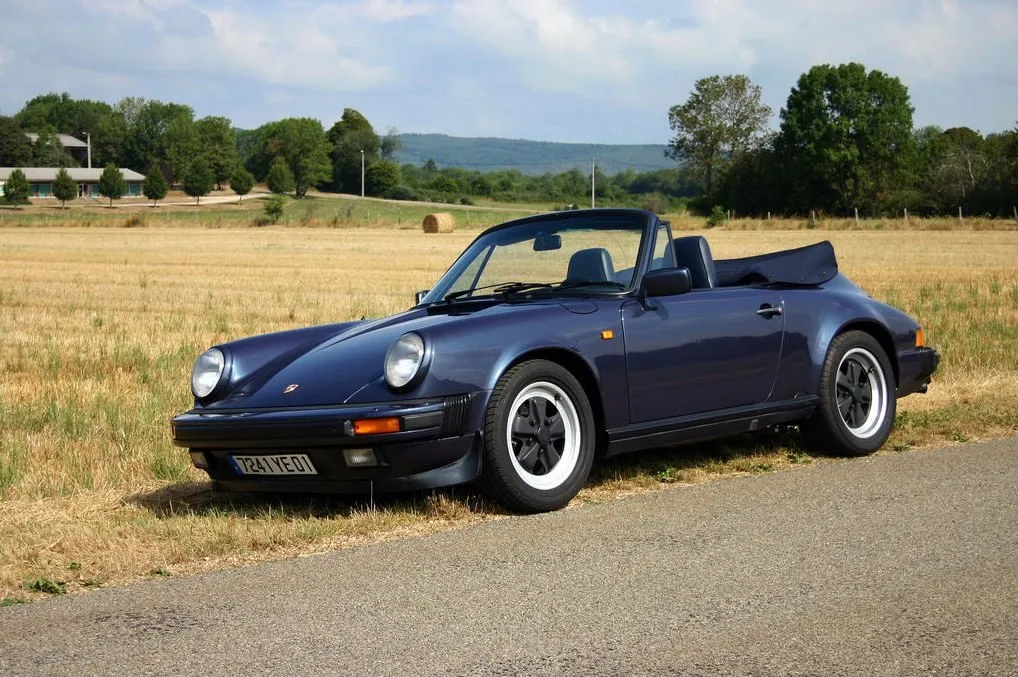
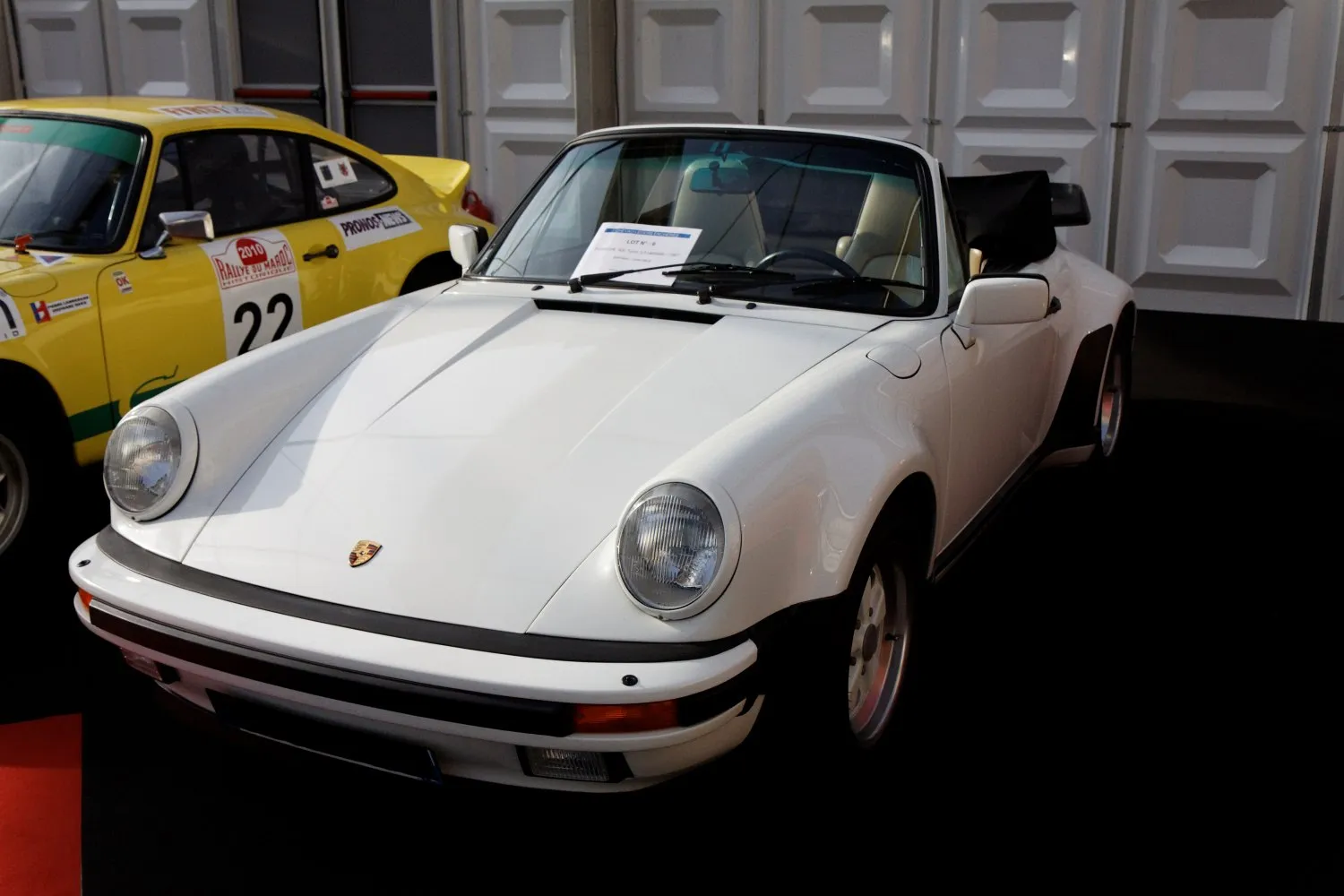
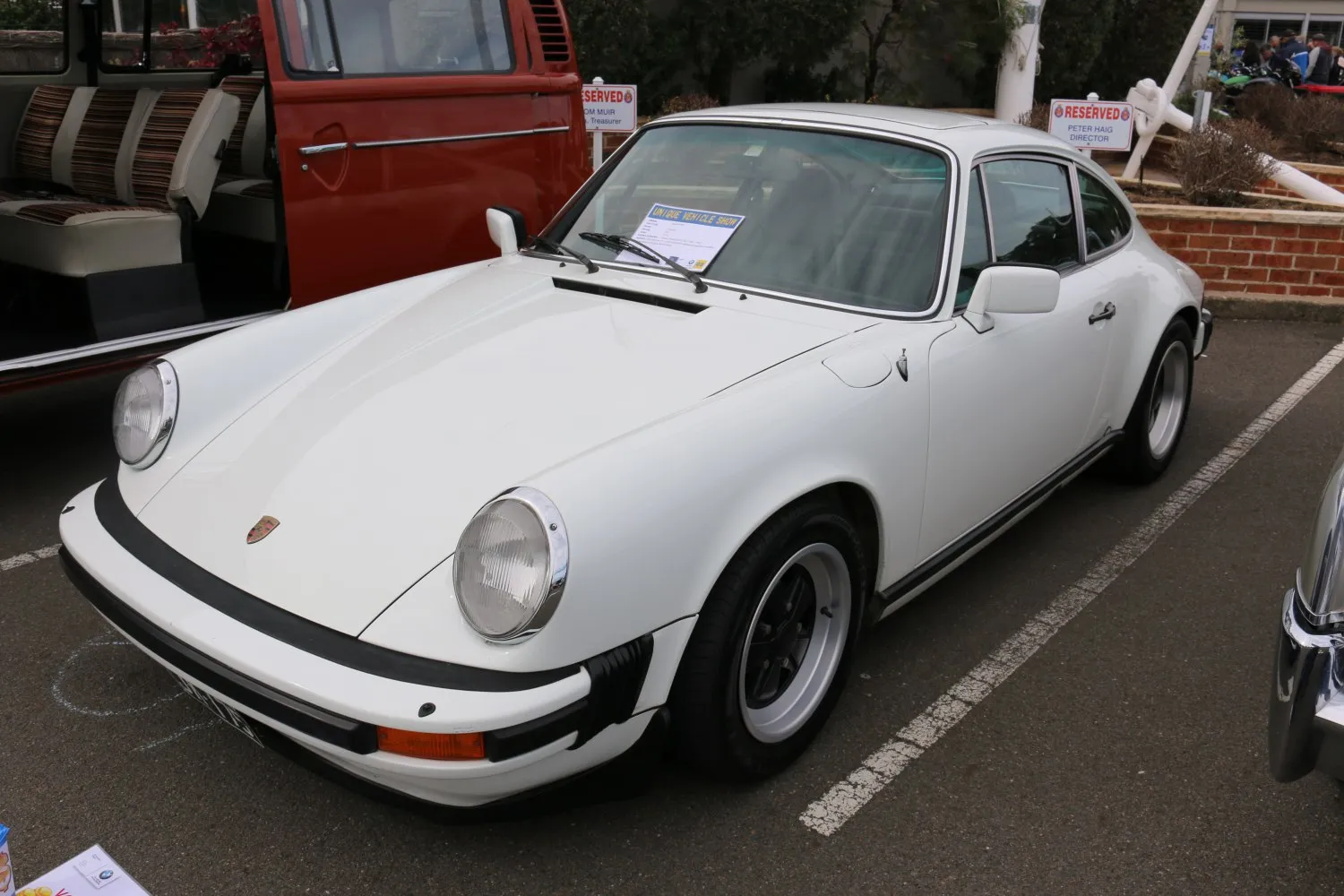
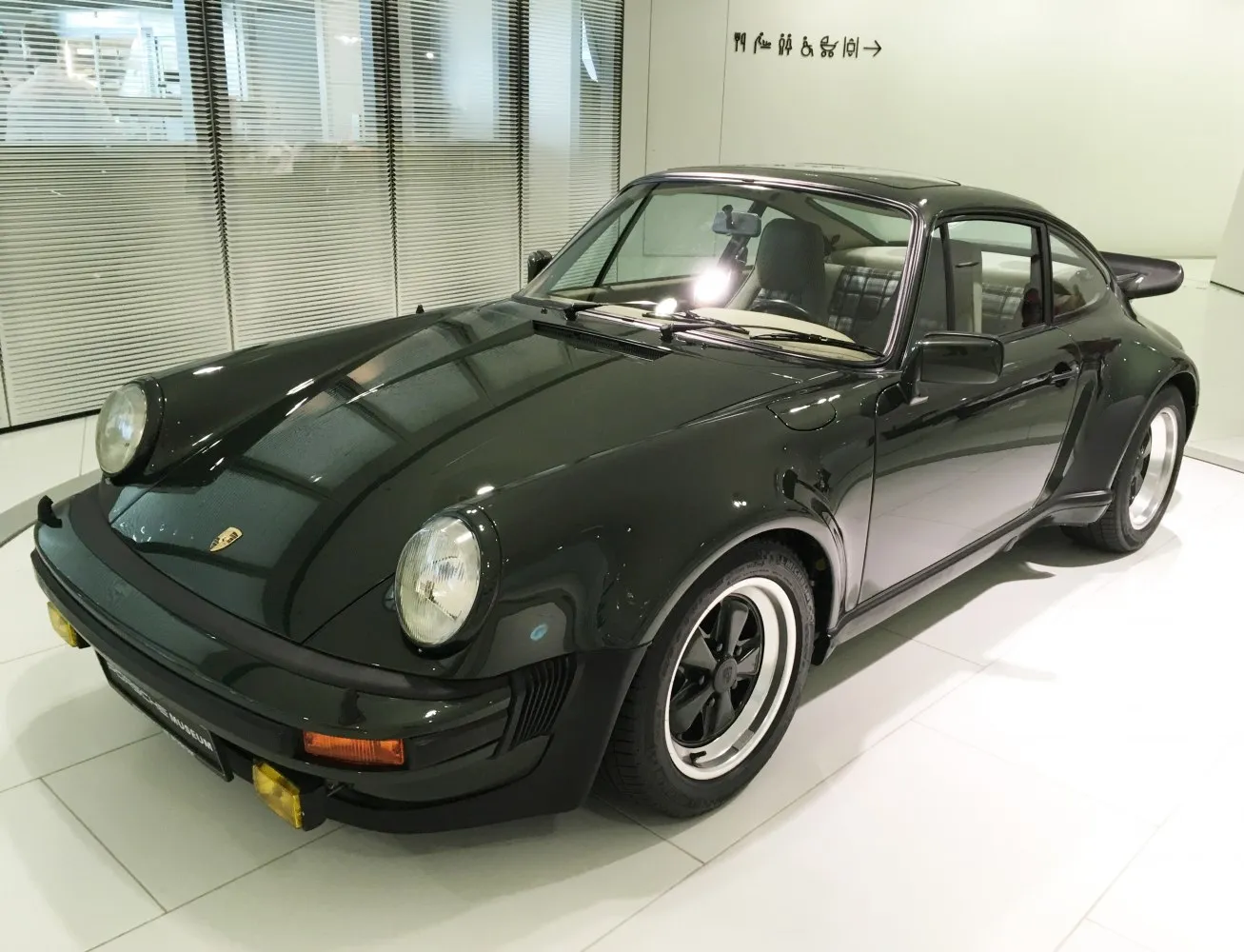
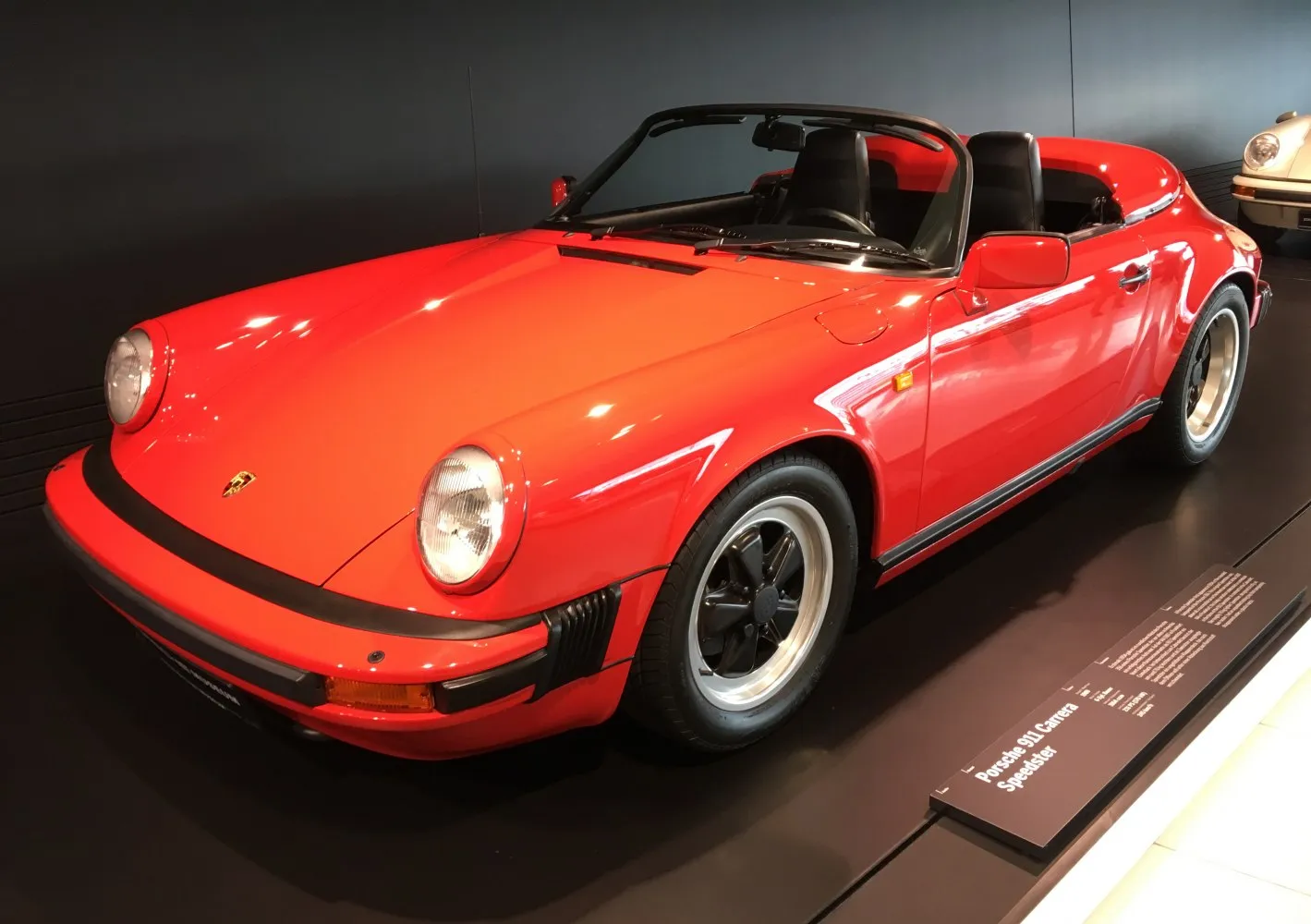
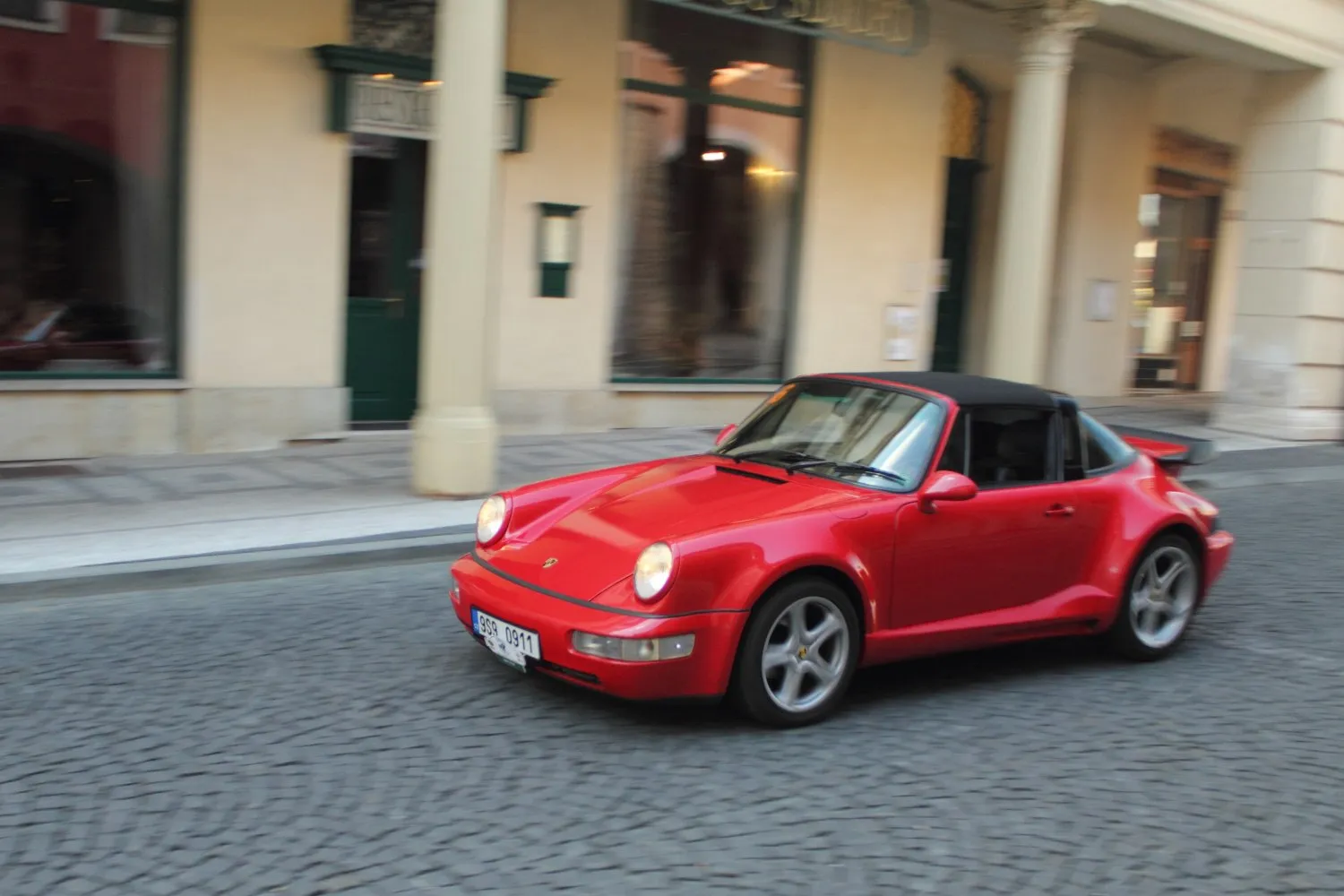
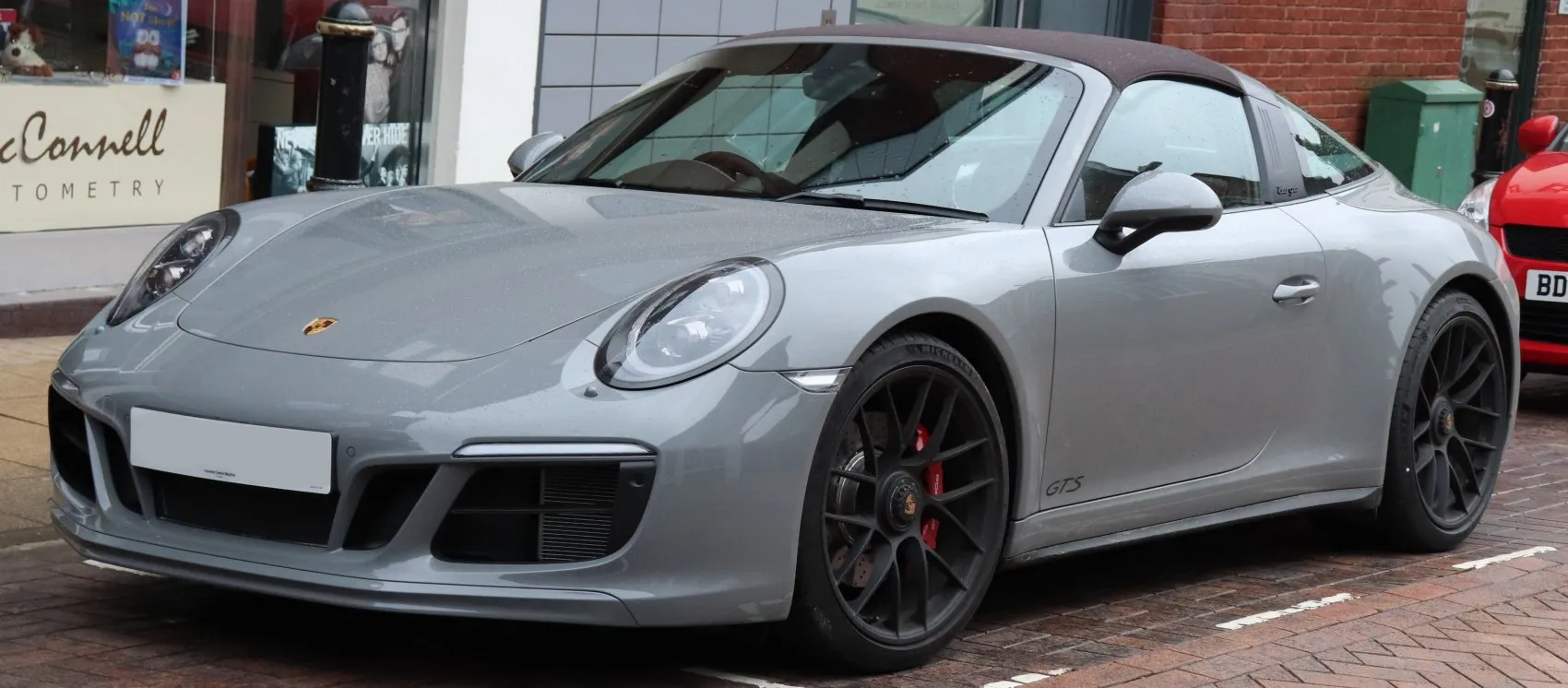
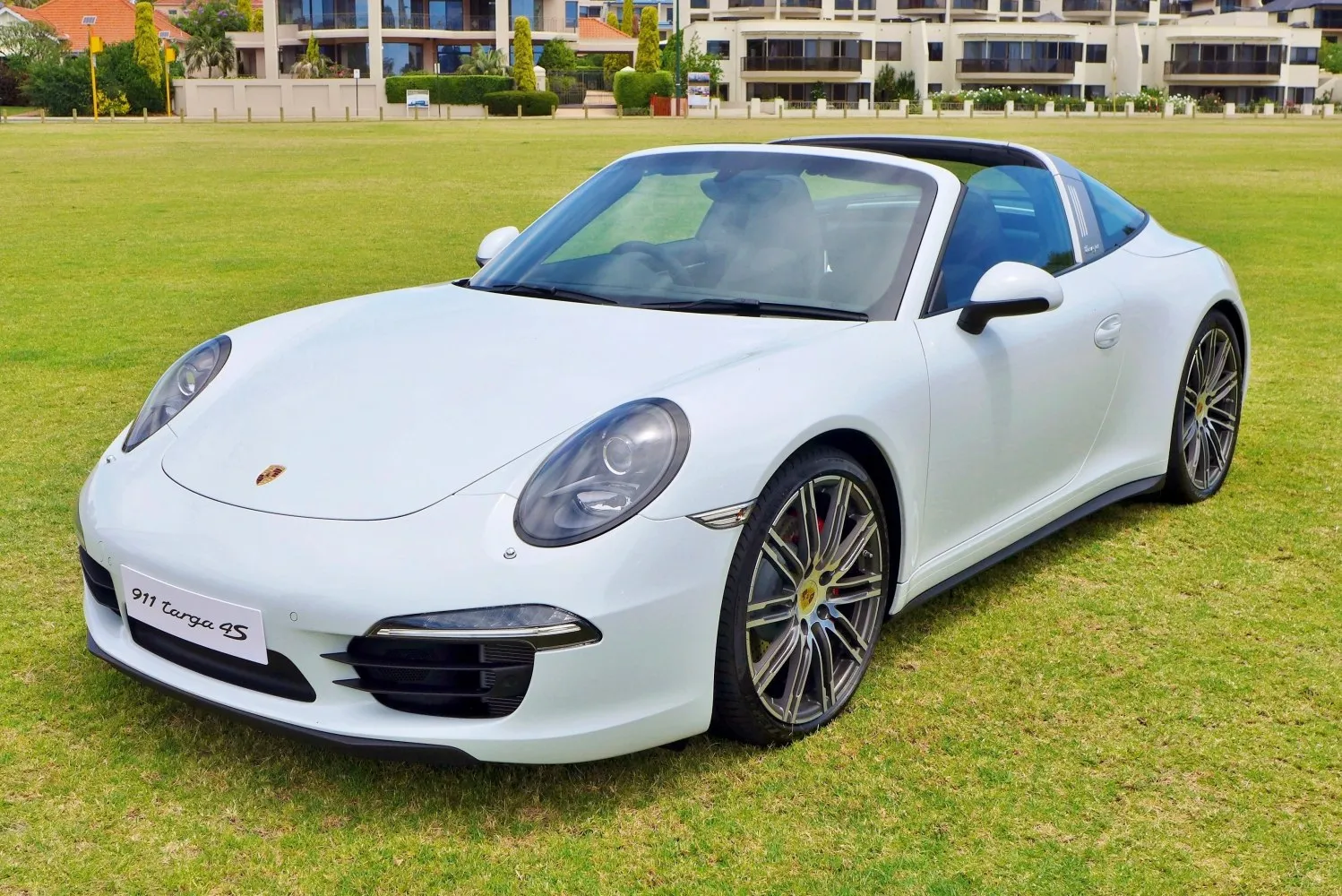
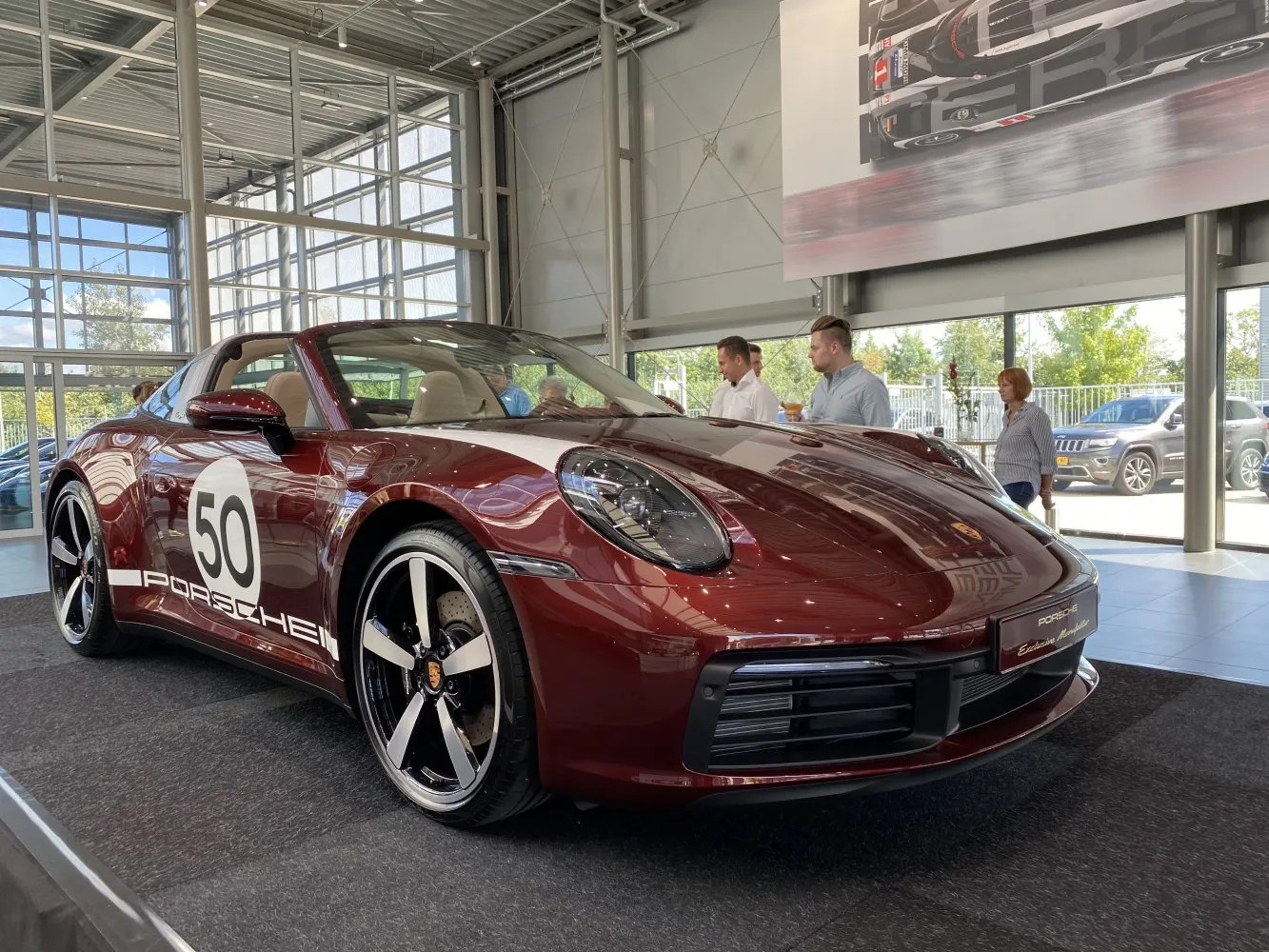
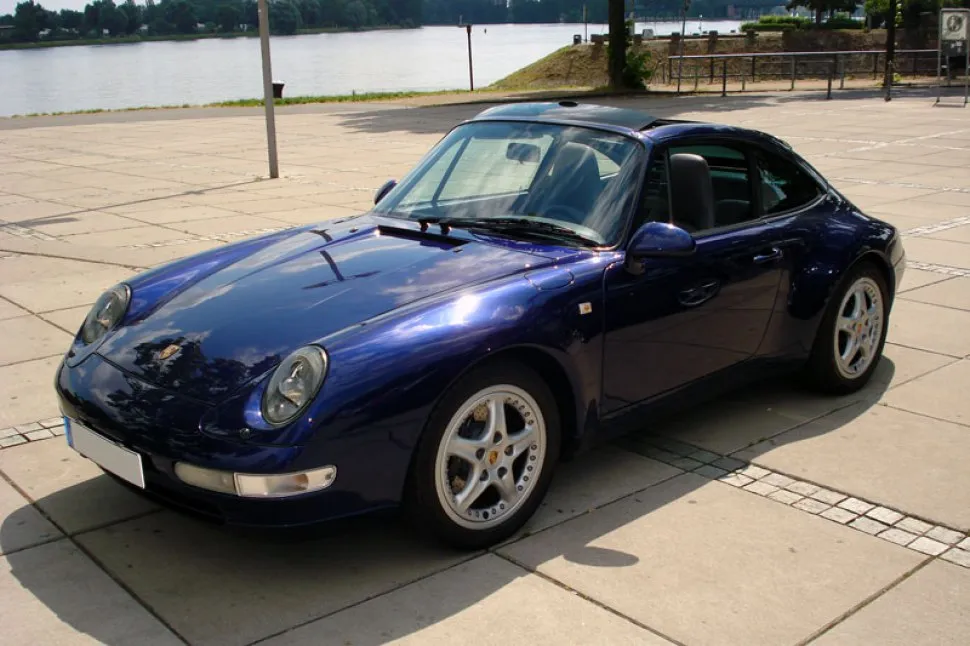
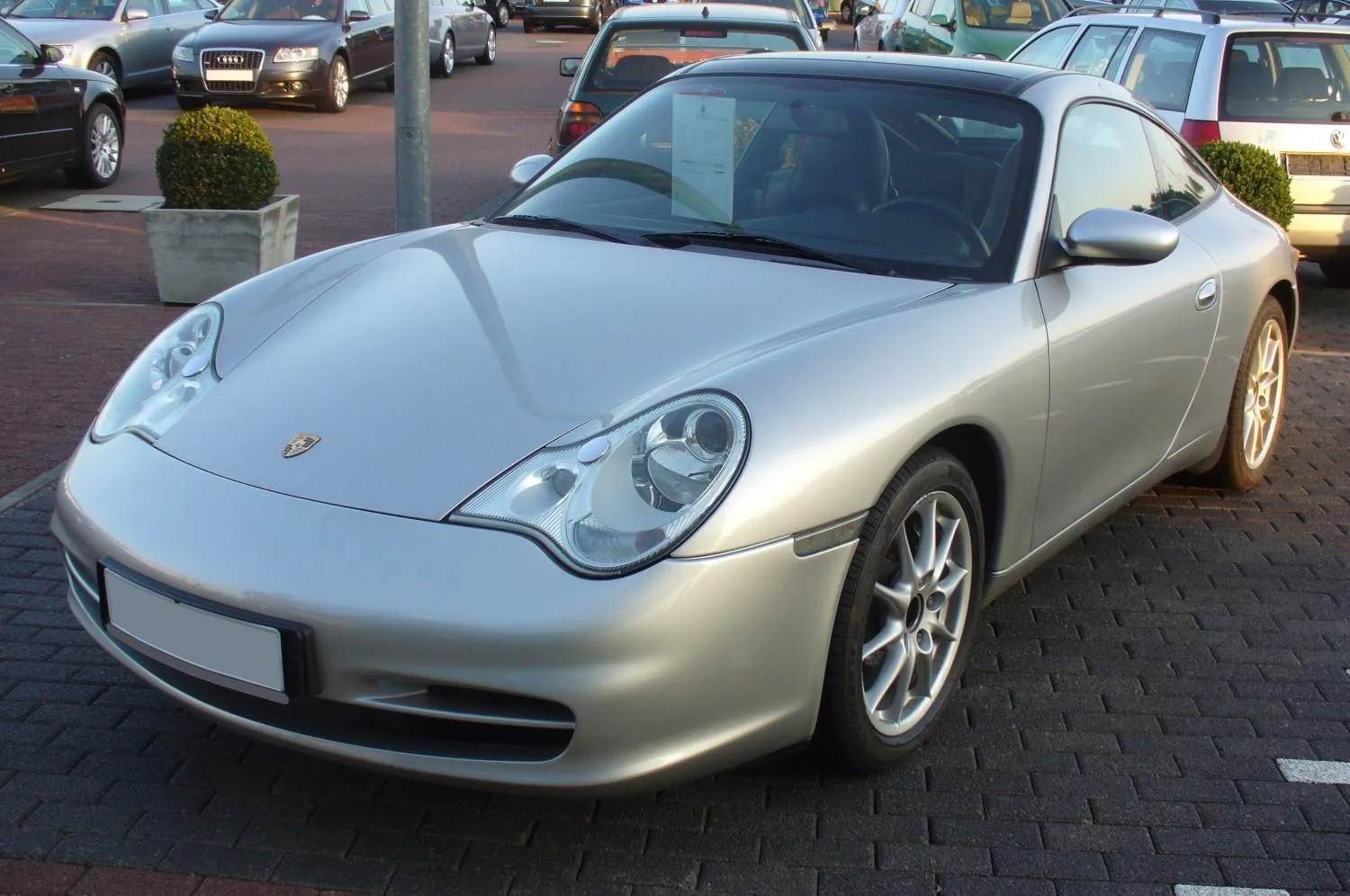
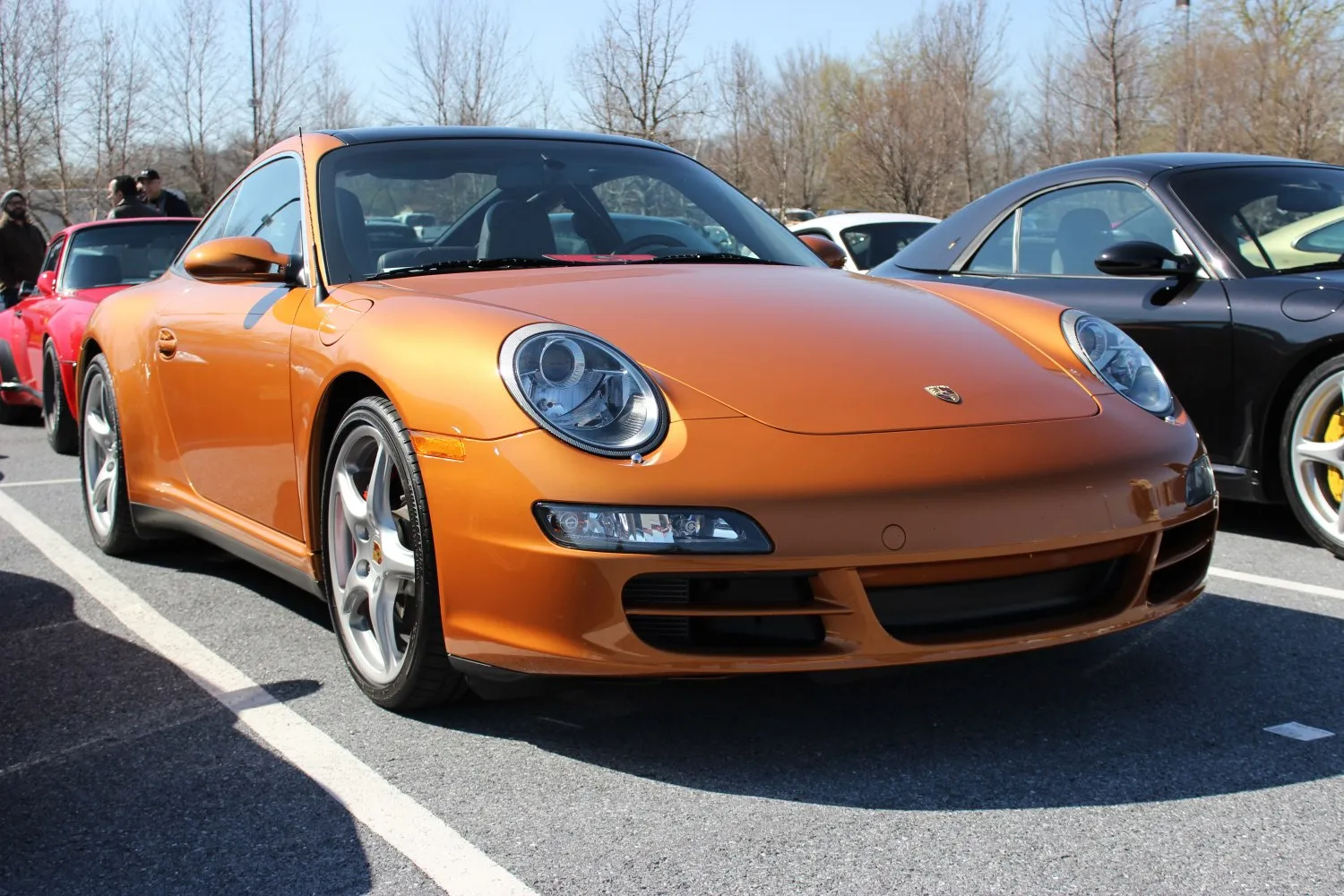
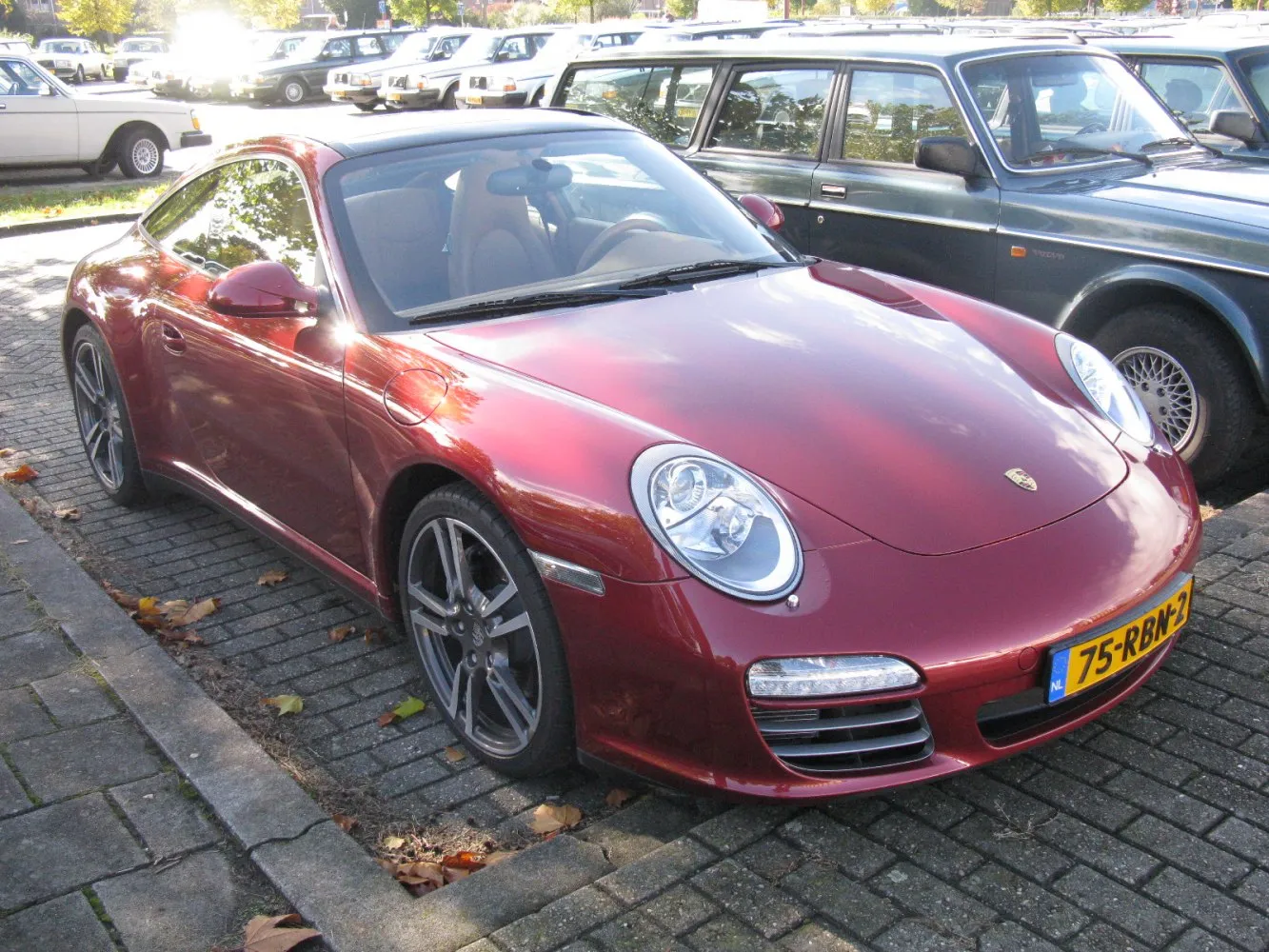
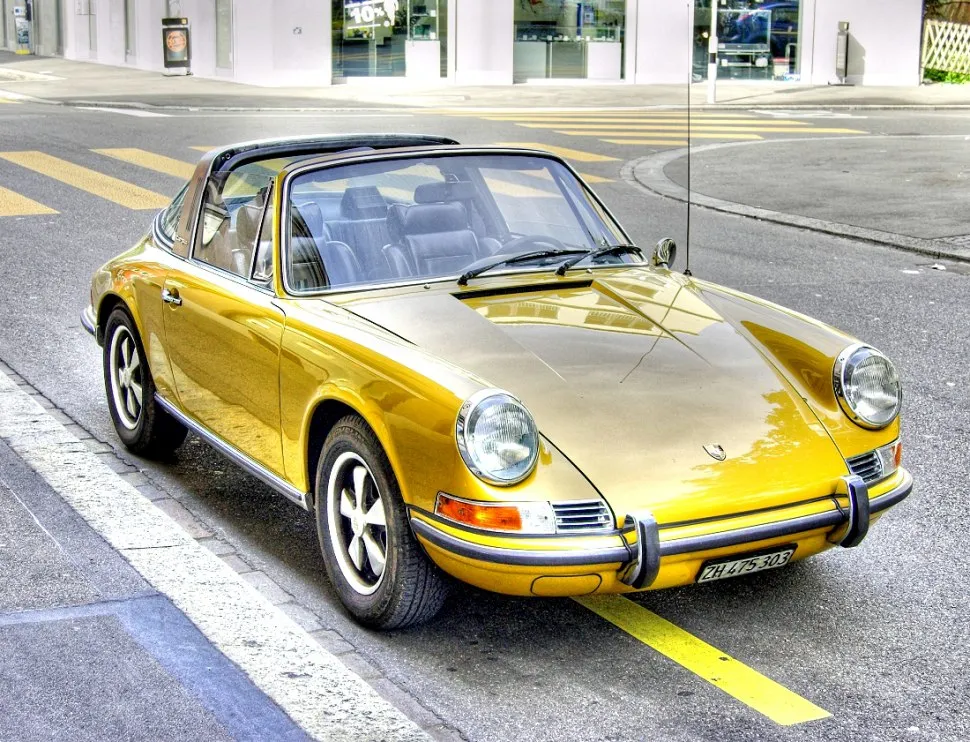
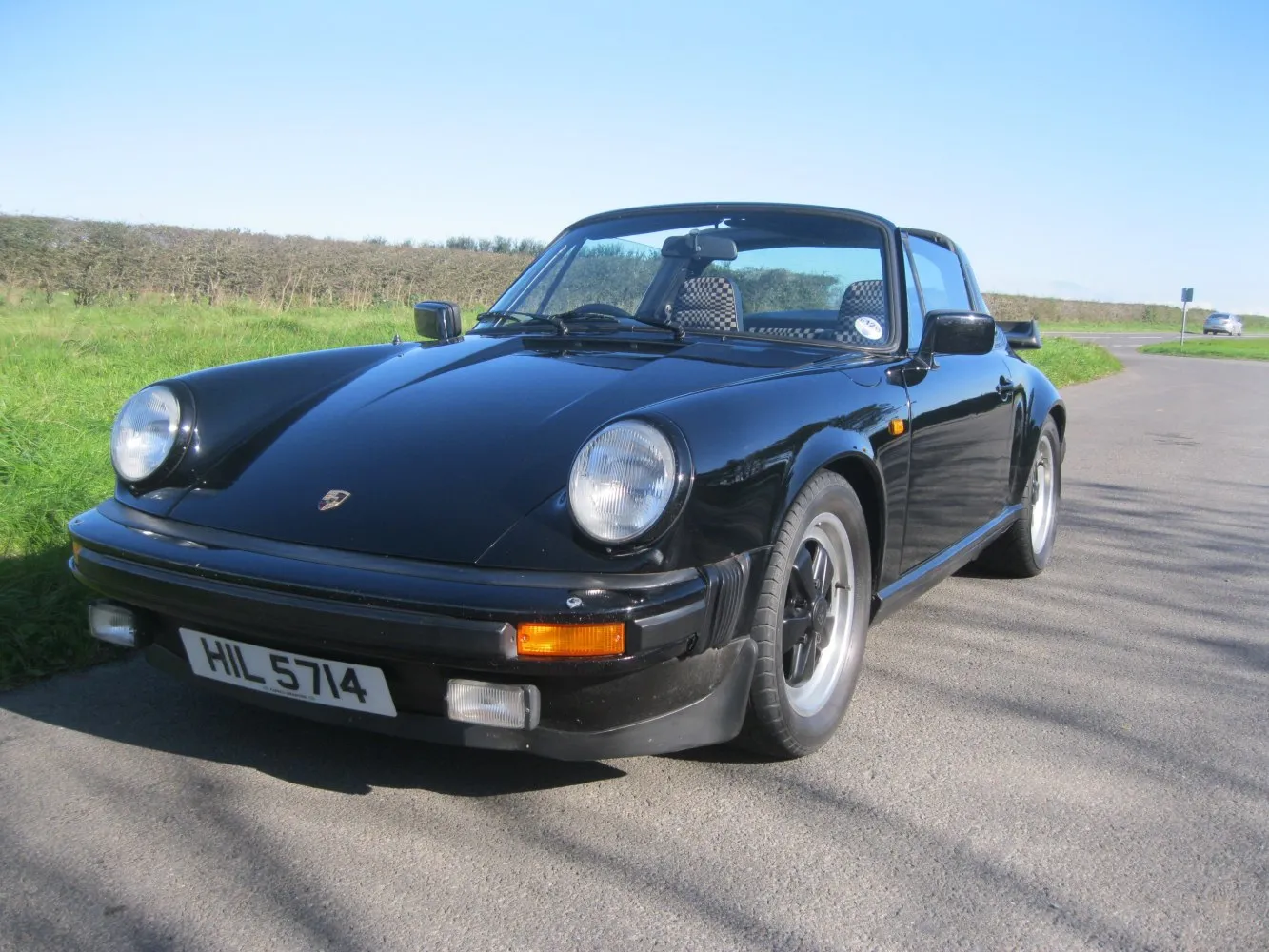
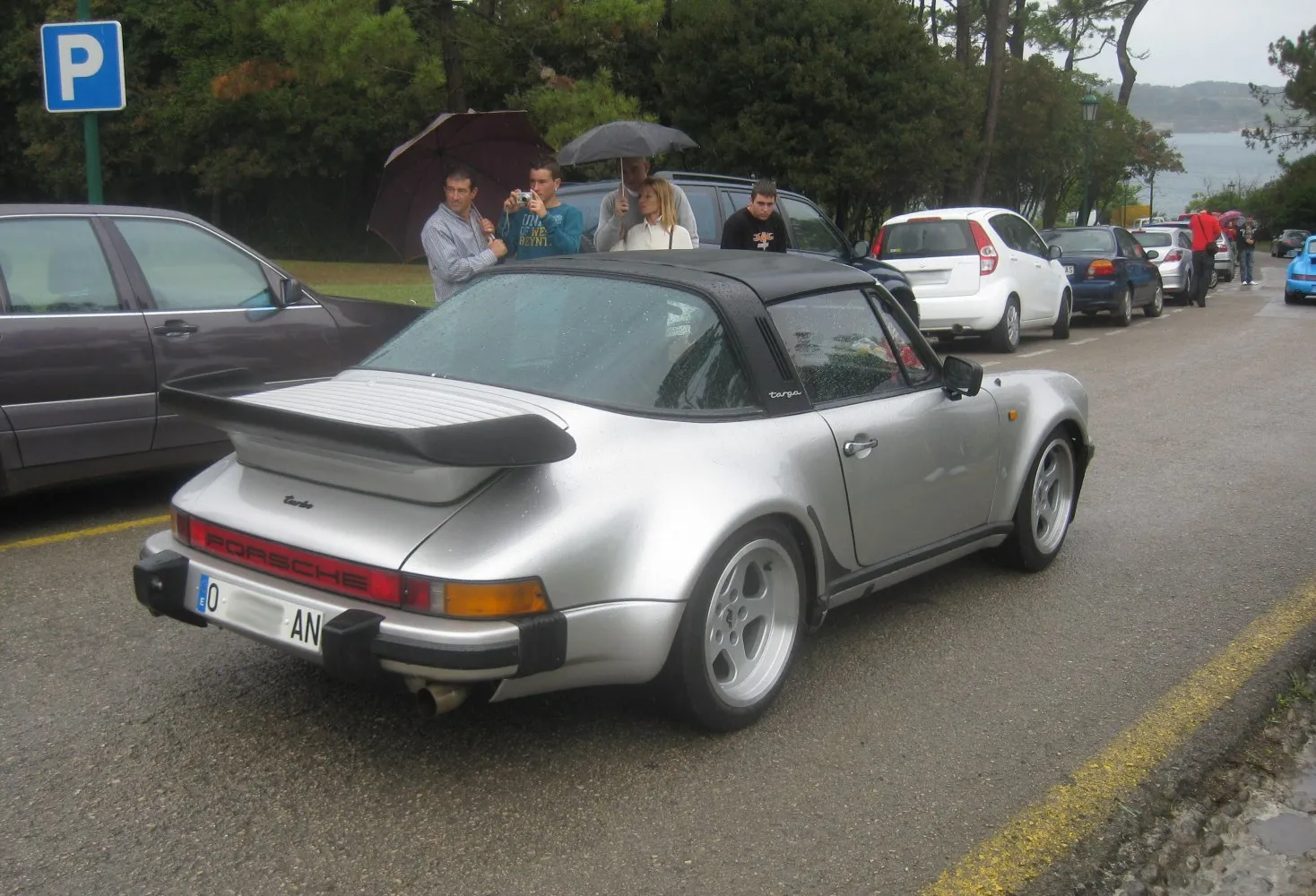
The Porsche 911 model series is a family of two-door, high performance rear-engine sports cars, introduced in September 1964 by Porsche of Stuttgart, Germany, and now in its eighth generation. All 911s have a rear-mounted flat-six engine, and usually 2+2 seating, except for special 2-seater variants. Originally, 911s had air-cooled engines, and torsion bar suspension, but the 911 has been continuously changed and improved across generations. Though the 911 core concept has remained largely unchanged, water-cooled engines were introduced with the 996 series in 1998, and front and rear suspension have been replaced by Porsche-specific MacPherson suspension up front, and independent multi-link rear suspension....(Read more on Wikipedia)
Dakar (992) Overview:
Porsche 911 (Dakar (992)). With 570 Nm of torque, it offers ample pulling power. With a weight of 1605 kg, it falls in the mid‑range. All‑wheel drive provides excellent grip, ideal for off‑road use. Acceleration is excellent (0–100 km/h in 3.4 s). The top speed reaches 240 km/h. A rugged vehicle built to handle rough terrains and challenging driving conditions. A two-door car with a fixed roof, known for its sporty design and dynamic performance. Seating for 2 makes it ideal for daily use.
3.0 (480 Hp) AWD PDK Verdict:

Performance Verdict
The 3.0L BiTurbo flat-six delivers exhilarating 480 Hp and 570 Nm of torque, propelling the Dakar from 0-100 km/h in just 3.4 seconds. Its power delivery is robust and linear, perfectly suited for both high-speed tarmac and challenging off-road excursions, complemented by the rapid PDK transmission.
Fuel Economy
With a combined fuel consumption of 10.5 l/100 km (NEDC) or 11.3 l/100 km (WLTP), the 3.0L engine's economy is respectable for a high-performance sports car, though it's not its primary focus. Owners should expect higher figures under spirited driving or off-road conditions.
Pros and Cons:
Pros:
- • Unparalleled blend of sports car performance and off-road capability
- • Exceptional exclusivity and collector's appeal
- • Powerful and responsive 3.0L BiTurbo engine
- • Advanced AWD system and specialized suspension for varied terrain
- • Iconic 911 design with rugged Dakar enhancements
Cons:
- • Very high purchase price and limited availability
- • Fuel economy is typical for a high-performance vehicle
- • Specialized tires may limit ultimate on-road grip compared to standard 911s
- • Limited practicality with only two seats and small trunk space
Specifications:
Specifications are compared to those of the previous generation(Cabriolet (992): November, 2021 - May, 2024).
| General: | |
|---|---|
| Brand: | Porsche |
| Model: | 911 |
| Generation: | Dakar (992) |
| Modification (Engine): | 3.0 (480 Hp) AWD PDK |
| Start of production: | November, 2022 |
| End of production: | May, 2024 |
| Powertrain Architecture: | Internal Combustion engine |
| Body type: | Off-road vehicle, Coupe |
| Seats: | 2 |
| Doors: | 2 |
| Engine: | |
|---|---|
| Engine systems: | Start & Stop System |
| Power: | 480 Hp @ 6500 rpm. Same horsepower |
| Power per litre: | 161 Hp/l [3mm less] |
| Torque: | 570 Nm @ 2300-5000 rpm. |
| Engine displacement: | 2981 |
| Number of cylinders: | 6 |
| Engine configuration: | Boxer |
| Number of valves per cylinder: | 4 |
| Fuel injection system: | Direct injection |
| Engine aspiration: | BiTurbo, Intercooler |
| Valvetrain: | VarioCam Plus |
| Engine layout: | Rear, Longitudinal |
| Cylinder Bore: | 91 mm |
| Piston Stroke: | 76.4 mm |
| Compression ratio: | 10.2:1 |
| Maximum engine speed: | 7500 rpm. |
| Performance: | |
|---|---|
| Fuel Type: | Petrol (Gasoline) |
| Fuel consumption (economy) - urban: | 15.1 l/100 km |
| Fuel consumption (economy) - extra urban: | 7.8 l/100 km |
| Combined fuel consumption (WLTP): | 11.3 l/100 km |
| Fuel consumption (economy) - combined (NEDC): | 10.5 l/100 km |
| Fuel consumption at Low speed (WLTP): | 19.4 l/100 km |
| Fuel consumption at Medium speed (WLTP): | 10.7 l/100 km |
| Fuel consumption at high speed (WLTP): | 9.5 l/100 km |
| Fuel consumption at very high speed (WLTP): | 10.1 l/100 km |
| Fuel consumption (economy) - urban (NEDC): | 15.1 l/100 km |
| Fuel consumption (economy) - extra urban (NEDC): | 7.8 l/100 km |
| Fuel consumption (economy) - combined: | 10.5 l/100 km |
| Emission standard: | Euro 6d-ISC-FCM |
| Acceleration 0 - 100 km/h: | 3.4 sec |
| Acceleration 0 - 62 mph: | 3.4 sec |
| Maximum speed: | 240 km/h, Electronically limited |
| Weight-to-power ratio: | 3.3 kg/Hp, 299.1 Hp/tonne |
| Weight-to-torque ratio: | 2.8 kg/Nm, 355.1 Nm/tonne |
| Acceleration 0 - 200 km/h: | 12 sec |
| Acceleration 0 - 60 mph: | 3.2 sec |
| Space: | |
|---|---|
| Kerb Weight: | 1605 |
| Max. weight: | 1960 |
| Max. roof load: | 75 kg |
| Max load: | 355 |
| Trunk (boot) space - minimum: | 132 l |
| Fuel tank capacity: | 67 l |
| Size: | |
|---|---|
| Ramp-over (brakeover) angle: | 16.2° |
| Length: | 4530 mm [3mm less] |
| Width: | 1864 mm [12mm more] |
| Height: | 1338 mm [36mm more] |
| Wheelbase: | 2450 mm [Same wheelbase.] |
| Width including mirrors: | 2033 mm |
| Front track: | 1617 mm |
| Rear (Back) track: | 1572 mm |
| Ride height (ground clearance): | 161 mm |
| Minimum turning circle (turning diameter): | 10.7 m [above average] |
| Approach angle: | 14.2° |
| Departure angle: | 16.4° |
| Powertrain: | |
|---|---|
| Drivetrain Architecture | The Internal combustion engine (ICE) drives permanently the four wheels of the vehicle. |
| Drive wheel | All wheel drive (4x4) |
| Number of gears | 8 |
| Transmission type | Automatic |
| Gearbox type | PDK |
| Front brakes | Ventilated discs, 350x34 mm [Best for performance and cooling.] |
| Rear brakes | Ventilated discs, 350x28 mm [Best for performance and cooling.] |
| Assisting systems | ABS (Anti-lock braking system) |
| Steering type | Steering rack and pinion |
| Power steering | Electric Steering |
| Tires size | Front wheel tires: 245/45 R19 |
| Wheel rims size | Front wheel rims: 8J x 19 |
| Front suspension | Independent type McPherson |
| Rear suspension | Independent multi-link suspension |












Is the Porsche 911 your dream ride or just a daily drive? Let's talk!