
Click on image to view the full photo gallery
Opel Commodore C Caravan 2.5 S (115 Hp) Automatic
Overall Rating
Opel Commodore:
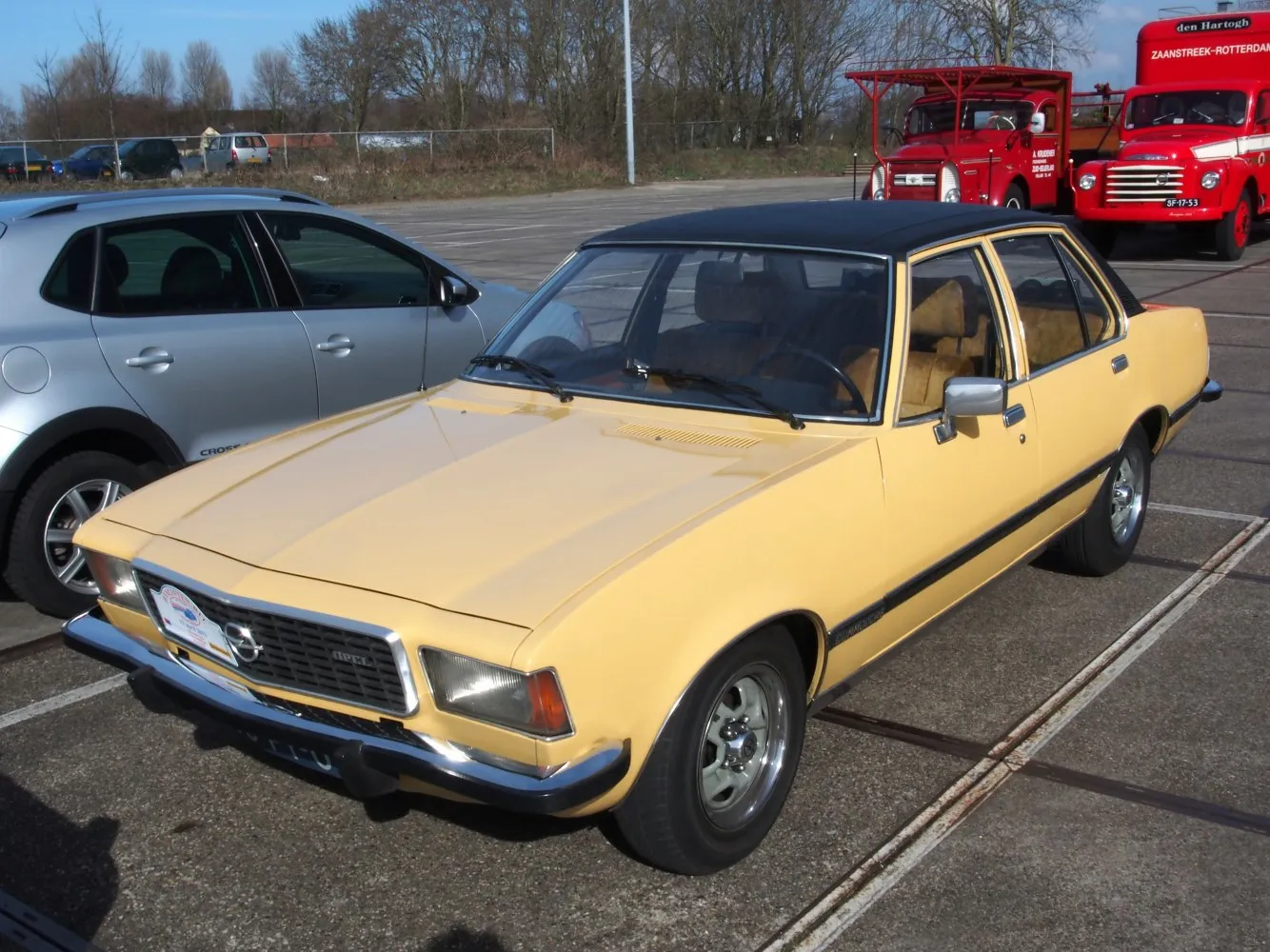
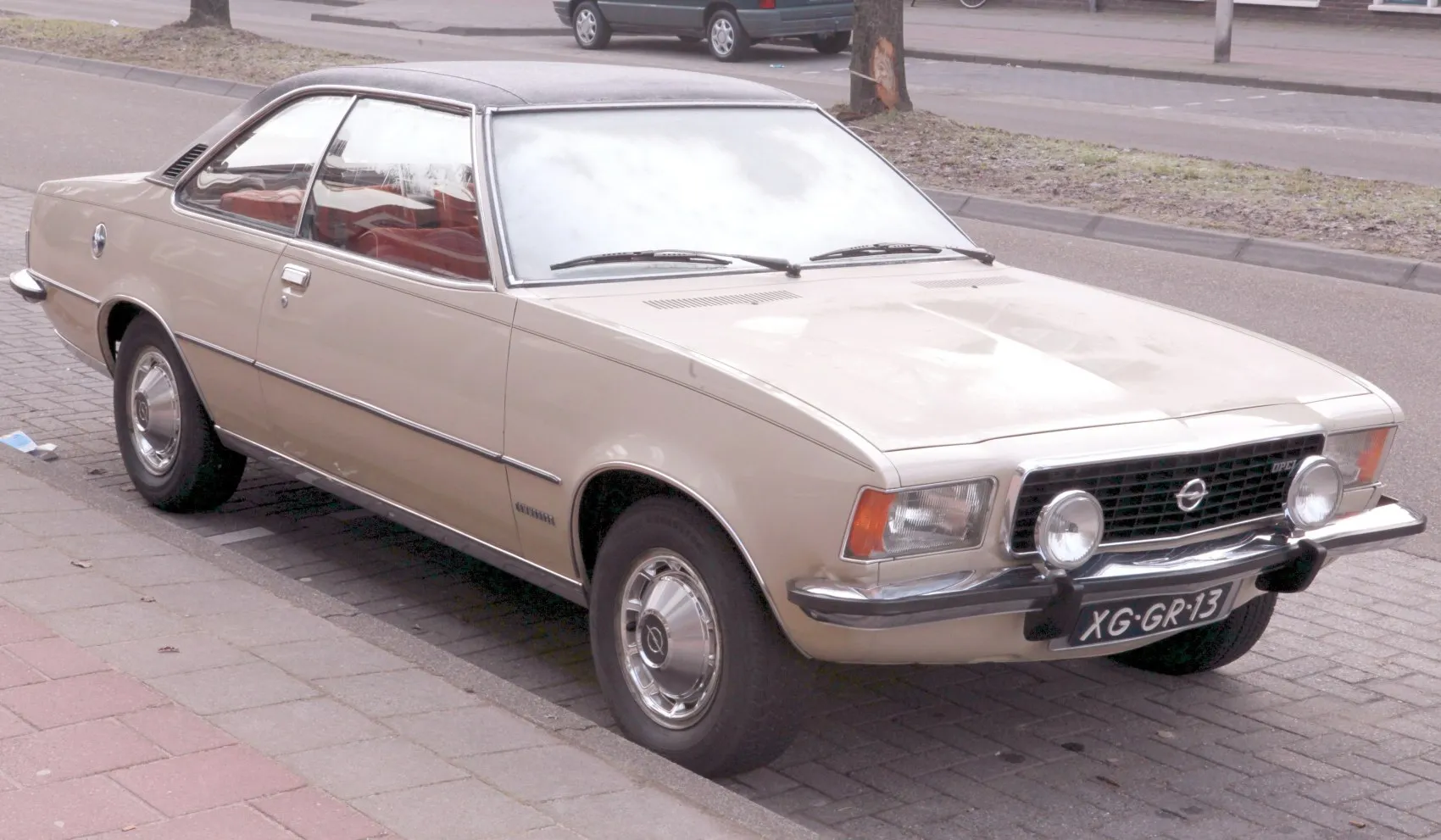
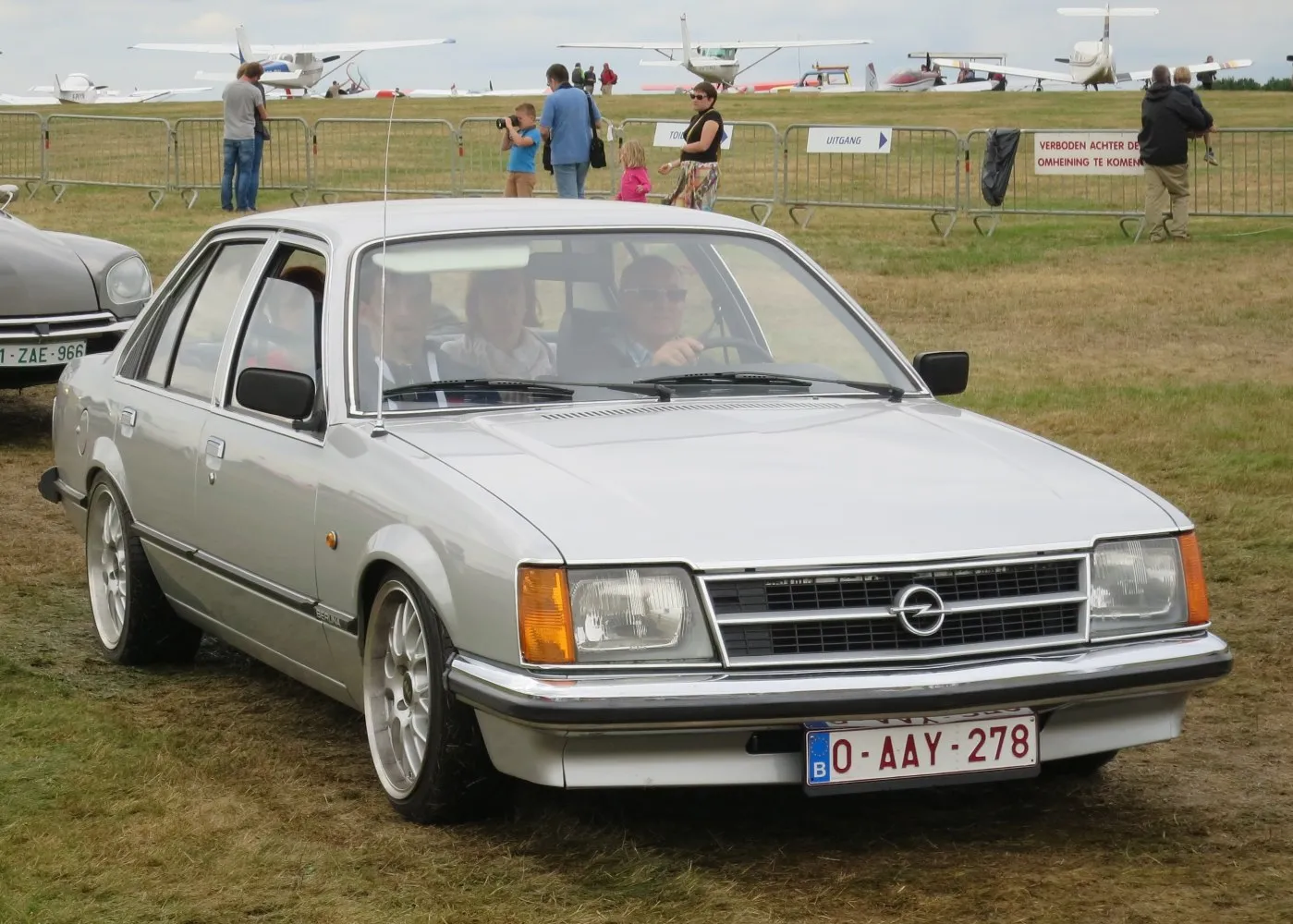
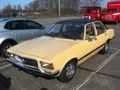
The Opel Commodore is an executive car produced by Opel from 1967 to 1986. It is the six-cylinder variant of the Rekord with styling differences. The Commodore nameplate was used by Opel from 1967 to 1982 in Europe and to 1986 in South Africa. The Commodore nameplate was adopted by Holden in Australia, where it continued until 2020. The last generation was sold in the United Kingdom primarily as the Vauxhall Viceroy although Opel-badged models were also sold there, and the Chevrolet Commodore in South Africa from 1978 to 1982, when it was renamed the Opel Commodore....(Read more on Wikipedia)
C Caravan Overview:
Opel Commodore (C Caravan). With 179 Nm of torque, it offers ample pulling power. With a weight of 1307 kg, it falls in the mid‑range. Rear‑wheel drive offers dynamic handling and sporty feedback. Acceleration is relatively slow (0–100 km/h in 14 s). The top speed reaches 172 km/h. A car with an extended rear cargo area, combining passenger comfort with increased storage. Seating for 5 makes it ideal for daily use.
2.5 S (115 Hp) Automatic Verdict:

Performance Verdict
Provides adequate performance for daily commuting, though it is the slowest accelerating option in the range due to the automatic gearbox.
Fuel Economy
Acceptable fuel consumption for an automatic of its era, though less efficient than the manual 2.5 S.
Pros and Cons:
Pros:
- • Spacious and practical station wagon body style
- • Robust and generally reliable inline-six engines
- • Comfortable ride quality for its era
- • Classic, understated styling
- • Ample cargo capacity for families
Cons:
- • High fuel consumption, especially with automatic transmissions
- • Dated technology compared to modern vehicles
- • Lack of modern safety features
- • Potential for rust (common for vehicles of this age)
- • Limited engine options (all 2.5L six-cylinders)
Specifications:
Specifications are compared to those of the previous generation(C: 1978 - 1982).
| General: | |
|---|---|
| Brand: | Opel |
| Model: | Commodore |
| Generation: | C Caravan |
| Modification (Engine): | 2.5 S (115 Hp) Automatic |
| Start of production: | 1980 |
| End of production: | 1982 |
| Powertrain Architecture: | Internal Combustion engine |
| Body type: | Station wagon (estate) |
| Seats: | 5 |
| Doors: | 5 |
| Engine: | |
|---|---|
| Power: | 115 Hp @ 5200 rpm. |
| Power per litre: | 46.2 Hp/l |
| Torque: | 179 Nm @ 3800-4200 rpm. |
| Engine Model/Code: | 25S [Same engine] More details about the engine 25S |
| Engine displacement: | 2490 |
| Number of cylinders: | 6 |
| Engine configuration: | Inline |
| Fuel injection system: | Carburettor |
| Engine aspiration: | Naturally aspirated engine |
| Valvetrain: | SOHC |
| Engine oil capacity: | 5.5 l |
| Engine layout: | Front, Longitudinal |
| Cylinder Bore: | 87 mm mm |
| Piston Stroke: | 69.8 mm mm |
| Compression ratio: | 9.2:1 |
| Performance: | |
|---|---|
| Fuel Type: | Petrol (Gasoline) |
| Fuel consumption (economy) - combined: | 10 l/100 km |
| Acceleration 0 - 100 km/h: | 14 sec |
| Acceleration 0 - 62 mph: | 14 sec |
| Maximum speed: | 172 km/h |
| Weight-to-power ratio: | 11.4 kg/Hp, 88 Hp/tonne |
| Weight-to-torque ratio: | 7.3 kg/Nm, 137 Nm/tonne |
| Acceleration 0 - 60 mph: | 13.3 sec |
| Space: | |
|---|---|
| Kerb Weight: | 1307 |
| Max. weight: | 1910 |
| Max. roof load: | 100 kg |
| Max load: | 603 |
| Permitted trailer load with brakes (12%): | 1400 kg |
| Fuel tank capacity: | 70 l |
| Permitted trailer load without brakes: | 630 kg |
| Size: | |
|---|---|
| Length: | 4732 mm mm [27mm more] |
| Width: | 1722 mm mm [8mm less] |
| Height: | 1470 mm mm [60mm more] |
| Wheelbase: | 2668 mm mm [Same wheelbase.] |
| Front track: | 1447 mm |
| Rear (Back) track: | 1438 mm |
| Front overhang: | 956 mm |
| Rear overhang: | 1108 mm |
| Minimum turning circle (turning diameter): | 10.8 m [above average] |
| Powertrain: | |
|---|---|
| Drivetrain Architecture | The Internal combustion engine (ICE) drives the rear wheels of the vehicle. |
| Drive wheel | Rear wheel drive |
| Number of gears | 3 |
| Transmission type | Automatic |
| Tires size | 175/88 R14 |
| Wheel rims size | 6J x 14 |




If you could change one thing about the Opel Commodore, what would it be?