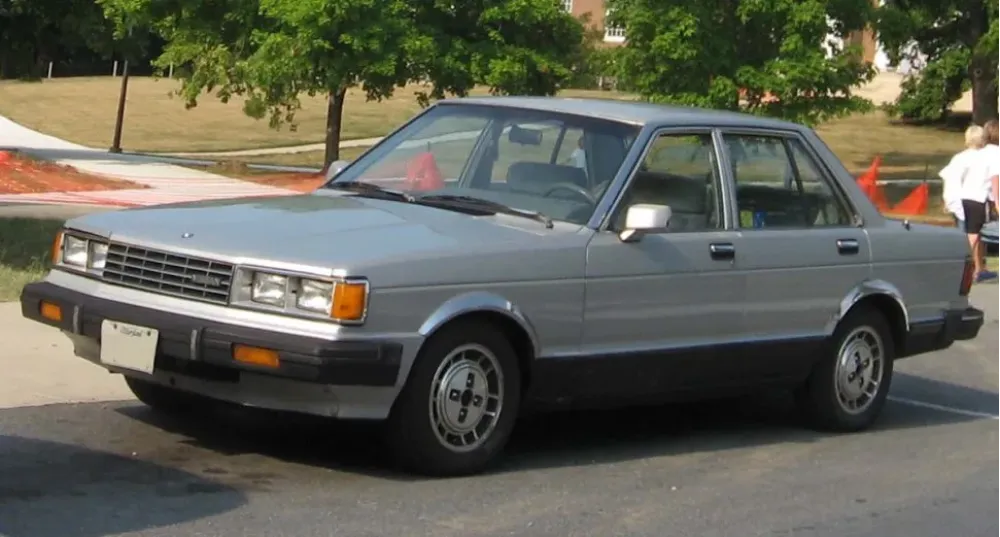
Nissan Maxima I (G910) 2.8 (81 Hp) Automatic
People\'s Opinion
N/A / 5
Nissan Maxima:
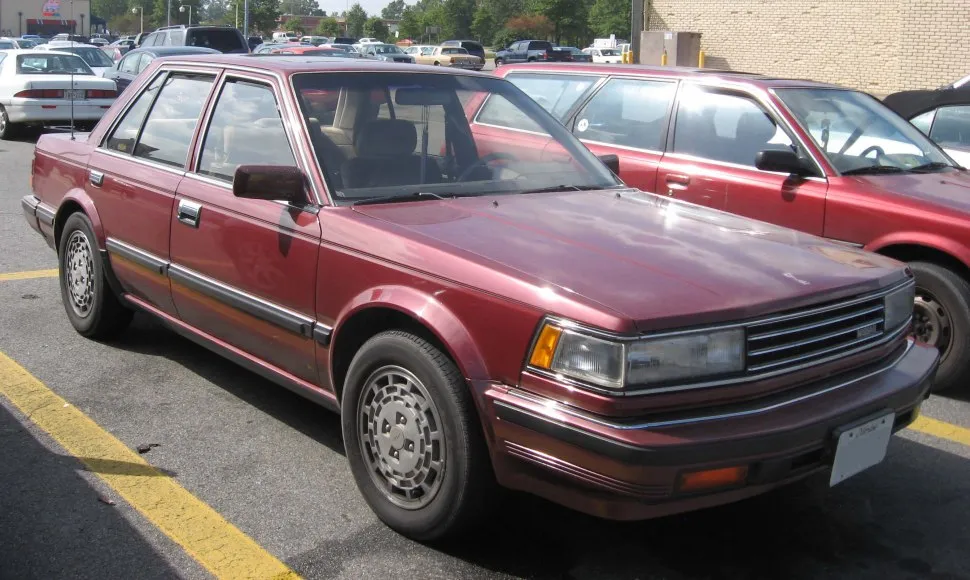
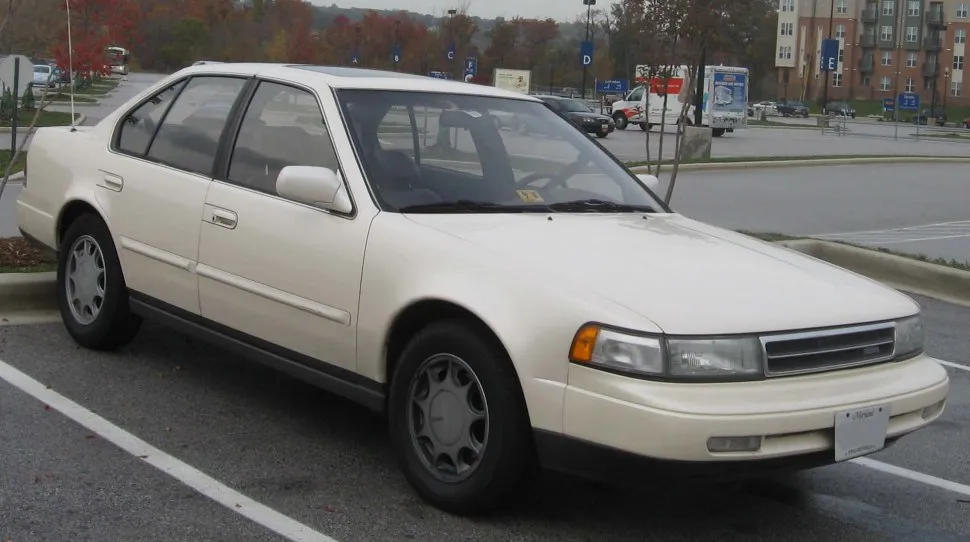
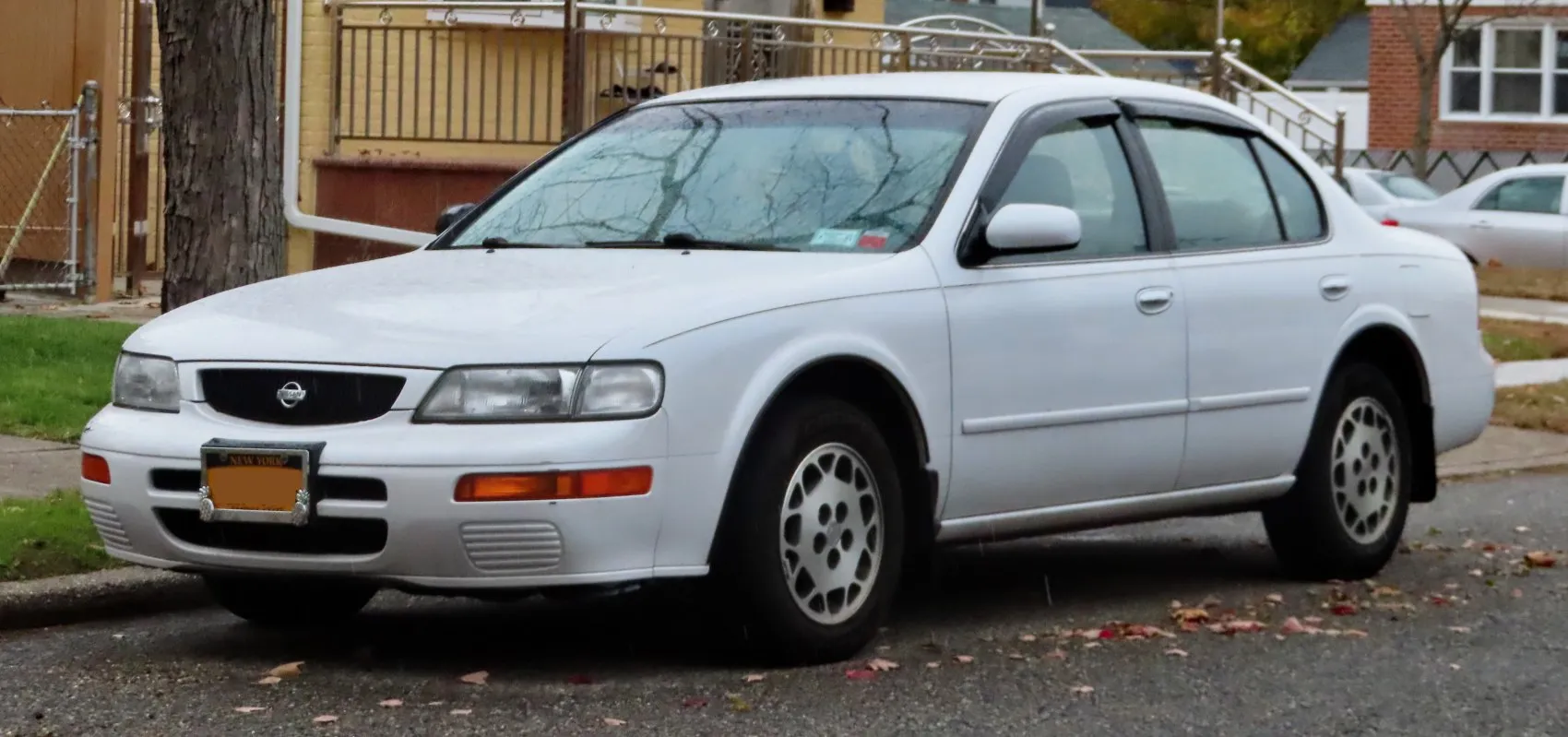
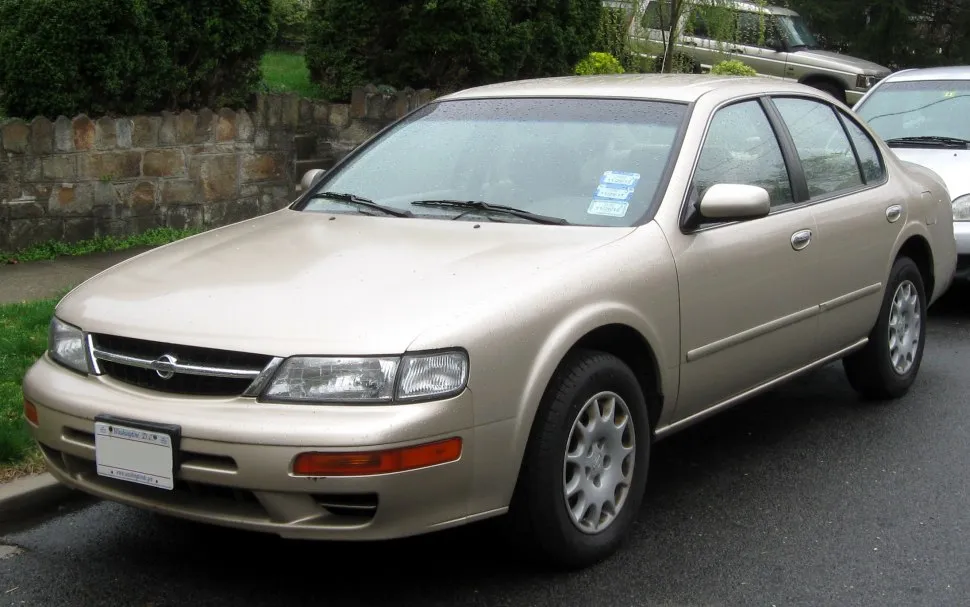
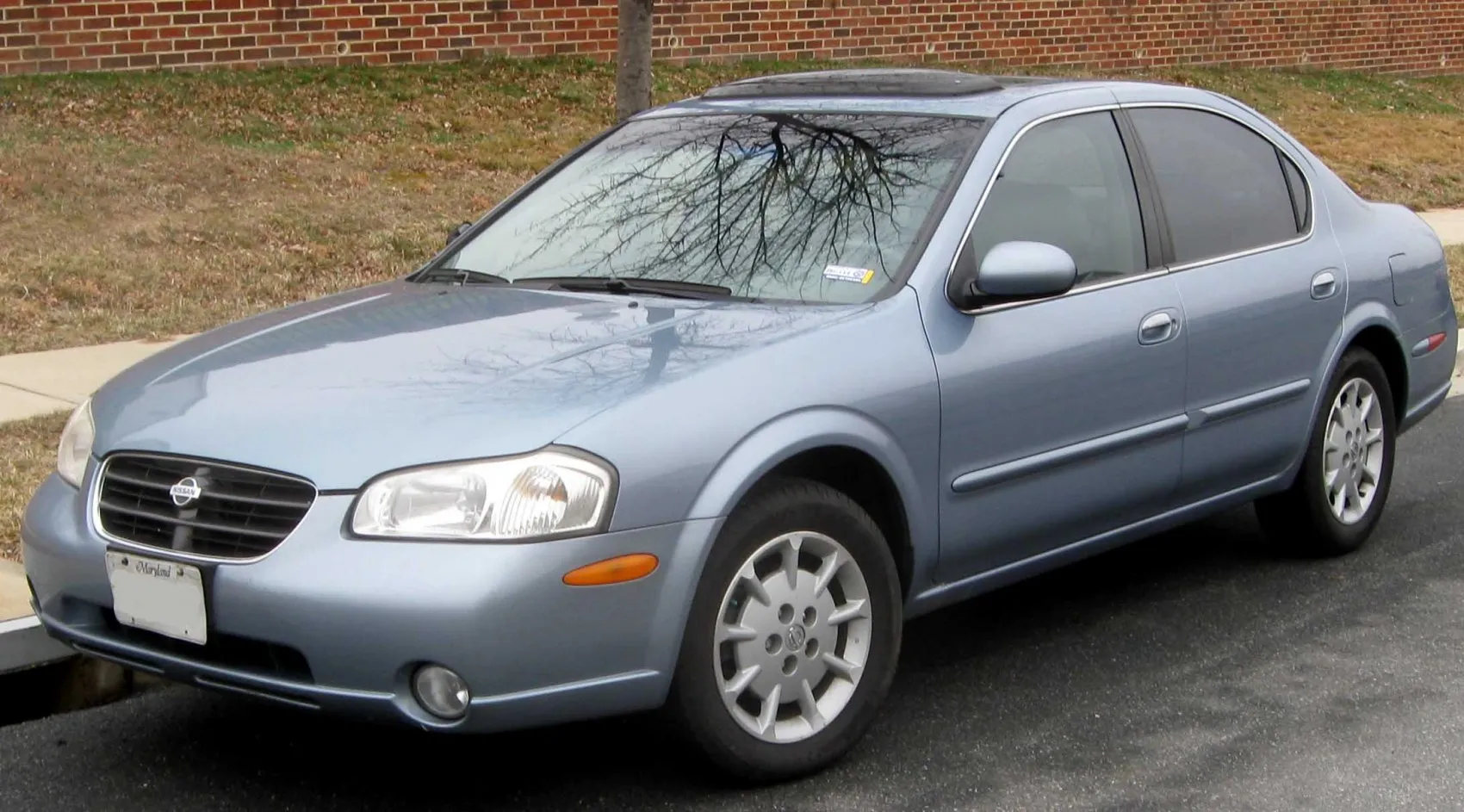
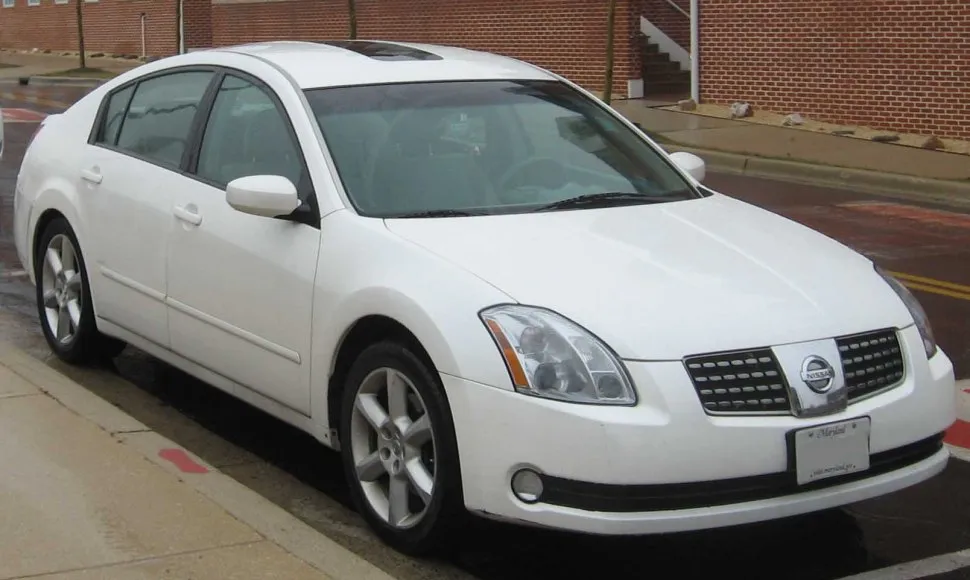
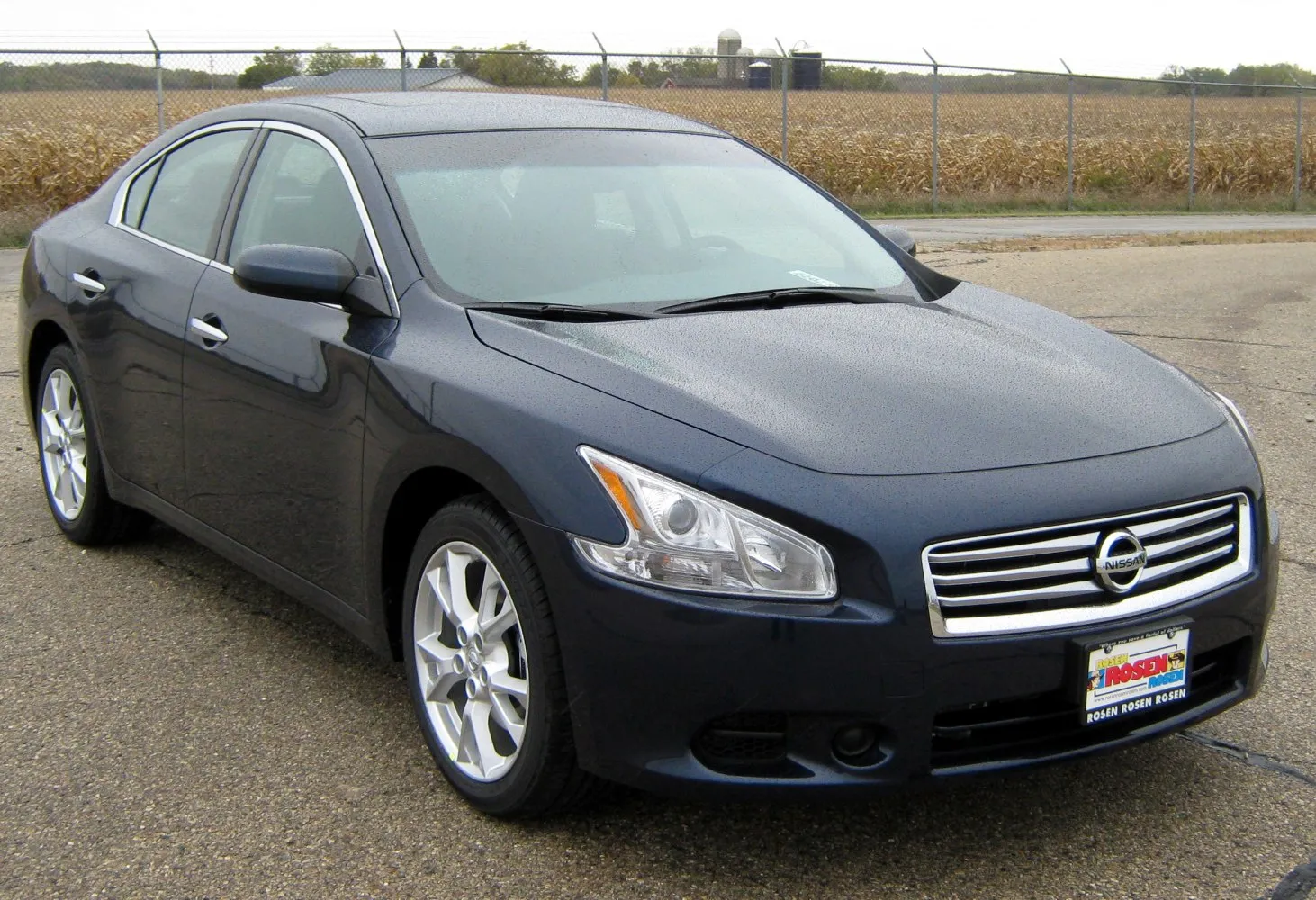
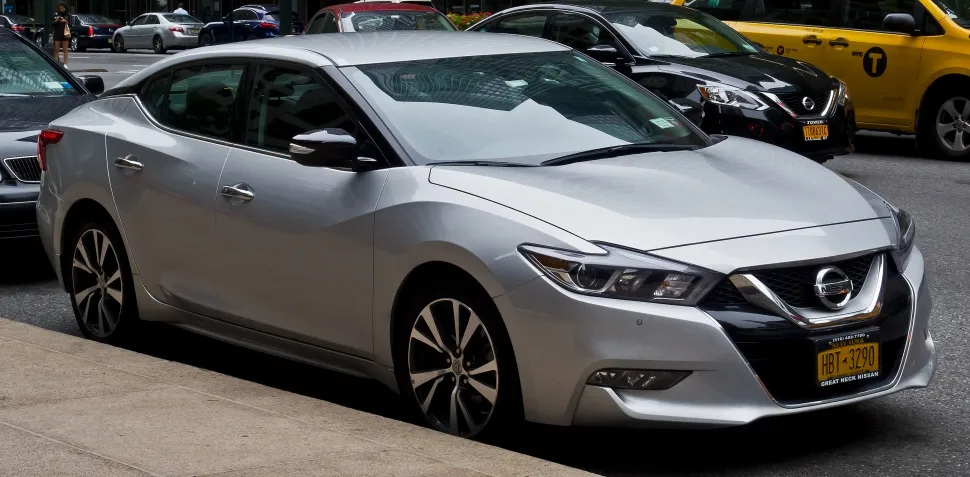
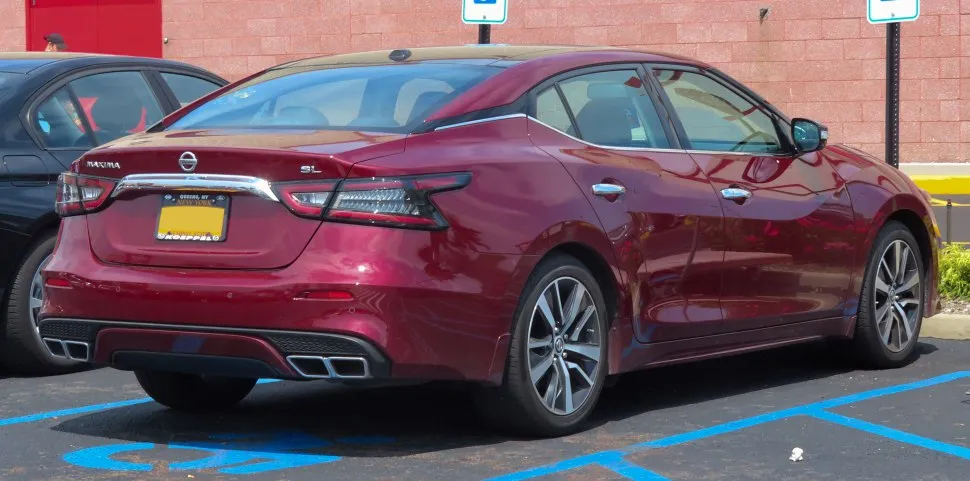
The Nissan Maxima is a five-passenger, front-engine, full-size car that was manufactured and marketed by Nissan as Nissan's flagship sedan primarily in North America, the Middle East, South Korea, and China — across eight generations. The Maxima debuted for model year 1982 as the Datsun Maxima, replacing the Datsun 810.
The Maxima was marketed as an upscale alternative to the Altima and prior to 1993, the Stanza, distinguished by features such as a premium interior and V6 engine. Most Maximas were built in Oppama, Japan, until North American assembly began in Smyrna, Tennessee, for the 2004 model year....(Read more on Wikipedia)
I (G910) Overview:
Nissan Maxima (I (G910)). With 163 Nm of torque, it offers ample pulling power. With a weight of 1350 kg, it falls in the mid‑range. Rear‑wheel drive offers dynamic handling and sporty feedback. A four-door car with a separate trunk, ideal for families and daily commuting. Seating for 4 makes it ideal for daily use.
Performance Verdict
Significantly underpowered for its 2.8L displacement, delivering only 81 Hp. This results in sluggish acceleration and limited overtaking capability, making it less suitable for spirited driving or demanding conditions.
Fuel Economy
Despite the larger displacement and given it's a petrol engine, the low power output suggests an inefficient tune. Fuel economy is likely poor relative to its performance, an inefficient combination for its size.
Best Use Case:
City driving / Leisurely cruising
Pros and Cons:
Pros:
- • Smooth and relatively powerful 2.4L inline-six engine (for its time)
- • Comfortable and spacious interior for a family sedan
- • Reputable Nissan reliability from the 1980s
- • Rear-wheel-drive platform offers traditional driving dynamics
- • Good value proposition as a used classic
Cons:
- • Outdated safety features by modern standards
- • 3-speed automatic transmission is inefficient and limits performance
- • The 2.8L (81 Hp) engine is significantly underpowered
- • Fuel economy is poor compared to contemporary vehicles
- • Handling can feel floaty compared to modern cars
Specifications:
| General: |
| Brand: | Nissan |
|---|
| Model: | Maxima |
|---|
| Generation: | I (G910) |
|---|
| Modification (Engine): | 2.8 (81 Hp) Automatic |
|---|
| Start of production: | 1983 |
|---|
| End of production: | 1984 |
|---|
| Powertrain Architecture: | Internal Combustion engine |
|---|
| Body type: | Sedan |
|---|
| Seats: | 4 |
|---|
| Doors: | 4 |
|---|
| Engine: |
| Power: | 81 Hp @ 4600 rpm. |
|---|
| Power per litre: | 29 Hp/l |
|---|
| Torque: | 163 Nm @ 2400 rpm. |
|---|
| Engine displacement: | 2793 |
|---|
| Number of cylinders: | 6 |
|---|
| Engine configuration: | Inline |
|---|
| Number of valves per cylinder: | 2 |
|---|
| Fuel injection system: | Precombustion chamber injection |
|---|
| Engine aspiration: | Naturally aspirated engine |
|---|
| Engine layout: | Front, Longitudinal |
|---|
| Cylinder Bore: | 84.5 mm mm |
|---|
| Piston Stroke: | 83 mm mm |
|---|
| Compression ratio: | 22.2:1 |
|---|
| Performance: |
| Fuel Type: | Diesel |
|---|
| Weight-to-power ratio: | 16.7 kg/Hp, 60 Hp/tonne |
|---|
| Weight-to-torque ratio: | 8.3 kg/Nm, 120.7 Nm/tonne |
|---|
| Space: |
| Kerb Weight: | 1350 |
|---|
| Fuel tank capacity: | 62 l |
|---|
| Size: |
| Length: | 4670 mm mm |
|---|
| Width: | 1645 mm mm |
|---|
| Height: | 1395 mm mm |
|---|
| Wheelbase: | 2625 mm mm |
|---|
| Front track: | 1379 mm |
|---|
| Rear (Back) track: | 1359 mm |
|---|
| Powertrain: |
| Drivetrain Architecture | The Internal combustion engine (ICE) drives the rear wheels of the vehicle. |
|---|
| Drive wheel | Rear wheel drive |
|---|
| Number of gears | 3 |
|---|
| Transmission type | Automatic |
|---|
| Front brakes | Ventilated discs |
|---|
| Rear brakes | Drum |
|---|
| Tires size | 185/70 R14 |
|---|
| Wheel rims size | 14 |
|---|







The hidden gems or the annoying flaws? Expose the truth about the Nissan Maxima!