
Click on image to view the full photo gallery
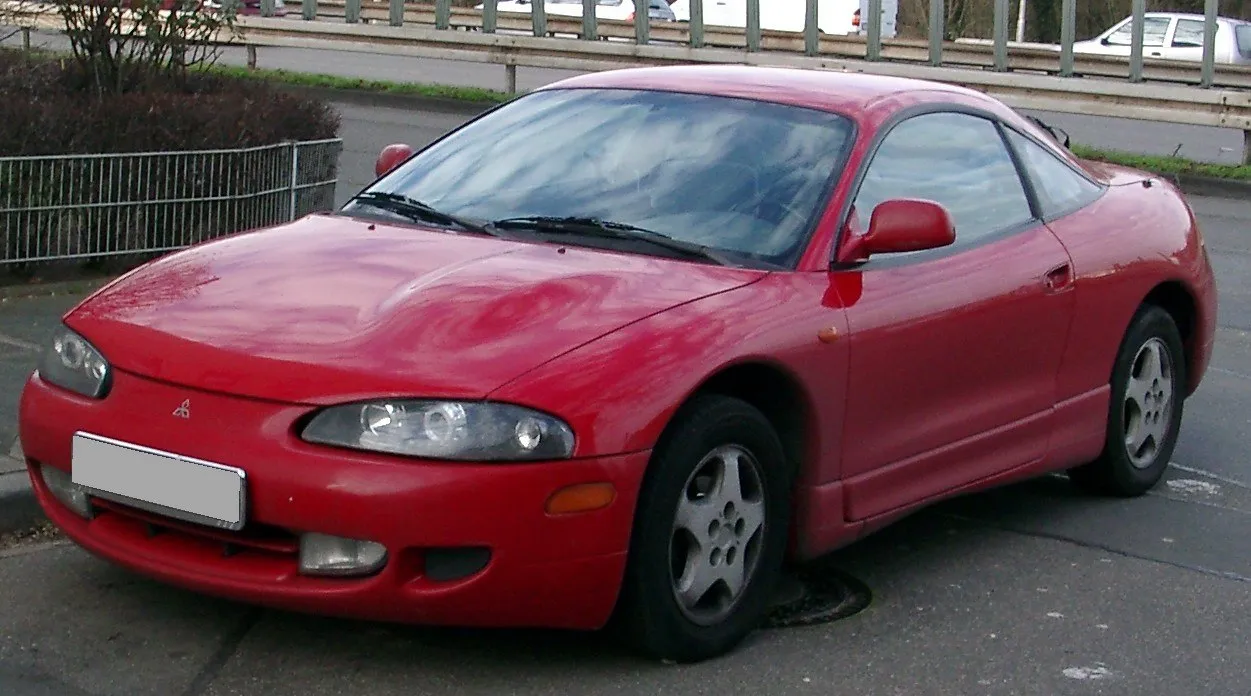
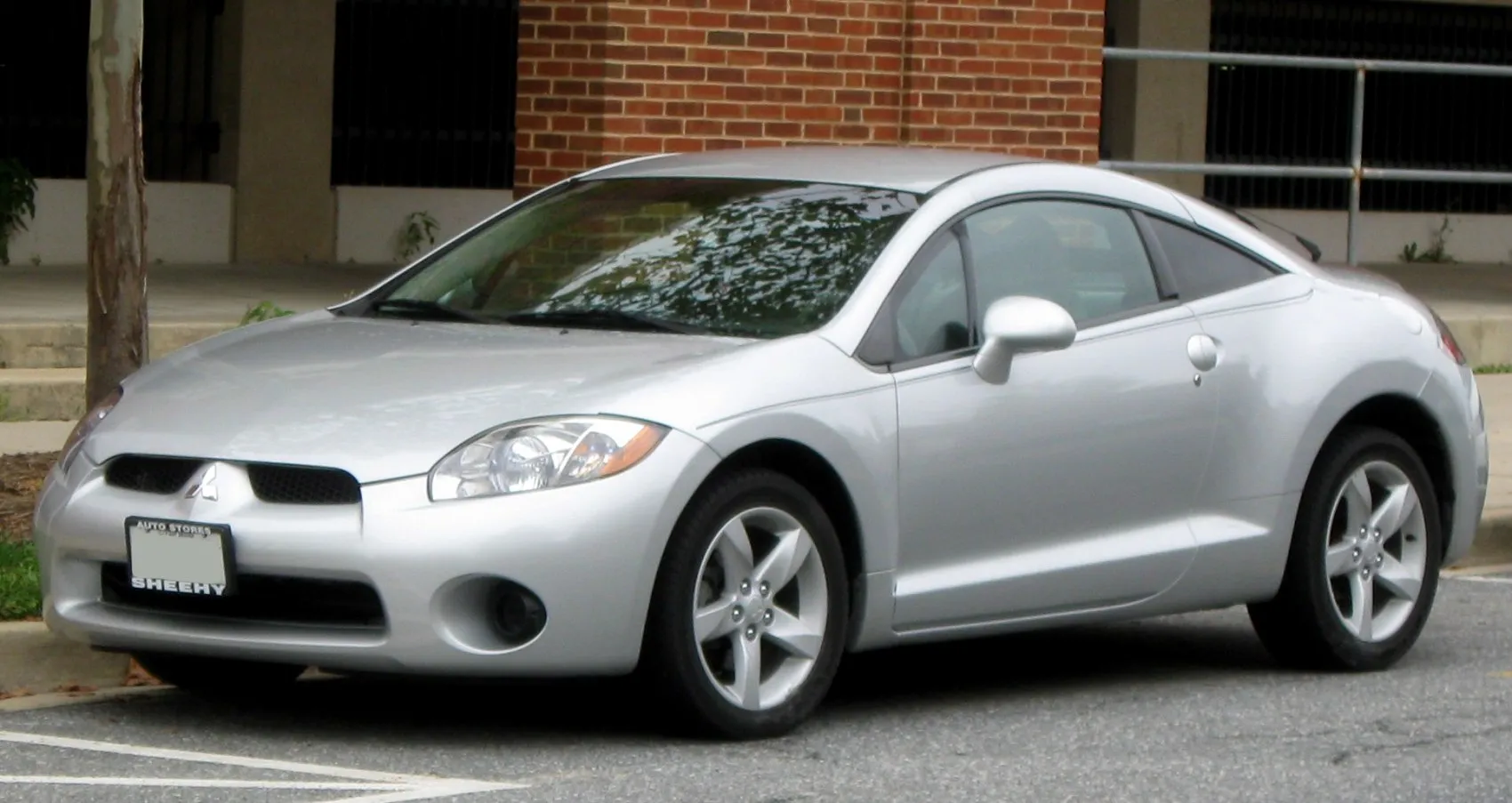
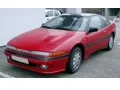
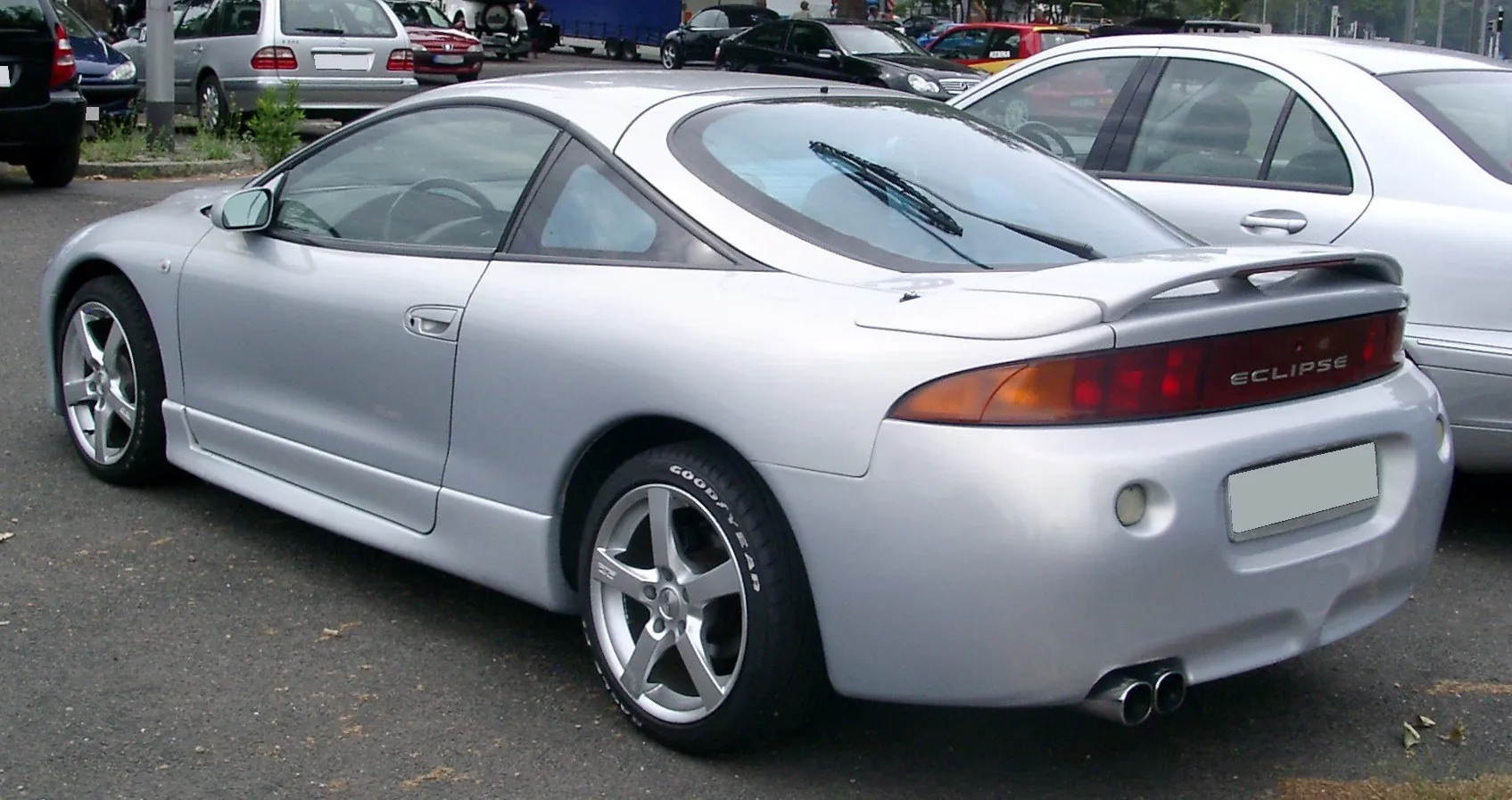
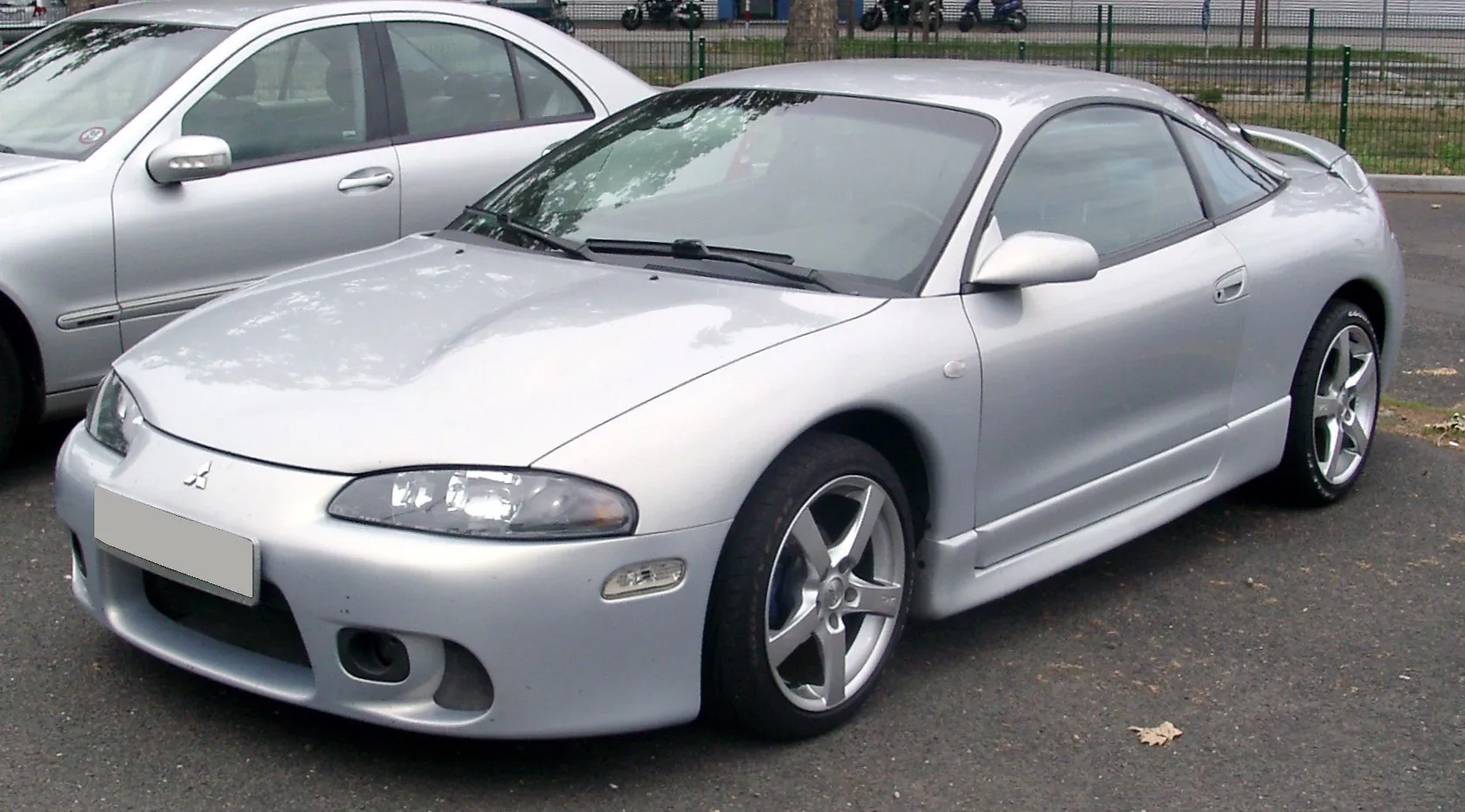
Mitsubishi Eclipse II (2G, facelift 1997) 2.0 (141 Hp)
Overall Rating
Mitsubishi Eclipse:
The Mitsubishi Eclipse is a sport compact car which was manufactured and marketed by Mitsubishi over four generations in the 1990–2012 model years. A convertible body style was added during the 1996 model year.
The first two generations were marketed simultaneously as rebadged variants, including the Eagle Talon and Plymouth Laser — and were a byproduct of Mitsubishi Motors and Chrysler Corporation's close alliance. Their partnership in turn gave rise to Diamond-Star Motors. In Japan, the first two generations were sold at a specific Japanese retail chain called Mitsubishi Car Plaza. The third, 2000–2005 generation shared an extended wheelbase variant of their platform with the Chrysler Sebring and Dodge Stratus. In May 2005, the fourth, and final generation Eclipse was introduced, replacing the Chrysler platform used for the third generation with the PS platform....(Read more on Wikipedia)
II (2G, facelift 1997) Overview:
Mitsubishi Eclipse (II (2G, facelift 1997)). With 179 Nm of torque, it offers ample pulling power. With a weight of 1432 kg, it falls in the mid‑range. Front‑wheel drive delivers efficiency and easy handling. Acceleration is relatively slow (0–100 km/h in 9.5 s). The top speed reaches 217 km/h. A two-door car with a fixed roof, known for its sporty design and dynamic performance. A car with a sloping rear hatch that opens upwards, combining style and practicality. Seating for 4 makes it ideal for daily use.
2.0 (141 Hp) Verdict:

Performance Verdict
The 2.0-liter naturally aspirated 4G63 engine offers respectable performance for its class and era, with a 0-100 km/h time of 9.5 seconds. It's smooth and responsive, providing an engaging, albeit not blistering, driving experience.
Fuel Economy
With a combined fuel consumption of 9.7 l/100 km, the 2.0 (141 Hp) engine offers average fuel economy for a naturally aspirated 2.0-liter engine from the late 90s. It's acceptable for daily driving but not exceptionally frugal.
Pros and Cons:
Pros:
- • Distinctive and sporty exterior styling
- • Engaging driving dynamics for a FWD coupe
- • Reliable 4G63 engine with good aftermarket support
- • Affordable entry into a classic JDM-era sports car
- • Decent handling and road feedback
Cons:
- • Limited rear passenger and cargo space
- • Interior materials can feel dated and plasticky
- • Fuel economy is average by modern standards
- • FWD architecture limits ultimate performance potential compared to AWD/RWD rivals
- • Rust can be a concern in some regions
Specifications:
Specifications are compared to those of the previous generation(II (2G): 1995 - 1996).
| General: | |
|---|---|
| Brand: | Mitsubishi |
| Model: | Eclipse |
| Generation: | II (2G, facelift 1997) |
| Modification (Engine): | 2.0 (141 Hp) |
| Start of production: | 1997 |
| End of production: | 1999 |
| Powertrain Architecture: | Internal Combustion engine |
| Body type: | Coupe, Liftback |
| Seats: | 4 |
| Doors: | 3 |
| Engine: | |
|---|---|
| Power: | 141 Hp @ 6000 rpm. Same horsepower |
| Power per litre: | 70.6 Hp/l [10mm more] |
| Torque: | 179 Nm @ 3000 rpm. |
| Engine Model/Code: | 4G63 More details about the engine 4G63 |
| Engine displacement: | 1997 |
| Number of cylinders: | 4 |
| Engine configuration: | Inline |
| Number of valves per cylinder: | 4 |
| Fuel injection system: | Multi-port manifold injection |
| Engine aspiration: | Naturally aspirated engine |
| Valvetrain: | DOHC |
| Engine oil capacity: | 4.3 l |
| Coolant: | 7 l |
| Engine layout: | Front, Transverse |
| Cylinder Bore: | 85 mm |
| Piston Stroke: | 88 mm |
| Compression ratio: | 10:1 |
| Performance: | |
|---|---|
| Fuel Type: | Petrol (Gasoline) |
| Fuel consumption (economy) - urban: | 13.9 l/100 km |
| Fuel consumption (economy) - extra urban: | 7.3 l/100 km |
| Fuel consumption (economy) - combined (NEDC): | 9.7 l/100 km |
| Fuel consumption (economy) - urban (NEDC): | 13.9 l/100 km |
| Fuel consumption (economy) - extra urban (NEDC): | 7.3 l/100 km |
| Fuel consumption (economy) - combined: | 9.7 l/100 km |
| Emission standard: | Euro 2 |
| Acceleration 0 - 100 km/h: | 9.5 sec |
| Acceleration 0 - 62 mph: | 9.5 sec |
| Maximum speed: | 217 km/h |
| Weight-to-power ratio: | 9.9 kg/Hp, 101.1 Hp/tonne |
| Weight-to-torque ratio: | 7.8 kg/Nm, 128.3 Nm/tonne |
| Acceleration 0 - 60 mph: | 9 sec |
| Space: | |
|---|---|
| Kerb Weight: | 1395-1470 |
| Max. weight: | 1750 |
| Max. roof load: | 50 kg |
| Max load: | 280-355 |
| Trunk (boot) space - minimum: | 241 l |
| Fuel tank capacity: | 64 l |
| Size: | |
|---|---|
| Length: | 4385 mm [10mm more] |
| Width: | 1745 mm [Same width.] |
| Height: | 1295 mm [Same height.] |
| Wheelbase: | 2510 mm [Same wheelbase.] |
| Front track: | 1515 mm |
| Rear (Back) track: | 1505 mm |
| Front overhang: | 940 mm |
| Rear overhang: | 935 mm |
| Ride height (ground clearance): | 145 mm |
| Minimum turning circle (turning diameter): | 12.2 m [above average] |
| Powertrain: | |
|---|---|
| Drivetrain Architecture | The Internal combustion engine (ICE) drives the front wheels of the vehicle. |
| Drive wheel | Front wheel drive |
| Number of gears | 5 |
| Transmission type | Manual |
| Front brakes | Ventilated discs [Best for performance and cooling.] |
| Rear brakes | Disc [above average] |
| Assisting systems | ABS (Anti-lock braking system) |
| Steering type | Steering rack and pinion |
| Power steering | Hydraulic Steering |
| Tires size | 205/60 R15 |
| Wheel rims size | 6J x 15 |
| Front suspension | Independent multi-link suspension |
| Rear suspension | Independent multi-link suspension |









What’s the best feature of the Mitsubishi Eclipse? Tell us in the comments!