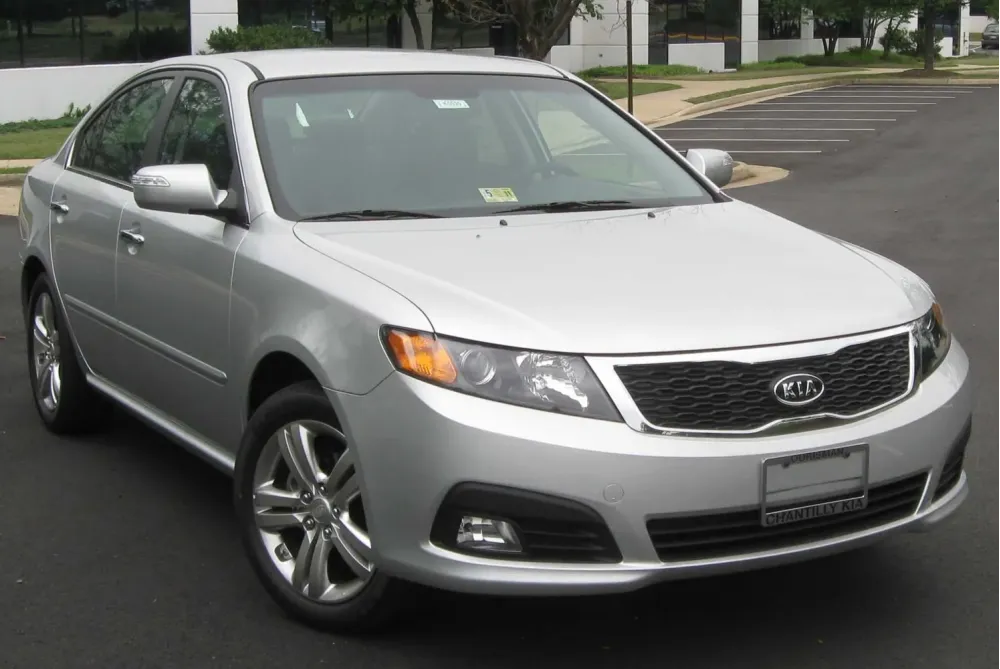
Click on image to view the full photo gallery
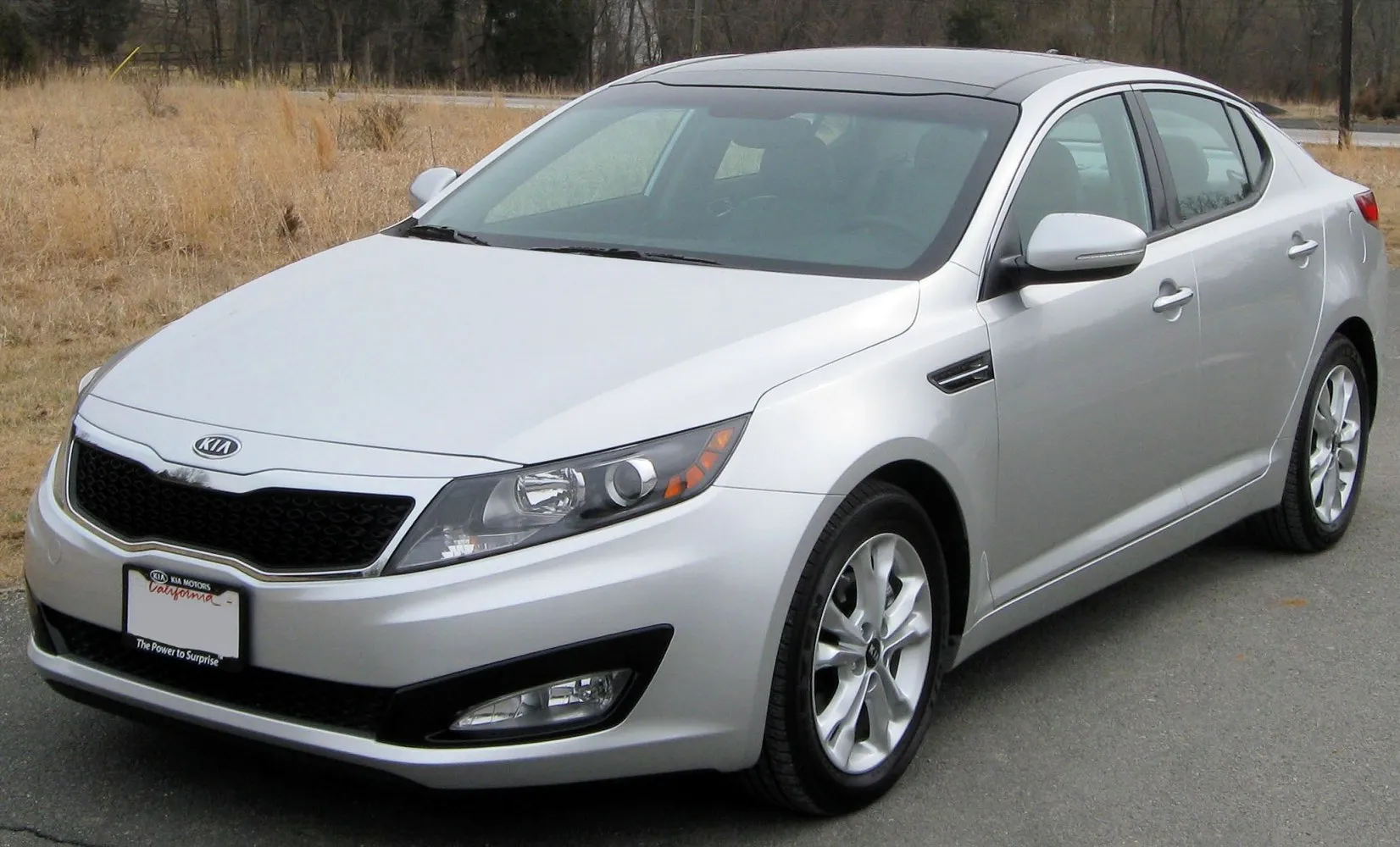
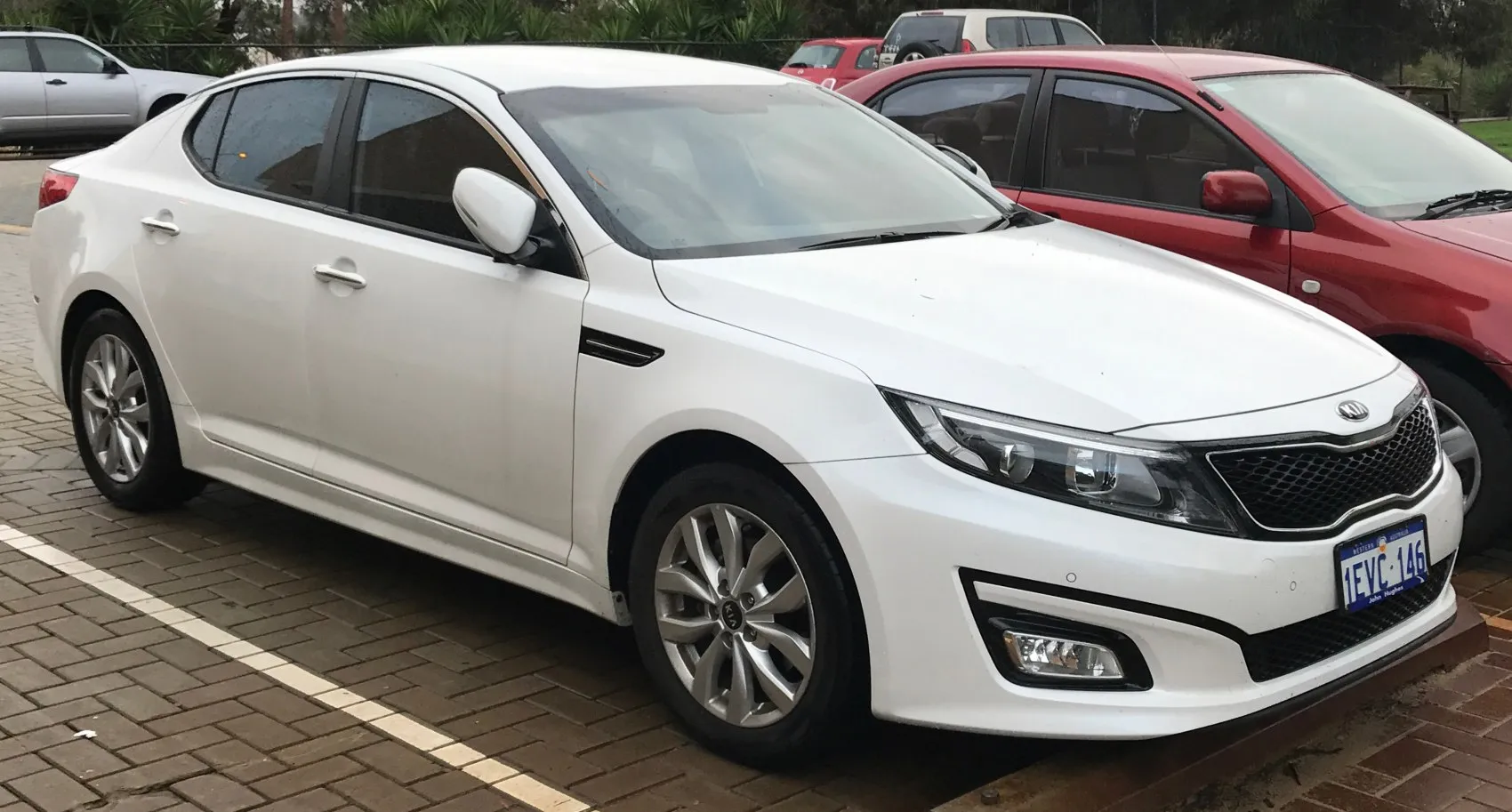
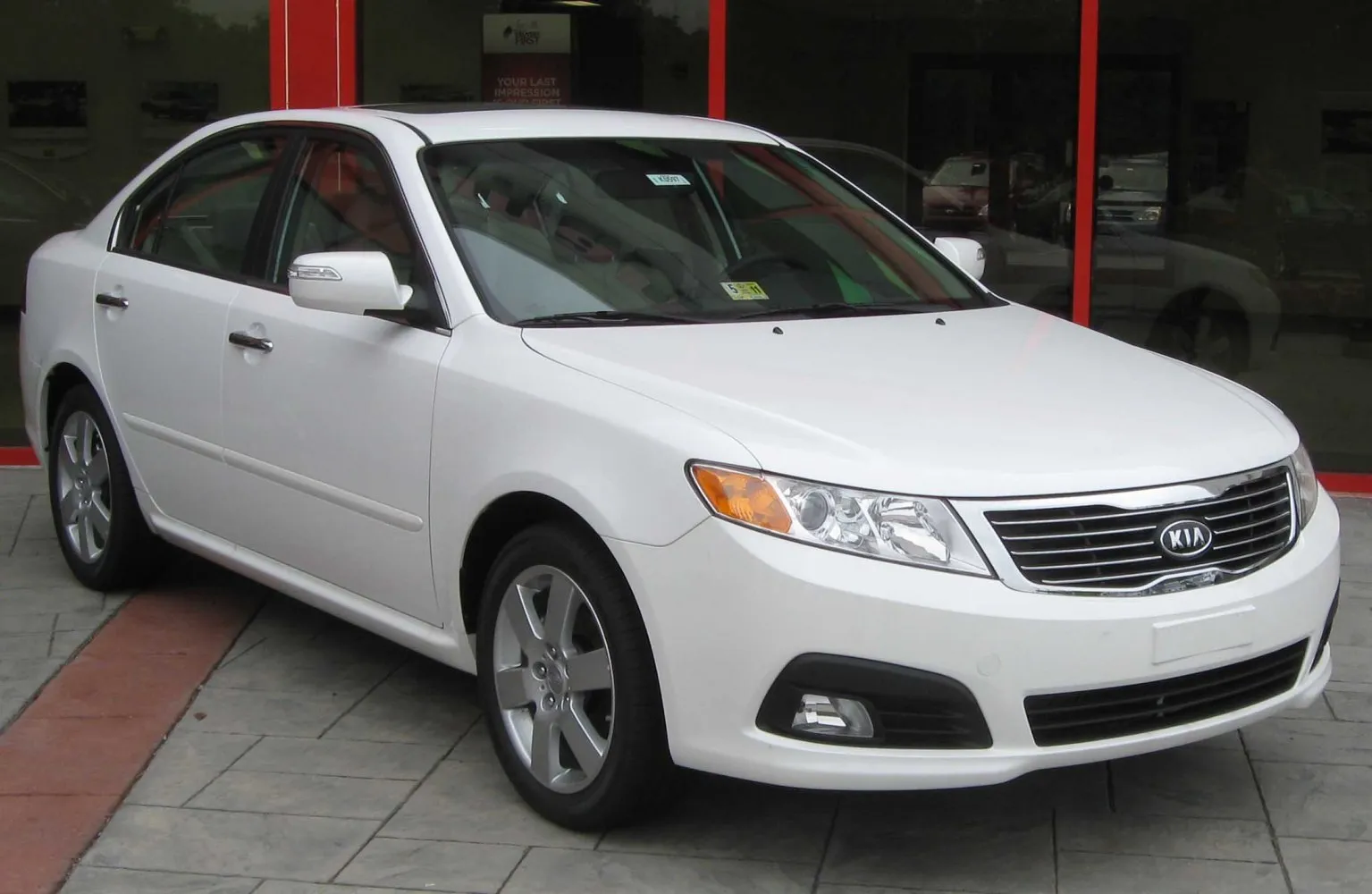
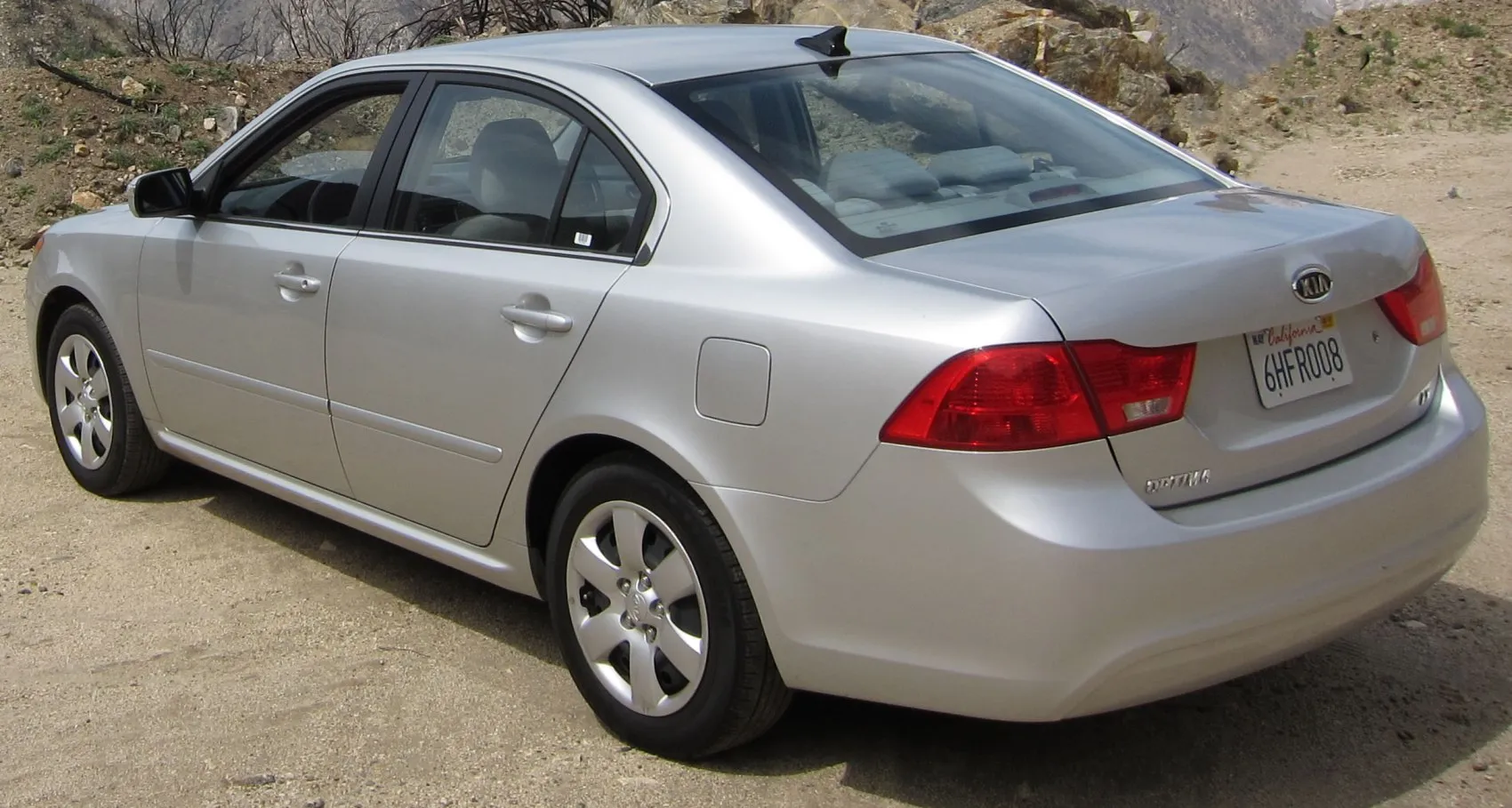
Kia Optima II (facelift 2008) 2.0 CVVT (165 Hp) Automatic
Overall Rating
Kia Optima:
The Kia K5 , formerly known as the Kia Optima , is a mid-size car manufactured by Kia since 2000 and marketed globally through various nameplates. First generation cars were mostly marketed as the Optima, although the Kia Magentis name was used in Europe and Canada when sales began there in 2002. For the second-generation models, Kia used the Kia Lotze and Kia K5 name for the South Korean market, and the Magentis name globally, except in the United States, Canada, Malaysia and the Middle East, where the Optima name was retained until the 2021 model year. The K5 name is used for all markets since the introduction of the fifth generation in 2019....(Read more on Wikipedia)
II (facelift 2008) Overview:
Kia Optima (II (facelift 2008)). With 197 Nm of torque, it offers ample pulling power. It has moderate fuel consumption (~9.8 l/100km). With a weight of 1433 kg, it falls in the mid‑range. Front‑wheel drive delivers efficiency and easy handling. Acceleration is relatively slow (0–100 km/h in 10.1 s). The top speed reaches 200 km/h. A four-door car with a separate trunk, ideal for families and daily commuting. Seating for 5 makes it ideal for daily use.
2.0 CVVT (165 Hp) Automatic Verdict:

Performance Verdict
Similar power delivery to the manual, but the automatic transmission slightly dulls acceleration. Smooth for urban driving.
Fuel Economy
Slightly higher fuel consumption than the manual, typical for an older automatic, but still acceptable for its class.
Pros and Cons:
Pros:
- • Good value for money in the mid-size sedan segment
- • Spacious interior and large trunk capacity
- • Comfortable ride quality, suitable for long journeys
- • Reliable powertrain options, especially the CVVT engines
- • Improved styling and features post-facelift
Cons:
- • Interior materials could be better compared to some rivals
- • Handling is competent but not as engaging as sportier competitors
- • Older automatic transmissions can be less refined than modern units
- • Limited official Euro NCAP safety data for this generation
- • Higher fuel consumption on the V6 models
Specifications:
Specifications are compared to those of the previous generation(II (facelift 2008): 2008 - 2010).
| General: | |
|---|---|
| Brand: | Kia |
| Model: | Optima |
| Generation: | II (facelift 2008) |
| Modification (Engine): | 2.0 CVVT (165 Hp) Automatic |
| Start of production: | 2009 |
| End of production: | 2010 |
| Powertrain Architecture: | Internal Combustion engine |
| Body type: | Sedan |
| Seats: | 5 |
| Doors: | 4 |
| Engine: | |
|---|---|
| Power: | 165 Hp @ 6200 rpm. Same horsepower |
| Power per litre: | 82.6 Hp/l [Same length.] |
| Torque: | 197 Nm @ 4600 rpm. |
| Engine displacement: | 1998 |
| Number of cylinders: | 4 |
| Engine configuration: | Inline |
| Number of valves per cylinder: | 4 |
| Fuel injection system: | Multi-port manifold injection |
| Engine aspiration: | Naturally aspirated engine |
| Engine layout: | Front, Transverse |
| Cylinder Bore: | 86 mm mm |
| Piston Stroke: | 86 mm mm |
| Compression ratio: | 10.5:1 |
| Performance: | |
|---|---|
| Fuel Type: | Petrol (Gasoline) |
| Fuel consumption (economy) - urban: | 9.8 l/100 km |
| Fuel consumption (economy) - extra urban: | 6.6 l/100 km |
| Fuel consumption (economy) - combined: | 7.8 l/100 km |
| Emission standard: | Euro 4 |
| Acceleration 0 - 100 km/h: | 10.1 sec |
| Acceleration 0 - 62 mph: | 10.1 sec |
| Maximum speed: | 200 km/h |
| Weight-to-power ratio: | 8.7 kg/Hp, 115.1 Hp/tonne |
| Weight-to-torque ratio: | 7.3 kg/Nm, 137.5 Nm/tonne |
| Acceleration 0 - 60 mph: | 9.6 sec |
| Space: | |
|---|---|
| Kerb Weight: | 1433 |
| Max. weight: | 1980 |
| Max. roof load: | 80 kg |
| Max load: | 547 |
| Trunk (boot) space - maximum: | 816 l |
| Trunk (boot) space - minimum: | 500 l |
| Permitted trailer load with brakes (12%): | 1300 kg |
| Fuel tank capacity: | 62 l |
| Permitted trailer load without brakes: | 750 kg |
| Permitted towbar download: | 80 kg |
| Size: | |
|---|---|
| Length: | 4800 mm mm [Same length.] |
| Width: | 1805 mm mm [Same width.] |
| Height: | 1480 mm mm [Same height.] |
| Wheelbase: | 2720 mm mm [Same wheelbase.] |
| Front track: | 1560 mm |
| Rear (Back) track: | 1550 mm |
| Minimum turning circle (turning diameter): | 11.8 m [above average] |
| Powertrain: | |
|---|---|
| Drivetrain Architecture | The Internal combustion engine (ICE) drives the front wheels of the vehicle. |
| Drive wheel | Front wheel drive |
| Number of gears | 4 |
| Transmission type | Automatic |
| Front brakes | Ventilated discs [Best for performance and cooling.] |
| Rear brakes | Disc [above average] |
| Assisting systems | ABS (Anti-lock braking system) |
| Steering type | Steering rack and pinion |
| Tires size | 205/60 R16 |
| Wheel rims size | 16 |
| Front suspension | Independent, type McPherson with coil spring and anti-roll bar |
| Rear suspension | Independent multi-link suspension |




Help others decide – share your experience!