
Click on image to view the full photo gallery
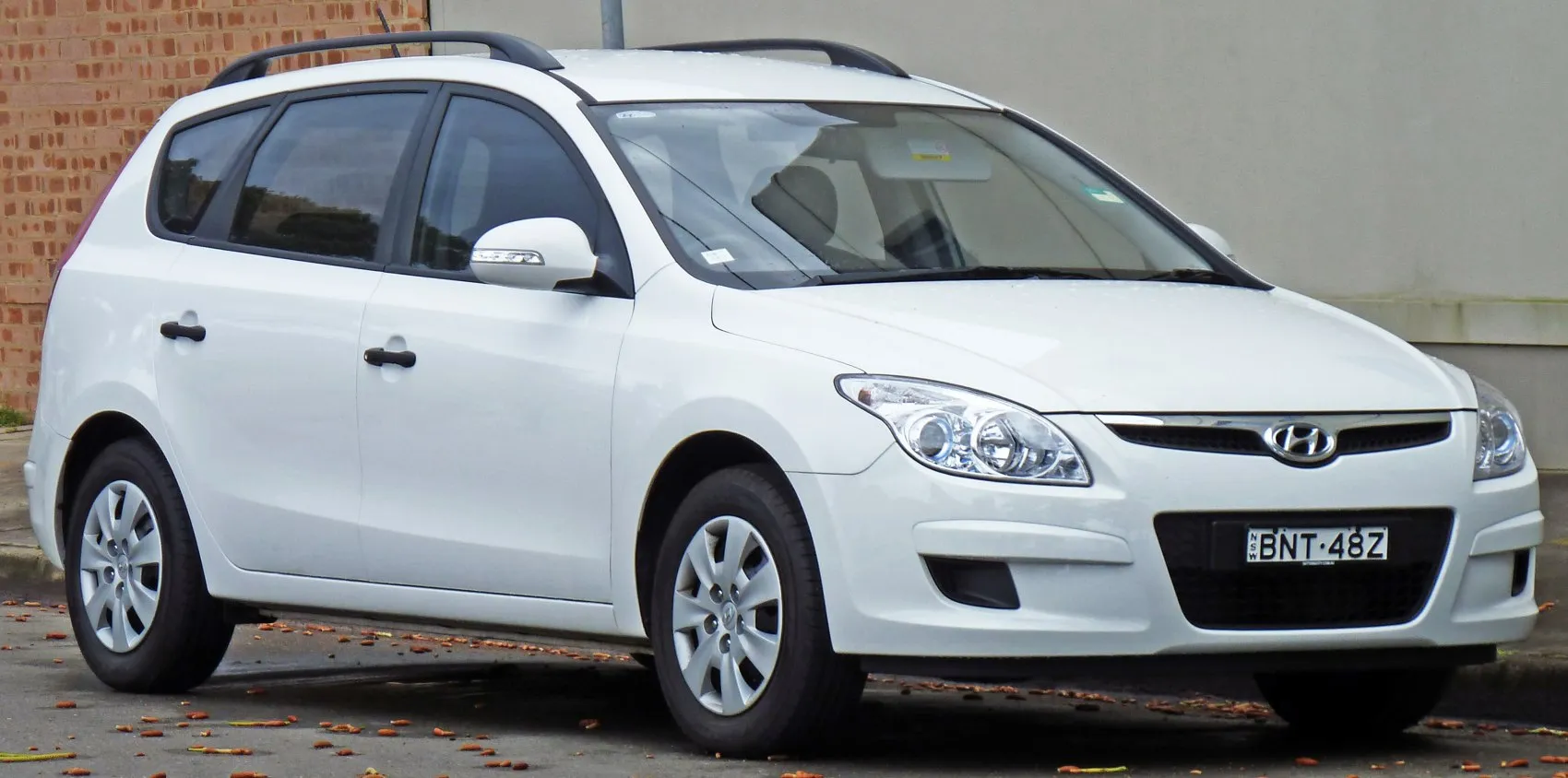
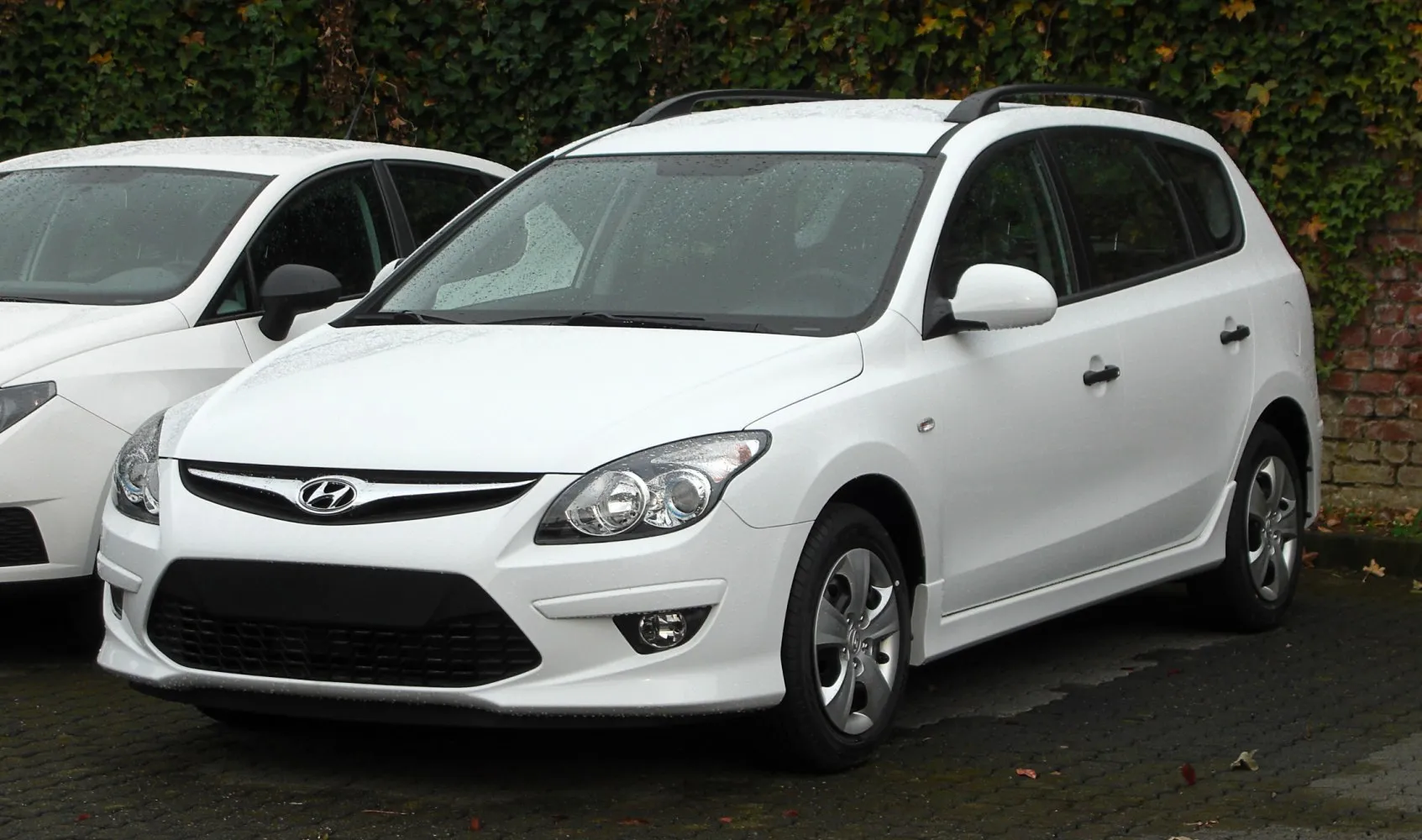
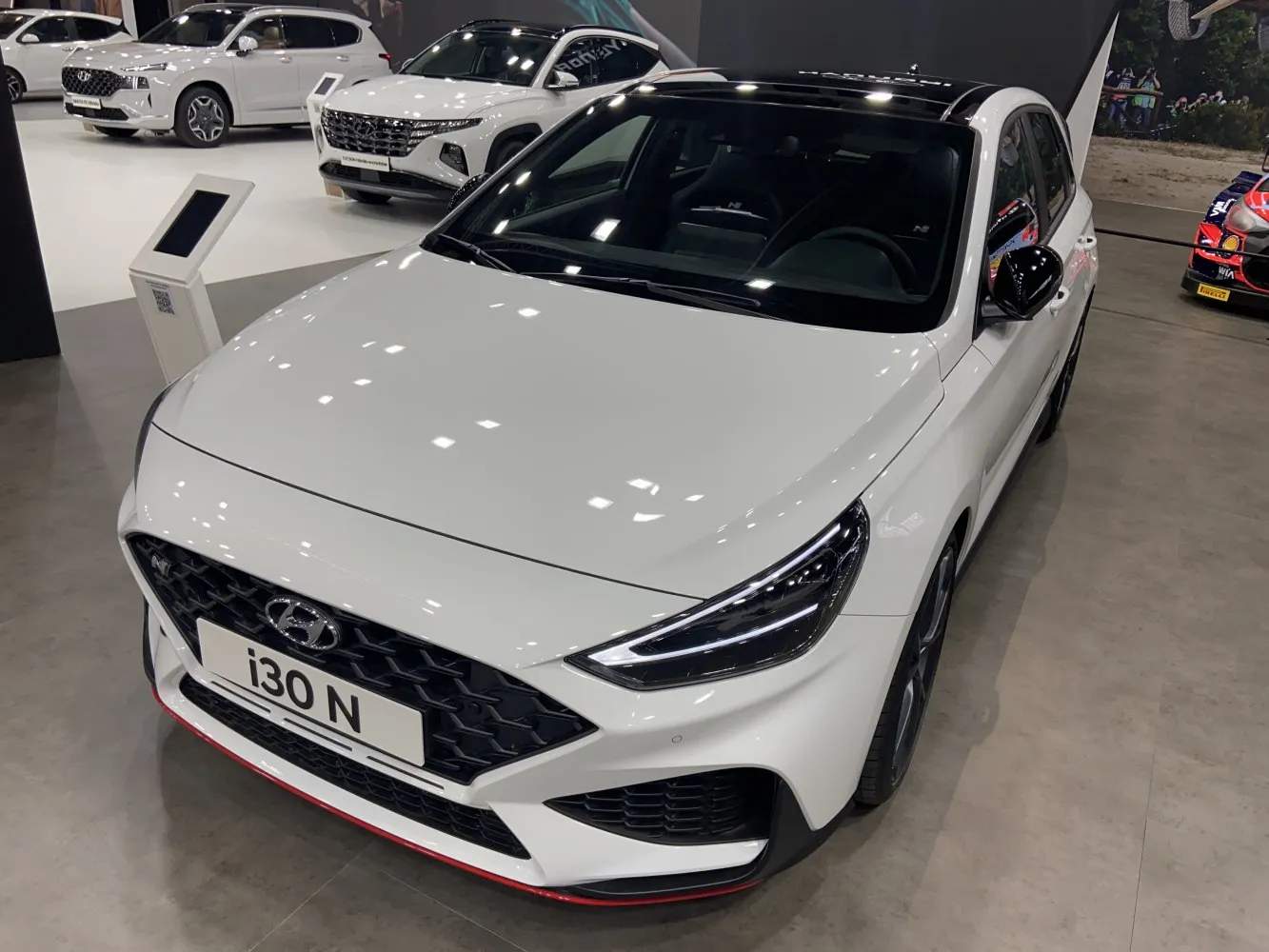
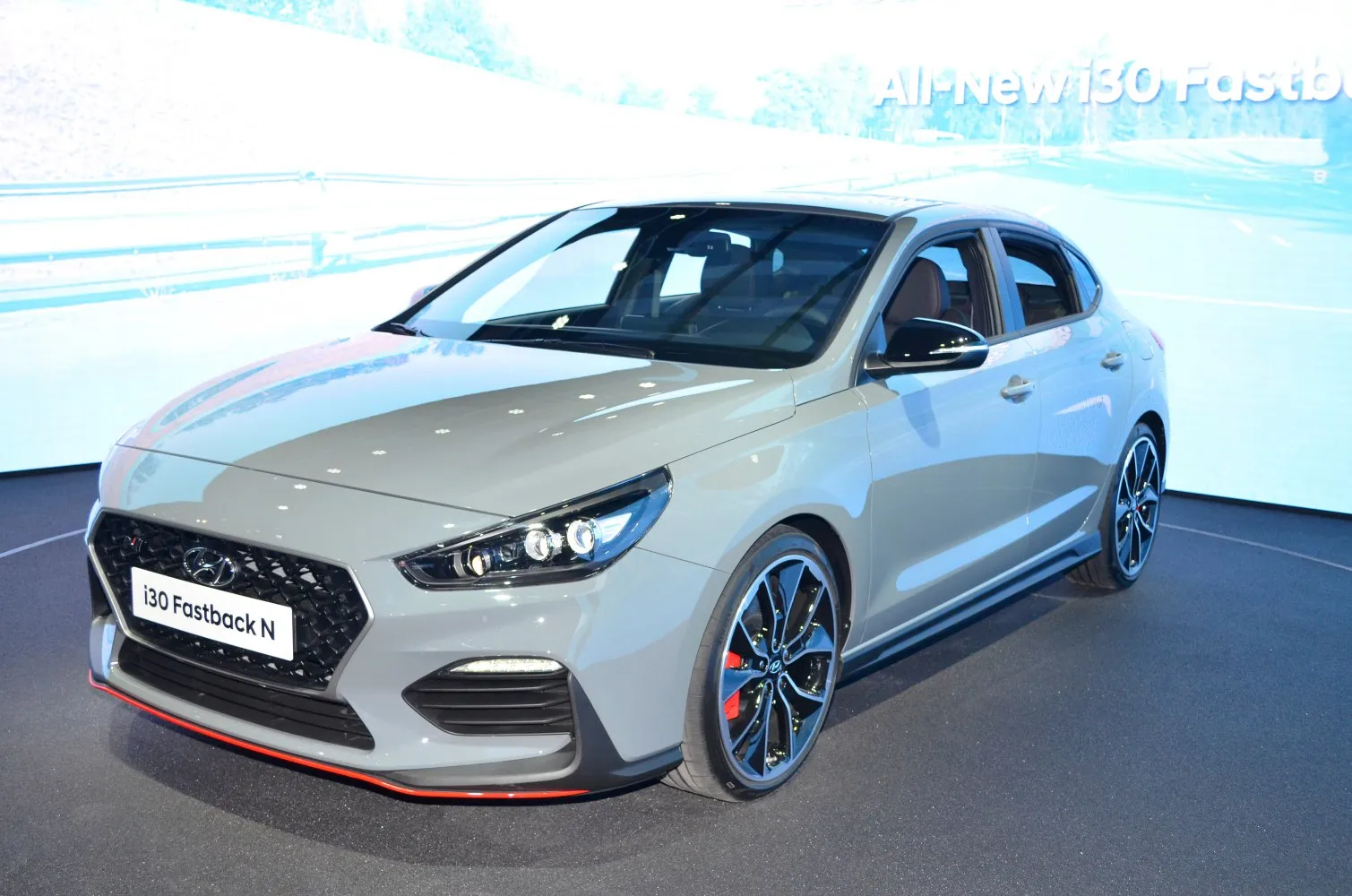
Hyundai i30 III CW (facelift 2020) 1.5 T-GDi (160 Hp) Mild Hybrid
Overall Rating
Hyundai i30:
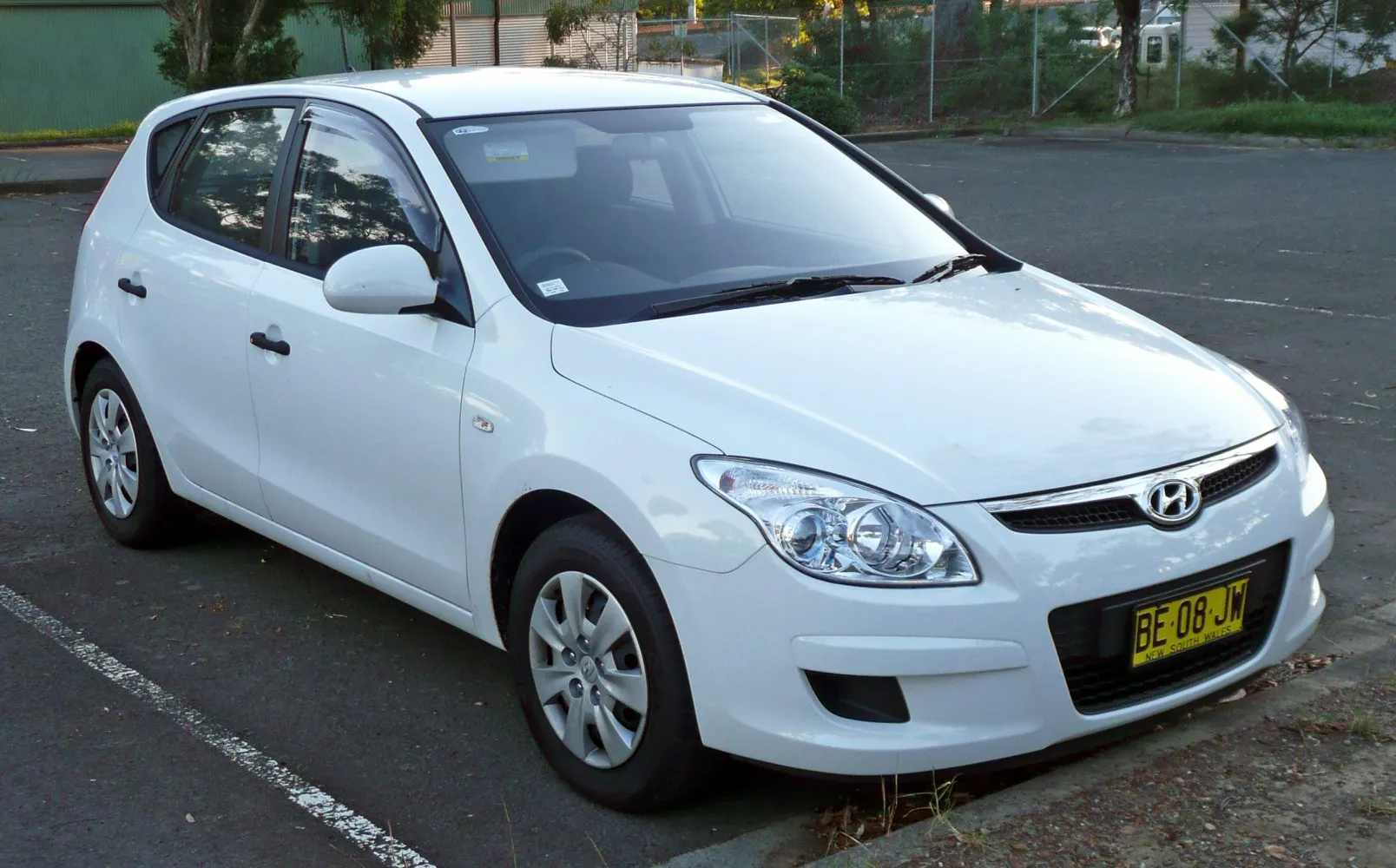
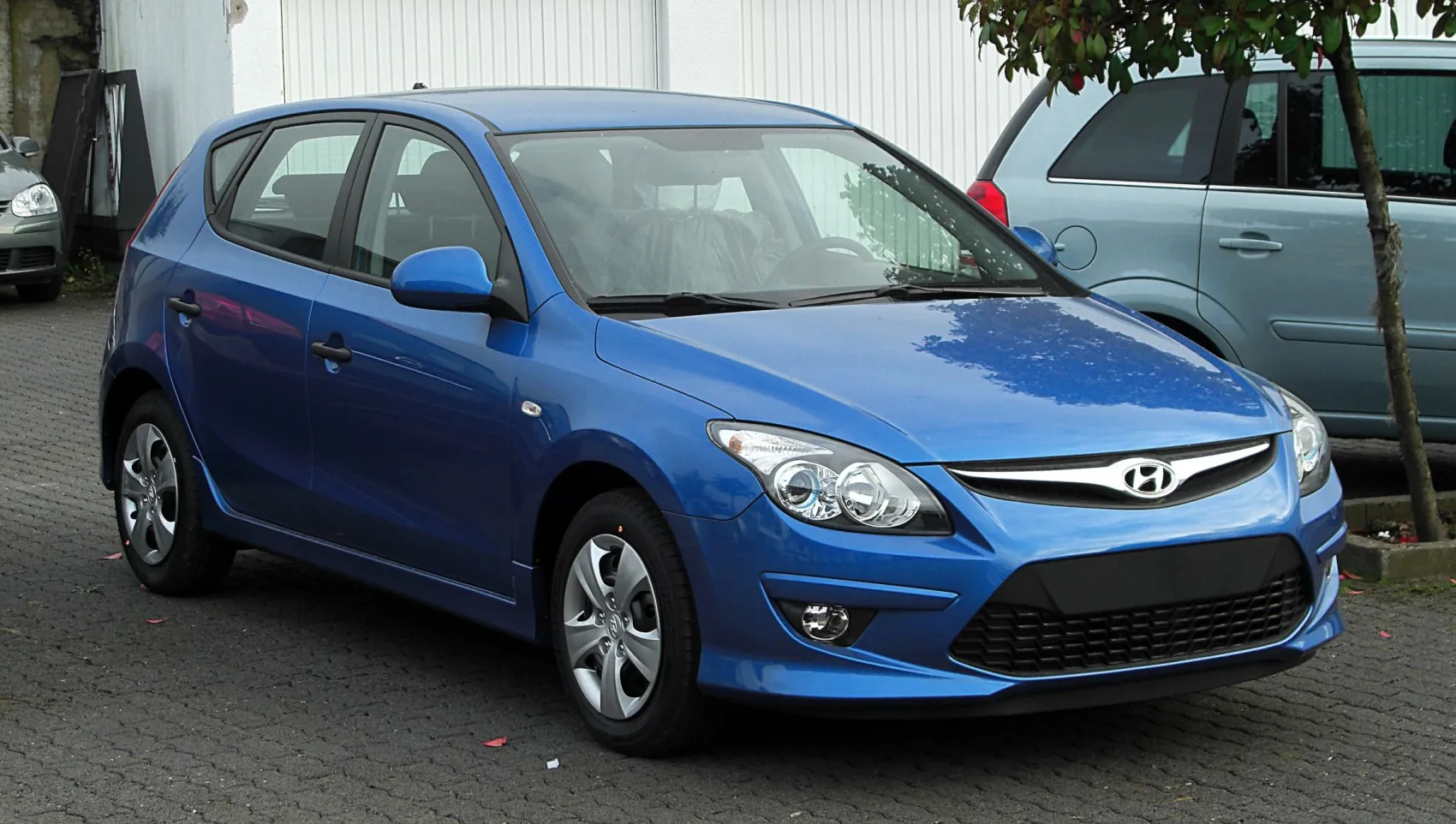
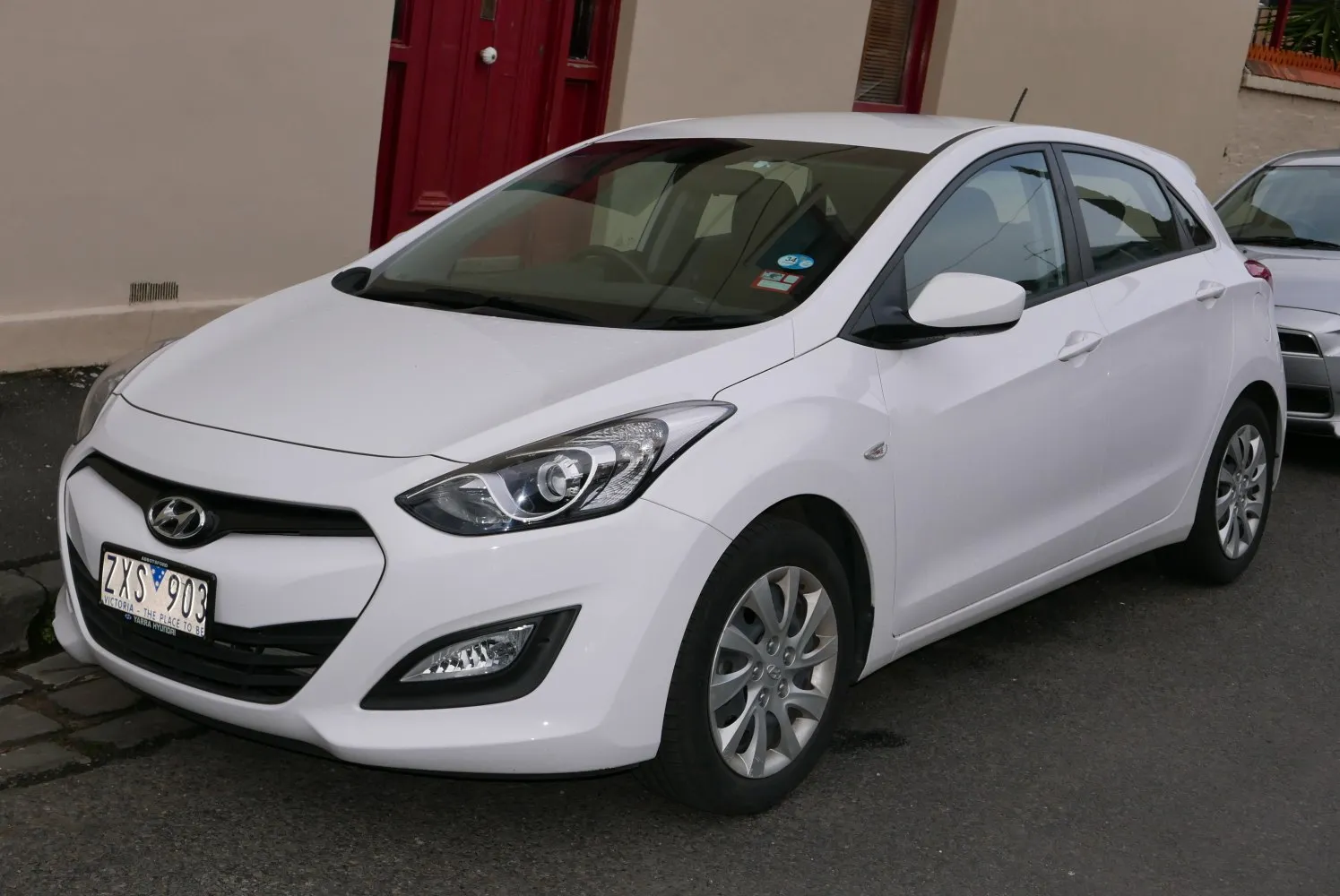
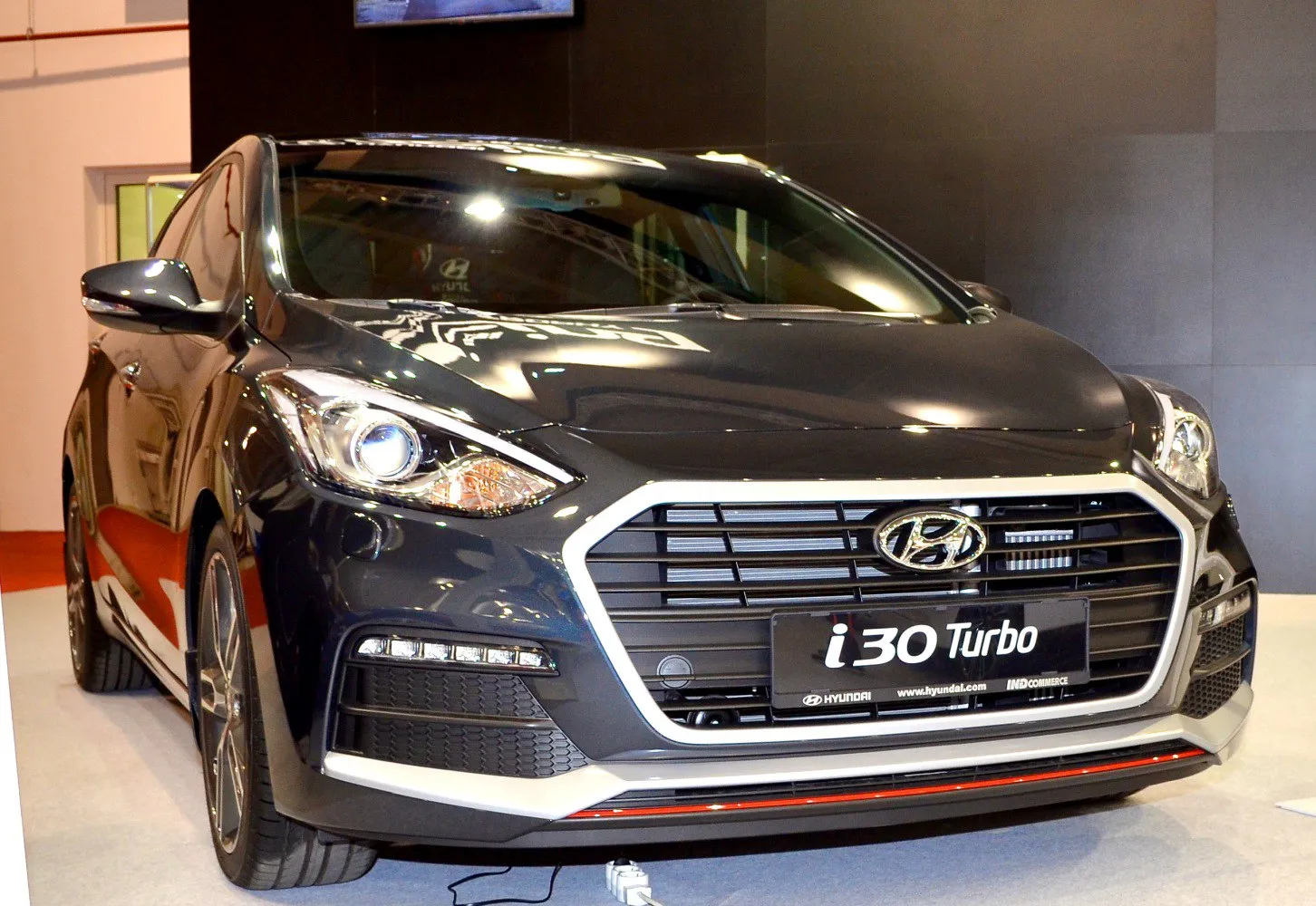
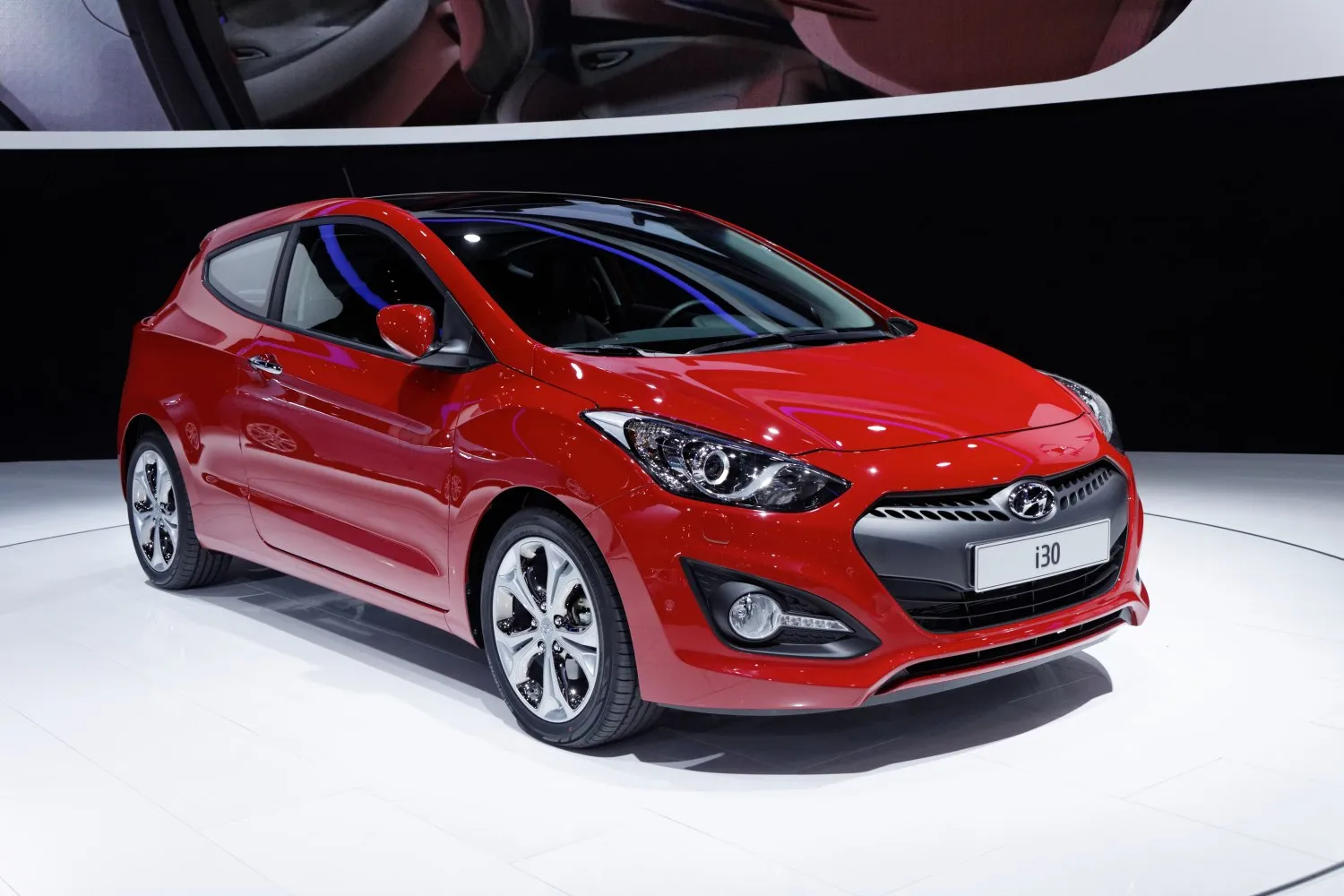
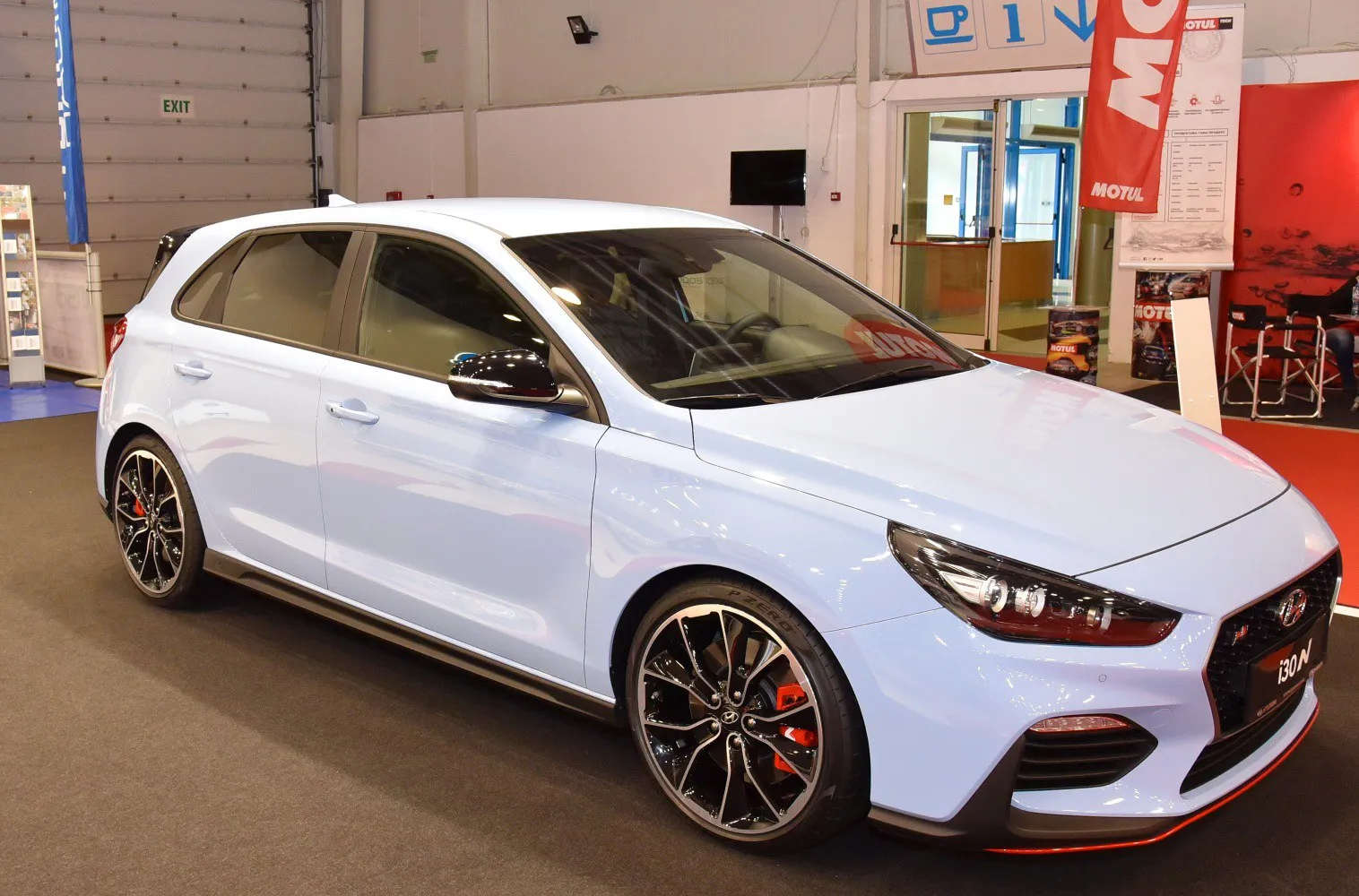
The Hyundai i30 is a small family car manufactured by the South Korean manufacturer Hyundai Motor Company since 2006. The i30 shares its platform with the Kia Ceed, available as a three-door hatchback , five-door hatchback, five-door estate and five-door liftback , with a choice of three petrol engines and two diesel engines, either with manual or automatic transmission.
The i30 was marketed alongside the fifth-generation Hyundai Elantra in the United States and Canada until the end of 2020. While initially the i30 wagon was sold as the Elantra Touring, in 2012 it was replaced by the i30 hatchback, carrying Elantra GT badging. The second-generation i30 was introduced in September 2011 at the Frankfurt Motor Show....(Read more on Wikipedia)
III CW (facelift 2020) Overview:
Hyundai i30 (III CW (facelift 2020)). With 253 Nm of torque, it offers ample pulling power. Weighing only 1277 kg, it’s quite light. Front‑wheel drive delivers efficiency and easy handling. Acceleration is good (0–100 km/h in 8.4 s). The top speed reaches 210 km/h. A car with an extended rear cargo area, combining passenger comfort with increased storage. Seating for 5 makes it ideal for daily use.
1.5 T-GDi (160 Hp) Mild Hybrid Verdict:

Performance Verdict
A lively and responsive petrol engine, delivering strong acceleration and ample power for an engaging driving experience, complemented by the MHEV boost.
Fuel Economy
Good fuel economy for its power output, with the mild-hybrid system contributing to better efficiency, especially in urban stop-start conditions.
Pros and Cons:
Pros:
- • Wide range of efficient and capable engines, including mild-hybrid options.
- • Spacious and practical station wagon body style with large boot capacity.
- • Comfortable ride quality, well-suited for long journeys.
- • High level of standard equipment and safety features.
- • Good value for money in its segment.
Cons:
- • Some lower-powered engines can feel underpowered on highways.
- • Interior design, while functional, might lack the premium feel of some rivals.
- • DCT gearbox can be hesitant at very low speeds in some instances.
- • Rear visibility can be slightly restricted due to the C-pillar design.
Specifications:
Specifications are compared to those of the previous generation(III (facelift 2024): June, 2024 - ).
| General: | |
|---|---|
| Brand: | Hyundai |
| Model: | i30 |
| Generation: | III CW (facelift 2020) |
| Modification (Engine): | 1.5 T-GDi (160 Hp) Mild Hybrid |
| Start of production: | May, 2020 |
| End of production: | June, 2024 |
| Powertrain Architecture: | MHEV (Mild Hybrid Electric Vehicle, power-assist hybrid, battery-assisted hybrid vehicles, BAHV) |
| Body type: | Station wagon (estate) |
| Seats: | 5 |
| Doors: | 5 |
| Engine: | |
|---|---|
| Power: | 160 Hp @ 5500 rpm. Same horsepower |
| Power per litre: | 108 Hp/l [245mm more] |
| Torque: | 253 Nm @ 1500-3500 rpm. |
| Engine Model/Code: | G4LH More details about the engine G4LH |
| Engine displacement: | 1482 |
| Number of cylinders: | 4 |
| Engine configuration: | Inline |
| Number of valves per cylinder: | 4 |
| Fuel injection system: | Direct injection |
| Engine aspiration: | Turbocharger, Intercooler |
| Engine oil capacity: | 4.2 l |
| Coolant: | 6.6 l |
| Engine layout: | Front, Transverse |
| Performance: | |
|---|---|
| Fuel Type: | Petrol (Gasoline) |
| Emission standard: | EURO 6d |
| Acceleration 0 - 100 km/h: | 8.4 sec |
| Acceleration 0 - 62 mph: | 8.4 sec |
| Maximum speed: | 210 km/h |
| Weight-to-power ratio: | 8 kg/Hp, 125.3 Hp/tonne |
| Weight-to-torque ratio: | 5 kg/Nm, 198.1 Nm/tonne |
| Acceleration 0 - 60 mph: | 8 sec |
| Space: | |
|---|---|
| Kerb Weight: | 1277 |
| Max. weight: | 1860 |
| Max. roof load: | 80 kg |
| Max load: | 583 |
| Trunk (boot) space - maximum: | 1650 l |
| Trunk (boot) space - minimum: | 602 l |
| Permitted trailer load with brakes (12%): | 1200 kg |
| Permitted trailer load without brakes: | 600 kg |
| Size: | |
|---|---|
| Length: | 4585 mm mm [245mm more] |
| Width: | 1795 mm mm [Same width.] |
| Height: | 1465-1475 mm mm [10mm more] |
| Wheelbase: | 2650 mm mm [Same wheelbase.] |
| Powertrain: | |
|---|---|
| Drivetrain Architecture | The Internal combustion engine (ICE) and electric motor drive the front wheels of the car with the ability to work only in mixed mode. |
| Drive wheel | Front wheel drive |
| Number of gears | 6 |
| Transmission type | Manual |
| Assisting systems | ABS (Anti-lock braking system) |
| Steering type | Steering rack and pinion |
| Front suspension | Independent, type McPherson with coil spring and anti-roll bar |
| Rear suspension | Independent multi-link suspension |













Your first impression of the Hyundai i30 in one word? Go!