
Click on image to view the full photo gallery
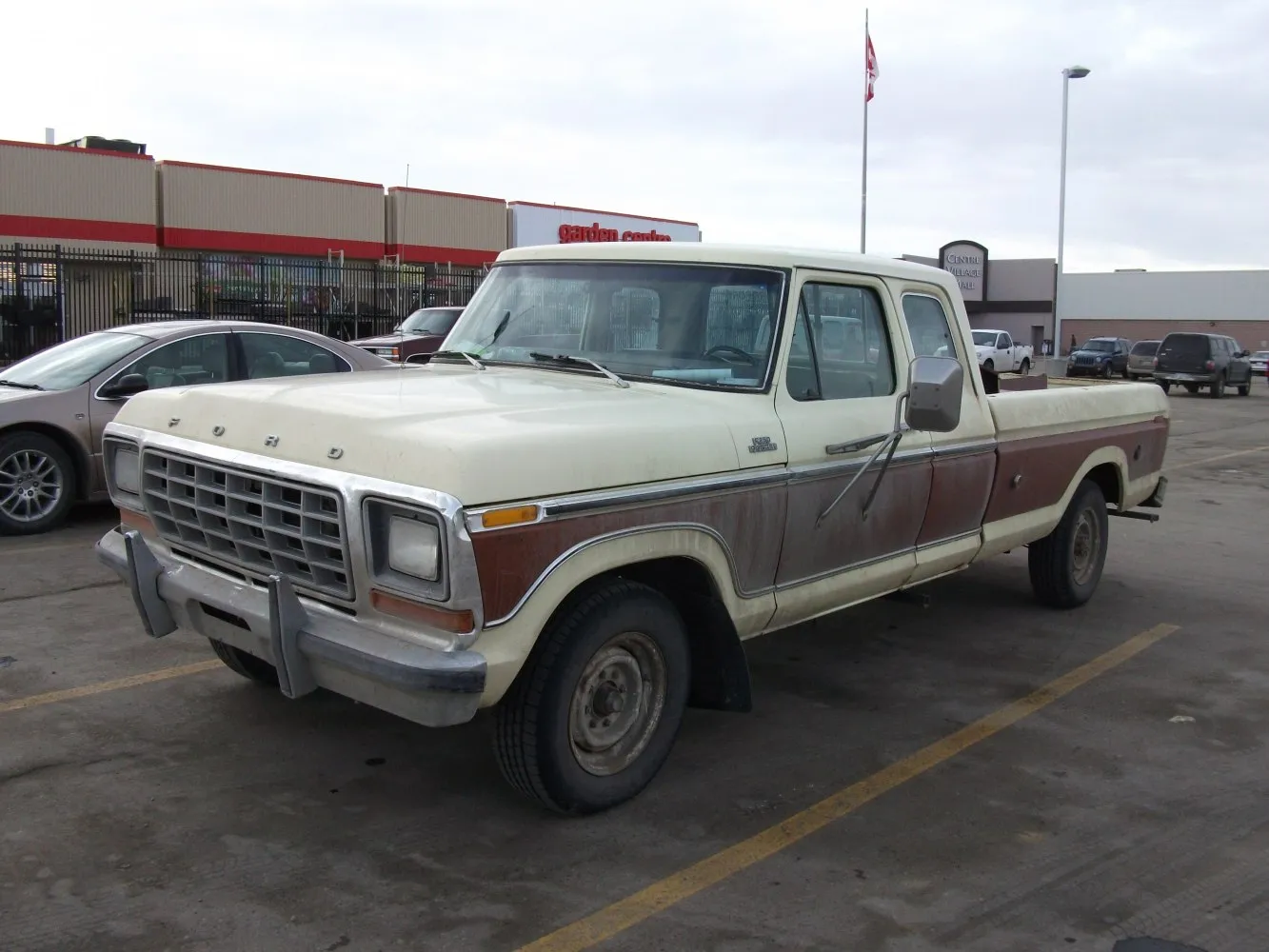
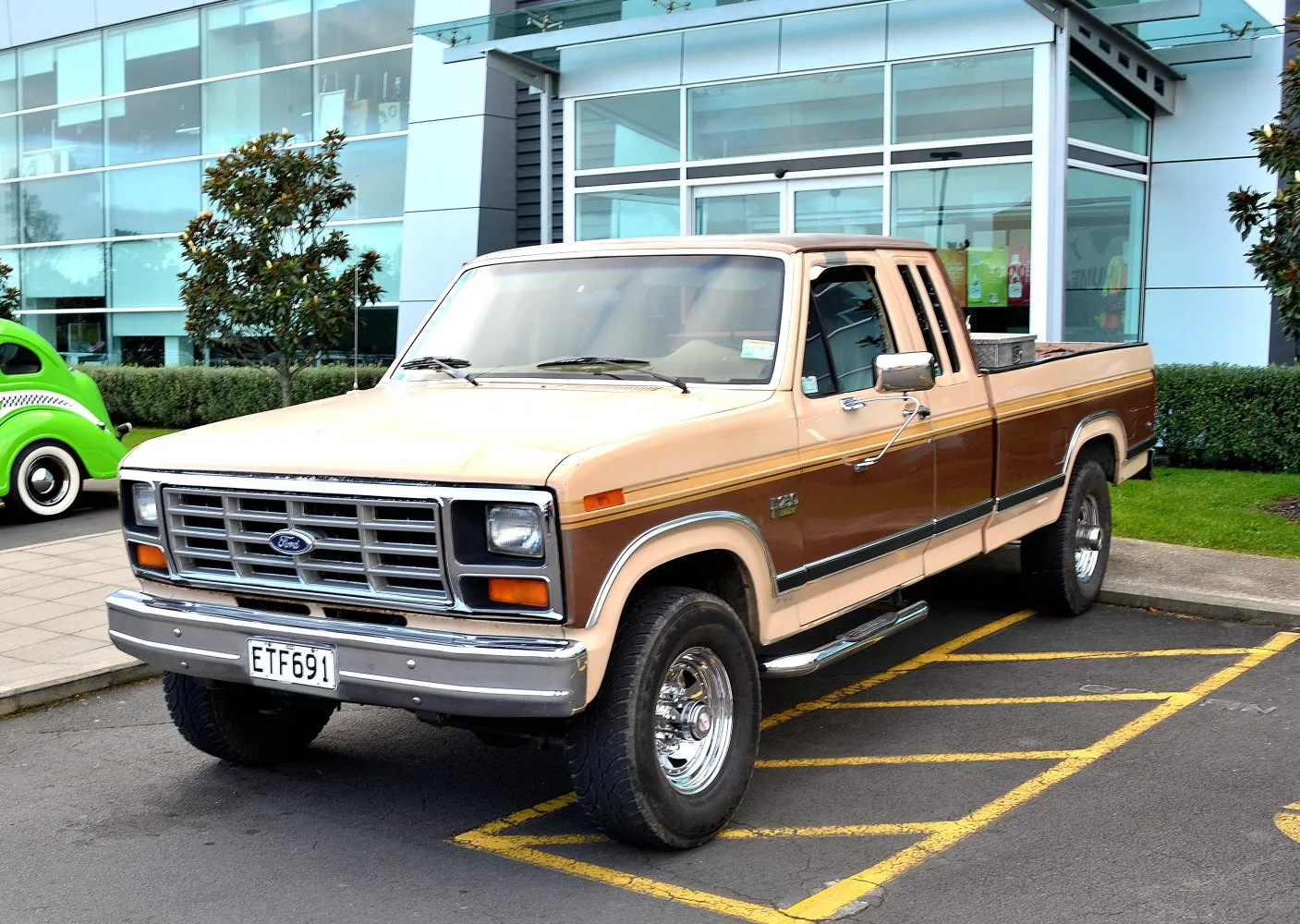
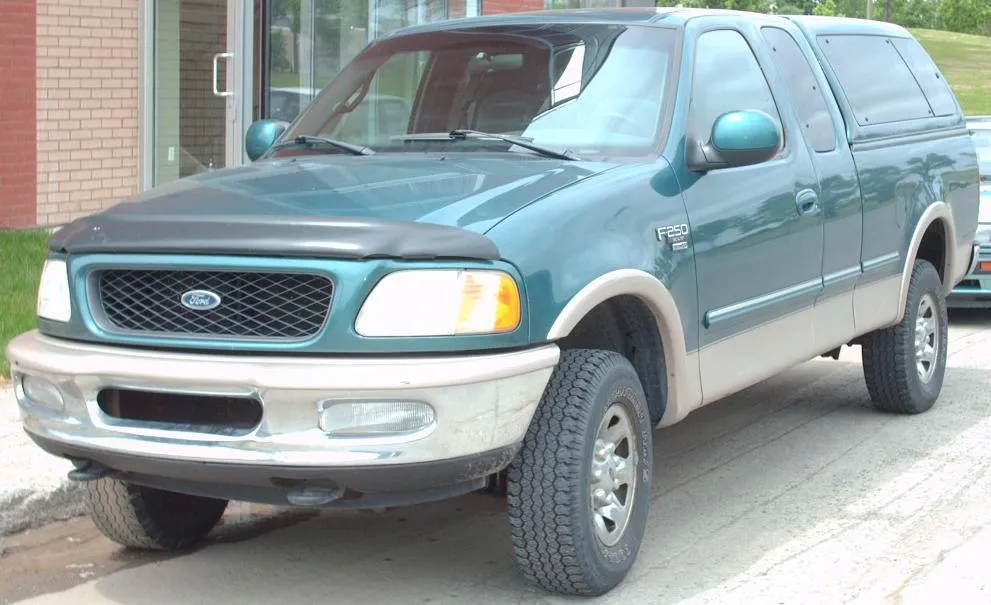
Ford F-Series F-250 VII Regular Cab HD 5.8 V8 (150 Hp) Automatic
Overall Rating
Ford F-Series F-250:
The Ford F-Series is a series of light-duty trucks marketed and manufactured by the Ford Motor Company since model year 1948 as a range of full-size pickup trucks — positioned between Ford's Ranger and Super Duty pickup trucks. Alongside the F-150 , the F-Series also includes the Super Duty series , which includes the heavier-duty F-250 through F-450 pickups, F-450/F-550 chassis cabs, and F-600/F-650/F-750 Class 6–8 commercial trucks.
The most popular version of the model line is the F-150 pickup truck, currently in its fourteenth generation. From 1953 to 1983, the entry-level F-Series pickup was the. mw-parser-output. frac. mw-parser-output. frac. num,. mw-parser-output. frac. den. mw-parser-output. frac. den. mw-parser-output. sr-only1⁄2 ton F-100. Starting in 1984, the F-150 became the entry-level. The F-150 has a long-running high-performance off-road trim level introduced for 2010, the Raptor currently consisting of three generations. Production of the F-150 SVT Raptor ended in 2014 and was succeeded in 2017 by a new F-150 Raptor, which is based on the thirteenth and fourteenth generation F-150....(Read more on Wikipedia)
VII Regular Cab HD Overview:
Ford F-Series F-250 (VII Regular Cab HD). With 380 Nm of torque, it offers ample pulling power. Rear‑wheel drive offers dynamic handling and sporty feedback. A vehicle with an open cargo bed at the back, suitable for transporting goods. Seating for 2 makes it ideal for daily use.
5.8 V8 (150 Hp) Automatic Verdict:

Performance Verdict
Smooth and capable V8 performance for general use and medium hauling, with the ease of an automatic transmission.
Fuel Economy
Poor fuel economy, typical for a V8 truck of this era with an automatic gearbox.
Pros and Cons:
Pros:
- • Exceptional durability and robust build quality.
- • Wide range of powerful engine options, including a strong diesel.
- • High towing and hauling capabilities.
- • Simple, easy-to-maintain mechanicals.
- • Classic, utilitarian design.
Cons:
- • Very poor fuel economy, especially with larger V8s.
- • Basic interior and limited comfort features.
- • Lack of modern safety features (common for the era).
- • Ride quality can be harsh when unloaded.
- • Large turning radius.
Specifications:
Specifications are compared to those of the previous generation(VII Regular Cab HD: 1982 - 1986).
| General: | |
|---|---|
| Brand: | Ford |
| Model: | F-Series F-250 |
| Generation: | VII Regular Cab HD |
| Modification (Engine): | 5.8 V8 (150 Hp) Automatic |
| Start of production: | 1983 |
| End of production: | 1985 |
| Powertrain Architecture: | Internal Combustion engine |
| Body type: | Pick-up |
| Seats: | 2-3 |
| Doors: | 2 |
| Engine: | |
|---|---|
| Power: | 150 Hp |
| Power per litre: | 26.1 Hp/l |
| Torque: | 380 Nm |
| Engine displacement: | 5752 |
| Number of cylinders: | 8 |
| Engine configuration: | V-engine |
| Fuel injection system: | Multi-port manifold injection |
| Engine aspiration: | Naturally aspirated engine |
| Engine layout: | Front, Longitudinal |
| Performance: | |
|---|---|
| Fuel Type: | Petrol (Gasoline) |
| Space: | |
|---|---|
| Max. weight: | 3901 |
| Fuel tank capacity: | 72-144 l |
| Size: | |
|---|---|
| Wading depth: | 803 mm |
| Length: | 5291 mm mm [Same length.] |
| Width: | 1778 mm mm [Same width.] |
| Height: | 1864 mm mm [Same height.] |
| Wheelbase: | 3378 mm mm [Same wheelbase.] |
| Powertrain: | |
|---|---|
| Drivetrain Architecture | The Internal combustion engine (ICE) drives the rear wheels of the vehicle. |
| Drive wheel | Rear wheel drive |
| Transmission type | Automatic |
| Gearbox type | SelectShift |
| Front brakes | Disc [bad for performance and cooling.] |
| Rear brakes | Drum [bad for performance and cooling.] |
| Power steering | Electric Steering |
| Tires size | 235/85 R16 |
| Wheel rims size | 6J x 16 |
| Front suspension | Independent coil spring |














If you could change one thing about the Ford F-Series F-250, what would it be?