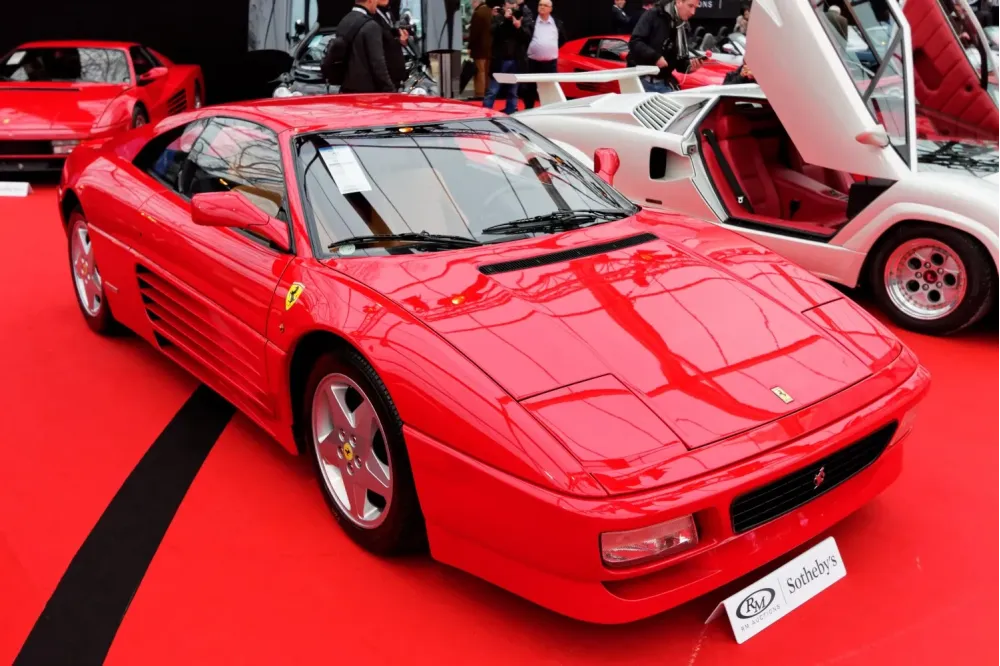
Click on image to view the full photo gallery
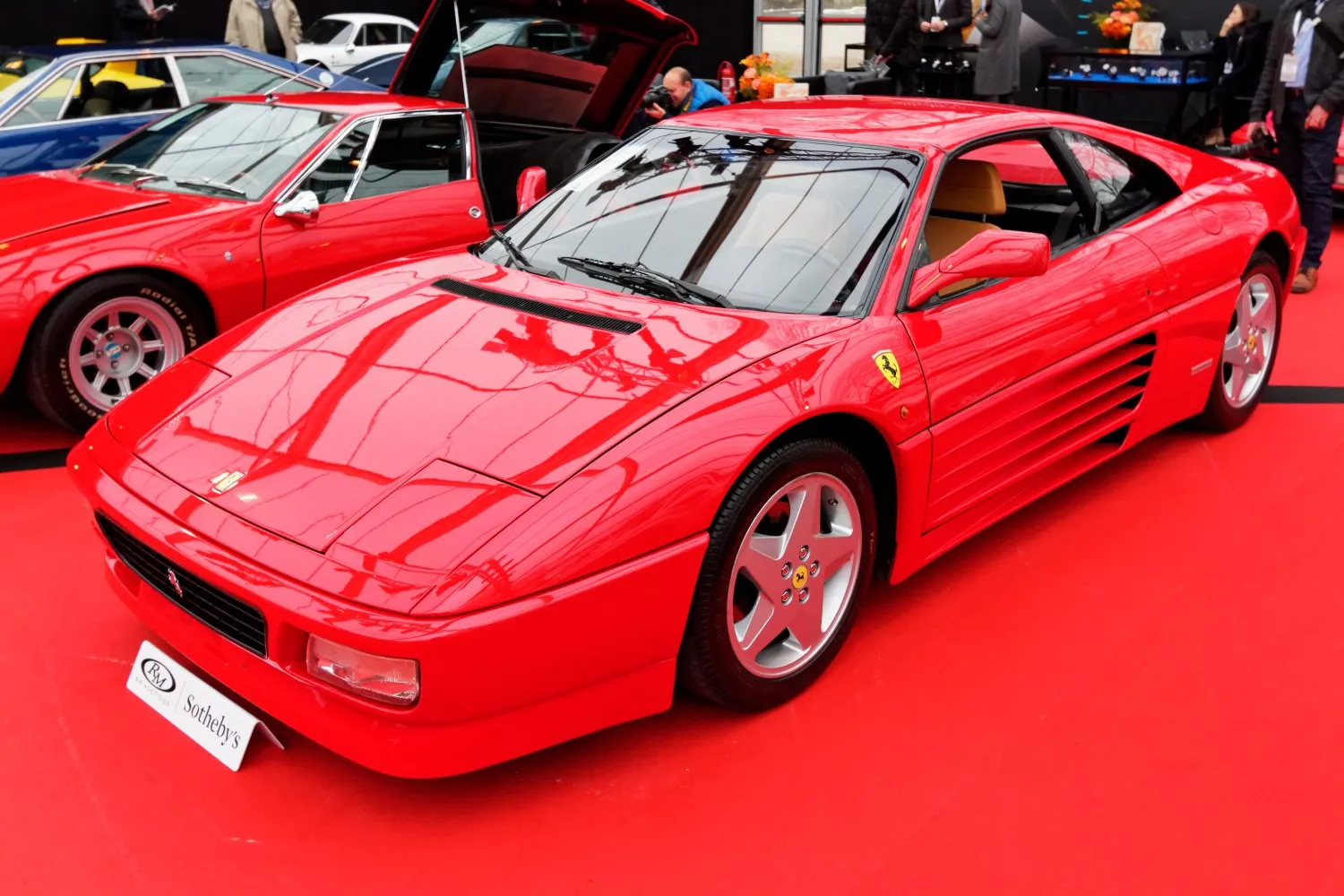
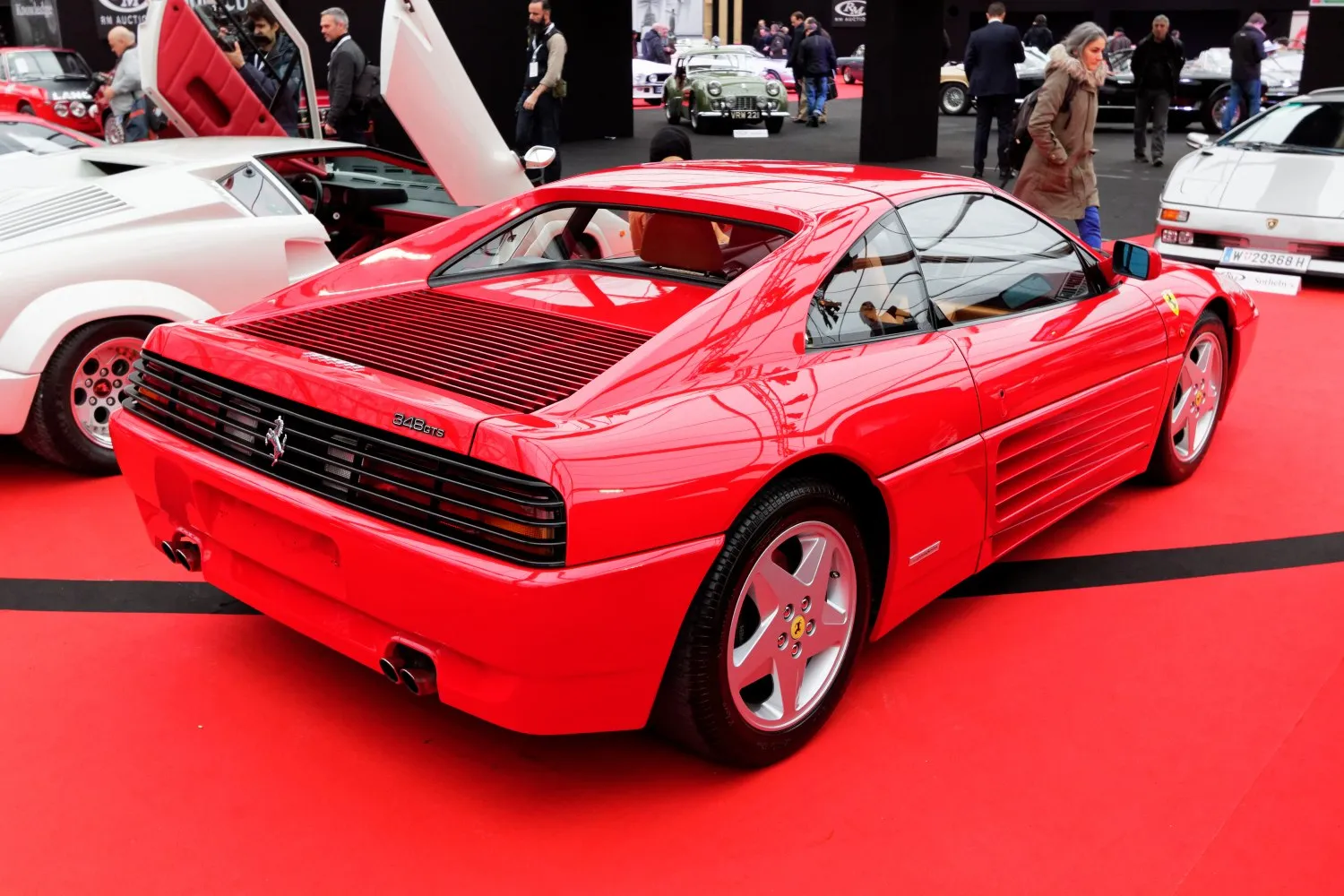
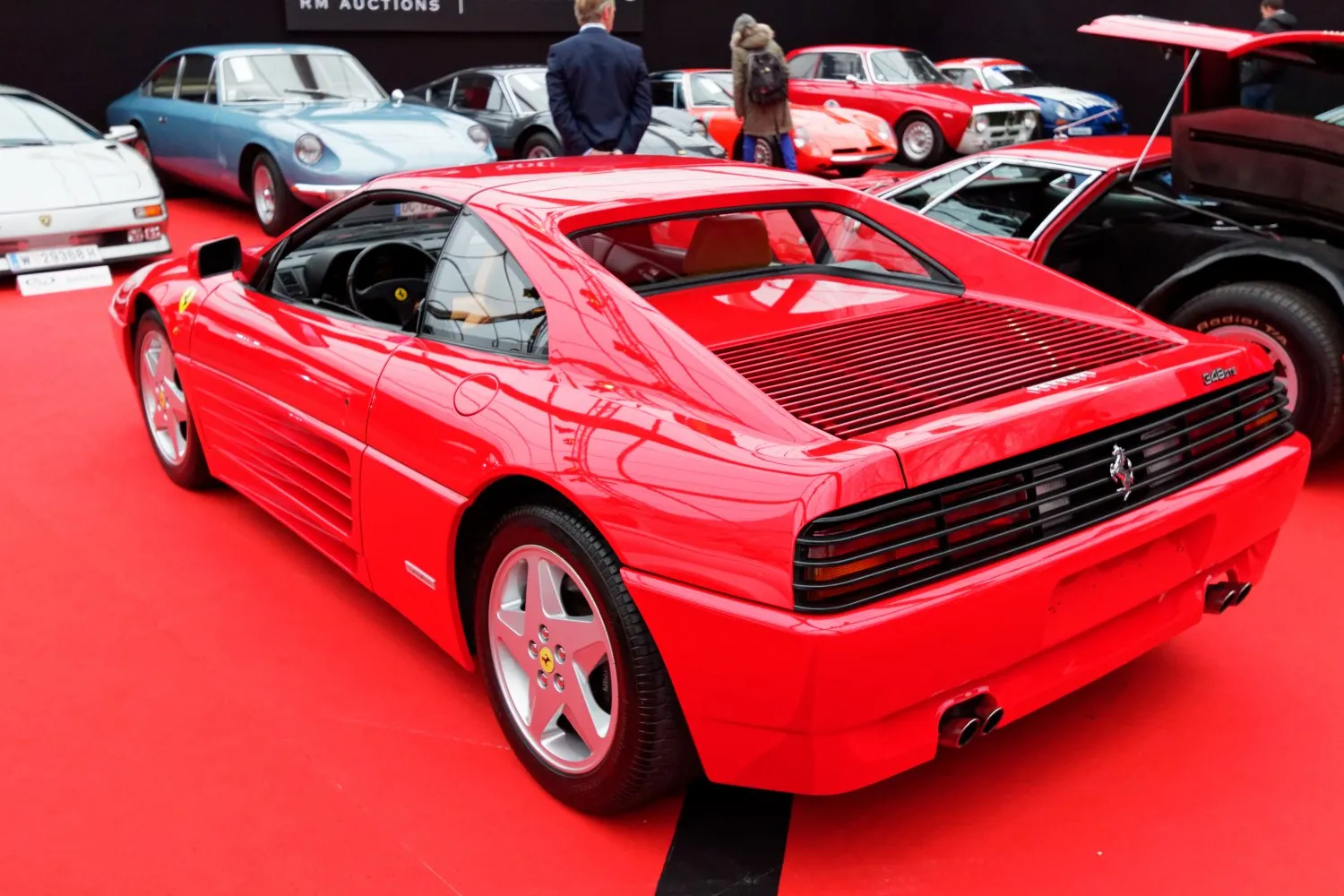
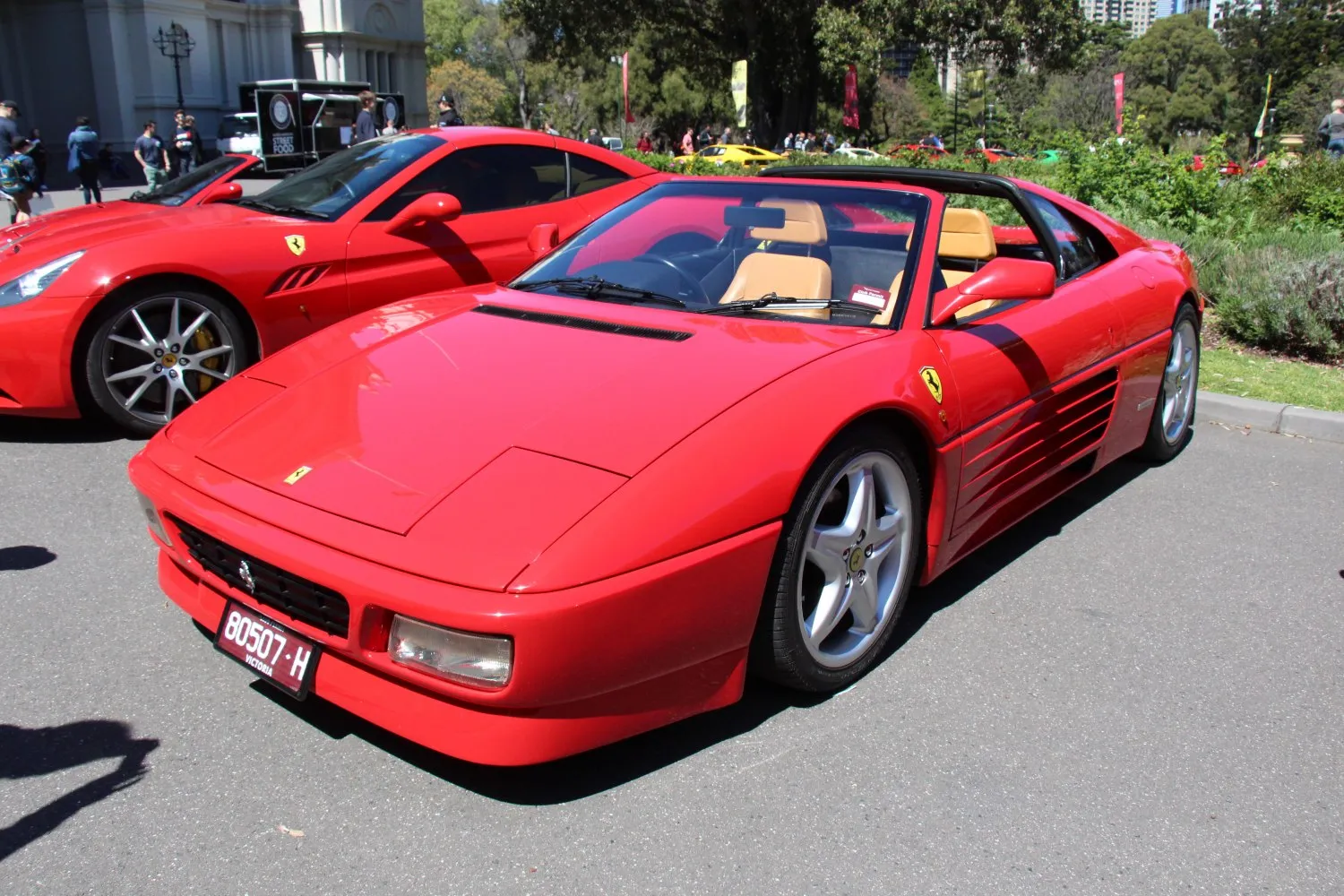
Ferrari 348 GTS 3.4 V8 (320 Hp)
Overall Rating
Ferrari 348:
The Ferrari 348 is a mid-engined, V8-powered, two-seat sports car produced by Italian automaker Ferrari, replacing the 328 in 1989 and remaining in production until 1995, when it was replaced by the F355. It was the final V8 model developed under the direction of Enzo Ferrari before his death, commissioned to production posthumously.
The 348, badged 348 tb for the coupé and 348 ts for the targa , featured a naturally aspirated 3. 4-litre version of the quad-cam, four-valve-per-cylinder V8 engine. As with its predecessors, the model number was derived from this configuration, with the first two digits being the displacement of the engine and the third being the number of cylinders. The engine, which had a power output of 300 PS , was mounted longitudinally and coupled to a transverse manual gearbox. This marked the first street Ferrari application of the transverse gearbox design, originally developed for the Ferrari 312T F1 car. The "t" in the model tb and ts designations refers to the transverse position of the gearbox, which Ferrari sought to highlight for the model range, celebrating this technical lineage. This was the also the first time Ferrari featured a mid-engined, longitudinal V8 in one of its standard road cars, after the 288 GTO. Overall, 2,894 examples of the 348 TB and 4,228 of the 348 TS were produced....(Read more on Wikipedia)
GTS Overview:
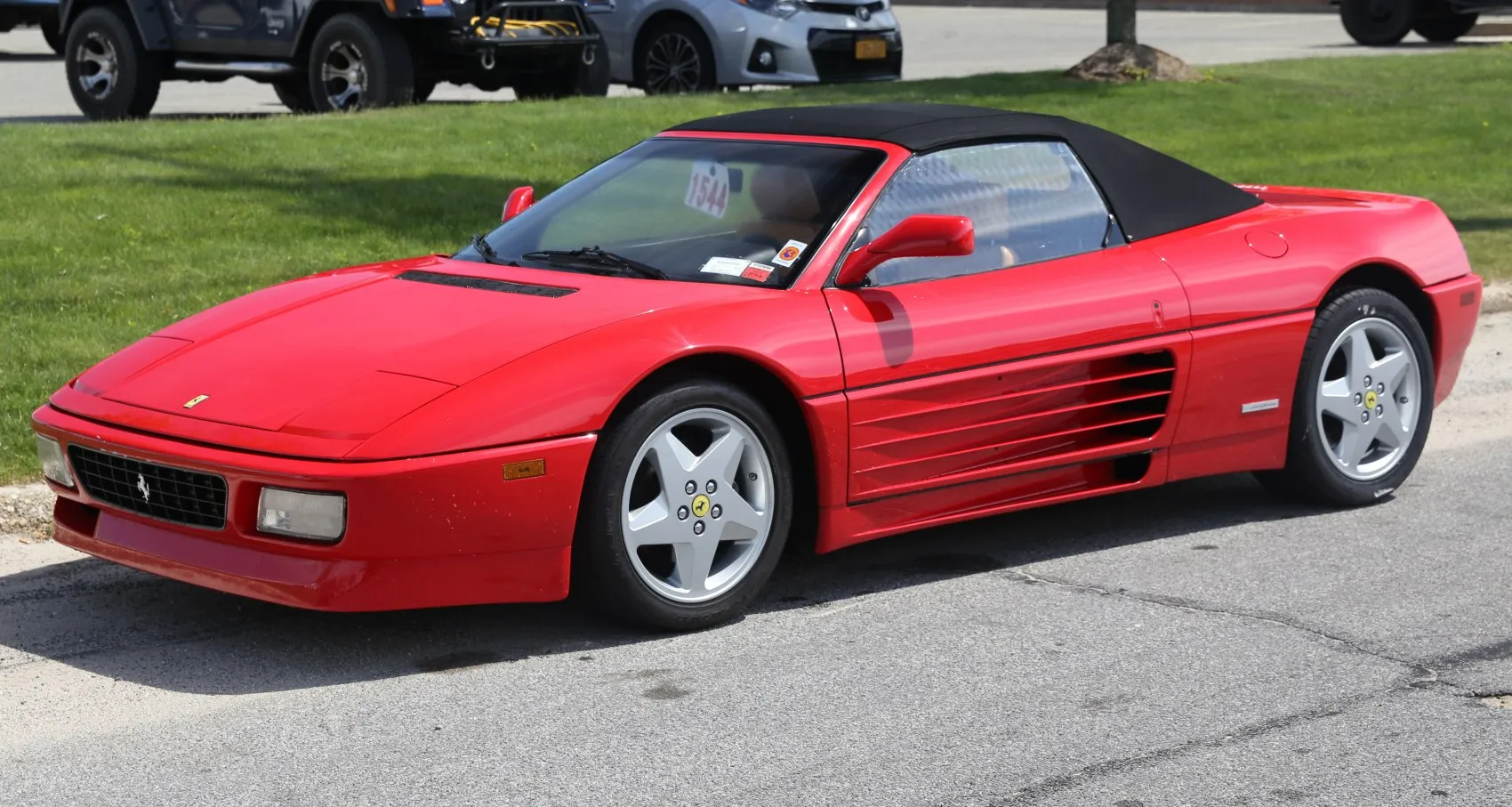
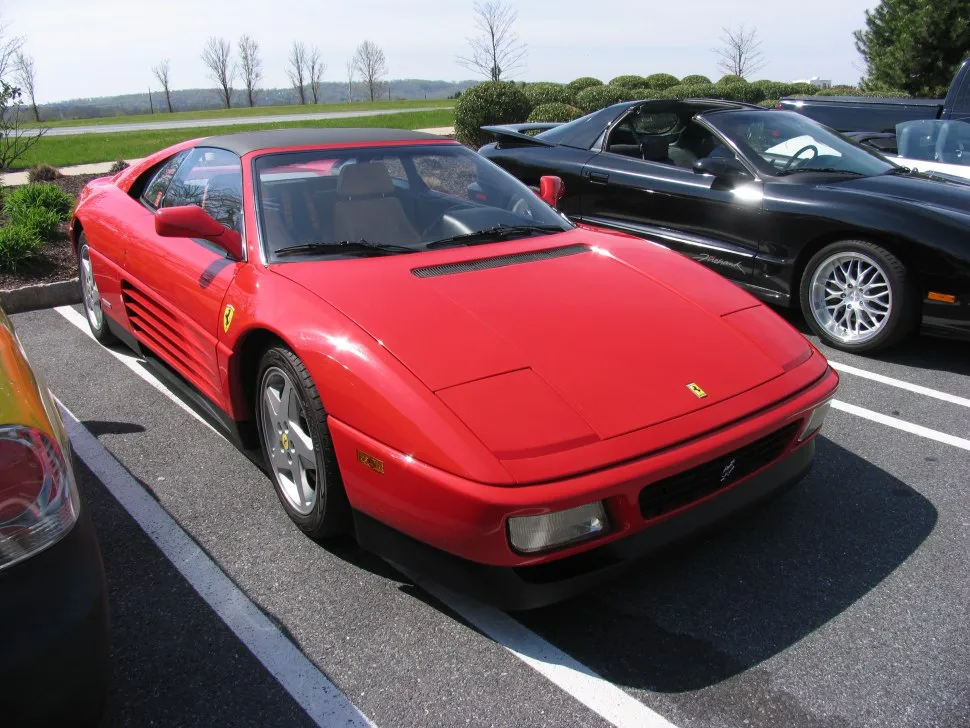
Ferrari 348 (GTS). With 324 Nm of torque, it offers ample pulling power. With a weight of 1370 kg, it falls in the mid‑range. Rear‑wheel drive offers dynamic handling and sporty feedback. Acceleration is excellent (0–100 km/h in 5.4 s). The top speed reaches 280 km/h. A semi-convertible with a removable roof section and a full-width roll bar behind the seats. Seating for 2 makes it ideal for daily use.
As a vehicle from the early 1990s, the Ferrari 348 GTS predates modern Euro NCAP testing protocols. It lacks advanced safety features common in contemporary vehicles, relying primarily on its robust chassis and driver skill.
3.4 V8 (320 Hp) Verdict:

Performance Verdict
The F119 V8 engine delivers exhilarating performance with a high-revving character, offering strong acceleration and a captivating exhaust note. Its 320 Hp provides a thrilling driving experience, typical of a classic Ferrari.
Fuel Economy
Fuel economy is not a strong suit, with a combined consumption of 12.7 l/100 km and urban figures of 20 l/100 km. This reflects its high-performance nature and older engine technology.
Pros and Cons:
Pros:
- • Iconic Ferrari styling and heritage
- • Exhilarating V8 engine sound and performance
- • Engaging manual transmission driving experience
- • Targa top offers open-air motoring
- • Potential for classic car appreciation
Cons:
- • High maintenance and running costs
- • Challenging handling at the limit for inexperienced drivers
- • Poor fuel economy
- • Lack of modern safety features and driver aids
- • Limited practicality and interior space
Specifications:
Specifications are compared to those of the previous generation(TB: 1989 - 1993).
| General: | |
|---|---|
| Brand: | Ferrari |
| Model: | 348 |
| Generation: | GTS |
| Modification (Engine): | 3.4 V8 (320 Hp) |
| Start of production: | 1993 |
| End of production: | 1995 |
| Powertrain Architecture: | Internal Combustion engine |
| Body type: | Targa |
| Seats: | 2 |
| Doors: | 2 |
| Engine: | |
|---|---|
| Power: | 320 Hp @ 7200 rpm. |
| Power per litre: | 94 Hp/l |
| Torque: | 324 Nm @ 5000 rpm. |
| Engine Model/Code: | F119 [Same engine] More details about the engine F119 |
| Engine displacement: | 3405 |
| Number of cylinders: | 8 |
| Engine configuration: | V-engine |
| Number of valves per cylinder: | 4 |
| Fuel injection system: | Multi-port manifold injection |
| Engine aspiration: | Naturally aspirated engine |
| Valvetrain: | DOHC |
| Engine oil capacity: | 11 l |
| Coolant: | 20 l |
| Engine layout: | Middle, Longitudinal |
| Cylinder Bore: | 85 mm mm |
| Piston Stroke: | 75 mm mm |
| Compression ratio: | 10.8:1 |
| Performance: | |
|---|---|
| Fuel Type: | Petrol (Gasoline) |
| Fuel consumption (economy) - urban: | 20 l/100 km |
| Fuel consumption (economy) - extra urban: | 9.6 l/100 km |
| Fuel consumption (economy) - combined: | 12.7 l/100 km |
| Acceleration 0 - 100 km/h: | 5.4 sec |
| Acceleration 0 - 62 mph: | 5.4 sec |
| Maximum speed: | 280 km/h |
| Weight-to-power ratio: | 4.3 kg/Hp, 233.6 Hp/tonne |
| Weight-to-torque ratio: | 4.2 kg/Nm, 236.5 Nm/tonne |
| Acceleration 0 - 60 mph: | 5.1 sec |
| Space: | |
|---|---|
| Kerb Weight: | 1370 |
| Max. weight: | 1680 |
| Max load: | 310 |
| Trunk (boot) space - minimum: | 200 l |
| Fuel tank capacity: | 88 l |
| Size: | |
|---|---|
| Length: | 4230 mm mm [Same length.] |
| Width: | 1894 mm mm [Same width.] |
| Height: | 1170 mm mm [Same height.] |
| Wheelbase: | 2450 mm mm [Same wheelbase.] |
| Front track: | 1502 mm |
| Rear (Back) track: | 1578 mm |
| Minimum turning circle (turning diameter): | 12.1 m [above average] |
| Powertrain: | |
|---|---|
| Drivetrain Architecture | The Internal combustion engine (ICE) drives the rear wheels of the vehicle. |
| Drive wheel | Rear wheel drive |
| Number of gears | 5 |
| Transmission type | Manual |
| Front brakes | Ventilated discs [Best for performance and cooling.] |
| Rear brakes | Ventilated discs [Best for performance and cooling.] |
| Assisting systems | ABS (Anti-lock braking system) |
| Steering type | Steering rack and pinion |
| Tires size | Front wheel tires: 215/50 ZR17 |
| Wheel rims size | Front wheel rims: 7.5J x 17 |
| Front suspension | Coil spring, Double wishbone, Transverse stabilizer |
| Rear suspension | Double wishbone, Transverse stabilizer, Coil spring |


Real owners, real reviews. Tell us about your Ferrari 348.