Citroen Dyane I (Phase I) 0.4 (21 Hp)
People\'s Opinion
N/A / 5
Citroen Dyane:
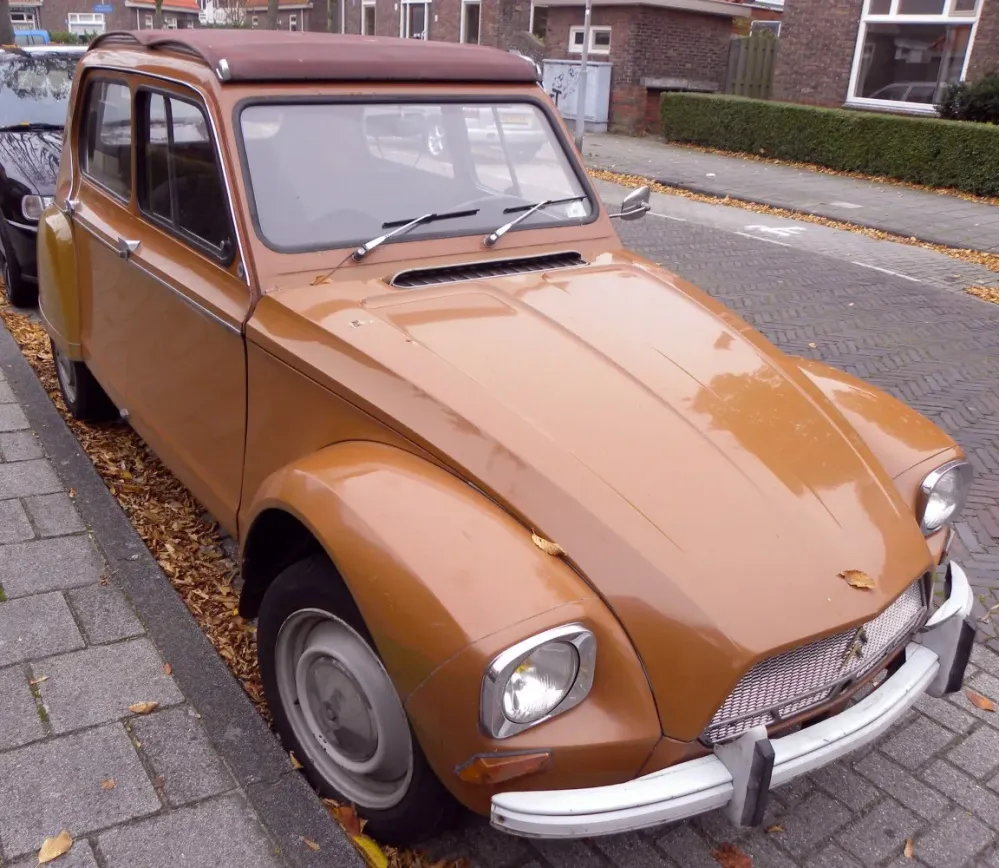
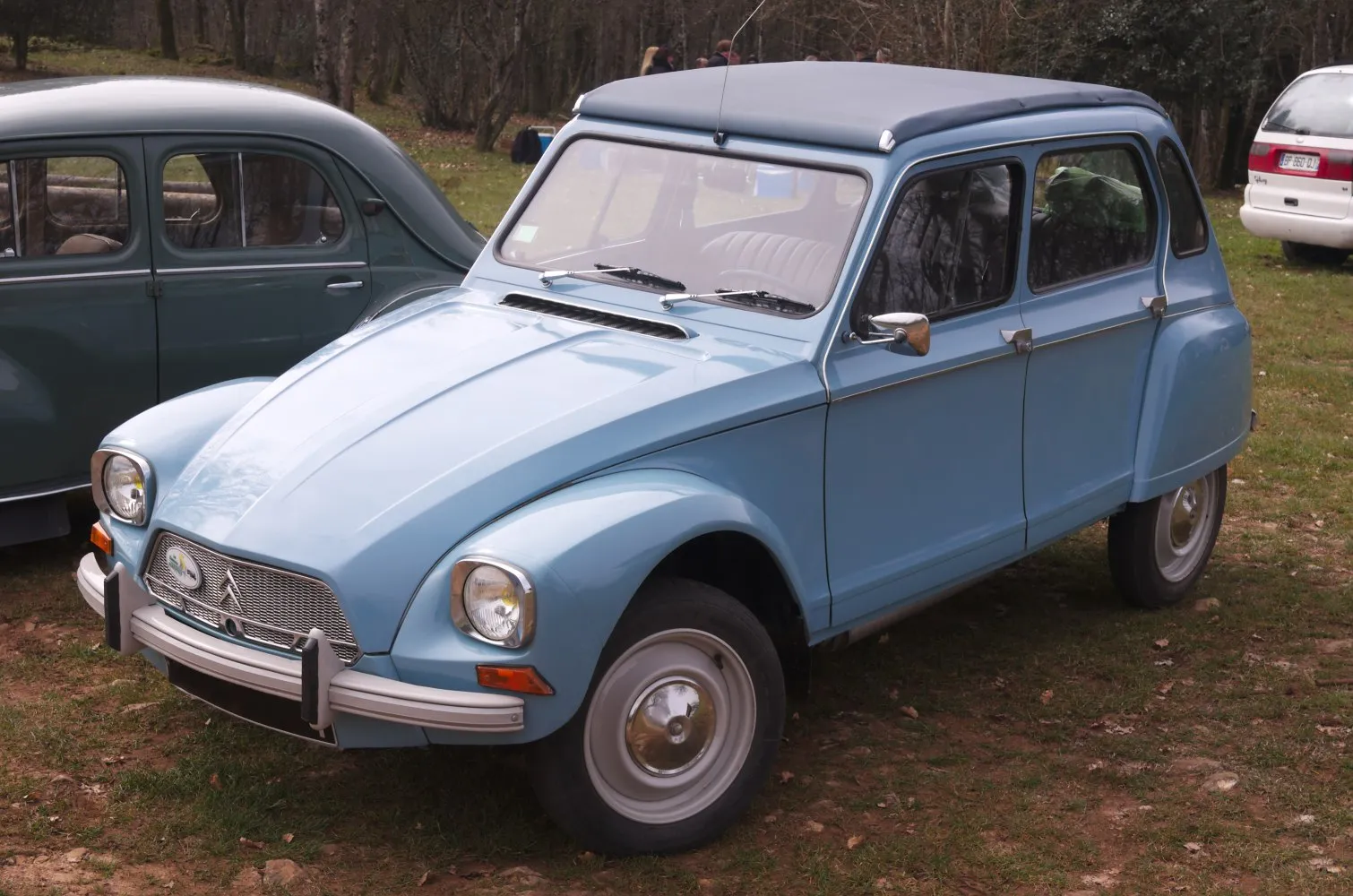
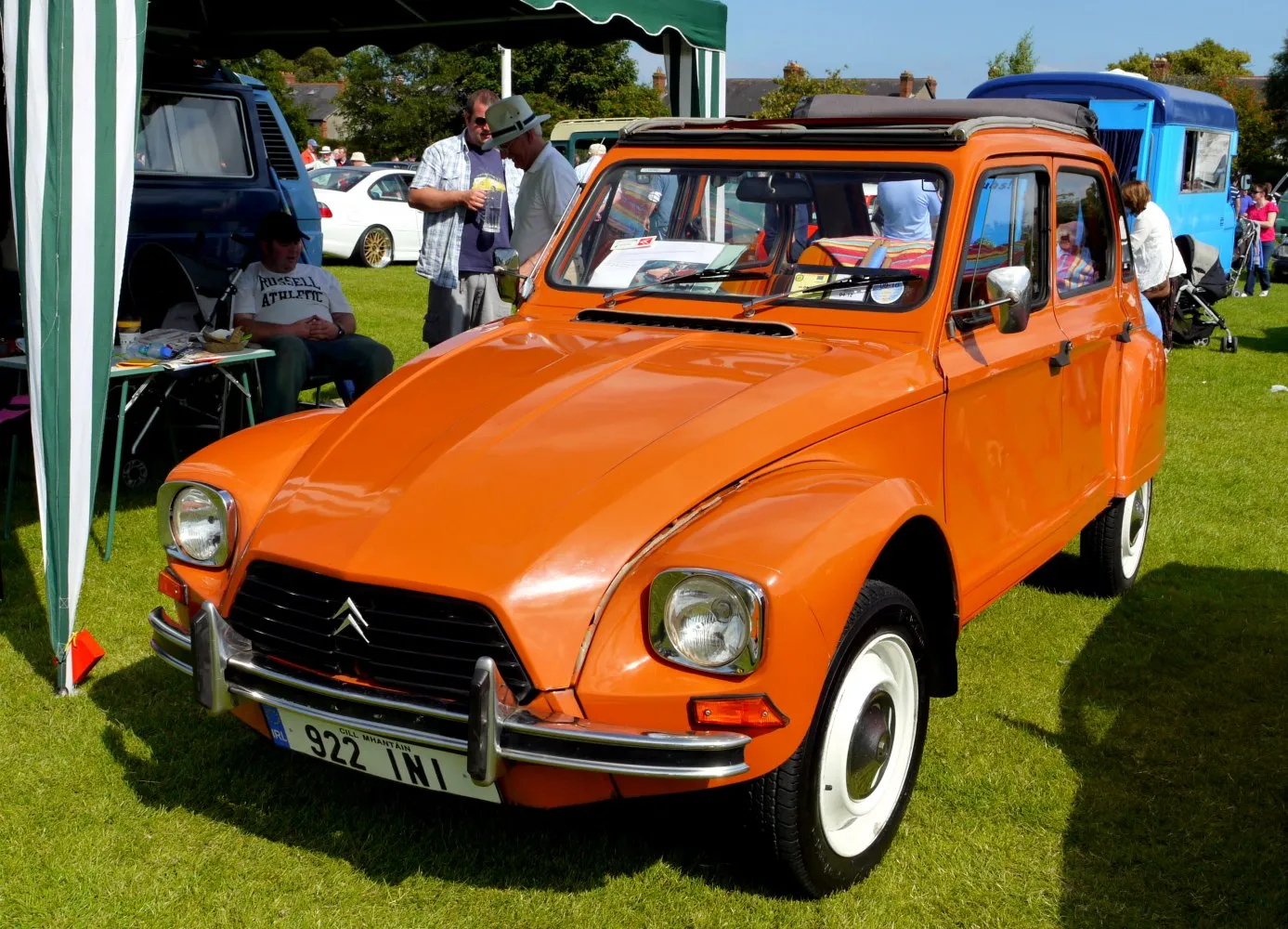
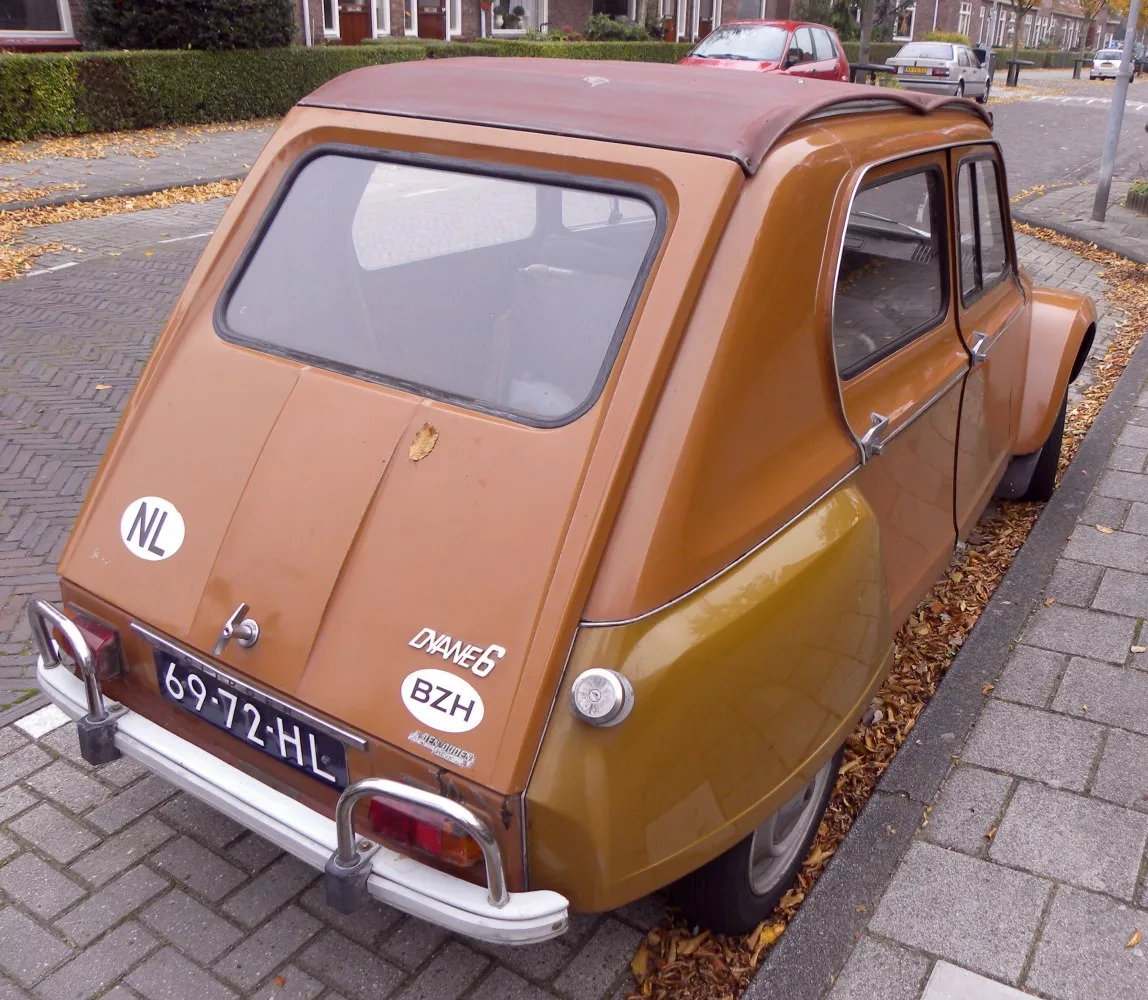
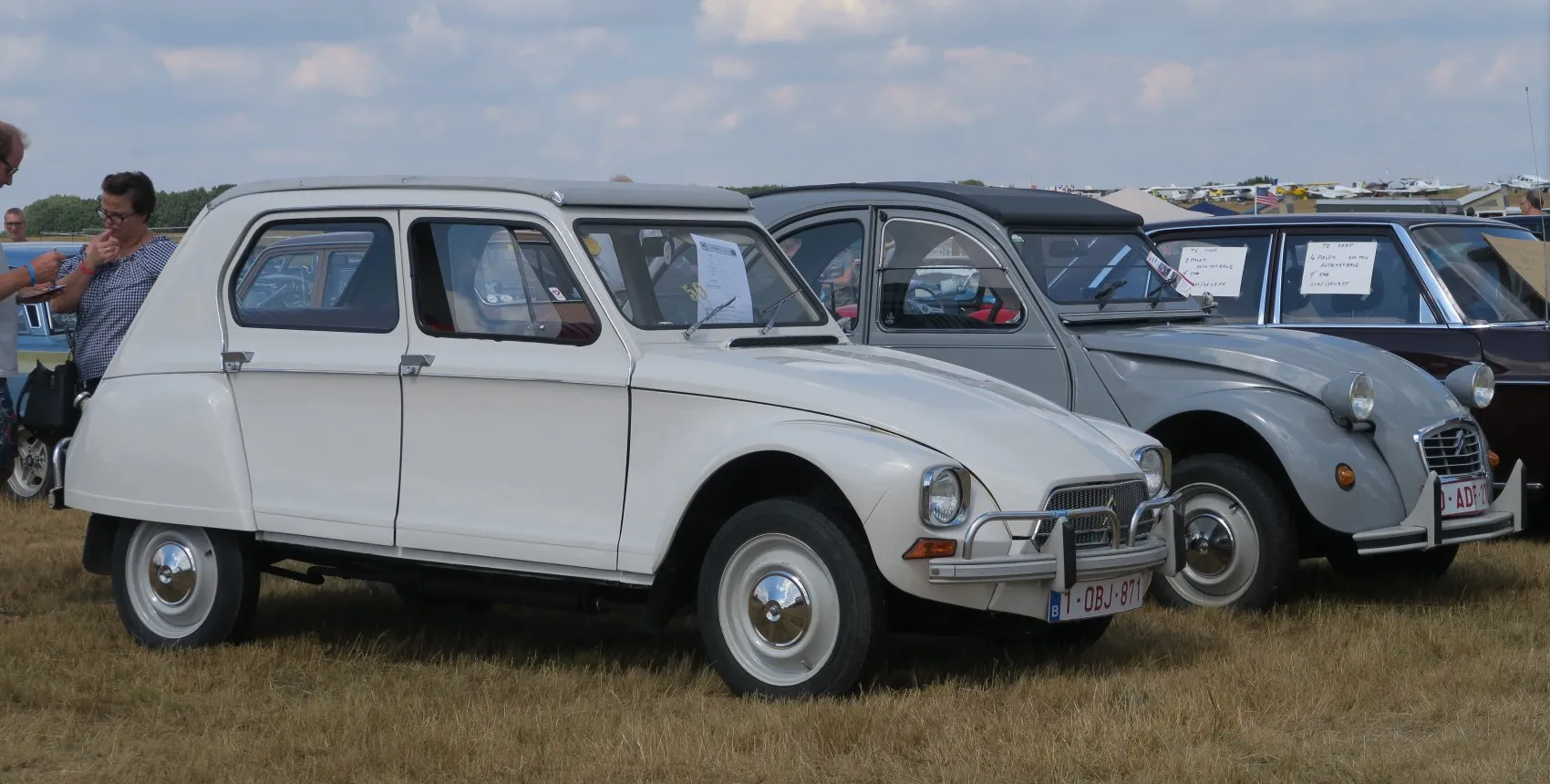
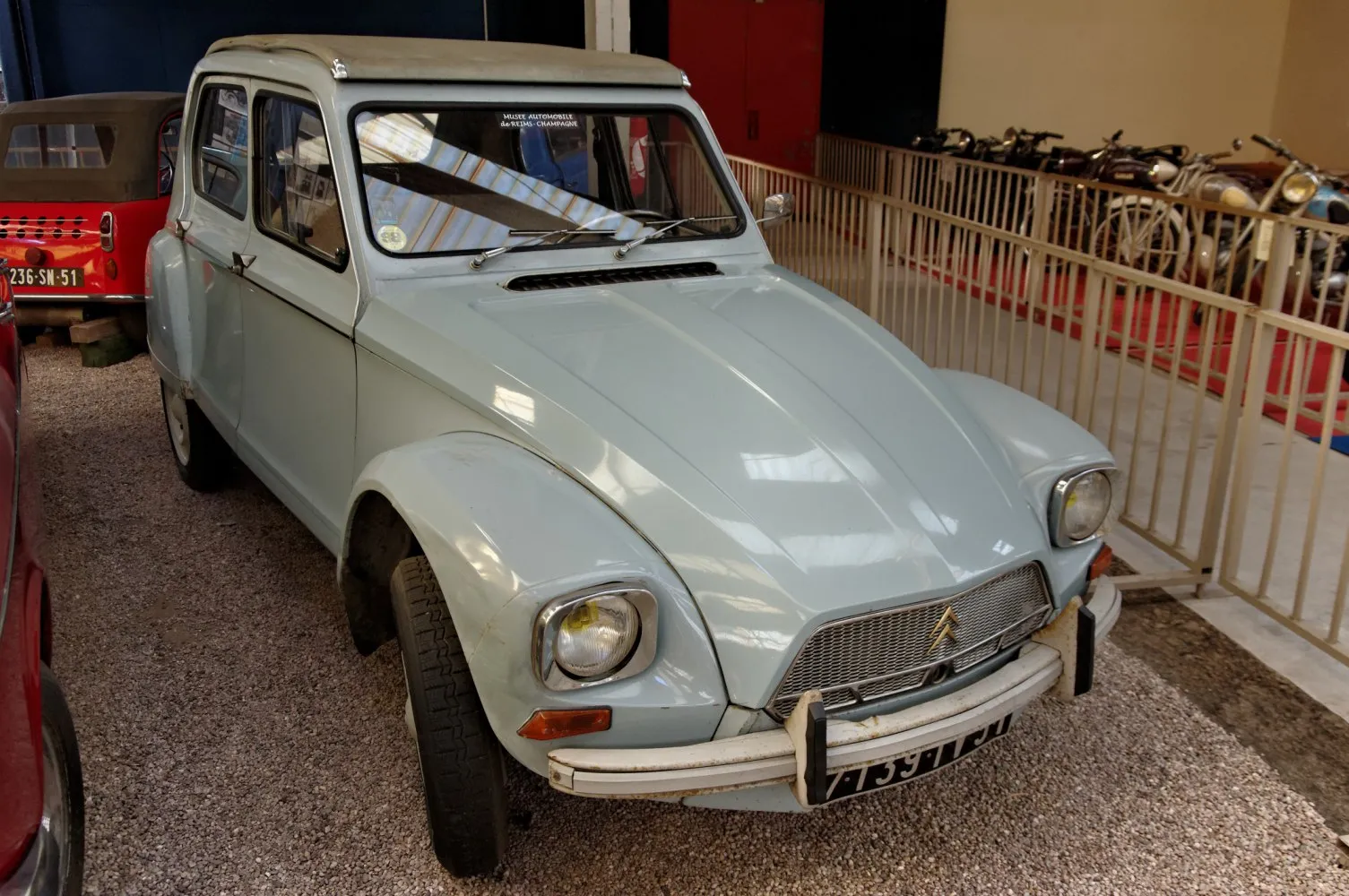
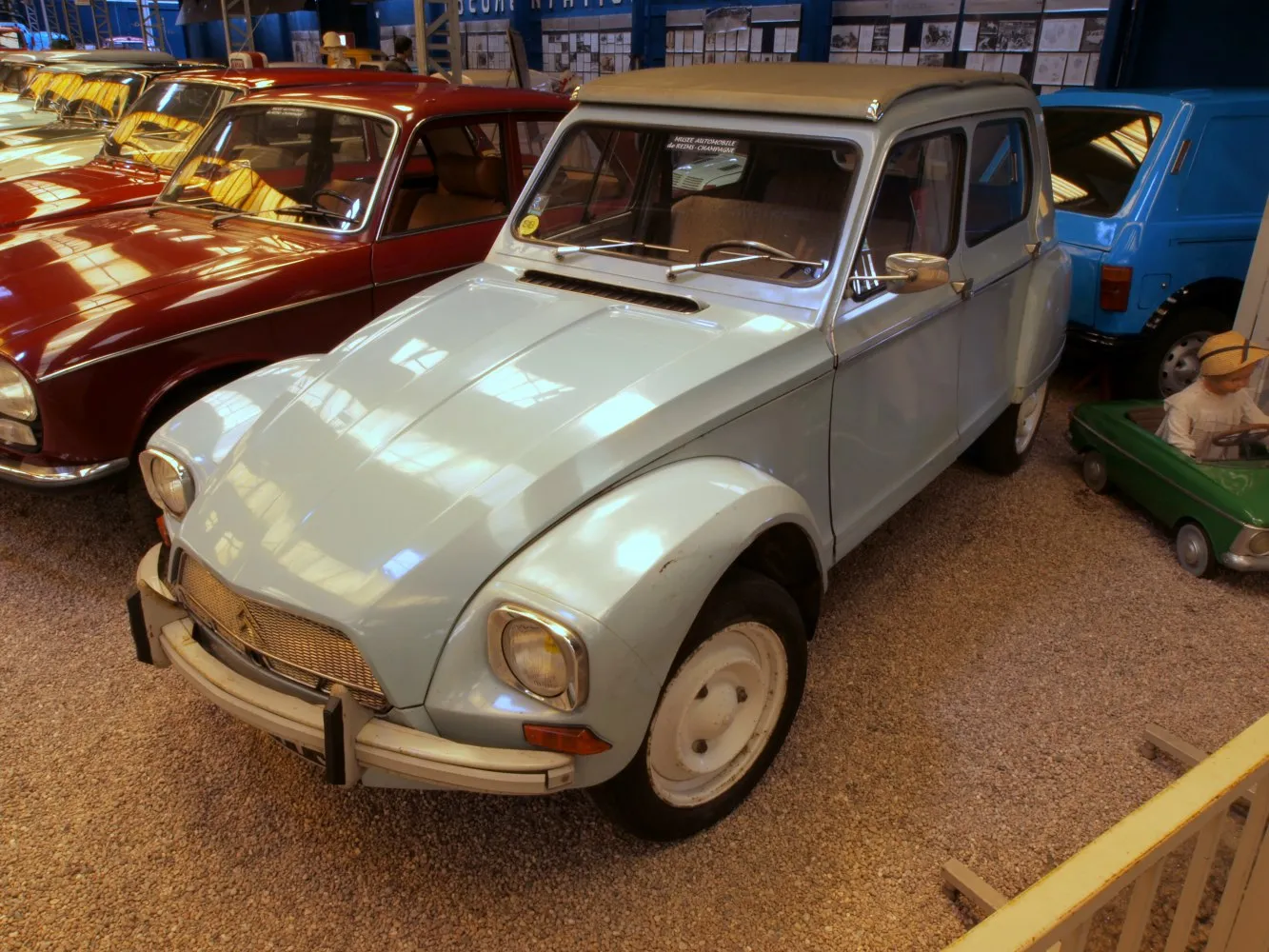
The Citroën Dyane is an economy family car produced by the French automaker Citroën from 1967 to 1983. The Dyane's design remained almost completely based on the Citroën 2CV and its underpinnings, but at the same time received almost all-new body panels, distinguished by more straight, angular overall features. The rear introduced a prominent large hatchback, while the modernized front wings now integrated the headlights.
A panel van version named the Acadiane was also derived from the Dyane. Nearly 1. 45 million Dyanes and some 250,000 Acadianes were made, for a total of ~1. 7 million units. Although the Dyane was a complete reskin of the 2CV, and body panels are not interchangeable, the 2CV remained on sale as a cheaper, entry-level model, and when the Dyane was retired after more than fifteen years, its predecessor, the 2CV, kept soldiering on, outliving its intended successor....(Read more on Wikipedia)
I (Phase I) Overview:
Citroen Dyane (I (Phase I)). With 29 Nm of torque, it offers ample pulling power. Weighing only 555 kg, it’s quite light. Front‑wheel drive delivers efficiency and easy handling. The top speed reaches 95 km/h. A four-door car with a separate trunk, ideal for families and daily commuting. A car with a continuous slope from the roof to the rear, enhancing aerodynamics. Seating for 4 makes it ideal for daily use.
Performance Verdict
The 21 Hp 0.4L engine, likely the 425cc unit from the 2CV, offered minimal performance. It was designed for basic, low-speed transport, making it the slowest option in the lineup.
Fuel Economy
Fuel consumption ranged from 5-6.5 l/100 km, which was good for its time, though slightly less consistent than other trims due to its smaller displacement working harder.
Best Use Case:
Exclusive city use and very short, local trips.
Pros and Cons:
Pros:
- • Excellent fuel economy across the range
- • Practical and versatile hatchback body
- • Simple, robust, and easy-to-maintain mechanics
- • Comfortable ride thanks to soft suspension
Cons:
- • Very modest performance, especially with smaller engines
- • Lack of modern safety features (common for its era)
- • Basic interior amenities and refinement
- • Drum brakes all around offer limited stopping power
Specifications:
| General: |
| Brand: | Citroen |
|---|
| Model: | Dyane |
|---|
| Generation: | I (Phase I) |
|---|
| Modification (Engine): | 0.4 (21 Hp) |
|---|
| Start of production: | 1967 |
|---|
| End of production: | October, 1968 |
|---|
| Powertrain Architecture: | Internal Combustion engine |
|---|
| Body type: | Sedan, Fastback |
|---|
| Seats: | 4 |
|---|
| Doors: | 5 |
|---|
| Engine: |
| Power: | 21 Hp @ 5500-6000 rpm. |
|---|
| Power per litre: | 49.4 Hp/l |
|---|
| Torque: | 29 Nm @ 4750 rpm. |
|---|
| Engine Model/Code: | AYA, A79/0 |
|---|
| Engine displacement: | 425 |
|---|
| Number of cylinders: | 2 |
|---|
| Engine configuration: | Boxer |
|---|
| Engine aspiration: | Naturally aspirated engine |
|---|
| Engine oil capacity: | 2.5 l |
|---|
| Cylinder Bore: | 66 mm mm |
|---|
| Piston Stroke: | 62 mm mm |
|---|
| Compression ratio: | 7.9:1 |
|---|
| Performance: |
| Fuel Type: | Petrol (Gasoline) |
|---|
| Fuel consumption (economy) - combined: | 5-6.5 l/100 km |
|---|
| Maximum speed: | 95 km/h |
|---|
| Weight-to-power ratio: | 26.4 kg/Hp, 37.8 Hp/tonne |
|---|
| Weight-to-torque ratio: | 19.1 kg/Nm, 52.3 Nm/tonne |
|---|
| Space: |
| Kerb Weight: | 555 |
|---|
| Max. weight: | 875 |
|---|
| Max load: | 320 |
|---|
| Trunk (boot) space - maximum: | 1340 l |
|---|
| Trunk (boot) space - minimum: | 250 l |
|---|
| Fuel tank capacity: | 20 l |
|---|
| Size: |
| Length: | 3905 mm mm |
|---|
| Width: | 1500 mm mm |
|---|
| Height: | 1540 mm mm |
|---|
| Wheelbase: | 2400 mm mm |
|---|
| Front track: | 1260 mm |
|---|
| Rear (Back) track: | 1260 mm |
|---|
| Ride height (ground clearance): | 155 mm |
|---|
| Minimum turning circle (turning diameter): | 11 m |
|---|
| Powertrain: |
| Drivetrain Architecture | The Internal combustion engine (ICE) drives the front wheels of the vehicle. |
|---|
| Drive wheel | Front wheel drive |
|---|
| Number of gears | 4 |
|---|
| Transmission type | Manual |
|---|
| Front brakes | Drum |
|---|
| Rear brakes | Drum |
|---|
| Front suspension | Independent coil spring |
|---|
| Rear suspension | Independent coil spring |
|---|





Is the Citroen Dyane the king of its class? Share your thoughts.